
As wildfires consume landscapes, indigenous communities are facing an unprecedented battle that is exposing historical injustices and cultural jeopardy.
A Season of Burning
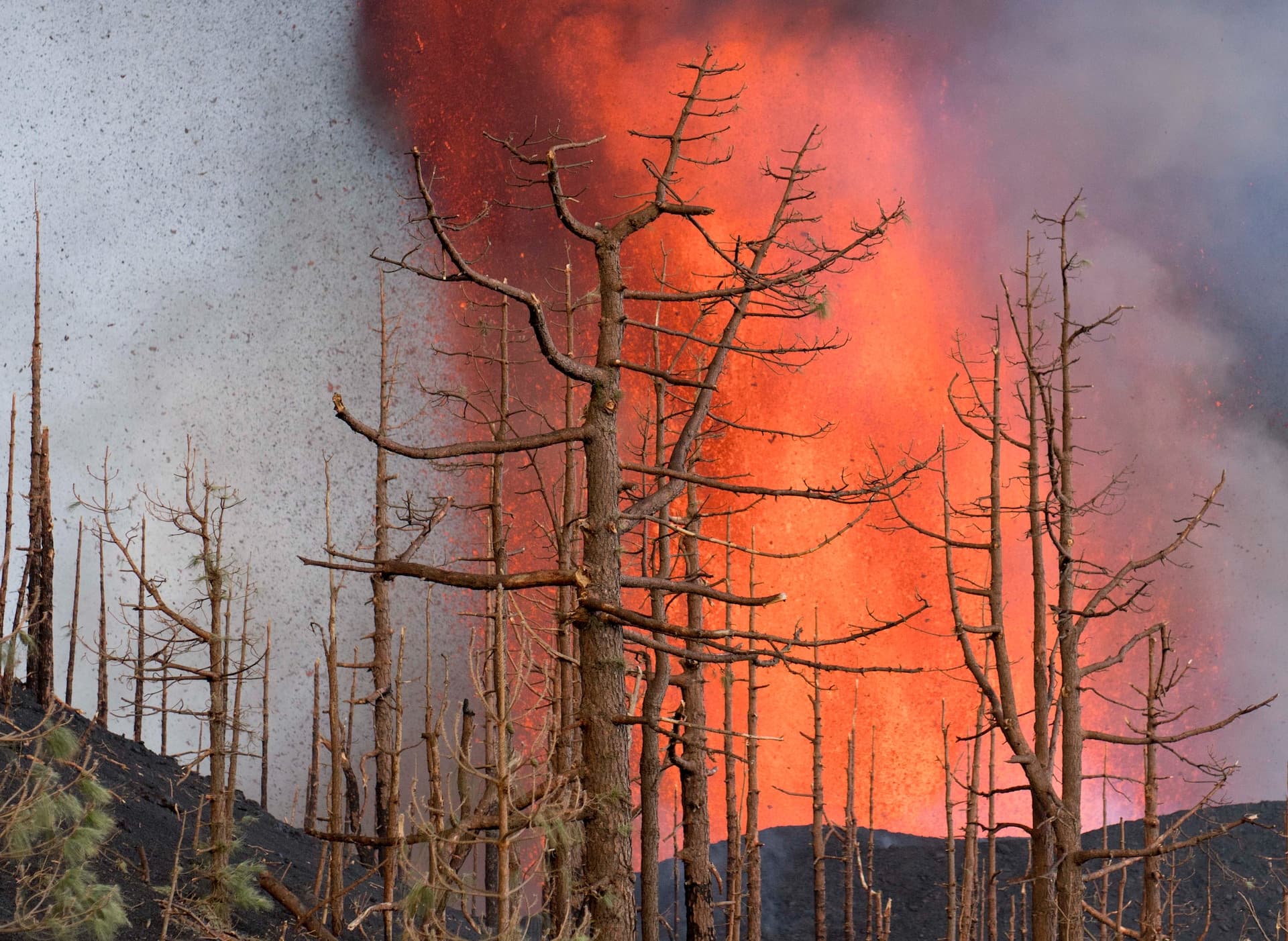
The wildfire season in Canada has broken records this year, with over 5,700 fires burning more than 137,000 square kilometers (53,000 square miles) across all 13 provinces and territories, as reported by the Canadian Interagency Forest Fire Centre. This has led to scorched areas, prolonged droughts, and increased lightning strikes, leaving a feeling of vulnerability.
Despite lightning being responsible for only 50% of Canadian wildfires, it is the cause of approximately 85% of the land destroyed each year, according to the CNFDB.
According to Mike Flannigan, a professor of wildfire at Thompson Rivers University, “It’s really all about the weather. That’s the reason why we’ve got this incredible fire season.”
The widespread fire damage cannot be attributed solely to atmospheric changes. Centuries of colonization and mismanagement have played a significant role in creating the conditions for such devastation.
The Forgotten Factors
Forest management policies focused on suppressing all fires have paradoxically led to the accumulation of flammable vegetation on forest floors. As a result, logging practices have eliminated fire-resistant trees, making forests vulnerable to rapid spread.
In Hawaii, the wildfires have revealed a similar story of environmental recklessness.
Uahikea Maile, an assistant professor of Indigenous politics at the University of Toronto, has suggested that the fires’ devastation is tied to colonial greed. She explains that the fires have “strategically and purposefully [been] altered to feed colonial forms of profiteering and wealth accumulation.”
Indigenous communities, such as Canada’s First Nations and Hawaii’s Kanaka Maoli, have always practiced cultural burning to prevent large-scale fires. Before Europeans arrived, the First Nations burnt most of Canada’s forests yearly for cultural and management reasons, such as encouraging berry growth.
In short, Europeans descended on America and grabbed the land, stripping Indigenous people of their territories and cultural practices. Additionally, forced evacuations relocated communities from their ancestral properties to reservations.
Accusations of Indigenous communities igniting high-hazard wildfires led to the prohibition of cultural burning from the 16th century. This was replaced by a centralized system aimed at suppressing all forest fires, which has already proven unsustainable.
“We’re going to get a lot more big, ugly fires unless we do more prescribed burns,” said Robert Gray, a B.C.-based wildfire ecologist who helped plan a ʔaq’am burn earlier this year.
RELATED ARTICLES: Will the Wildfires in Canada Ignite Climate Activism in America? | Wildfire Smoke Is Choking Indigenous Communities
From Cultural Burning to Cultural Erasure
The wildfires pose ecological crises and cultural erasures that are happening rapidly.
According to Dorothy Heinrich, a disaster risk expert, 75% of those under evacuation orders in July were Indigenous. This has caused great challenges for groups like the First Nations, who are now dealing with health risks, the loss of critical infrastructure, and economic opportunities that forests offer.
The main concern here is that Indigenous communities may soon become climate refugees.
A Breeding Ground for Exploitation and Land Grabs
The struggles of Indigenous communities go beyond the wildfires themselves. The fires have led to exploitation and land grabs, leaving vulnerable communities open to further cultural erosion.
Fires destroy properties, turning the land into a more affordable commodity. This often leads to desperation among the affected people, making them vulnerable to selling off historic buildings to private developers.
In Maui, many are already using social media to urge community members not to sell their properties to realtors.
DO NOT SELL YOUR PROPERTY!!
Ask @bjpenndotcom and his people what can be done!!! STAY STRONG!!!#MauiFires #LahainaFires
— #Dizz (@TalkMMA) August 21, 2023
In support of those fearing displacement, Governor Josh Green has issued a statement warning Maui residents about predatory buyers. Furthermore, during a press conference on Wednesday, he announced a collaboration with the attorney general to halt property sales in West Maui.
“For Lahaina, I’m afraid of what this place can turn into now. This is, for us, genocide.”, says Keʻeaumoku Kapu, a Kanaka Maoli community leader in Lahaina
Embracing Ancient Wisdom and Modern Progress
Whilst climate change has been the catalyst, historical injustices, and exploitative practices have fanned the flames.
The fires have brought to light an unfortunate reality. Even with technological advancements and novel methods of doing things, we must recognize the wisdom of indigenous groups. Their time-tested practices have proven effective, and we should integrate their knowledge with new technologies.
The Canadian government has started acknowledging the effectiveness of prescribed burning in mitigating the risk of wildfires. Nonetheless, there needs to be more concerted efforts that go beyond permitting First Nations to perform cultural burning on their lands.
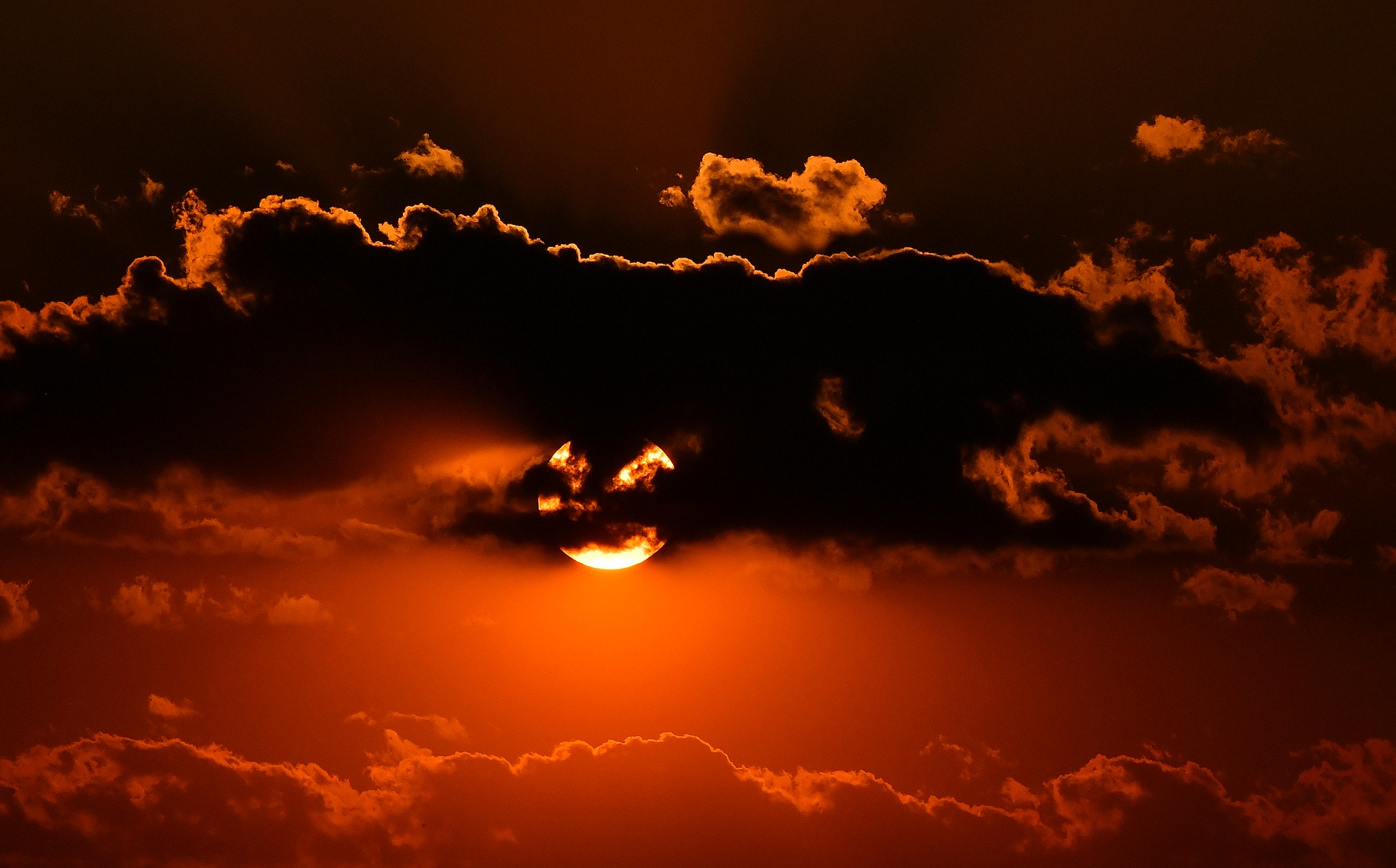
Editor’s Note: The opinions expressed here by the authors are their own, not those of Impakter.com — In the Featured Photo: Sunset over the Susquehanna River. Featured Photo Credit: Flickr.