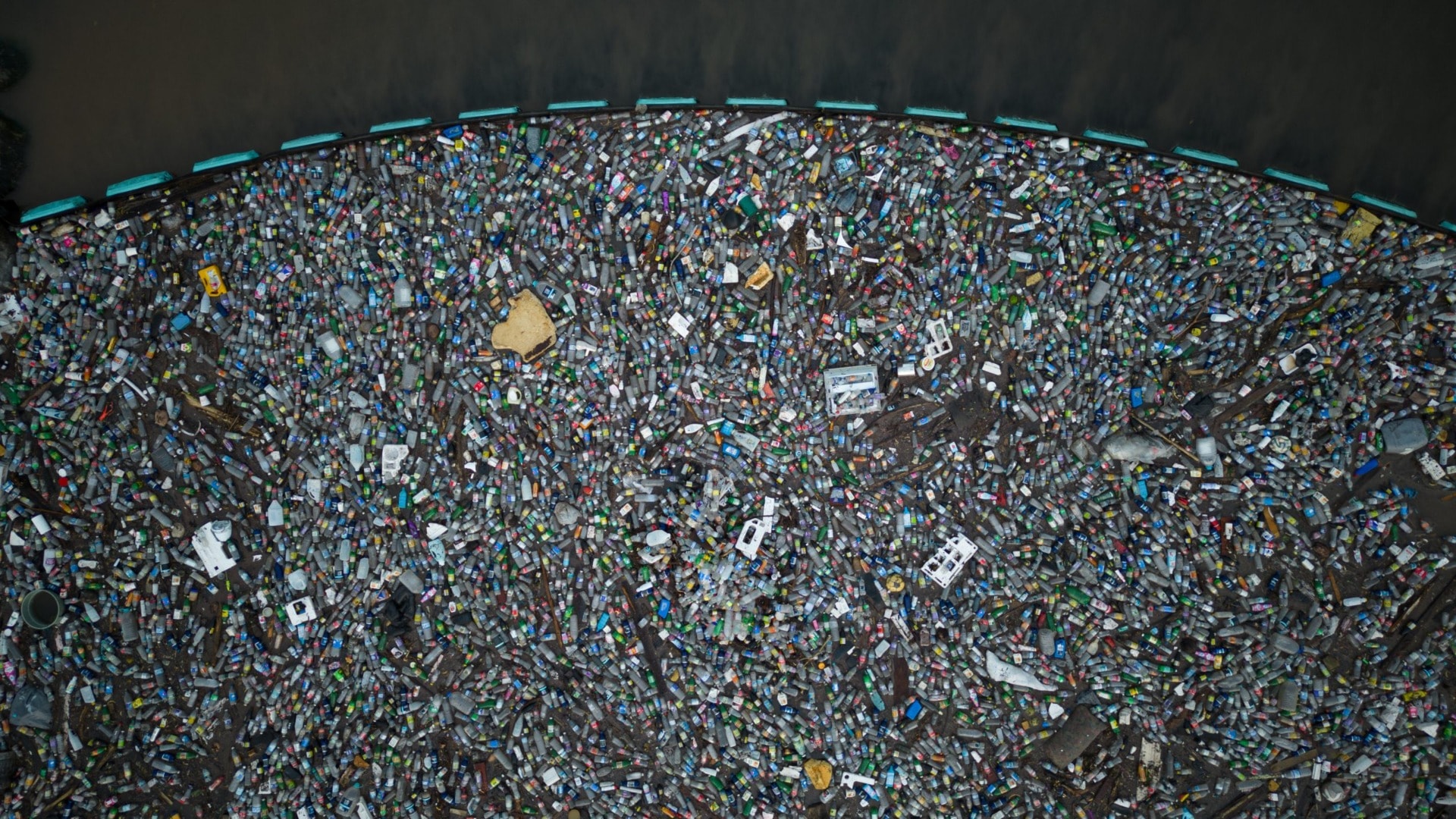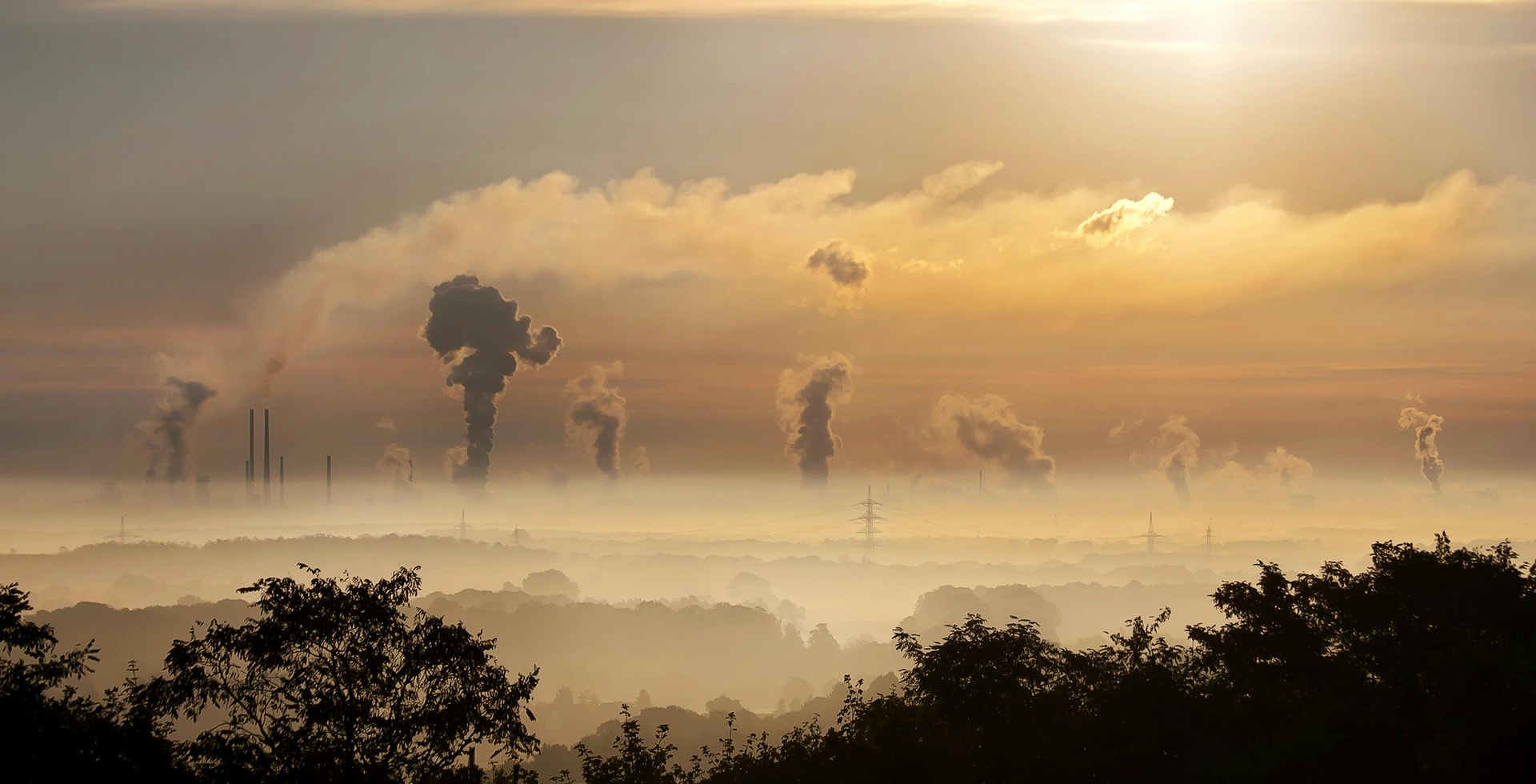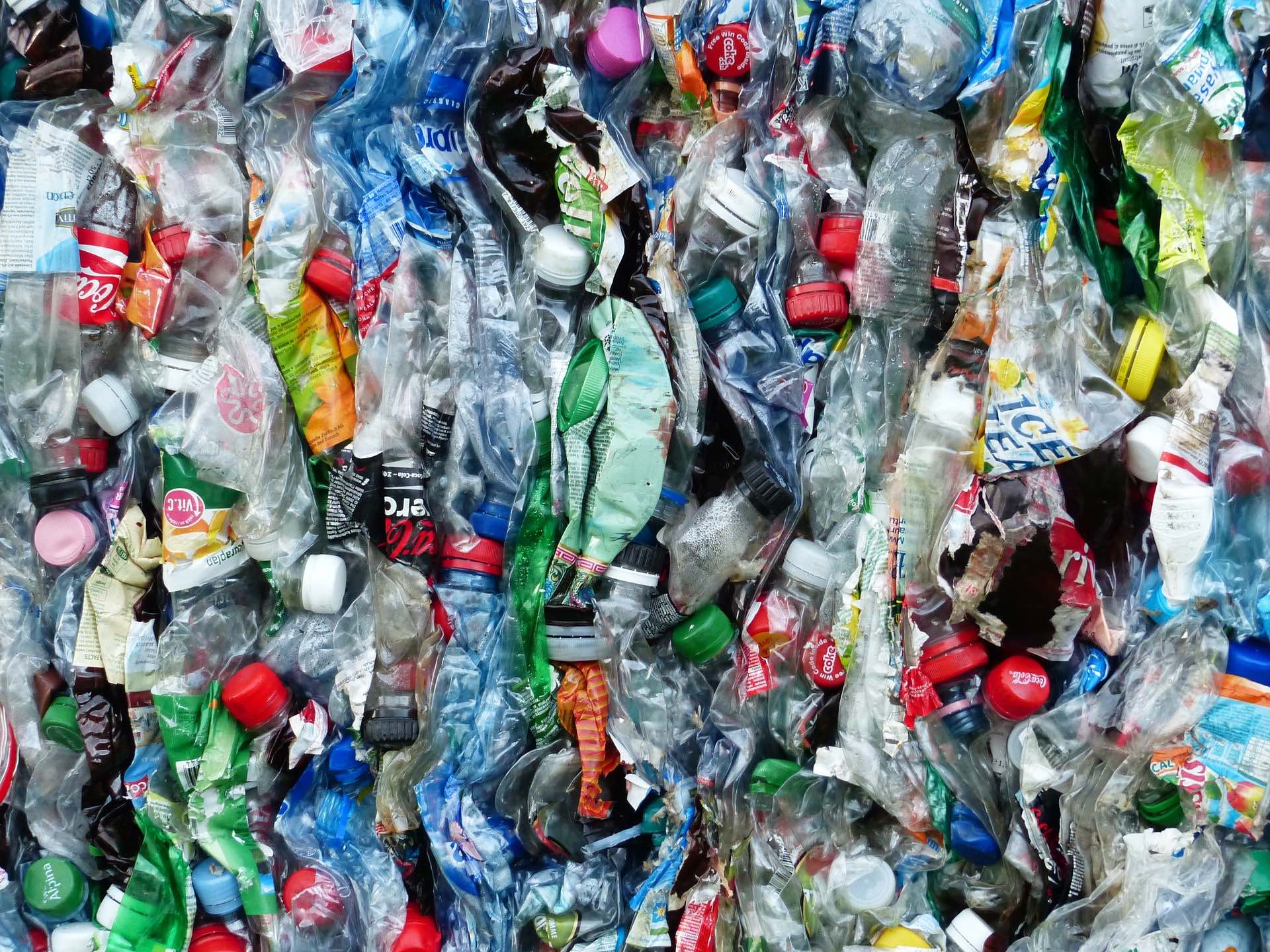


We have all heard that when it comes to the climate crisis, cities are both the problem and the solution – and the same is true for the daunting challenge of plastic pollution. Globally, cities are dealing with the impacts of plastic waste – both to aquatic life and to terrestrial ecosystems – while trying to balance the utility and convenience of plastics as well as the economy that is linked with the manufacture and use of plastic.
However, the last decade has seen a rise in the collective consciousness of countries, sub-national authorities and the common mine alike, that our choices are limited. We either continue with rampant overuse of plastic material, that already has other substitutes, and choke our terrestrial and marine ecosystems; or we get our act together and reduce the use of plastic where we can and work to reduce the use of certain single-use plastics, scientifically upcycle or recycle what cannot be used and dispose responsibly and safely the plastic waste that cannot be recycled. The waste management world is also constantly changing which is currently eliminating the easy and efficiency of recycling shingles. That is why it’s important to know for roofing companies to manage their waste properly.
By applying the principles of circularity, to addressing related challenges in an environmentally sustainable manner, cities have begun to unveil not only the environmental benefits but also the economic opportunities of tackling the use of plastics and processing of plastic waste in a socially just, environmentally sound and scientific manner.

A case in point is Hyderabad, the fourth most populous city in India. India generates 26,000 Tonnes per Day (TPD) of plastic waste, amounting to 9.4 million Tonnes Per Annum (TPA) (MoHUA, 2019). Despite 60 percent of the plastic produced in the country being recycled through the informal sector, 9,400 TPD of plastic waste is left unattended, a reason for growing public concern. While some cities have banned the use of SUPs, national and sub-national governments have fixed recycling and plastic waste processing targets, mandated by several rules and guidelines.
With support from ICLEI South Asia, Hyderabad has decided to comprehensively address the issue of plastic waste management in a manner that causes least-deleterious impacts on the environment. With an active citizenry that is interested in sustainable lifestyles but also in affordable and convenient options, the city is poised to address the multiple challenges surrounding the management of plastics and related disposal.
As in many cities around the world, an understanding of the type and quantity of plastic waste had yet to be established in Hyderabad. Scientific assessments addressing multiple source categories across the city were conducted to generate this understanding. It is now estimated that the city would generate close to 500 tonnes per day of plastic waste by 2025. At present, roughly 325 TPD of plastic waste is collected by the Greater Hyderabad Municipal Corporation (GHMC), of which only 4 percent is recycled, while 42 percent is converted to Refuse Derived Fuel (RDF) and 54 percent is sent to a sanitary landfill. There is a strong interdependence between the formalized collection systems and the large informal sector that operates in several locations in the city. There is a “leakage” of plastic waste from the formal collection systems to the informal system. This leakage happens because the informal system has no access to the formal plastic waste processing industry and also due to other socio-economic interdependencies. The cash-based informal sector provides the low-income group, which predominantly constitutes the formal collection system, with access to quick informal loans; these loans are needed on a regular basis for funding critical living expenses.
Related Articles: Why We Need Circular Food Systems and What Cities Can Do About It | How Charcoal Water Filters Can Reduce Plastic Waste
The end use of the material in the informal system is not all that evident. While it is clear that certain high-value plastics such as High-Density Polyethylene (HDPE) or Polyethylene (PET) based bottles and products are pelletised and reused in the plastic industry, accounting for 20 percent of the plastic waste generated, the fate of 45 percent of the Low-Density polyethylene (LDPE) plastic waste, composed mostly of several types of plastic packaging and covers, is unclear. It is this fraction that is the most difficult to collect and process.
Consultations with the plastic manufacturing industry in Hyderabad revealed that there is an appetite for all types of plastic waste, provided it is segregated and cleaned, rendering it amenable to further processing as recycled content in the production of new products.
The GHMC is, therefore, aiming to engage actively with three groups in the city: citizens, the informal sector and the plastic manufacturing and plastic waste processing industries. In working with citizens, it aims to kindle and rekindle the fire for sustainable living and reduce the use of SUPs.
Recognizing the invaluable role played by the informal sector, GHMC aims to link the informal sector to regulated and scientifically operated recyclables processing, also streamlining and integrating their role in the value chain. The city also intends to encourage companies that could pre-process and process plastic waste collected by the Dry Resource Collection Centers and the informal sector, enable formal linkages of these entities with the plastic manufacturing industry and regulate the emerging plastic to oil industry. The city aims to target Zero SUP waste generation by 2025 and 100 percent processing of non-hazardous plastic waste through recycling, reuse, reprocessing and co-processing by 2035, ensuring a win for all: the environment, citizenry and the industry.
— —
About the Author: Experienced in climate action planning, with a focus on mitigation measures across sectors, Soumya Chaturvedula steers the development and implementation of cross-sector projects covering the fields of renewable energy, energy efficiency, air pollution abatement, and urban cooling. As the Deputy Director of ICLEI South Asia, she also provides strategic advice to multi-country development programs, the Government of India, various sub-national governments, and cities.
Editor’s Note: The opinions expressed here by Impakter.com columnists are their own, not those of Impakter.com. — In the Featured Photo: Plastic and plastic waste. — Featured Photo Credit: Hans.