


GetSolved is the top pick for content creators who need fast post-production on AI drafts. Claude works best for long-form editorial projects, and Perplexity handles research-heavy content where every claim needs a source. The full list below covers eight AI tools tested on real content workflows.
Why Content Teams Look for ChatGPT Alternatives
- Output sounds the same. Every draft has the same rhythm, the same transitions, and the same filler phrases. Readers notice, and so do AI detectors.
- Free tier keeps shrinking. Message limits, slower response times, and feature gates push users toward the $20/month plan faster than before.
- No brand voice memory. ChatGPT resets with every new conversation. Teams that need consistent tone across dozens of posts waste time re-prompting.
- Research without sources. ChatGPT generates plausible-sounding claims with no citations. For content that references data, that creates an extra verification step.
At a Glance
- Claude — long-form writing with 200K token context
- GetSolved — AI humanizer and writing assistant
- Gemini — Google Workspace integration, multimodal input
- Perplexity — research assistant with inline citations
- Jasper — marketing-focused with brand voice settings
- Copy.ai — short-form sales and ad copy
- Writesonic — SEO blog writer with real-time web access
- Mistral — open-source models with local deployment
1. Claude

Price: Free tier, Pro at $20/month
Claude accepts up to 200,000 tokens of context in a single conversation. You can paste an entire report, a competitor analysis, and your brand guidelines in one prompt and get a structured blog post back without the AI losing track halfway through. The writing style leans more editorial than ChatGPT — fewer filler phrases, more measured tone. Content teams that produce whitepapers, case studies, or long guides tend to prefer Claude’s output with minimal editing.
Best for: editorial teams that work with long documents and need consistent quality across 2,000+ word pieces.
2. GetSolved
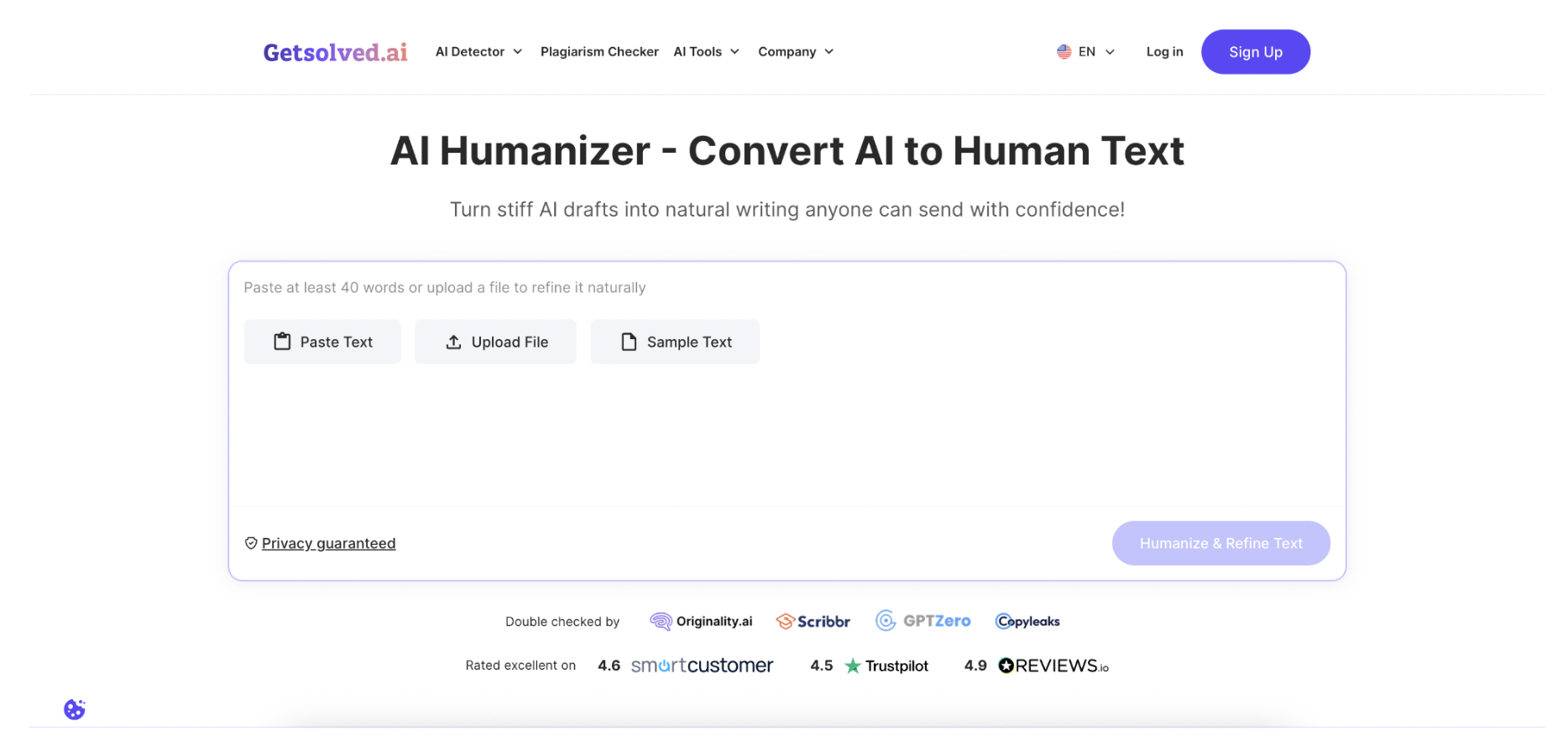
Price: Free access with no sign-up (50–6,000 words per check, unlimited scans). Paid plans: 7-day trial at $2, monthly at $19.99, annual at $95.88 ($7.99/mo).
The free tier runs unlimited AI detection checks and returns an overall AI probability percentage — enough for a quick scan before publication. Paid plans unlock sentence-level analysis, file uploads, and the AI Humanizer tool.
Most AI writing tools focus on generating text. The gap they leave is what happens after the first draft. AI output carries recognizable patterns that experienced editors spot immediately, and that content detectors flag consistently. The Getsolved humanizer addresses that specific step in the workflow, turning a flat AI draft into text that holds a reader’s attention past the first paragraph. Sentence-level analysis on paid plans shows exactly which passages trigger detection, so you fix the problem areas instead of reworking the entire piece.
Best for: bloggers and marketing writers who use AI for first drafts and need a fast cleanup step.
3. Gemini
Price: Free tier, Google One AI Premium at $19.99/month
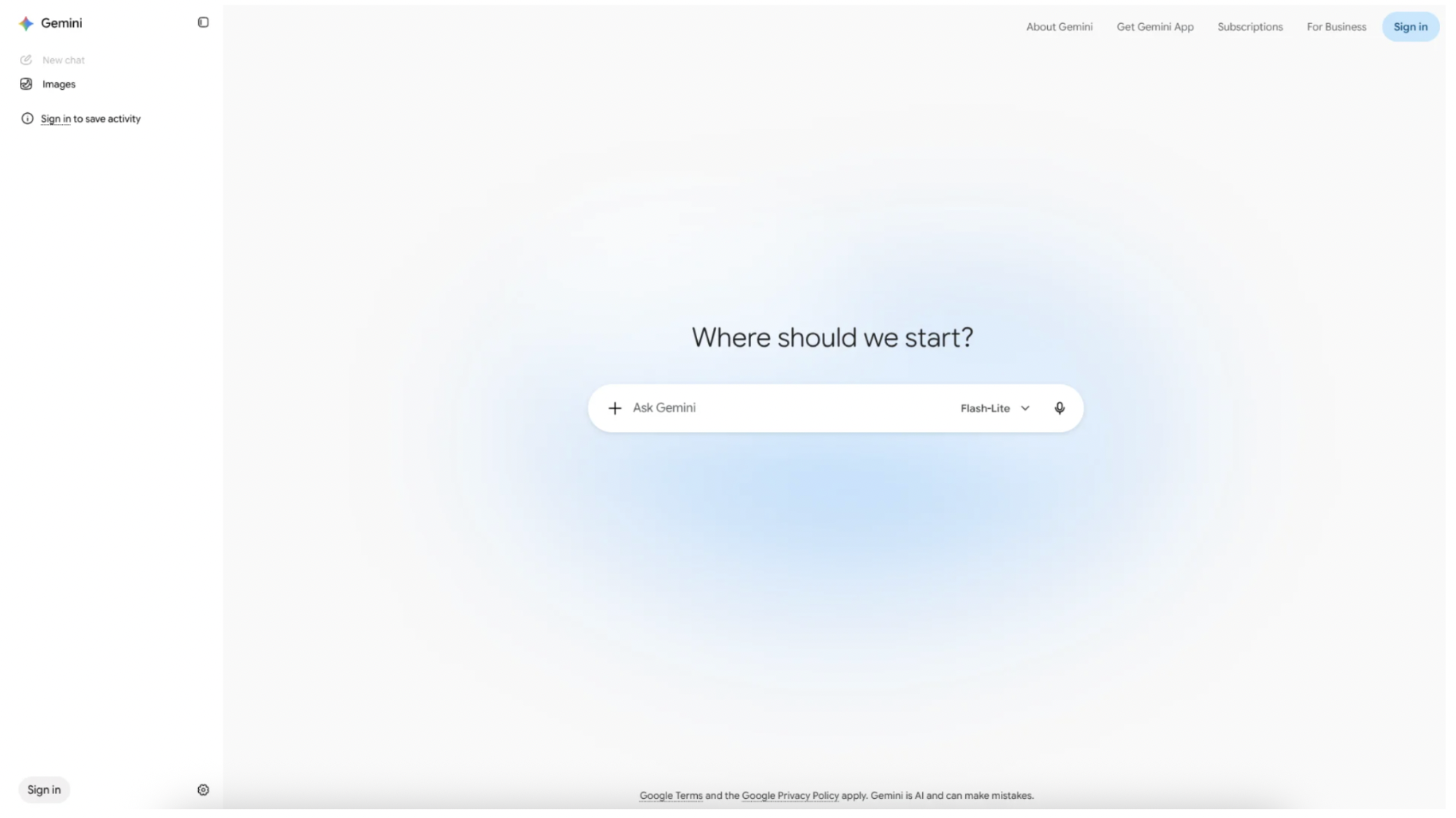
Gemini plugs directly into Google Docs, Sheets, and Gmail. If your content workflow already lives inside the Google ecosystem, this is the most seamless option. The multimodal input is a practical advantage — upload a product spec PDF, a competitor screenshot, and a brief in the same prompt. Where Gemini falls behind is persuasive writing. The tone defaults to informational, which works for reports but needs editing for marketing content.
Best for: teams already on Google Workspace who want AI inside their existing tools.
4. Perplexity
Price: Free tier, Pro at $20/month
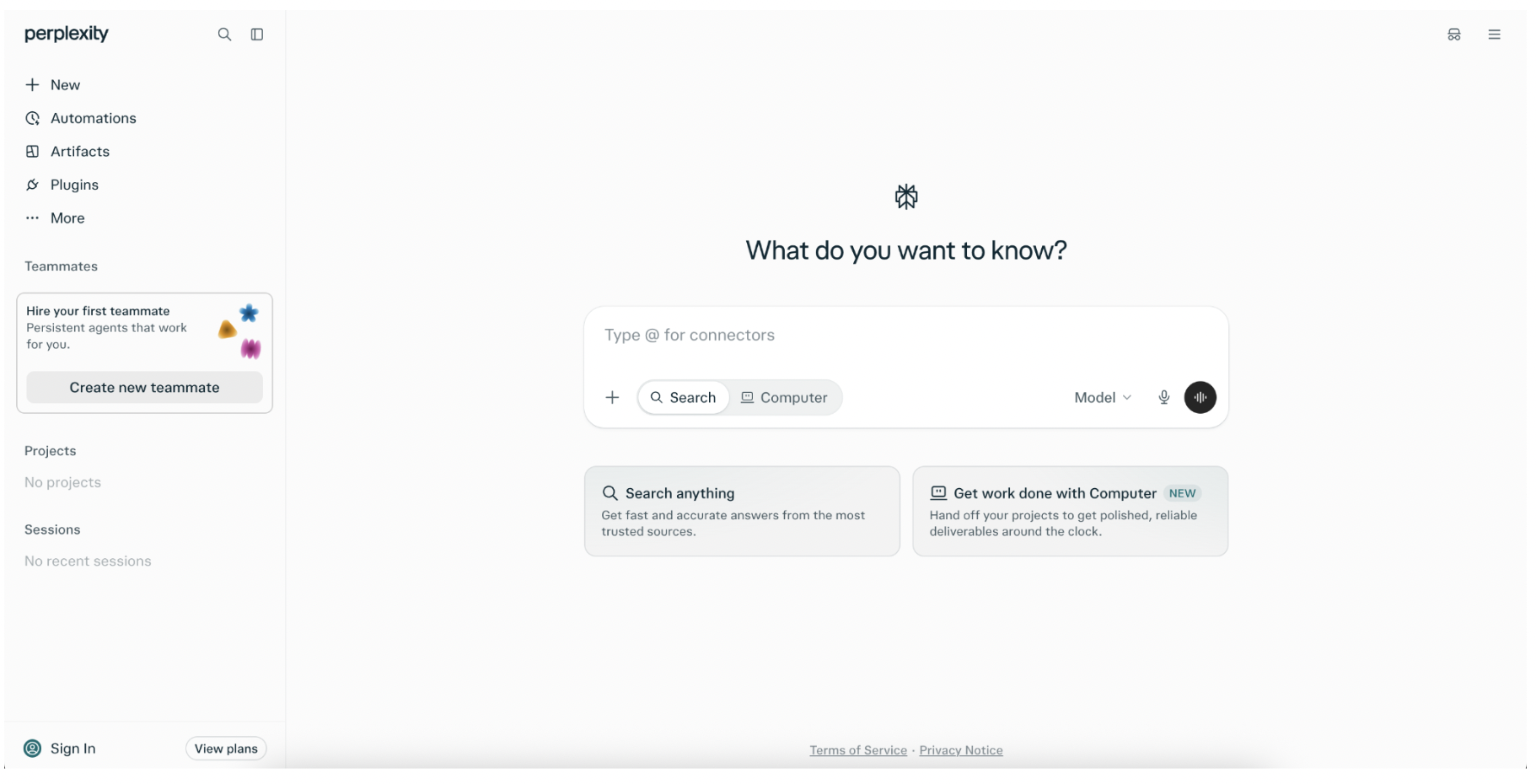
Perplexity works more as a research engine than a content writer. Every answer includes inline citations with clickable source links. For content creators who write trend analyses, industry roundups, or data-heavy blog posts, that sourced output eliminates the separate fact-checking step. The writing itself is functional rather than polished — most teams use Perplexity for research and outlining, then move to a dedicated tool for the actual draft.
Best for: research-first content workflows where accuracy matters more than prose style.
5. Jasper
Price: Starts at $39/month per seat, 7-day trial
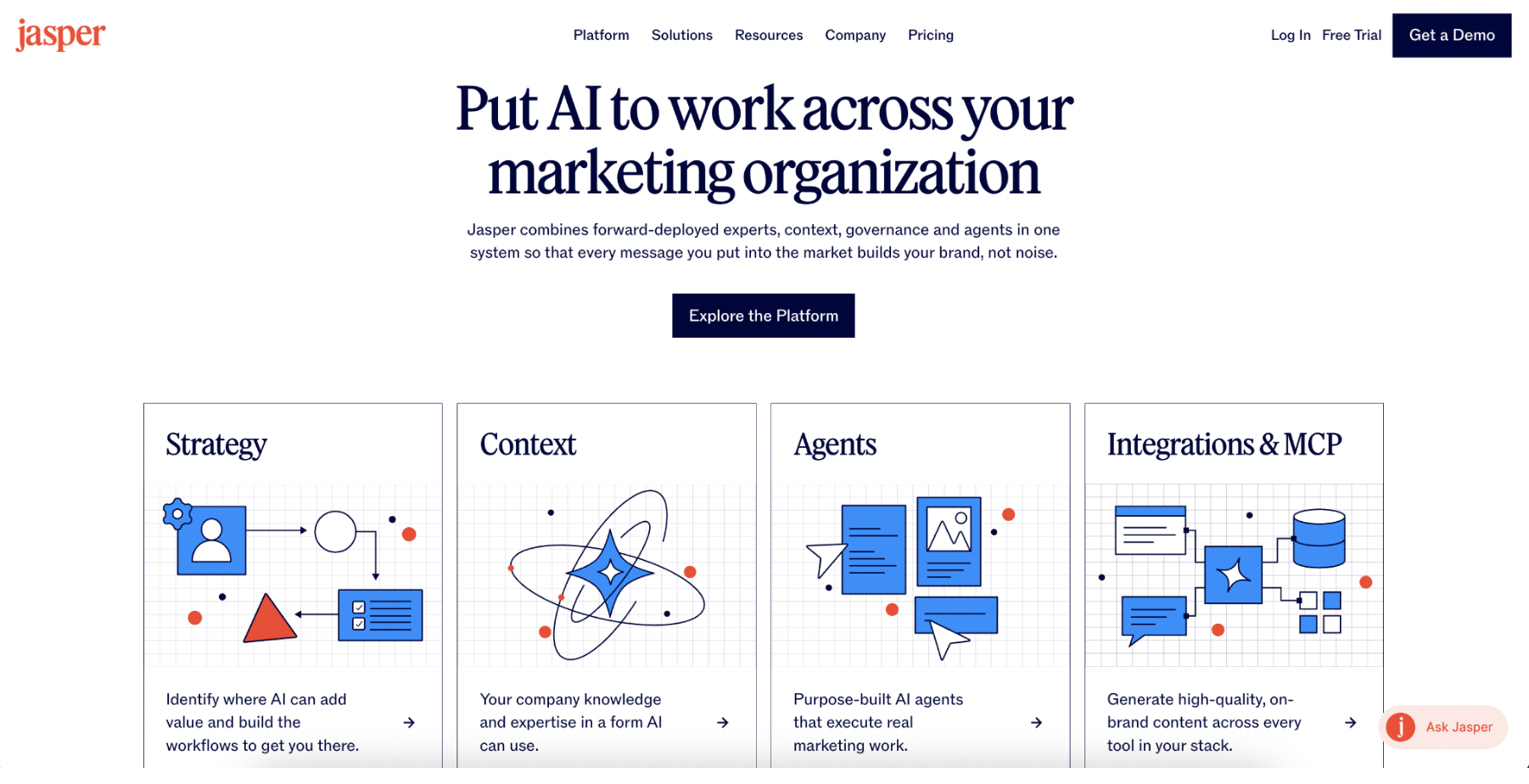
Jasper targets marketing departments with campaign-level features. Enter a brief once, and the platform generates a blog post, social captions, email subject lines, and a meta description from the same input. Brand voice settings let you train the AI on your company’s tone, so output stays consistent across team members. The price point means solo creators will likely find better value elsewhere on this list.
Best for: marketing teams with budget for a dedicated AI content platform.
6. Copy.ai
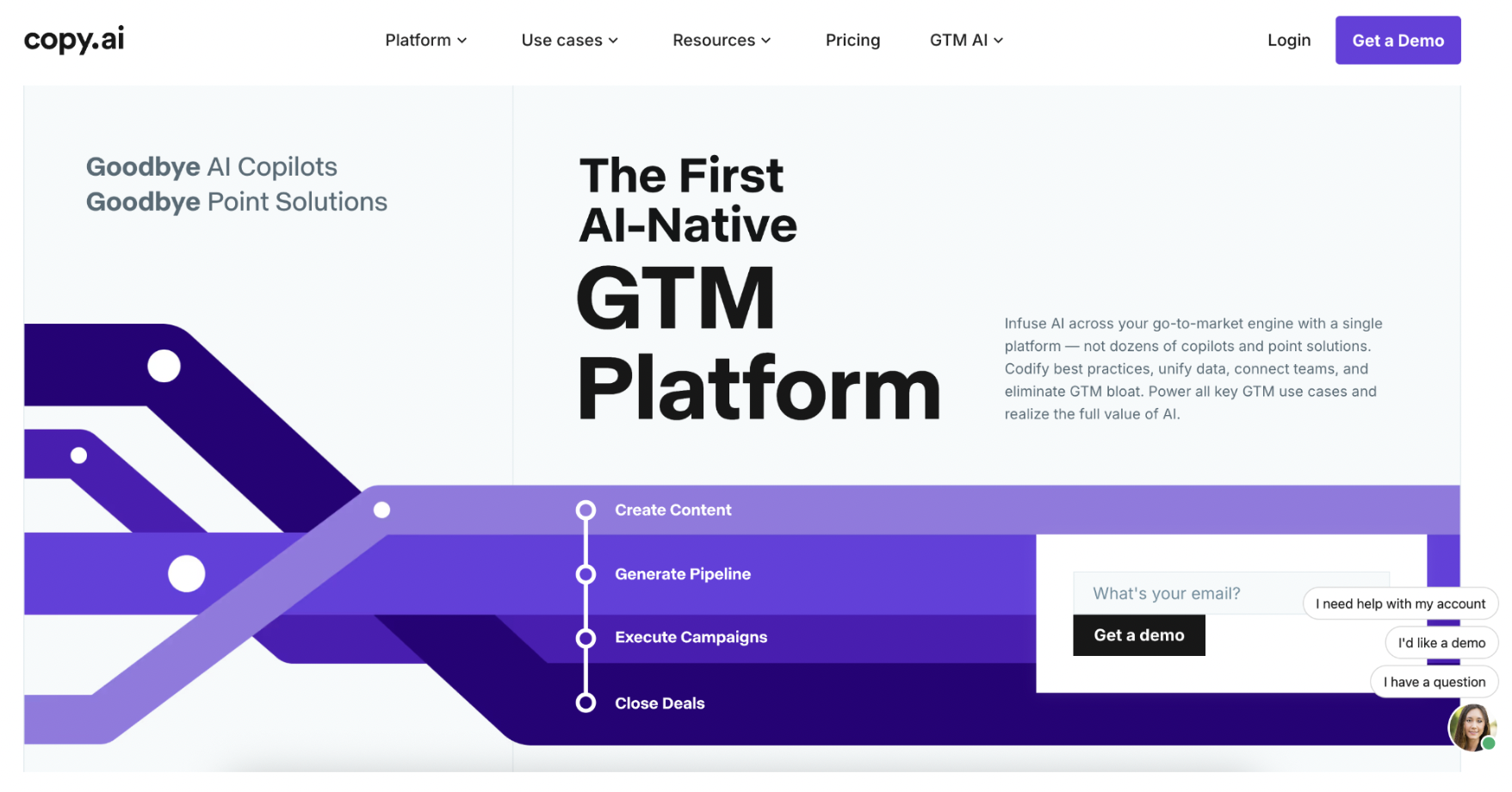
Price: Free tier (2,000 words/month), paid from $36/month
Copy.ai started with short-form ad copy and has expanded into workflow automation. The free plan covers basic chat and template access. The strongest output comes from product descriptions, cold email sequences, and social ad variations. A workflow builder lets you chain steps — research, outline, draft — into a single automated sequence. Long-form blog content can feel thin compared to Claude or ChatGPT.
Best for: e-commerce teams and sales writers who need high-volume short copy.
7. Writesonic
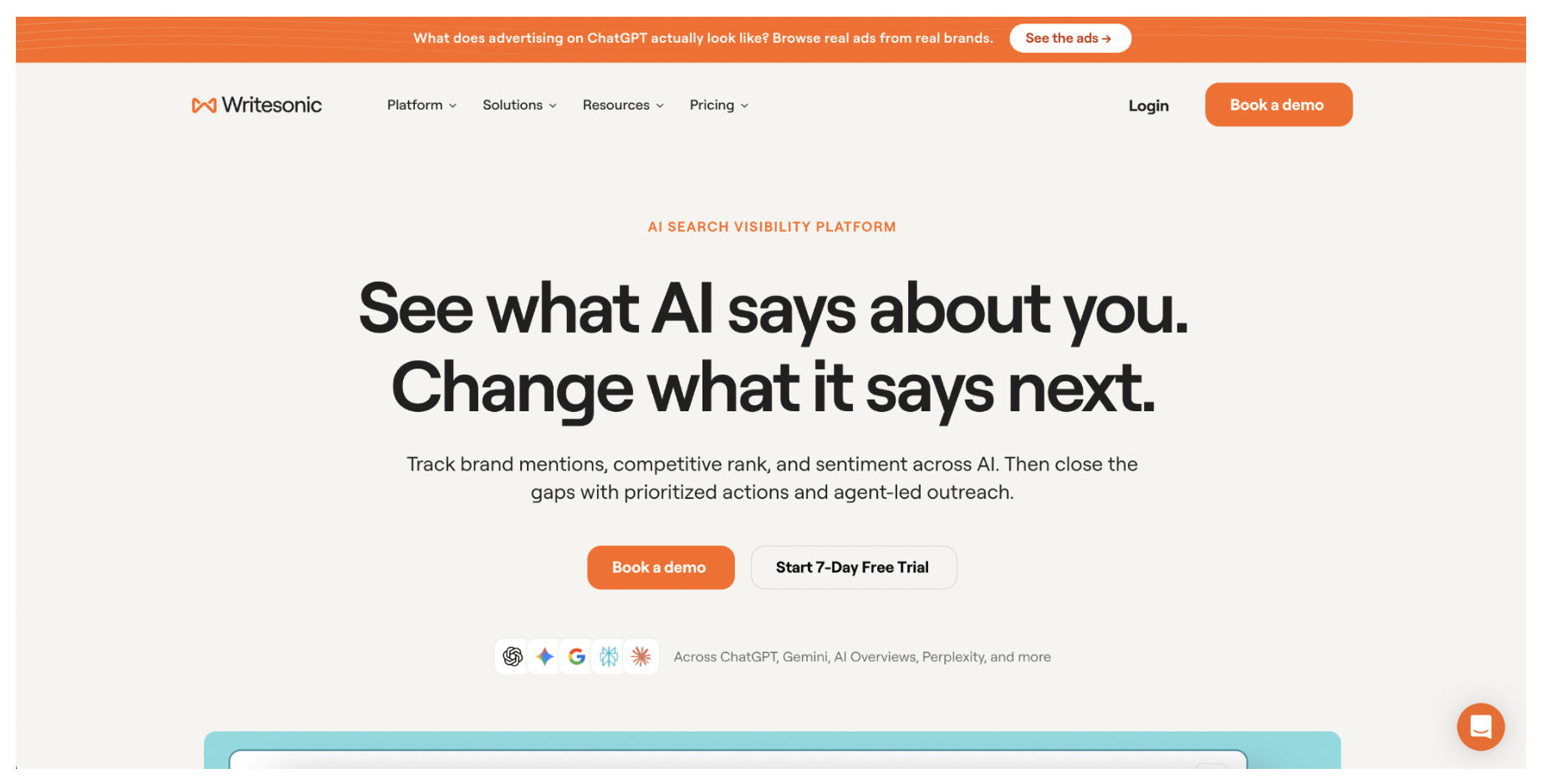
Price: Free tier (25 generations/day), paid from $16/month
Writesonic bundles a chatbot with real-time web access, an article generator, and a built-in SEO scorer. The article writer produces structured posts with headers, intro, and conclusion in one generation. A “factuality” check flags unsupported claims before you publish. At $16/month, the paid tier is among the most affordable on this list for the feature set it includes.
Best for: SEO-focused bloggers who want keyword optimization and content generation in one tool.
8. Mistral
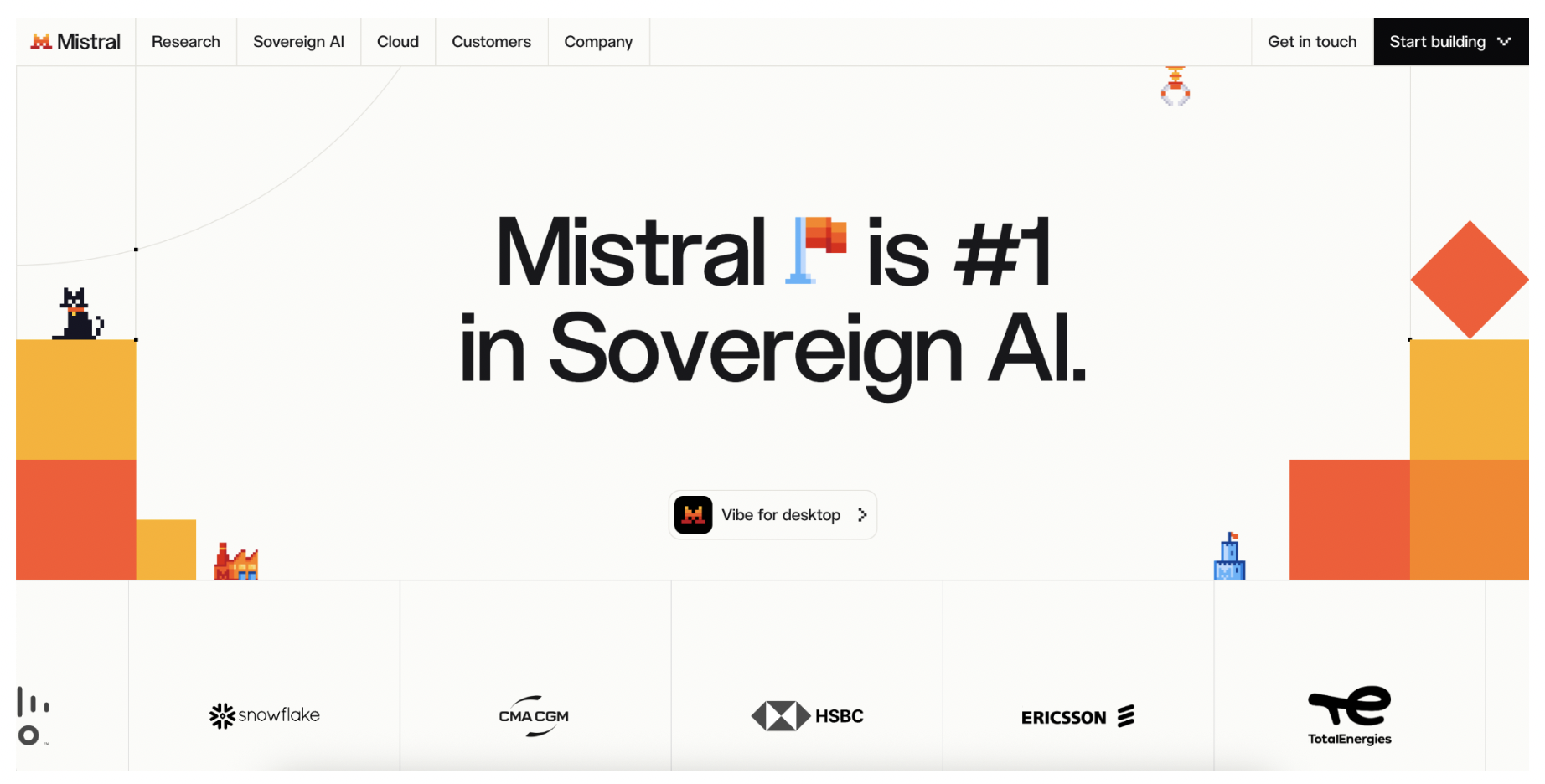
Price: Free web chat (Le Chat), API pricing varies, models downloadable
Mistral is the strongest open-source option here. The company offers hosted API access and downloadable models that run on local hardware. Content teams with strict data privacy requirements can process everything on their own servers. Le Chat, the free web interface, handles standard content tasks at quality close to ChatGPT. The real advantage appears when developers fine-tune a Mistral model on company data for automatic brand voice matching.
Best for: tech-savvy teams that want full control over their AI models and data.
Full Comparison
| Tool | Type | Brand voice | Free tier | Content focus | Starting price |
| Claude | General AI | No | Yes | Long-form editorial | $20/mo |
| GetSolved | Writing assistant + humanizer | No | Yes | Post-production, cleanup | Free / $7.99/mo |
| Gemini | Google-integrated AI | No | Yes | Workspace content | $19.99/mo |
| Perplexity | Research AI | No | Yes | Sourced articles | $20/mo |
| Jasper | Marketing AI | Yes | Trial only | Campaign content | $39/mo |
| Copy.ai | Sales copy AI | Yes | Yes (limited) | Short-form copy | $36/mo |
| Writesonic | SEO writer | No | Yes | Blog posts | $16/mo |
| Mistral | Open-source AI | Via fine-tuning | Yes | Flexible | API-based |
FAQ
What is the best free AI tool for content creation?
GetSolved and Claude both offer functional free tiers. GetSolved requires no account, which makes it the fastest to test. Claude’s free plan provides generous message limits for long-form work.
Are AI writing alternatives as good as ChatGPT?
Several tools match or exceed ChatGPT for specific tasks. Claude produces better long-form content. Perplexity delivers more accurate research. Jasper handles brand consistency more reliably. ChatGPT remains the most versatile general-purpose option.
Which ChatGPT alternative works best for blog posts?
Writesonic for SEO-optimized posts, Claude for editorial long-form, and GetSolved for cleanup and humanization of AI drafts. The best workflow often combines two tools — one for the draft and another for editing.
Can AI detectors tell which tool wrote the content?
Most AI detectors flag patterns common to all large language models. The specific tool matters less than how much the text was edited after generation. Content that goes through a humanization step or manual editing scores significantly lower on detection tests.
Conclusion
ChatGPT is a strong general-purpose AI, but content creation has specific demands that specialized tools handle better. Pick the tool that matches where your workflow breaks down — research, drafting, brand voice, or post-production editing — and test it on a real project before committing to a paid plan.
Editor’s Note: The opinions expressed here by the authors are their own, not those of impakter.com — Cover Photo Credit: Solen Feyissa.