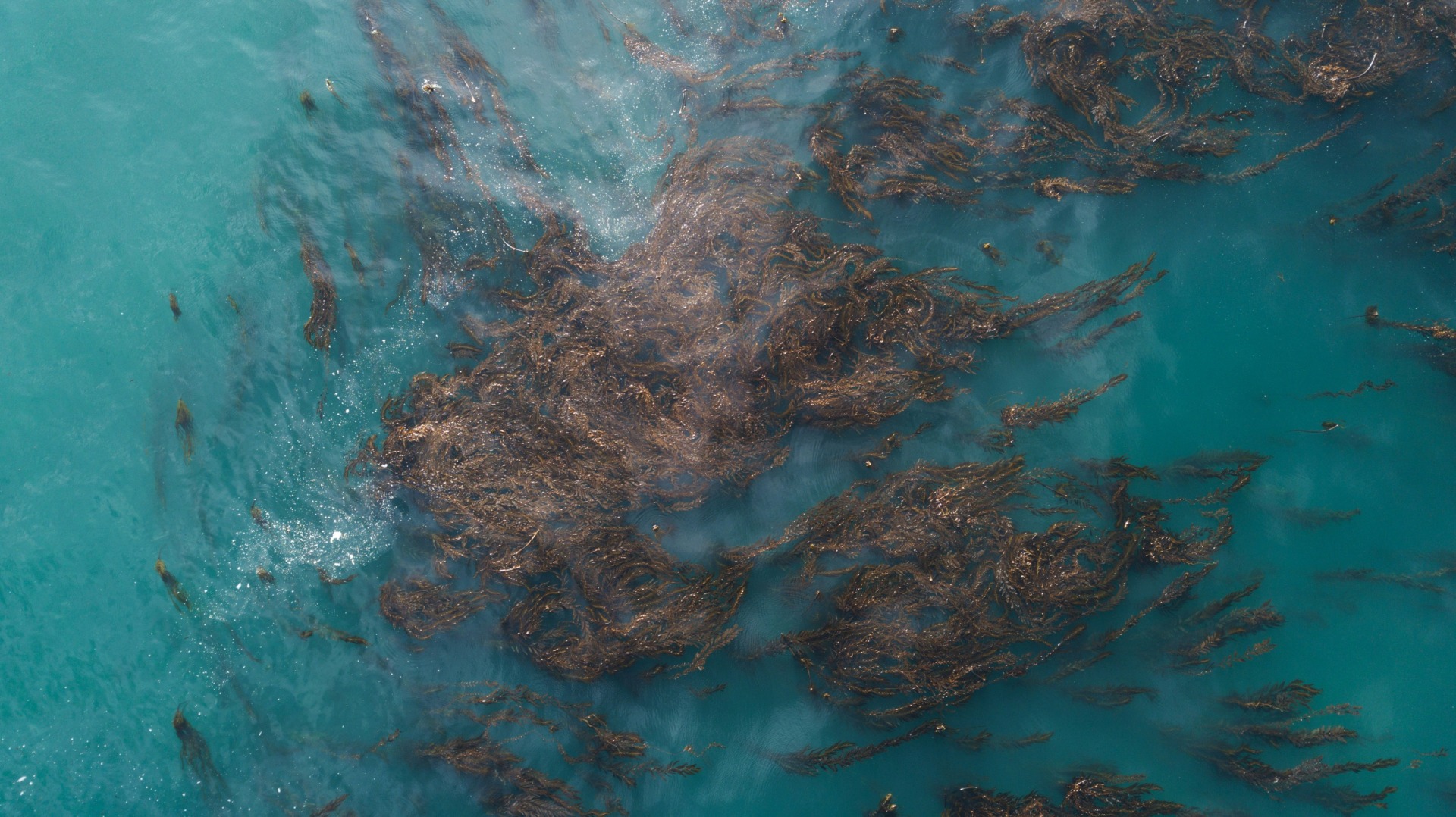
While politicians debate carbon taxes and engineers pitch grand infrastructure projects, seaweed has been quietly converting sunlight into biomass beneath the waves for hundreds of millions of years — tangled around swimmers’ ankles on summer beaches, wrapped around sushi rolls, and, for most of human history, not much else.
That assessment, it turns out, was a dramatic underestimation. Seaweed demands no farmland, no irrigation, no synthetic fertilizer. It outpaces virtually every terrestrial crop in growth rate. Scientists and entrepreneurs are now beginning to understand that this marine plant can do everything from filtering degraded coastlines to displacing petroleum-derived plastics – and the implications extend far beyond the shoreline.
1. Regenerative Aquaculture and Water Quality
Conventional aquaculture carries a complicated environmental ledger. Fish farms discharge nutrient-laden effluent into coastal waters. Shrimp operations have razed mangrove forests across Southeast Asia. Both industries depend heavily on feed inputs and routine antibiotic use. Seaweed cultivation presents something close to an inversion of that picture – requiring no feed, no antibiotics, no freshwater, and actively improving the water quality it operates within rather than degrading it.
The Food and Agriculture Organization of the United Nations’ (FAO) State of World Fisheries and Aquaculture report notes that seaweed now accounts for more than half of global aquaculture production by volume. But volume alone doesn’t capture the ecological significance.
Macro algae function as living bio filters, pulling nitrogen and phosphorus from the water column and mitigating the eutrophication driven by agricultural runoff and inadequately treated wastewater. Perhaps most compelling is integrated multi-trophic aquaculture, which pairs seaweed with finfish or shellfish operations so that nutrients excreted by one species become feedstock for another.
Companies like Next Wave Seaweed in Tasmania are designing these closed-loop systems to absorb the nitrogen and phosphorus output from adjacent finfish farms while generating commercial products and measurably cleaner surrounding water. Few forms of food production can credibly claim to deliver both simultaneously.
2. Seaweed Fertilisers and Soil Enhancement
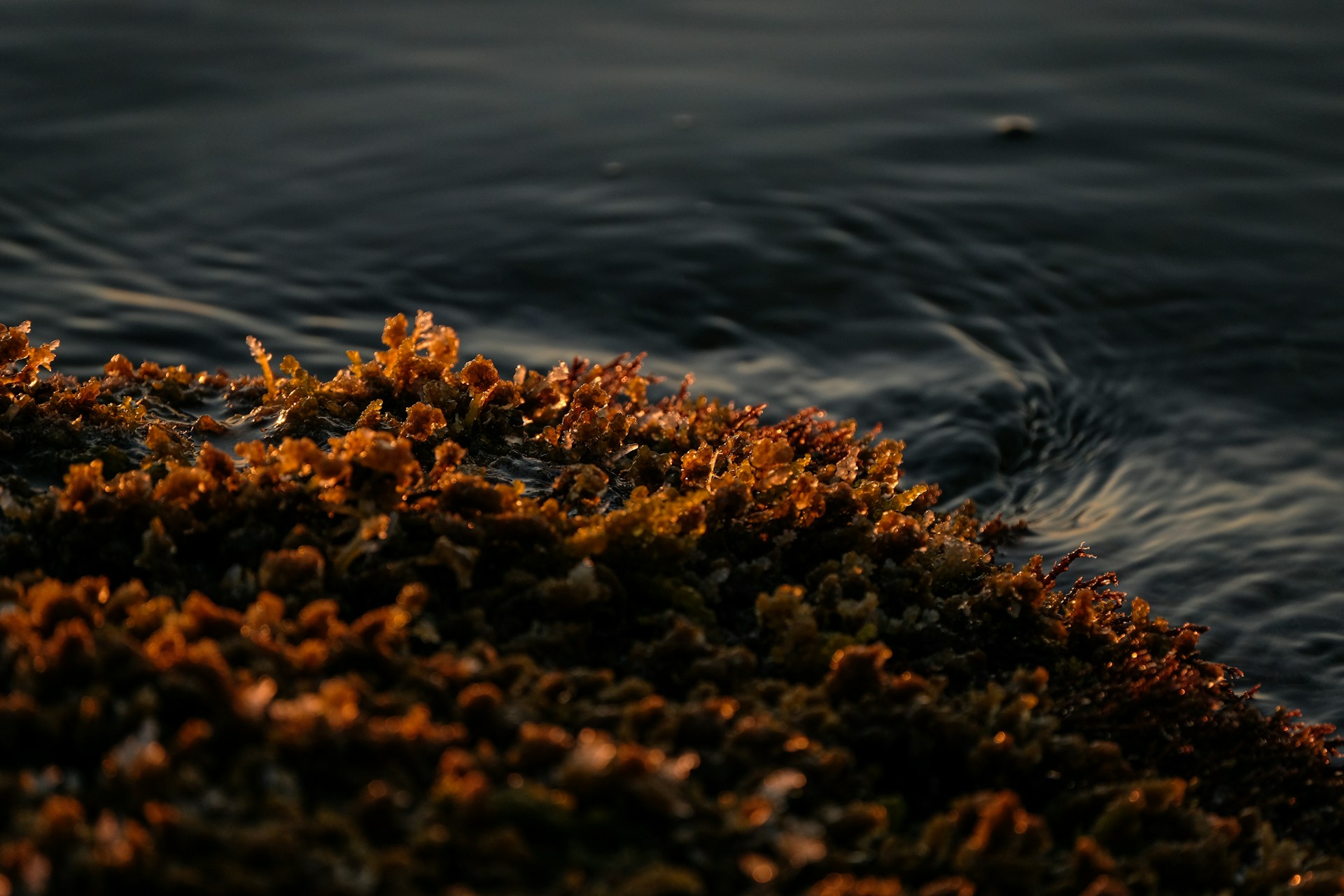
Agricultural soils around the world are showing the strain of decades of synthetic fertiliser dependency — compacted, biologically impoverished, increasingly prone to erosion and moisture loss. Brown seaweeds, particularly kelp species, contain a spectrum of micronutrients, bioactive compounds, and plant growth hormones that address several of these problems at once, improving soil structure and supporting crop resilience with a fraction of the energy cost and greenhouse gas burden associated with conventional fertilizer production.
Research published in Frontiers in Soil Science documents improvements in soil microbial diversity, water retention, and stress tolerance following seaweed extract application. Farmers applying these products to tomatoes, potatoes, and leafy greens across India, the United States, and Europe have reported gains in growth rates, disease resistance, and yield.
Companies such as Acadian Plant Health and Ocean Organics have built substantial product lines from North Atlantic kelp, now widely used across both conventional and certified organic operations. The resource base lies in the ocean, competing for neither freshwater nor arable land — a structural advantage that distinguishes it from most agricultural inputs.
3. Biodegradable Materials and Plastic Alternatives
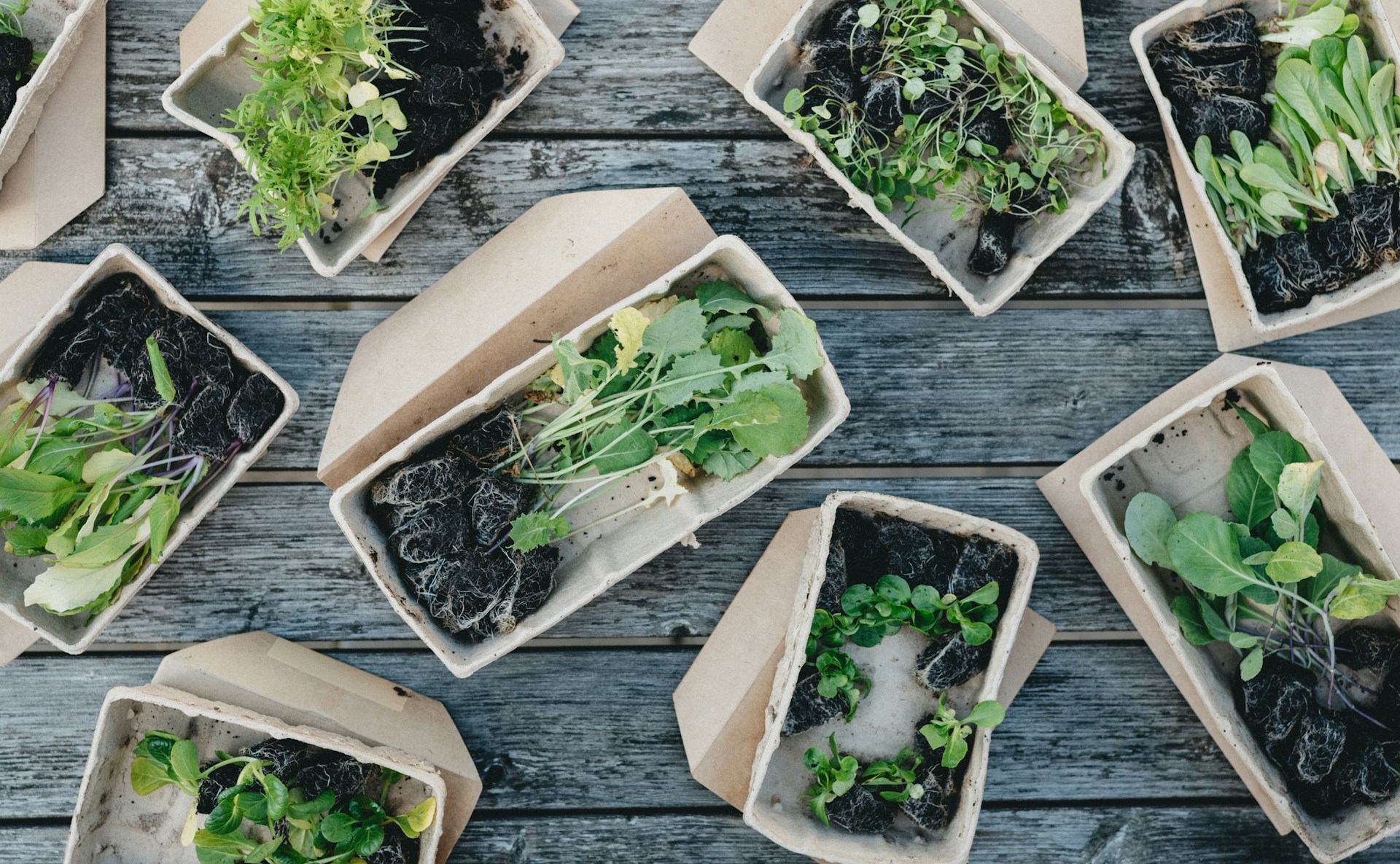
Single-use plastics resist clean solutions. Regulatory approaches move slowly. Crop-based bioplastics carry their own environmental costs — land use, water consumption, fertilizer inputs — that can make them only marginally preferable to petroleum-derived alternatives. Seaweed-based materials sidestep these complications.
London-based Notpla has developed packaging films and coatings from seaweed polymers that biodegrade without industrial composting infrastructure, while avoiding the farmland and freshwater demands that undercut terrestrial bioplastics. Startups like Sway and Loliware are pushing the application range further, from flexible packaging films to tableware, with Sway already partnering with brands including J.Crew and Burton.
Genuine challenges remain — moisture resistance is a known limitation and production costs haven’t reached parity with virgin plastic — but the underlying logic holds. Seaweed yields functional materials with minimal input requirements and minimal environmental residue.
Related Articles
Here is a list of articles selected by our Editorial Board that have gained significant interest from the public:
4. Blue Carbon and Climate Mitigation Potential
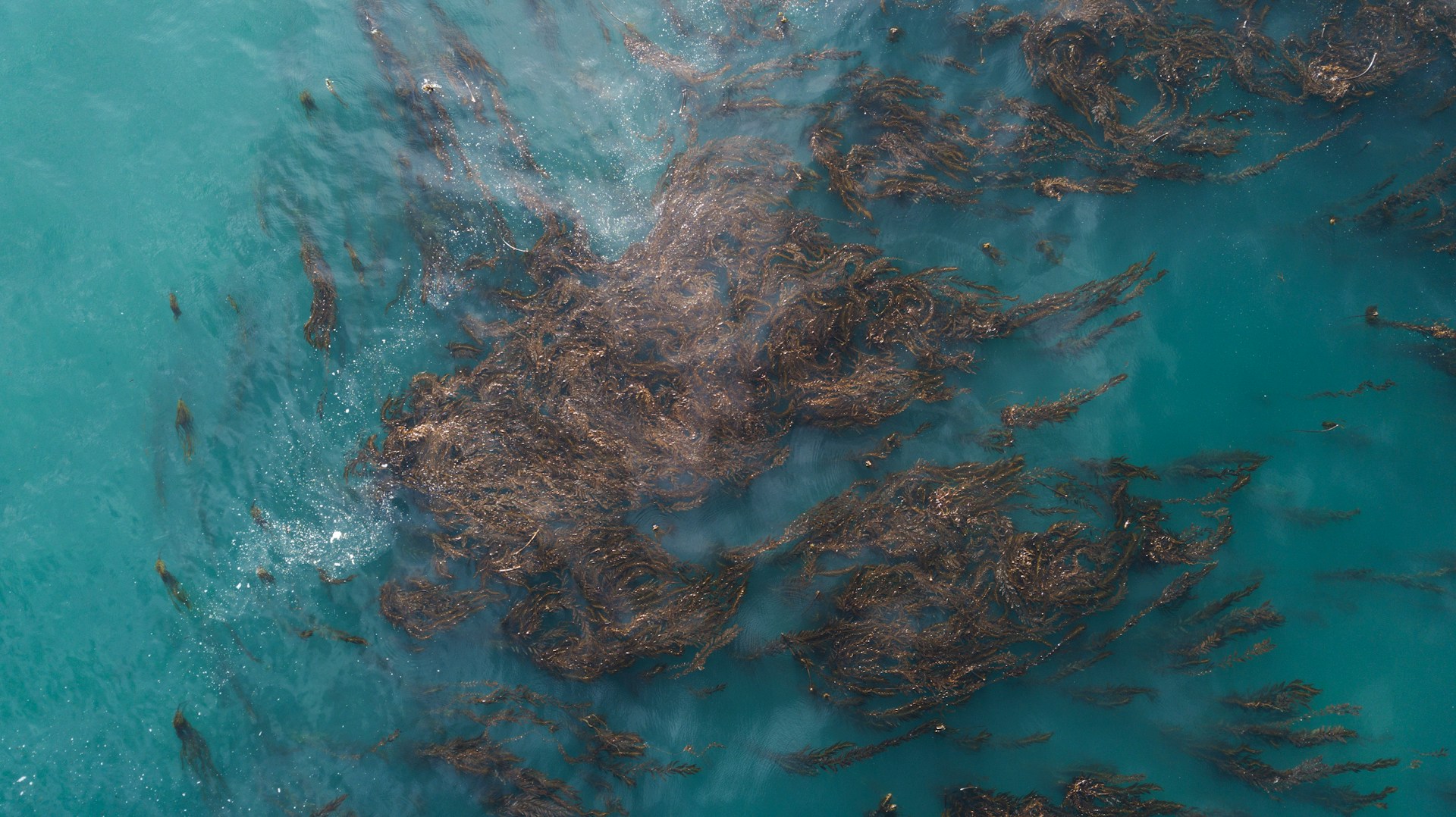
Seaweed’s relationship to the carbon cycle is where enthusiasm tends to outrun the science. Macro algae collectively fix hundreds of millions of tonnes of carbon annually, and research in Nature Geoscience suggests that on a per-area basis, seaweed productivity rivals that of terrestrial forests. This has attracted interest in large-scale cultivation as a carbon removal strategy. Running Tide pursued a model in which harvested seaweed was sunk to the deep ocean to sequester carbon over geological timescales, though the company abandoned that approach in 2024.
A 2022 review of ocean-based carbon dioxide removal offers a more measured assessment. Only a small proportion of the carbon seaweed absorbs remains stored on climate-relevant timescales, and questions persist about ecosystem effects and the difficulty of robust carbon accounting. The stronger case, many researchers now argue, lies in displacement rather than direct capture.
Every application of kelp-based fertilizer that replaces synthetic nitrogen avoids the substantial emissions embedded in the Haber-Bosch process. Every tonne of seaweed-derived packaging that displaces conventional plastic keeps fossil carbon in the ground. These effects are measurable and verifiable without contested assumptions about deep-ocean dynamics.
5. Industrial Applications Across Multiple Sectors
The range of seaweed applications keeps expanding. Keel Labs, formerly AlgiKnit, is producing fibres from kelp-derived polymers as alternatives to petroleum-based textiles, having raised $13 million in 2022 to scale yarns that can be knit into garments and composted at end of life.
In healthcare and personal care, seaweed-derived alginates appear in wound dressings, cosmetics, and menstrual products, valued for their absorbency, biocompatibility, and antimicrobial properties. That versatility, however, introduces complications the sector hasn’t fully resolved. Rising demand raises legitimate questions about responsible cultivation at scale. Seaweed farms can conflict with fishing fleets, impede shipping lanes, and encroach on sensitive areas. And the question of equitable access — particularly for coastal communities that have harvested seaweed for generations and risk being sidelined as outside capital moves in — remains unanswered.
Conclusion: Every Little Kelps
Seaweed won’t solve climate change alone, but neither will solar panels, electric vehicles, or indeed any single intervention. What distinguishes it is an unusual combination of qualities: multiple applications addressing multiple problems, without any of the trade-offs that typically accompany resource-intensive solutions.
It has been performing these services quietly, without institutional support or public recognition, for as long as coastal ecosystems have existed. Alas, scientific and commercial communities are only now beginning to take seriously its potential beyond the sushi counter. Given the scale of the challenges ahead, this long-overdue correction is a welcome one.
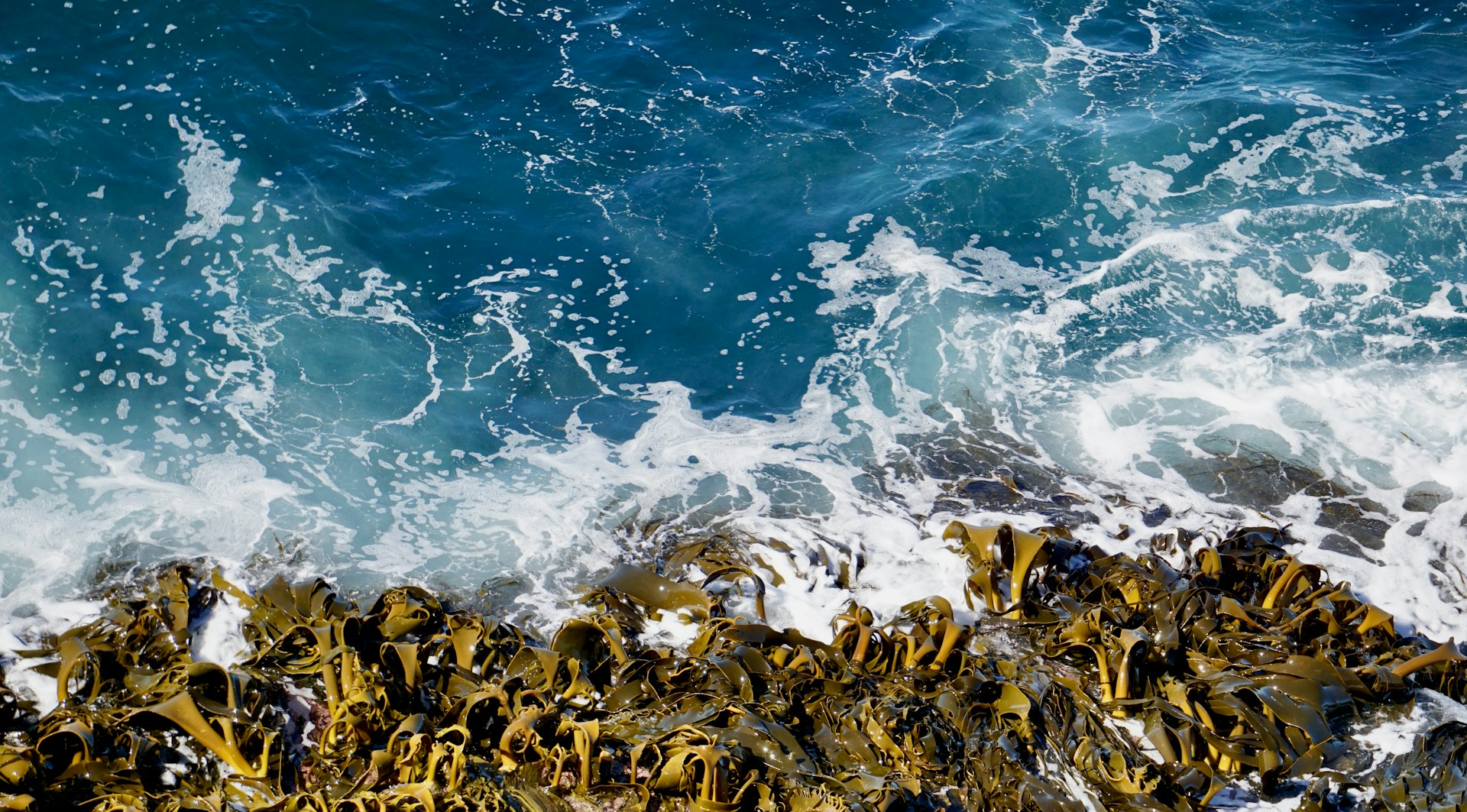
Editor’s Note: The opinions expressed here by the authors are their own, not those of Impakter.com — In the Cover Photo: kelp forest. Cover Photo Credit: Mac Gaither.