Impakter
  • Environment
    • Biodiversity
    • Climate Change
    • Circular Economy
    • Energy
  • FINANCE
    • ESG News
    • Sustainable Finance
    • Business
  • TECH
    • Start-up
    • AI & Machine Learning
    • Green Tech
  • Industry News
    • Entertainment
    • Food and Agriculture
    • Health
    • Politics & Foreign Affairs
    • Philanthropy
    • Science
    • Sport
  • Editorial Series
    • SDGs Series
    • Shape Your Future
    • Sustainable Cities
      • Copenhagen
      • San Francisco
      • Seattle
      • Sydney
  • About us
    • Company
    • Team
    • Global Leaders
    • Partners
    • Write for Impakter
    • Contact Us
    • Privacy Policy
No Result
View All Result
Impakter logo
No Result
View All Result
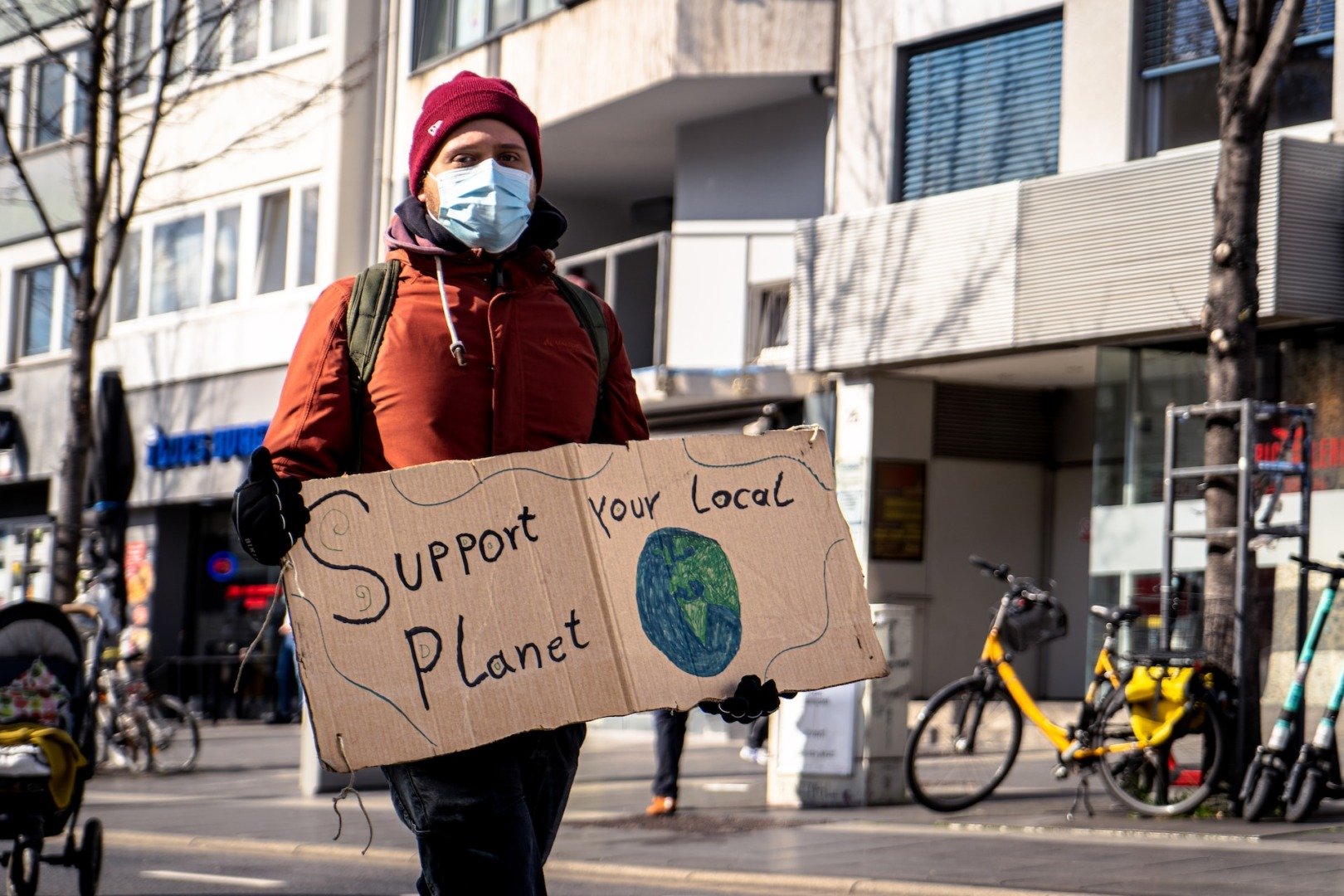
A protester marching with a sign.

5 Climate Breakthroughs in 2023

From the America's IRA to the EU's anti deforestation measures, here are some of the most important climate breakthroughs in 2023

Diana CrocebyDiana Croce
January 5, 2024
in Climate Change
0

Popular wisdom says that it’s easy to focus on the negatives. In 2023, it might have been easier than ever as climate change and El Niño made it the hottest year on record. It was also a year of extreme weather events that caused at least 12,000 deaths globally and COP28, which carried a lot of expectations but ended without enough positive for experts to say.

But 2023 was also a good year for climate advocacy. Some of the regulations passed during the year might help make our economy more sustainable. And new international collaborations might bring a more global perspective on climate change.

Time will tell how important those breakthroughs will be. For now, here are the most important climate change advances in 2023.

First effects of the Inflation Reduction Act

The Inflation Reduction Act was passed back in August of 2022. But it wasn’t until the start of 2023 that we saw it go into effect. At $370 billion, the IRA is the biggest climate investment ever made by a single country.

One of the stated goals of the IRA is to reduce carbon emissions by 40% before 2030. Another is to make it easier for most Americans to afford an electric vehicle. The details are complex, as they need to be. But here’s a simple example: Qualified individuals will receive up to $7,500 in tax credits following the switch to an electric vehicle.

Climate lawsuits multiplied throughout the year

From producers of forever chemicals to single-use plastic makers, 2023 was a year of massive lawsuits against big polluters. A key aspect here is how common they’re starting to become.

In the last ten years or so, PFAS producer DuPont has accrued over 6,000 lawsuits.

More recently, in November, New York State sued PepsiCo for its indiscriminate use of single-use plastic. The company was named one of the area’s worst polluters, especially on the Buffalo River. And just one week prior, several food companies were sued for their allegedly false claims about using recycled plastic.

In 2023, the European Consumer Organization sued Danone, Nestlé, and Coca-Cola for their allegedly misleading claims on recycling. While the companies claim that their single-use plastic is entirely recycled and recyclable, the truth could be very different.

Commenting on the accusations, all three companies noted that they are progressing toward sustainability. Noticeably, none of them argued that their bottles were infinitely recyclable, which is the misleading rhetoric they are accused of.

Ocean protection treaties now aim for 30% by 2030

Until recently, only 1% of high waters, the oceans that lie outside of any country’s jurisdiction, were protected by international treaties.

In 2023, after almost two decades of talks, the United Nations (UN) countries agreed on a legally binding, High Seas Treaty to expand coverage to 33% by 2030 and protect marine life in the high seas.


Related Articles: Top-Funded Startups in 2023: The Sustainable vs Business-as-Usual | How to Describe 2023 in Two Words? Global Boiling | COP28: Our Biggest Failure in 2023

It’s important to remember that, for now, the treaty is just a promise. It will come into effect once 60 countries write the proposal into law, but it’s still unclear what the details will be. The objective is to rationalize and share ocean resources, but that’s easier said than done.

The EU increased anti-deforestation measures

Indirectly, and mostly outside Europe. As a result of the regulation, some agricultural products must prove they didn’t contribute to deforestation before being sold. The Bloc is one of the biggest importers of deforestation-derived goods, second only to China. That’s why legislation like this has the opportunity to change things.

This anti-deforestation regulation seeks to guarantee that products on EU markets don’t contribute to deforestation. To do this, many agricultural products that come from recently deforested land or contribute to deforestation can’t be imported or exported.

According to the EU, the regulation will reduce carbon emissions by 32 million metric tons every year. The deforestation regulation also protects forests from degradation. It does this regardless of the laws of the country in which it is produced.

Many large agricultural exporters don’t have laws against deforestation, and some estimate that 30% of agricultural deforestation is legal.

Loss and damage fund launched at COP28

In a smaller-than-needed win for climate justice, countries at COP28 agreed to finally launch the loss and damage fund. The areas around the world where the impacts of climate change have been felt the most are often poor and not highly industrialized. Meanwhile, the countries that contribute the most are the ones that became rich in part thanks to their heavily polluting industries.

The loss and damage fund aims to help the countries most affected by climate change to recover from its impacts.

In Bangladesh, another relief fund has already done the same thing. Like in many other places, climate change in Bangladesh is projected to get much worse. Over 13 million people might be displaced by 2050.

So far, around USD 700 million has been pledged. While this is a massive sum, it’s not nearly enough to deal with the increased damage caused by climate change.


Editor’s Note: The opinions expressed here by the authors are their own, not those of Impakter.com — In the Featured Photo: A protester marching, carrying a sign. Featured Photo Credit: Mika Baumeister.

Tags: Climate breakthroughsClimate ChangeInflation Reduction ActIRA
Previous Post

Starbucks Is Now Accepting Reusable Cups for Nearly All Orders in the US

Next Post

How Empowering Kids Can Help Protect Them From Abuse

Related Posts

Bill Gates memo
Climate Change

Climate, Gates and COP30

Bill Gates’ recent article on the “three tough truths” of the ongoing environmental changes makes an essential point: we must...

byJosé Graziano da Silva - Former Director-General at FAO, Founder and Director of the Instituto Fome Zero, and Professor Emeritus at the University of Campinas
November 12, 2025
The Amazon rainforest is often called “the lungs of the world.” It produces oxygen and stores billions of tons of carbon every year. The Amazon rainforest covers more than 60% of the landmass of Peru. Photo Credit: USDA Forest Service / Diego Perez.
Biodiversity

Inside COP30

The 30th United Nations Climate Change Conference (COP30) is taking place in Belém, Brazil, from November 10 to 21, 2025....

byInternational Institute for Sustainable Development (IISD)
November 10, 2025
ESG news regarding U.S. absence from the COP30 climate summit, Europe’s role in the U.S. absence, new euro zone loan pricing, and countries suffering from global warming speak at COP30
Business

COP30 Without the U.S.

Today’s ESG Updates Global Climate Talks Proceed Without U.S. Leadership: Lack of U.S. representatives at the UN’s COP30 talks in...

bySarah Perras
November 10, 2025
From Caves to COP30: Comparing the Neanderthals and Modern Humans
COP30

From Caves to COP30: Comparing the Neanderthals and Modern Humans

There is much positive to be said about life in this twenty-first century; we live longer and have multiple technologies...

byRichard Seifman - Former World Bank Senior Health Advisor and U.S. Senior Foreign Service Officer
November 9, 2025
climate change and food
Biodiversity

COP30: Climate Extremes Are Already Impacting Food Yields Today

The 30th United Nations Climate Change Conference (COP30), taking place in Belém, Brazil, brings together world leaders, scientists, non-governmental organizations, and...

byThe Food and Agriculture Organization of the United Nations (FAO)
November 7, 2025
Baler Compactors
Circular Economy

Compressing Waste, Expanding Impact: How Baler Compactors Advance Corporate Sustainability

It is easy to see the glitzy side of sustainability. Solar panels, windmills, electric fleets. But there’s more to sustainability...

byHannah Fischer-Lauder
October 29, 2025
COP30
Climate Change

What to Expect at COP30

Climate change negotiators will soon head to the 30th UN Climate Change Conference (COP30) in Belém, Brazil, after a year...

byInternational Institute for Sustainable Development (IISD)
October 22, 2025
Plastic pollution coral reefs
Biodiversity

Protecting Coral Reefs From Plastic Pollution: The IUCN Congress as a Catalyst for Action and Collaboration

This week, the International Union for the Conservation of Nature (IUCN) sees its World Conservation Congress kick off in Abu...

byJanne van Eerten - Sr. Global Public Affairs Manager at The Ocean Cleanupand1 others
October 8, 2025
Next Post
Keeping kids safe from abuse isn’t about teaching “stranger danger” or “tricky people.” It’s far less simplistic.

How Empowering Kids Can Help Protect Them From Abuse

Recent News

ESG news regarding weakened EU sustainability laws, new metal-fuel funding, legal challenges to California climate rules, and Germany scaling back gas capacity plans.

Europe Retreats: Lawmakers Slash Corporate Climate Obligations

November 14, 2025
nature finance

New Tested and Scalable Investment Model Can Unlock Billions in Much-Needed Financing for Nature

November 14, 2025
food waste

COP30: UNEP Launches New Initiative to Halve Food Waste by 2030

November 14, 2025
  • ESG News
  • Sustainable Finance
  • Business

© 2025 Impakter.com owned by Klimado GmbH

No Result
View All Result
  • Environment
    • Biodiversity
    • Climate Change
    • Circular Economy
    • Energy
  • FINANCE
    • ESG News
    • Sustainable Finance
    • Business
  • TECH
    • Start-up
    • AI & Machine Learning
    • Green Tech
  • Industry News
    • Entertainment
    • Food and Agriculture
    • Health
    • Politics & Foreign Affairs
    • Philanthropy
    • Science
    • Sport
  • Editorial Series
    • SDGs Series
    • Shape Your Future
    • Sustainable Cities
      • Copenhagen
      • San Francisco
      • Seattle
      • Sydney
  • About us
    • Company
    • Team
    • Global Leaders
    • Partners
    • Write for Impakter
    • Contact Us
    • Privacy Policy

© 2025 Impakter.com owned by Klimado GmbH