With the 2026 Winter Olympics currently underway in Italy, athletes from around the world are worried about the Games’ future. Specifically, they are concerned that fossil fuels threaten the Olympic dream.
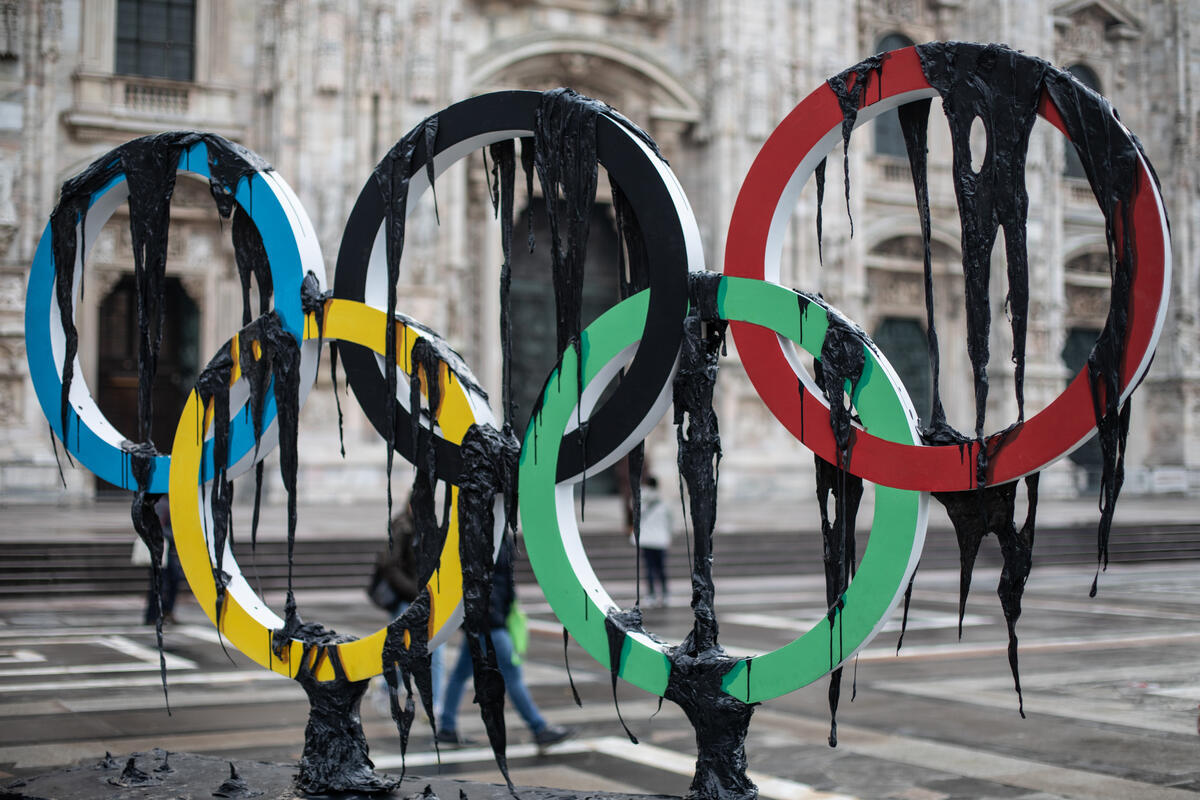
In an open letter dated February 9, 2026, 88 Olympians and 53 aspiring athletes have urged the International Olympic Committee (IOC) to end partnerships with fossil fuel companies, pointing out that such sponsorships threaten the future of winter sports and contradict the IOC’s own sustainability commitments.
The letter illustrates a harsh reality of the impact of climate change: “For over a century, the Olympics have represented the ultimate dream for athletes. But right now, that dream is dissolving as a result of climate change. By 2050, only a handful of the classic Winter Olympic venues will remain viable hosts, and many of the slopes we train and compete on are vanishing.”
Environmental impact
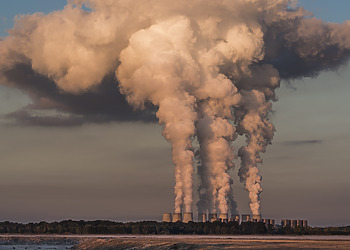
Fossil fuels, responsible for nearly 70% of global greenhouse gas emissions, are the largest contributor to climate change. The athletes draw attention to a massive “production gap” — governments and corporations plan fossil fuel output for 2030 that is 120% higher than what scientists deem safe for net-zero emissions by 2050. These companies use the prestige of Olympic sponsorship to greenwash their role in the crisis, distracting from the harm they cause, the letter argues.
The Winter Games themselves are projected to emit 930,000 tons of CO2, excluding sponsor-related emissions. Three major sponsors (Eni, Stellantis, and ITA Airways) are expected to generate an additional 1.3 million tons of CO2. These three sponsors will more than double the Games’ carbon footprint, and it’s equivalent to the loss of 5.5 square kilometers of snow loss.
Eni, the Italian oil and gas giant, is the biggest polluter. Its sponsorship alone is linked to approximately 693,000 tons of CO2, which could melt 11 million tons of glacier ice and erase 1.7 square kilometers of snow. Stellantis, the automaker, and ITA Airways, the national airline, add to the burden through the high-emission nature of their industries.

Action points
In their letter, the athletes joined 450 Olympians who urged IOC President Kirsty Coventry to make planetary care an “absolute priority.” The letter offers four specific action points for protecting the future of the Olympic Games, requesting that the IOC:
- Establishes a formal dialogue with athlete representatives
Inviting a delegation of the undersigned athletes to present their position to the IOC Sustainability and Legacy Commission and the IOC Executive Board.
- Grounds this dialogue in science and athlete experience
Ensuring that decisions are guided by independent climate science and by the lived experience of winter sport athletes, in line with the IOC’s stated climate commitments.
- Adopts a clear sponsor eligibility policy excluding fossil fuel companies
Developing and formally adopting an IOC policy that defines fossil fuel companies as ineligible for Olympic sponsorships, comparable to the existing ban on tobacco sponsorship
- Integrates this policy into IOC’s strategic framework
Embedding this position explicitly within the IOC’s Fit for the Future framework, ensuring consistent application across future Olympic Games.
Related Articles
Here is a list of articles selected by our Editorial Board that have gained significant interest from the public:
Worries about the future

The letter came just days after Greenpeace Italy released a video condemning the “absurd” partnership with Eni. As athletes write: “As our winters melt, summer athletes are simultaneously being pushed to their physical limits by record-breaking heatwaves that gamble with athlete health. We believe it is a contradiction to celebrate human achievement while being funded by the industry that threatens the fundamental conditions, from reliable snow to safe temperatures, upon which all Olympic sports depend.”
The 2022 Beijing Games relied entirely on artificial snow due to poor natural coverage. They were the first Winter Olympics to do so. The 2026 Games in Cortina face similar issues.
The Summer Games, meanwhile, faced another kind of climate change challenge: the 2024 Paris Olympics saw temperatures hit 40°C, with average summer temperatures having risen 3.1°C since the 1924 Paris Olympics. According to a study by the University of Brighton, higher temperatures at the 2014 Winter Olympics in Sochi, Russia, were among the causes of injuries among Paralympic athletes.
A Novus poll for the New Weather Institute found that 77% of Italians and 83% of French people believe winter sports should stop promoting emission-intensive companies. In the UK, 77% support a ban on such sponsorships.
In the letter, the athletes remind us how in the past the IOC took a stand for public health, banning tobacco sponsorships permanently. In 1988, the Calgary Winter Games became the first “smoke-free” Olympics.
“The Olympic movement has faced such a moral crossroads before,” the letter notes. “Just as tobacco was deemed incompatible with the physical health of athletes, fossil fuels are fundamentally incompatible with the survival of our sports.”
The IOC has tools at its disposal. Its Fit for the Future framework includes a Commercial partnerships and Marketing Working Group could enforce sponsor eligibility criteria.
Editor’s Note: The opinions expressed here by the authors are their own, not those of impakter.com — Cover Photo Credit: Greenpeace / Max Cavallari