Impakter
  • Environment
    • Biodiversity
    • Climate Change
    • Circular Economy
    • Energy
  • FINANCE
    • ESG News
    • Sustainable Finance
    • Business
  • TECH
    • Start-up
    • AI & Machine Learning
    • Green Tech
  • Industry News
    • Entertainment
    • Food and Agriculture
    • Health
    • Politics & Foreign Affairs
    • Philanthropy
    • Science
    • Sport
  • Editorial Series
    • SDGs Series
    • Shape Your Future
    • Sustainable Cities
      • Copenhagen
      • San Francisco
      • Seattle
      • Sydney
  • About us
    • Company
    • Team
    • Global Leaders
    • Partners
    • Write for Impakter
    • Contact Us
    • Privacy Policy
No Result
View All Result
Impakter logo
No Result
View All Result
renewables

Why the World Is Switching to Renewables Faster Than Anyone Expected

IISD renewable energy expert, Tara Laan, explains how renewables became the world’s cheapest power source, what that means for energy security, and what the next phase of the transition will require

International Institute for Sustainable Development (IISD)byInternational Institute for Sustainable Development (IISD)
January 27, 2026
in Energy
0

How do you explain the boom in solar energy we’re seeing today?

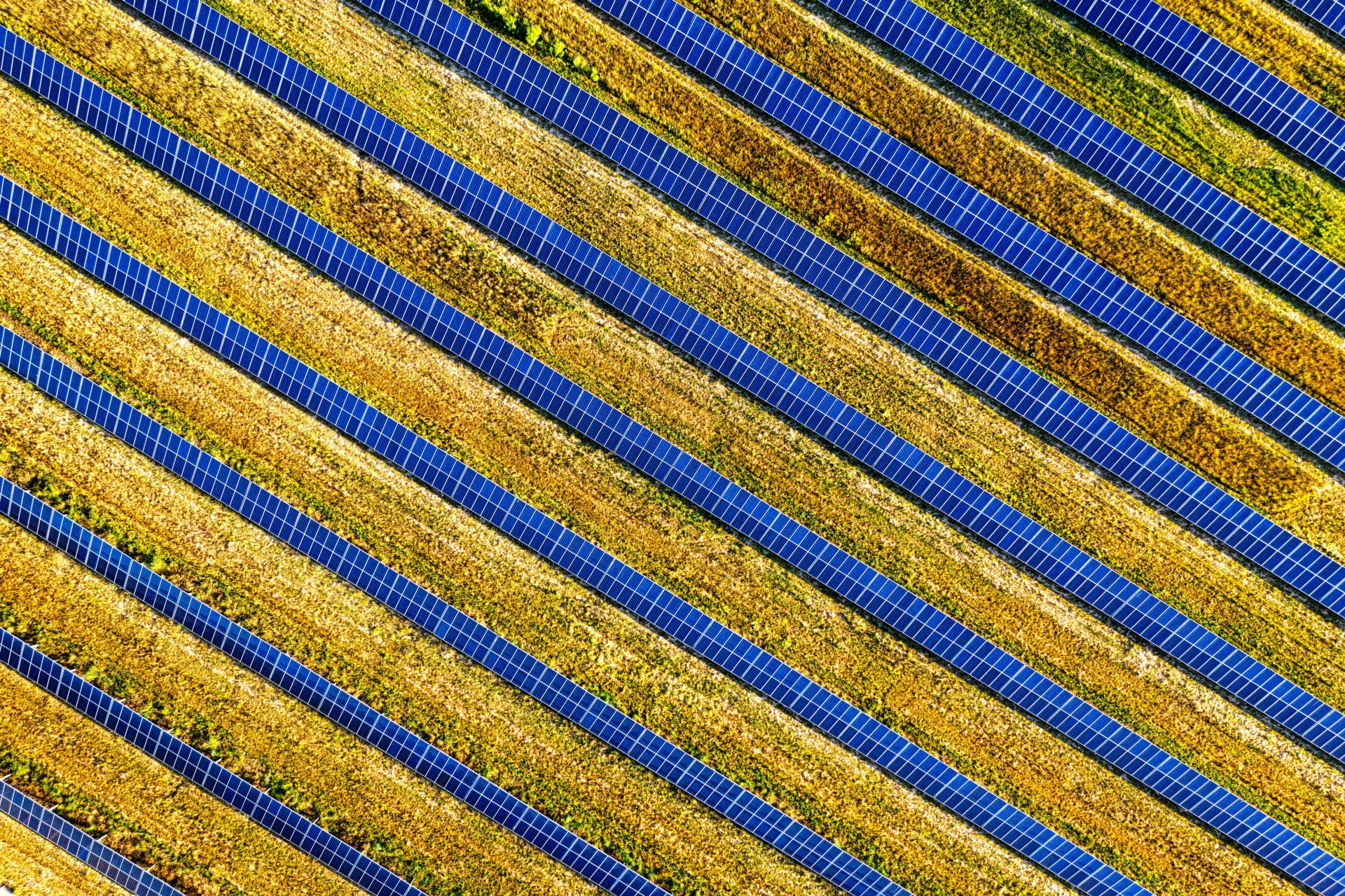
Renewables are scaling fast because it’s become affordable and quick to deploy. In 2025, utility-scale photovoltaic solar was in the ~USD 38–78/MWh range, which explains why solar keeps winning new-build decisions in many contexts. As more countries install solar and wind, costs and scale reinforce each other — a virtuous cycle. For example, in the European Union (EU), renewables overtook fossil fuels in the electricity mix. The next phase is about integration: grids, flexibility and storage so renewables can keep growing reliably.

The big issue now isn’t generation — it’s integration.

Has this actually changed the global climate outlook?

Yes, and this part often gets overlooked. We think there’s been no progress on climate change, and politically, that’s often true, but if you look at the energy data, the story is more nuanced.

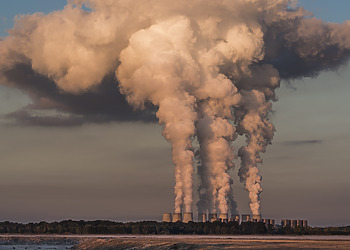
About 10 years ago, we were looking at around 3.5°C degrees of warming based on existing policies and pledges. Now we’re closer to around 2.6°C. That’s largely because the massive coal build-outs that were once expected never happened. In the last 10 years, over 60 countries scaled back their planned coal expansions or removed coal power entirely from their future energy strategies.

Instead, renewables took off, accounting for over 92% of total power expansion in 2024. That’s because public support drove down costs, and once renewables became cheap, countries started choosing them over coal.

It’s not enough, but it’s still a big shift.

How much is energy security shaping clean energy policy now?

A lot. There’s been a big shift.

Renewables are now recognized for their capacity to diversify energy supply and — once installed — provide a domestic source of energy that is not reliant on imports or volatile fuel markets. Even if price hikes or trade disruptions occur for components, they only impact new capacity, not existing systems.

For example, renewables helped moderate the EU’s energy crisis that followed Russia’s invasion of Ukraine. Without its wind and solar power capacity, the EU would have needed 993 TWh (94 bcm) more gas from 2022 to 2023 alone, costing EUR 135 billion and increasing reliance on Russia.

In Pakistan, consumers are taking matters into their own hands and installing record levels of rooftop solar, driven partly by problems with the grid. This has reduced the country’s heavy reliance on expensive, imported fossil fuels, but the transition needs to be carefully managed to ensure grid stability.

Energy transitions are never just about economics — they’re political.

If, as we said, the price is not a barrier anymore, what’s still holding renewables back from fully taking over?

The big issue now isn’t generation — it’s integration.

Countries don’t really need to subsidize solar and wind anymore. What they need to support are grids, storage, and technologies that balance power in the short and long terms. They also need to stop subsidizing fossil fuels, which distorts the market.

We’re changing an entire energy system from centralized base-load fossil generation to distributed and variable generation. And higher proportions of variable renewables require more interventions to ensure reliability, like batteries and other forms of balancing and storage.

This is especially hard for developing countries. If your whole system is built around coal power flowing from a power station to businesses and households, switching to renewables in new locations with new storage needs is extremely expensive, requiring massive investments in grids. Even rooftop solar can be expensive to integrate, requiring upgrades to local electricity connections and networks. Supporting poorer countries to make this transition is the challenge and responsibility of richer countries over the coming decades.

Related Articles

Here is a list of articles selected by our Editorial Board that have gained significant interest from the public:

  • A Record Year for Solar Power in Europe: Is Our Renewable Energy Future Closer Than Expected?
  • Osmotic Power: A New Frontier in Renewable Energy?
  • Decarbonising the Energy Sector

What do you see as the next major phase of the clean energy transition?

Two big things.

First, we’re going to see much more support for diversifying critical mineral and rare earth supply chains. These materials are essential not just for clean energy, but for a lot of modern technologies.

Second, there will be a shift in what governments support. Less money for generation, more for integration: grids, storage, and flexibility.

For lower-income countries, this is going to be a huge challenge. There will need to be a lot more international public finance. Otherwise, they simply won’t be able to afford the transition.

Are we at a point where the shift to clean energy is irreversible?

In many ways, yes.

We have already passed tipping points for key technologies, including battery storage, wind, solar, and electric vehicles. But challenges remain in plenty of sectors, like aviation and heavy industries.

And energy transitions are never just about economics — they’re political. Some countries are still pouring money into fossil fuels even when renewables are cheaper. But the big difference now is this, at least in the power sector: clean energy is no longer an alternative. It’s the default.

** **

This article was originally published by the International Institute for Sustainable Development (IISD) and is republished here as part of an editorial collaboration with the IISD.


Editor’s Note: The opinions expressed here by the authors are their own, not those of Impakter.com — Cover Photo Credit: Tom Fisk.
Tags: clean energyclean energy transitionenergyenergy transitionIISDInternational Institute for Sustainable DevelopmentRenewable energyRenewablessolarwind
Previous Post

Clean Energy Is Europe’s Only Route to Prosperity

Related Posts

ESG News regarding Clean energy is Europe's only path to prosperity; 2150 raises €210 million to back sustainable cities; EcoCeres’ new Malaysian plant is operating at 95% capacity; New study suggests the world is not ready for rise in extreme heat.
Business

Clean Energy Is Europe’s Only Route to Prosperity

Today’s ESG Updates: Clean Energy is Vital for Europe's Autonomy: UK Energy Secretary Ed Miliband and EU Energy Commissioner Dan...

byFedor Sukhoi
January 27, 2026
Why WTO Rules on Domestic Support Matter for Least Developed Countries
Business

Why WTO Rules on Domestic Support Matter for Least Developed Countries

The World Trade Organization (WTO) agriculture negotiations have been stalled for years. Members broadly agree on the need to discipline...

byInternational Institute for Sustainable Development (IISD)
January 20, 2026
Five Keys to Understanding Venezuela’s Oil History
Energy

Five Keys to Understanding Venezuela’s Oil History

Venezuela’s oil industry has once again returned to the center of international debate. U.S. President Donald Trump announced new actions...

byYale Climate Connections
January 15, 2026
ESG News regarding U.S. lifting more sanctions on Venezuela, Egypt securing $1.8 billion renewable energy deals, U.S. pushing G7 allies to reduce reliance on China for critical minerals, richest 1% exceeding annual carbon share in just 10 days.
Business

U.S. Considers Lifting More Venezuela Sanctions

Today’s ESG Updates US May Lift Venezuela Sanctions to Boost Oil & IMF Aid: US could ease sanctions to support...

byAnastasiia Barmotina
January 12, 2026
Solid-State Batteries: The Bet Promising to Change Electric Vehicles
Energy

Solid-State Batteries: The Bet Promising to Change Electric Vehicles

The way we power cars is changing. Not only because electric vehicles are becoming more common, but because the technologies...

byLuis Guillermo Valdivia Chavez
January 8, 2026
ESG News regarding critical minerals and Greenland
Business

Greenland’s Melting Ice and the Race for Critical Minerals

Today’s ESG Updates Vast Resources Under Greenland's Ice: Untapped critical and rare-earth mineral deposits emerge, along with questions about mining...

byAriq Haidar
January 8, 2026
coal mine
Business

Can the War on Coal Still Be Won?

Ten years ago, I embedded in the war on coal. I spent a month inside the Sierra Club’s Beyond Coal campaign, watching an organization...

byCanary Media
January 6, 2026
5 Trends That Have Shaped Global Subsidies Over Decades
Business

5 Trends That Have Shaped Global Subsidies Over Decades

Subsidies have long been debated: criticized for distorting markets and harming the environment, yet embraced to build green industries, protect...

byInternational Institute for Sustainable Development (IISD)
December 29, 2025

Recent News

renewables

Why the World Is Switching to Renewables Faster Than Anyone Expected

January 27, 2026
ESG News regarding Clean energy is Europe's only path to prosperity; 2150 raises €210 million to back sustainable cities; EcoCeres’ new Malaysian plant is operating at 95% capacity; New study suggests the world is not ready for rise in extreme heat.

Clean Energy Is Europe’s Only Route to Prosperity

January 27, 2026
The Growing Role of AI in Business Decision-Making

The Growing Role of AI in Business Decision-Making

January 26, 2026
  • ESG News
  • Sustainable Finance
  • Business

© 2025 Impakter.com owned by Klimado GmbH

No Result
View All Result
  • Environment
    • Biodiversity
    • Climate Change
    • Circular Economy
    • Energy
  • FINANCE
    • ESG News
    • Sustainable Finance
    • Business
  • TECH
    • Start-up
    • AI & Machine Learning
    • Green Tech
  • Industry News
    • Entertainment
    • Food and Agriculture
    • Health
    • Politics & Foreign Affairs
    • Philanthropy
    • Science
    • Sport
  • Editorial Series
    • SDGs Series
    • Shape Your Future
    • Sustainable Cities
      • Copenhagen
      • San Francisco
      • Seattle
      • Sydney
  • About us
    • Company
    • Team
    • Global Leaders
    • Partners
    • Write for Impakter
    • Contact Us
    • Privacy Policy

© 2025 Impakter.com owned by Klimado GmbH