Today’s ESG Updates
- WHO Warns of ‘Black Rain’ Health Risks in Iran: The World Health Organization cautioned that toxic “black rain” following oil facility strikes could cause respiratory problems and long-term health risks.
- Tesla Enters UK Energy Market: Tesla Energy Ventures has received a licence to supply electricity to British homes, allowing homeowners with solar panels and Powerwall batteries to sell excess energy back to the grid.
- Iran War Pushes Up India’s Water Packaging Costs: India’s $5 billion bottled water market faces rising costs for bottles, caps, and packaging due to supply chain disruptions linked to the U.S.-Israel-Iran conflict.
- Brazil’s Cocoa Expansion Hits a Wall: Industrial-scale cocoa projects in Northeastern Brazil are being suspended or slowed after a 70% drop in cocoa prices.
WHO warns of health risks from ‘black rain’ in Iran
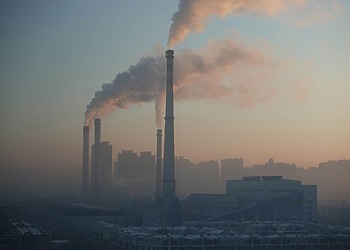
The World Health Organization (WHO) has warned that “black rain” in Iran, caused by strikes on oil facilities, poses serious health risks. Toxic compounds including hydrocarbons, sulfur oxides, and nitrogen compounds have been released into the air, causing respiratory problems, skin and eye irritation, and headaches. Long-term exposure may increase cancer risk. WHO supports Iran’s advice for residents to stay indoors and take protective measures. The black rain results from rainfall mixing with airborne particles from the strikes. Experts note air quality could improve over time, but renewed strikes would exacerbate the health risks.
***
Further reading: WHO warns of health risks from ‘black rain’ in Iran
Klimado – Navigating climate complexity just got easier. Klimado offers a user-friendly platform for tracking local and global environmental shifts, making it an essential tool for climate-aware individuals and organizations.
Tesla cleared to supply electricity to UK homes

Tesla has received regulatory approval to supply electricity to UK households, marking its first major entry into the British energy market. Tesla Energy Ventures, a subsidiary of Tesla Inc., can now offer solar-powered electricity and battery storage solutions, including the Powerwall, which allows homeowners to sell excess energy back to the grid. The move positions Tesla to compete with existing suppliers like Octopus Energy, British Gas, and EDF at a time of surging energy prices, partly due to the Iran conflict. British households are currently protected by regulated tariffs until July, but consumer pressure may rise if global energy tensions continue.
***
Further reading: Tesla set to start supplying UK homes with electricity

Iran war drives up India’s packaged water costs

India’s $5 billion packaged water industry is facing rising costs due to the Iran war, which has driven up oil and polymer prices. Plastic bottles, caps, labels, and boxes have become significantly more expensive, forcing around 2,000 smaller manufacturers to raise reseller prices by 5–15%. Larger companies like Pepsi, Coca-Cola, Reliance, and Tata are currently absorbing the costs, delaying retail price increases. The premium natural mineral water segment, growing rapidly among India’s wealthy, is also affected, with some brands like Aava hiking distributor prices by 18%. Experts warn consumer prices may rise imminently as summer demand increases.
***
Further reading: Iran war unsettles India’s packaged water makers as bottles, caps get pricey
Related Articles
Here is a list of articles selected by our Editorial Board that have gained significant interest from the public:
Brazil’s industrial cocoa farm dreams hit by price crash
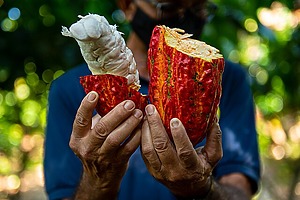
Brazil’s ambitions for industrial-scale cocoa farms are faltering after global cocoa prices plunged 70% from 2024 highs. Large projects in Northeastern Brazil, backed by investors and companies like Cargill and Barry Callebaut, are being paused or canceled, affecting tens of thousands of hectares planned for cultivation. The price drop follows West African production recovery, slower consumer demand, and alternative ingredients reducing cocoa use. Farmers report that current prices do not cover investment and production costs, forcing reevaluation of expansion plans. Smaller-scale projects and crop diversification may continue, but Brazil’s expected rapid growth as a major cocoa supplier is now delayed.
***
Further reading: Brazil’s dreams for industrial-scale cocoa farms fading after price crash
Editor’s Note: The opinions expressed here by the authors are their own, not those of impakter.com — In the Cover Photo: Missiles ready to launch. Cover Photo Credit: Wikimedia Commons