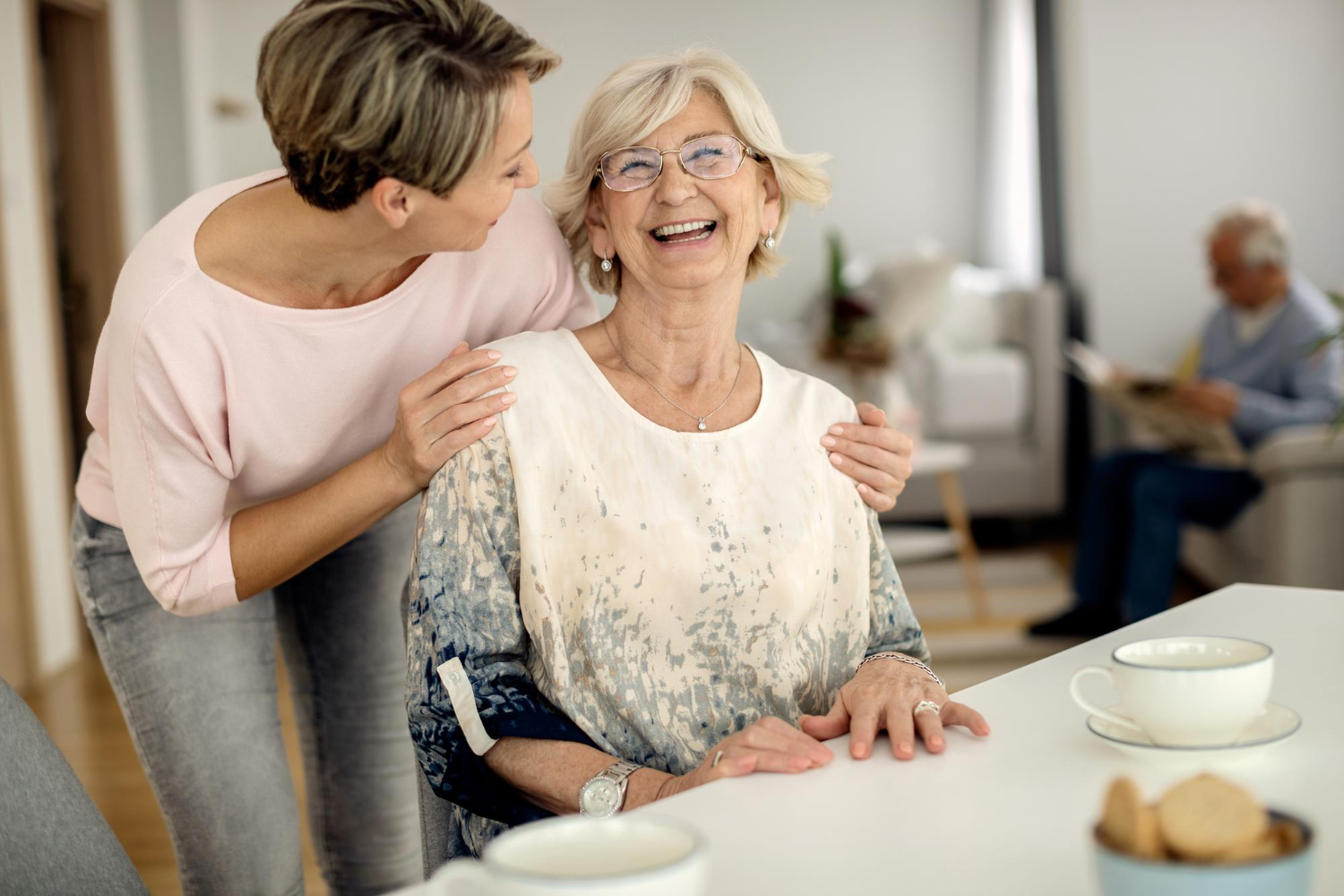
Caring for older loved ones is a responsibility many families share. Deciding when to increase in-home care support can feel confusing. Recognizing signs that indicate the need for additional help enables families to provide the best care. Understanding when to seek more support brings peace of mind and ensures safety for older adults.
Recognizing Physical Changes
Physical limitations often develop gradually. For seniors, walking, standing, and gripping objects may become difficult. Falls or new, unexplained bruises indicate increased need for assistance through in-home care. When simple tasks such as dressing, bathing, or preparing meals become difficult, it may indicate a need for additional assistance. By watching for these changes, families can intervene before tragedy strikes.
Monitoring Cognitive Abilities
Memory loss and confusion can affect daily routines. Forgetting appointments or misplacing important items are common early signs. Repeating questions or getting lost in familiar places may indicate cognitive decline. Increased support often helps maintain routine and reduces anxiety for both older adults and their families. Early intervention can make a significant difference in quality of life.
Evaluating Emotional Well-being
Emotional health is as important as physical health. When facing challenges in performing daily activities, many older adults may become withdrawn, anxious, or depressed. A decrease in interest with regard to previous hobbies or less frequent social encounters could imply emotional distress. The extra presence of in-home caregivers reduces isolation, along with some safety and assistance. When surrounded by people who admire, recognize, and support them, older adults tend to take care of their emotional well-being.
Assessing Nutrition and Personal Care
Shopping and cooking alone can make it difficult to maintain proper nutrition. Signs such as weight loss or spoiled food in the kitchen may signal a need for concern. Furthermore, neglected hygiene or wearing the same clothes for several days can be hidden signs of needing to bring in more help. Caregivers work to prepare meals and help with personal care, keeping the individual healthy and dignified. Such support prevents minor problems from evolving into severe health concerns.
Noticing Medication Management Issues
Managing prescriptions requires careful attention. Improper medication practice, like missing medications and incorrect medicines, could have serious consequences. Unused pillboxes or uncertainty regarding schedules show the need for help. Caregivers assist in organizing and managing medications and ensuring that they are taken correctly and on time, minimizing health complications. Better tracking and management of your medications correlates with good health.
Preventing Changes in Living Environment
A messy or untidy house might point out that the basics are starting to feel out of control. Overdue bills, unopened mail, or expired groceries are signs that housekeeping is a struggle. Assistance is a huge deal in such cases, as it takes away the stress and keeps the surrounding environment safe and clean. Both the body and mind benefit from clean and tidy surroundings.
Considering Caregiver Burnout
Family caregivers often face the risk of burnout due to the demanding nature of their responsibilities. Balancing personal obligations with caregiving can be overwhelming and exhausting. Additional support allows these caregivers to take necessary breaks and focus on their well-being. When responsibilities are shared, it leads to better care for the patient involved. Recognizing and addressing caregiver burnout is essential for maintaining long-term resilience and effectiveness in their roles.
Planning for Future Needs
Health conditions can change unexpectedly. Planning can help older adults get the right support when their needs increase. Ongoing assessments allow you to determine when care levels need to be modified. Family members can make timely decisions with care providers if there is open communication. Having a plan early makes an unexpected change much easier to adapt to without stress.
Encouraging Open Conversations
Discussions about care needs catalyze trust. Elderly people may be reluctant to ask for assistance because they may be afraid of losing their independence. Honest talks reassure them that help is available if they want it and respect their choice not to have it. Collectively exercising decision-making creates comfort and acceptance.
Conclusion
Knowing when to opt for in-home care for the welfare of senior parents allows them to be safe, comfortable, and happy. Monitoring even minimal changes in physical, mental, and emotional health enables families to act quickly. Offering a bit of help at the right time fosters autonomy and quality of life. However, the best care for aging loved ones is only possible when we prioritize communication and planning ahead.
Editor’s Note: The opinions expressed here by the authors are their own, not those of impakter.com — In the cover: In-Home Care Support Cover Photo Credit: freepik