Impakter
  • Environment
    • Biodiversity
    • Climate Change
    • Circular Economy
    • Energy
  • FINANCE
    • ESG News
    • Sustainable Finance
    • Business
  • TECH
    • Start-up
    • AI & Machine Learning
    • Green Tech
  • Industry News
    • Entertainment
    • Food and Agriculture
    • Health
    • Politics & Foreign Affairs
    • Philanthropy
    • Science
    • Sport
  • Editorial Series
    • SDGs Series
    • Shape Your Future
    • Sustainable Cities
      • Copenhagen
      • San Francisco
      • Seattle
      • Sydney
  • About us
    • Company
    • Team
    • Global Leaders
    • Partners
    • Write for Impakter
    • Contact Us
    • Privacy Policy
No Result
View All Result
Impakter logo
No Result
View All Result
When Food Waste Becomes Fashion: Emerging Innovations

When Food Waste Becomes Fashion: Emerging Innovations

Kristen Bestmann-DanagogobyKristen Bestmann-Danagogo
January 14, 2026
in Business, Circular Economy, Environment, Science, Start-up
0

Imagine tossing an orange peel into the trash and later seeing it walk down a runway as part of a designer dress. It sounds unbelievable, but it’s happening. What once ended up in compost bins or landfills is now inspiring exciting creations, showing that the next big trend might be hiding in yesterday’s leftovers.

Food and Fashion Waste

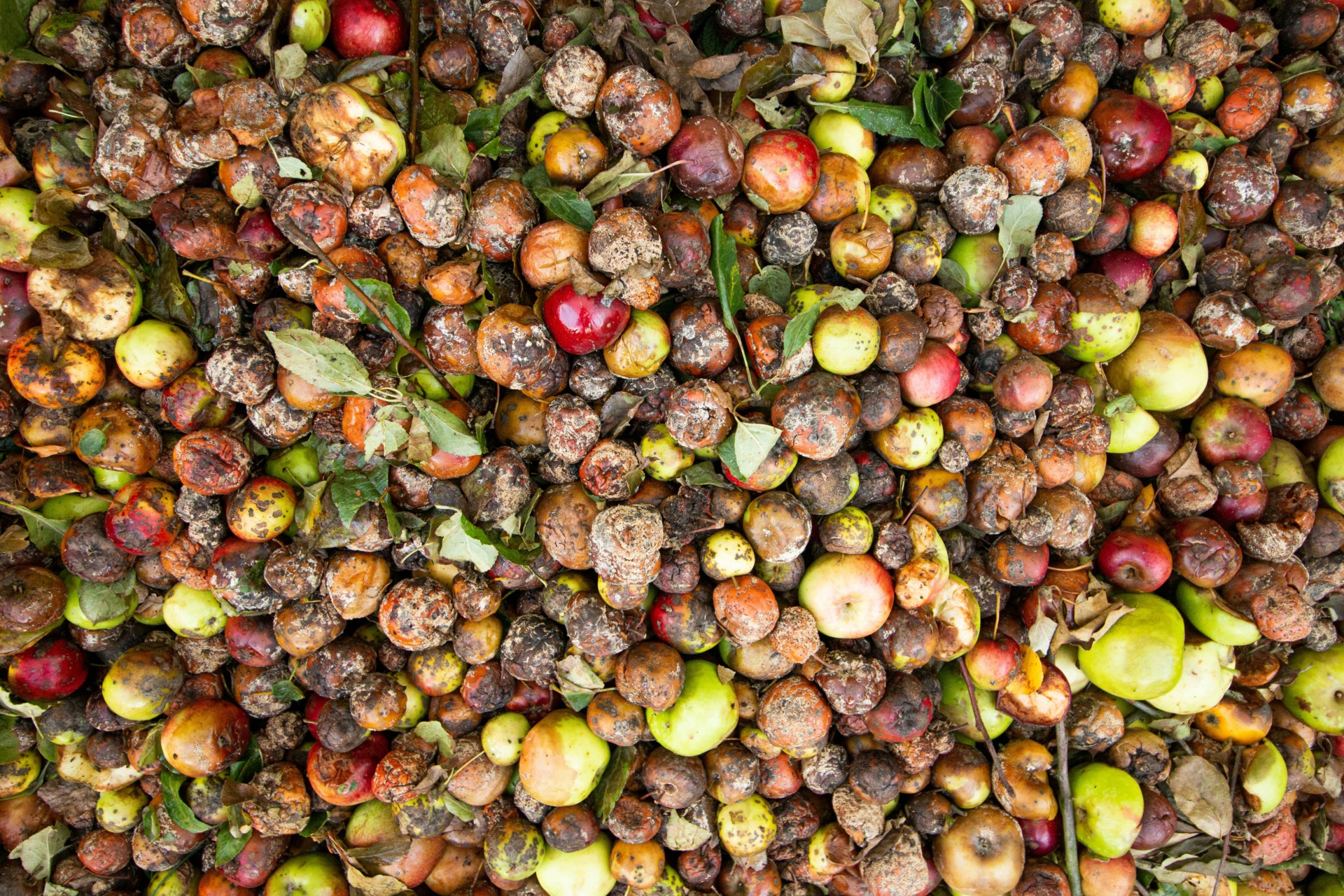
According to the Food and Agriculture Organization of the United States (FAO), roughly one-third of all food produced for human consumption — around 1.3 billion tonnes of edible food — is lost or wasted every year.

Meanwhile, the Ellen MacArthur Foundation’s landmark 2017 report, “A New Textiles Economy,” revealed that the textiles industry relies mostly on non-renewable resources — 98 million tonnes in total annually — to produce clothes, including oil to make synthetic fibers, fertilisers to grow cotton, and chemicals to dye and finish fabrics.

Less than 1% of material used to produce clothing is recycled into new garments, and every second, the equivalent of one garbage truck of textiles is landfilled or burned. In 2015 alone, greenhouse gas emissions from textiles production totaled 1.2 billion tonnes of CO₂ equivalent — more than all international flights and maritime shipping combined.

This overlap presents a unique opportunity: by turning food waste into textiles, innovators are tackling two problems at once while creating sustainable, high-quality fabrics.

New Sources

Several companies now transform fruit scraps into fabrics that are both soft and luxurious. Orange Fiber, for instance, processes discarded orange peels into fine, lightweight textiles with a silk-like texture. Their fabrics already appear in dresses, blouses, and scarves from prestigious fashion houses.
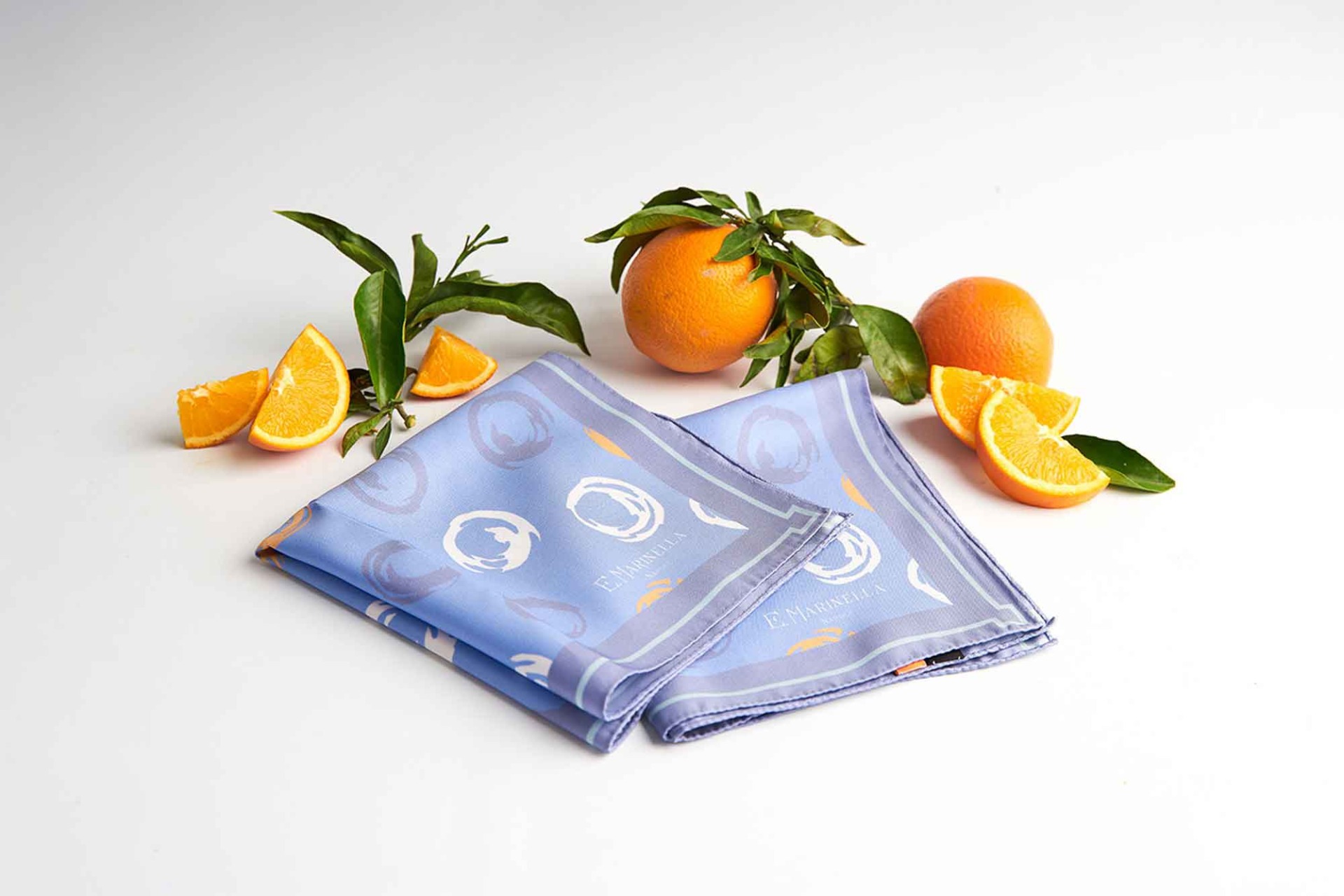
Silk scarves made from Orange Fiber citrus-based textile, 2025. Photo Credit: E. Marinella/Orange Fiber

Apple leather is also gaining traction. Startup AppleSkin converts pulp from cider and applesauce production into durable, leather-like material used in handbags, shoes, and jackets, also expanding to LemonSkin (from citrus waste) and BarleySkin (from brewer’s grains). 

Coffee grounds are another unlikely hero. Singtex dries and processes used coffee into yarns that are breathable, moisture-wicking, and surprisingly soft. Designers are using these textiles in activewear, jackets, and accessories, giving garments a story as rich as the coffee they come from.

Beyond fruit and coffee, Piñatex, made from pineapple leaf fibers, is a popular leather alternative adopted by multiple brands including H&M for its Conscious Collection.
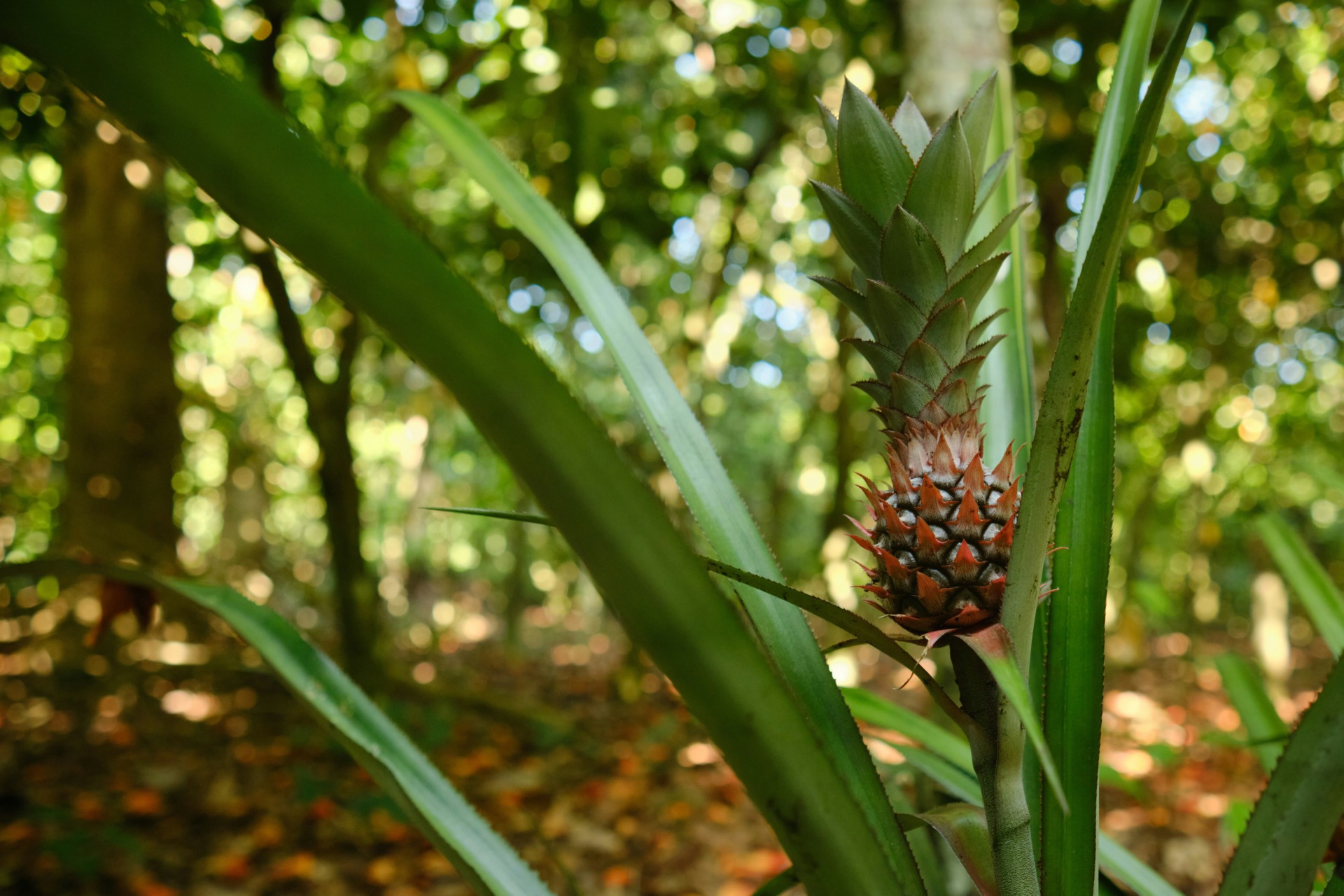
Pineapple plant. Photo Credit: Alfred Quartey.

Banana stems, usually discarded, are being spun into high-performance fabrics by Swiss brand Bananatex (developed by the Swiss bag brand QWSTION in collaboration with Taiwanese yarn specialists and Philippine cooperatives). Bananatex shows that banana-fiber textiles can deliver genuine luxury performance while enriching soil, supporting reforestation, and strengthening local farmer cooperatives.

Some fashion innovators are also shifting away from traditional chemical dyes — a major source of water pollution — by using natural plant extracts to color textiles. Researchers working with the United Nations Environment Programme (UNEP) have documented designers creating rich hues from things like sage, walnut, and pomegranate, supporting more sustainable dyeing practices that avoid harmful pollutants.

These innovations often involve close collaboration with farmers and local cooperatives, creating a supply chain that benefits both communities and designers while producing luxury-quality materials. 

Related Articles

Here is a list of articles selected by our Editorial Board that have gained significant interest from the public:

  • Are Biomaterial Innovations the Key to a Sustainable Future for Fashion?
  • Can Circularity Turn the Fashion and Beauty Industries Sustainable?
  • Why Sustainable Fashion Must Converge With Intersectional Environmentalism

The Science Behind Waste-to-Wear

Most food scraps — fruit peels, stems, and pulp — are rich in cellulose, the natural ingredient plants use to build their structure. Scientists can separate this cellulose, clean it, and turn it into a soft pulp. According to research on producing cellulose fibers from agro-waste, this pulp can then be reshaped into new fibers that mimic cotton or viscose. Once the fibers are formed, they are spun into yarn and woven into fabric just like traditional textiles.

Researchers studying how agricultural and food waste can be used for textile dyeing have found that many commonly discarded plant parts — such as avocado pits, onion skins, pomegranate rinds, coffee grounds, walnut shells, eggplant peels, and orange peel — contain natural color molecules like anthocyanins, quinones, and carotenoids that can be extracted and used as dyes.

These natural dyes can produce a range of vibrant shades and, when paired with plant-derived bio-mordants (substances that help the dye bind more effectively to fabrics), can improve how well the colors stick and last on textiles.

Roadblocks and Solutions

Turning food waste into fashion still faces hurdles: production is expensive, scaling is difficult, and some consumers remain unsure about textiles made from waste.

Innovators are addressing these issues with nanocellulose technologies (for example, the EcoaTEX partnership), strategic alliances with major brands, seen in partnerships between sustainable material companies like Piñatex and H&M, and transparent consumer education campaigns that highlight how natural, plant-based materials and dyes can reduce pollution and still deliver high-quality fashion. 

As these efforts expand, the path toward large-scale, waste-based fashion becomes increasingly viable.


Editor’s Note: The opinions expressed here by the authors are their own, not those of impakter.com — Cover Photo Credit: Marek Studzinski.

Tags: apple skinAppleSkinbananatexcoffee groundsfashionfashion startupsfood wastePiñatexpineapple leafSingtexSustainable fashionTextilewaste to fashion
Previous Post

Iran Acknowledges 2,000 Deaths as Protests Enter Third Week

Next Post

Billionaires Became Richer Than Ever in 2025: Who Are They and What Drove Their Wealth Growth

Related Posts

food waste
Business

COP30: UNEP Launches New Initiative to Halve Food Waste by 2030

Today’s ESG Updates COP30: Food Waste Breakthrough: UNEP plans to reduce food waste by half, reduce hunger and cut 7%...

byPuja Doshi
November 14, 2025
food waste
Food and Agriculture

Targeted Investments to Combat Food Loss and Waste and Generate Triple Wins

To mark the International Day of Awareness of Food Loss and Waste 2025, the Food and Agriculture Organization of the United...

byThe Food and Agriculture Organization of the United Nations (FAO)
October 1, 2025
ESG news regarding UK to regulate Google search rankings, traders retreat from European gas market, Eni fined €32 million, H&M-backed Syre partners with Gap and Target
Business

UK Moves to Alter Monopolised Google Search Rankings

Today’s ESG Updates UK to regulate Google search rankings: The UK’s CMA may grant Google “strategic market status” to boost...

byPeter Vigh
June 24, 2025
Shein sees a giant increase in carbon emissions in 2024
Editors' Picks

Shein’s Carbon Emissions Skyrocket in 2024: What’s Behind the Surge?

Despite climate-friendly claims, fast fashion giant Shein is once again in the spotlight for a drastic increase in carbon emissions...

bySarah Perras
June 18, 2025
fashion Sustainability
Business

Fashion Giants and Sustainability: 5 Brands Reshaping the Industry

A look at recent efforts by fashion giants Chloé, Stella McCartney, Patagonia, LVMH, and MUJI to position themselves as sustainable...

byShah Ibrahim Ahmed
June 13, 2025
ESG news regarding rise in oil prices and fall of stock market after Israel strikes Iran, 241 billion euros to be spent on nuclear projects in the EU, first fishery solar project in Taiwan, fashion industry greenwashing
Business

Gold and Oil Up, Stocks Down After Israel Strikes Iran

Today’s ESG Updates Geopolitical tensions stir up markets: Israel’s strike on Iran’s nuclear sites triggered a global market drop and...

bySarah Perras
June 13, 2025
ESG news regarding Asia’s defense spending boost, Salesforce buys Informatica, SHEIN sets net-zero goal by 2050, BYD overtakes Tesla in EU sales
Business

Asia Boosts Defense Spending by $2.7 Billion Amid Market Fears

Today’s ESG Updates Asia Boosts Defense R&D by $2.7B: Southeast Asian nations ramp up defense spending to $10.5B amid rising...

byPeter Vigh
May 28, 2025
ESG news regarding EU watchdog criticizing easing of green regulations, Italian fashion brands signing agreement to stop workplace exploitation, bottlenecks in European ports, and the EC accusing Shein of deception
Business

European Watchdog Challenges Diminishing Sustainability Rules

Today’s ESG Updates EU Commission Faces Scrutiny Over Green Rollbacks: European Ombudswoman launches inquiry into Commission’s lack of transparency concerning...

bySarah Perras
May 27, 2025
Next Post
Billionaires Became Richer Than Ever in 2025: Who Are They and What Drove Their Wealth Growth

Billionaires Became Richer Than Ever in 2025: Who Are They and What Drove Their Wealth Growth

Recent News

ESG News regarding Dimon warning that Trump’s attacks on Fed could raise inflation and rates, Venezuelan oil shipments to China setting to plunge under U.S. blockade, UK awarding offshore wind contracts to power 12m homes, 2025 being the third-hottest year on record as climate science faces political pushback

Dimon Warns Trump’s Attacks on Fed Could Raise Inflation and Rates

January 14, 2026
Billionaires Became Richer Than Ever in 2025: Who Are They and What Drove Their Wealth Growth

Billionaires Became Richer Than Ever in 2025: Who Are They and What Drove Their Wealth Growth

January 14, 2026
When Food Waste Becomes Fashion: Emerging Innovations

When Food Waste Becomes Fashion: Emerging Innovations

January 14, 2026
  • ESG News
  • Sustainable Finance
  • Business

© 2025 Impakter.com owned by Klimado GmbH

No Result
View All Result
  • Environment
    • Biodiversity
    • Climate Change
    • Circular Economy
    • Energy
  • FINANCE
    • ESG News
    • Sustainable Finance
    • Business
  • TECH
    • Start-up
    • AI & Machine Learning
    • Green Tech
  • Industry News
    • Entertainment
    • Food and Agriculture
    • Health
    • Politics & Foreign Affairs
    • Philanthropy
    • Science
    • Sport
  • Editorial Series
    • SDGs Series
    • Shape Your Future
    • Sustainable Cities
      • Copenhagen
      • San Francisco
      • Seattle
      • Sydney
  • About us
    • Company
    • Team
    • Global Leaders
    • Partners
    • Write for Impakter
    • Contact Us
    • Privacy Policy

© 2025 Impakter.com owned by Klimado GmbH