
The email usually comes with an attachment. A buyer at a mid-sized brand asked a factory about its recycled polyester, and back came a PDF with a logo, a certificate number, a stamp and a date. It looks like an answer. Whether it is one depends on what the document certifies, and for whom.
There is a legal side to this now. Since 27 September 2026, the EU rules on environmental claims restrict generic wording such as “eco-friendly” or “green” unless the seller can show recognised excellent environmental performance, and sustainability labels have to rest on a certification scheme or be set by a public authority. A brand that copies a supplier’s wording without checking it takes on part of that risk.
The mill’s certificate stays with the mill
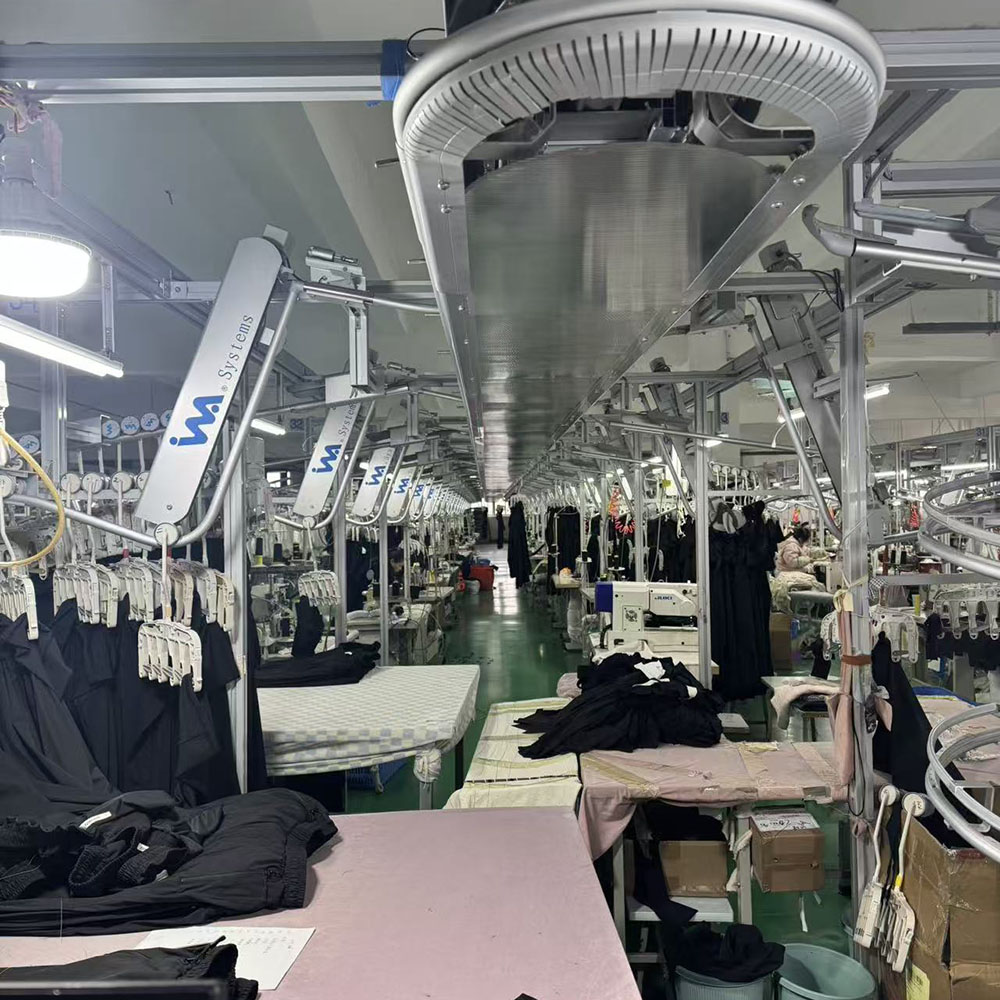
Most textile certificates describe one link in a chain. A mill may hold one for the cloth it weaves or dyes. Another factory cuts and sews that cloth into garments, and the mill’s certificate stays where it is. The jacket doesn’t inherit it.
Schemes built around fibre and processing, the Global Organic Textile Standard and the Global Recycled Standard among them, expect every stage that handles the material to be certified, cut-and-sew included, before the finished product can carry the claim. OEKO-TEX Standard 100 works differently. It is a product-safety certificate issued to a named applicant for defined articles, and the label belongs to those articles only.
Read the name before the logo
The certificate names a legal entity. Often that is a fabric supplier, a trading company or a group member rather than the factory making your order, and there can be a perfectly good reason for it. Put the names side by side: who is quoting you, who signs the contract, who is the holder on the certificate. If they differ, ask how the companies are related and get the answer in writing.
Some manufacturers put this on the page before anyone asks. Renrui Textile, for example, says on its website which company signs the contract and which group company issues the invoices, so a buyer can see the chain of names before sending a deposit. If a supplier won’t write the same thing down, that is worth noting.
Scope, dates and the order itself
Every certificate carries a scope, meaning a list of product categories and processes. Woven polyester for home textiles says little about knitted cotton hoodies, so read that line first. Then check the dates. Most certificates run for a year and get renewed on audit, and a lapsed one looks exactly like a valid one in a PDF.
Schemes that track material add a second document, the transaction certificate, which ties a specific shipment of certified material to a specific buyer. The facility certificate shows the factory was audited. The transaction certificate shows what your order was made from. If someone tells you recycled content is “available” and you never see the transaction certificate, you know very little.
Four questions, one afternoon
Standard owners and certification bodies publish databases where a number can be looked up. OEKO-TEX has a label check, and the GOTS and Textile Exchange systems let buyers search for certified facilities. A supplier comfortable with its paperwork will often send the number before you ask for it.
Then put four questions in writing. Which legal entity holds the certificate? Which products and processes does it cover? Is it in date? Will a transaction certificate be issued for my order? Send them in the morning. A supplier with good records usually answers the same day, and a slow or vague reply is useful to know about before a deposit leaves your account.
Brands inherit the claims of the factories behind them. If a product page says “sustainable”, the document behind it has to cover that garment and the factory that made it. Customers and regulators won’t distinguish between “our supplier’s mill is certified” and “this garment is certified”.
Renrui Textile makes private-label clothing and home textiles for brands. This article reflects what its team sees when buyers ask for supplier documentation.
Editor’s Note: The opinions expressed here by the authors are their own, not those of impakter.com — Photo Credit: Renrui Textile