Impakter
  • Environment
    • Biodiversity
    • Climate Change
    • Circular Economy
    • Energy
  • FINANCE
    • ESG News
    • Sustainable Finance
    • Business
  • TECH
    • Start-up
    • AI & Machine Learning
    • Green Tech
  • Industry News
    • Entertainment
    • Food and Agriculture
    • Health
    • Politics & Foreign Affairs
    • Philanthropy
    • Science
    • Sport
  • Editorial Series
    • SDGs Series
    • Shape Your Future
    • Sustainable Cities
      • Copenhagen
      • San Francisco
      • Seattle
      • Sydney
  • About us
    • Company
    • Team
    • Partners
    • Write for Impakter
    • Contact Us
    • Privacy Policy
No Result
View All Result
  • Environment
    • Biodiversity
    • Climate Change
    • Circular Economy
    • Energy
  • FINANCE
    • ESG News
    • Sustainable Finance
    • Business
  • TECH
    • Start-up
    • AI & Machine Learning
    • Green Tech
  • Industry News
    • Entertainment
    • Food and Agriculture
    • Health
    • Politics & Foreign Affairs
    • Philanthropy
    • Science
    • Sport
  • Editorial Series
    • SDGs Series
    • Shape Your Future
    • Sustainable Cities
      • Copenhagen
      • San Francisco
      • Seattle
      • Sydney
  • About us
    • Company
    • Team
    • Partners
    • Write for Impakter
    • Contact Us
    • Privacy Policy
No Result
View All Result
Impakter
No Result
View All Result

How You Can Watch Penguins From Home and Help Save Antarctica

byCarter Root
April 15, 2020
in Environment, Science

Whether you are in your third week or third month of quarantine, you might be itching for some new pastimes. Even if you are not an essential worker, you could be considered essential to an impactful research project, the Penguin Watch.

This project is simple but crucial. Scientists, with the help of you and many others, aim to collect accurate penguin data in order to help Antarctica policymakers when it comes to making effective policies and establishing Marine Protected Areas (MPAs).

Citizen science has been around for years. It helps organizations and governments confront societal needs and advance science, and there are over 400 volunteer projects listed on CitizenScience.gov. So, with 400 other projects you could help, what makes Penguin Watch so special? 

Aside from the fact that you can participate from the comfort of your own home, it aims to protect an ecosystem in danger. Second, it’s easy. Easy to access and easy to get sucked into. With just two clicks and a simple tutorial, I found myself scouring images of penguin chicks playing in the snow. Scientists get much-needed help protecting wildlife, and people get to look through images of tuxedo birds. It’s a win-win situation.


Related Articles: Korean “Bike to Work Challenge” | Climate-smart Agriculture in Vietnam

This simple volunteer work helps protect Antarctic ecosystems. With climate change on the rise, many populations of penguin species are rapidly declining according to National Geographic. If global warming was not enough cause for concern, fisheries and other human disturbances add to Antarctica’s list of threats. These threats and their potential impacts are why the researchers at Penguin Watch have spent the last 10 years placing cameras throughout Antarctica. Some of these cameras are built with self-charging solar panels and an internal computer that makes the camera take more or less photos depending on the season. A total of 800,000 pictures are taken by these cameras each year!
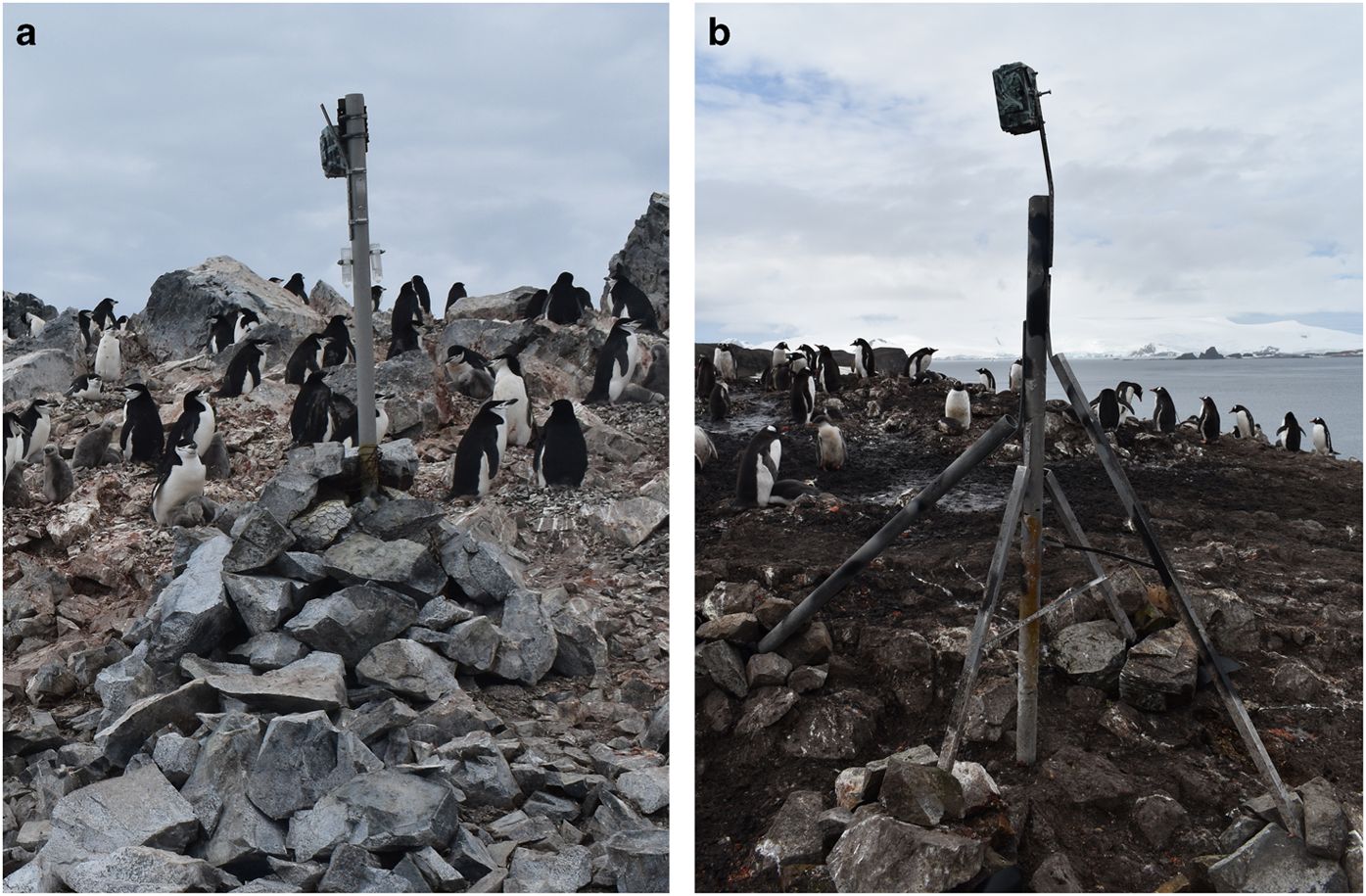
In the Photo: An example of the research cameras mentioned above (No changes were made. CC License). Photo Credit: Fiona M. Jones

Sadly, penguins are not the only species at risk. Researchers at the Penguin Watch project understand that penguins are a sentinel species used to detect risks to important ecosystems before the peak of their impact. For this sentinel species, penguin population size and breeding performance are the main whistle-blowers that Penguin Watch is keeping its eyes on.

Whether you look through one image or one hundred images, any amount helps. Antarctica is massive, and far bigger than one team of scientists can pan through. And don’t worry about being meticulous; each image is shown to several people to ensure accurate results. So what are you waiting for? Go count some penguins!


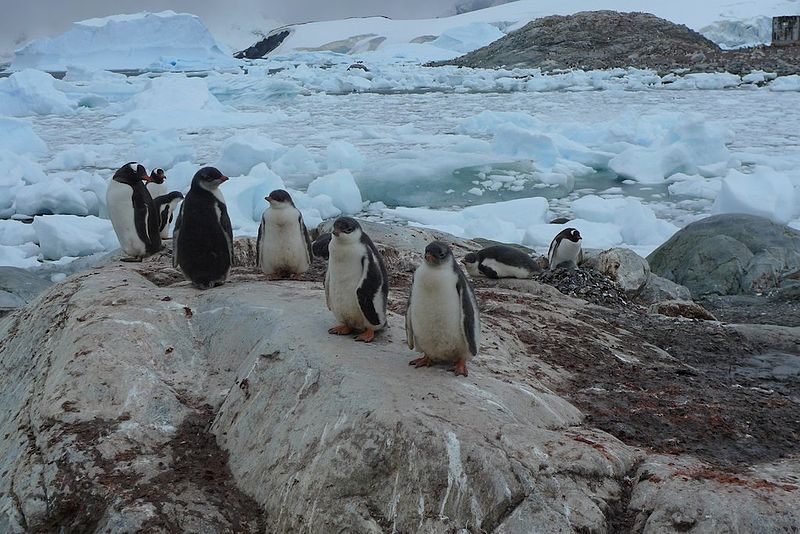
Editor’s Note: The opinions expressed here by Impakter.com columnists are their own, not those of Impakter.com — In the Featured Photo: A waddle of penguins at the Chilean research station. — Featured Photo Credit: Warren Talbot
Previous Post

Learning to grow vegetables: A novel way to transfer knowledge in Hoima, Uganda

Next Post

Trump’s War on the World Health Organization

Related Posts

The Strait of War: A World on the Brink as Iran and the US Ignite the Global Energy Crisis
Energy

The Strait of War: A World on the Brink as Iran and the US Ignite the Global Energy Crisis

March 4, 2026
News regarding climate change potentially cutting land for cattle, sheep, and goat farming in half by 2100.
Climate Change

Climate Change Could Cut Land for Cattle, Sheep, and Goat Farming in Half by 2100

March 3, 2026
seaweed
Environment

5 Ways Seaweed Rolls Into Climate Solutions

March 3, 2026
Next Post
Trump’s War on the World Health Organization

Trump's War on the World Health Organization

Recent News

ESG News regarding the Industrial Accelerator Act and ‘Made in Europe’ provision, TerraPower to begin nuclear plant construction in the U.S., South Africa’s $122 million water investment, and the first EIB-WTO partnership

European Commission Unveils Long-Awaited ‘Made in Europe’ Act

March 5, 2026
ESG News regarding Japan and U.S. considering nuclear deal to boost energy supply chains, Trump ordering naval escorts as oil prices surge amid Strait of Hormuz tensions, EU dropping steel emissions label from “Made in Europe” draft law, and XeleratedFifty acquiring AI-powered carbon management platform Terrascope.

Japan and U.S. Explore $100 Billion Nuclear Project in $550 Billion Investment Package

March 4, 2026

Impakter informs you through the ESG news site and empowers your business CSRD compliance and ESG compliance with its Klimado SaaS ESG assessment tool marketplace that can be found on: www.klimado.com

Registered Office Address

Klimado GmbH
Niddastrasse 63,

60329, Frankfurt am Main, Germany


IMPAKTER is a Klimado GmbH website

Impakter is a publication that is identified by the following International Standard Serial Number (ISSN) is the following 2515-9569 (Printed) and 2515-9577 (online – Website).


Office Hours - Monday to Friday

9.30am - 5.00pm CEST


Email

stories [at] impakter.com

By Audience

  • TECH
    • Start-up
    • AI & MACHINE LEARNING
    • Green Tech
  • ENVIRONMENT
    • Biodiversity
    • Energy
    • Circular Economy
    • Climate Change
  • INDUSTRY NEWS
    • Entertainment
    • Food and Agriculture
    • Health
    • Politics & Foreign Affairs
    • Philanthropy
    • Science
    • Sport
    • Editorial Series

ESG/Finance Daily

  • ESG News
  • Sustainable Finance
  • Business

About Us

  • Team
  • Partners
  • Write for Impakter
  • Contact Us
  • Privacy Policy

© 2026 IMPAKTER. All rights reserved.

No Result
View All Result
  • Environment
    • Biodiversity
    • Climate Change
    • Circular Economy
    • Energy
  • FINANCE
    • ESG News
    • Sustainable Finance
    • Business
  • TECH
    • Start-up
    • AI & Machine Learning
    • Green Tech
  • Industry News
    • Entertainment
    • Food and Agriculture
    • Health
    • Politics & Foreign Affairs
    • Philanthropy
    • Science
    • Sport
  • Editorial Series
    • SDGs Series
    • Shape Your Future
    • Sustainable Cities
      • Copenhagen
      • San Francisco
      • Seattle
      • Sydney
  • About us
    • Company
    • Team
    • Partners
    • Write for Impakter
    • Contact Us
    • Privacy Policy

© 2026 IMPAKTER. All rights reserved.