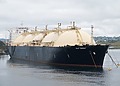
Transportation is the backbone of modern logistics. It connects all points of the supply chain and acts as a vehicle that ensures a seamless flow of goods from producers to consumers. Without effective transportation, even the best supply chain strategies can fail. The ability to move products efficiently determines overall business success.
When everything is on time, customers are happy, and the business grows. The transportation segment of logistics: This piece explains the role transportation can take in larger logistics operations. Logistics transportation services enable businesses to maintain reliable delivery schedules and meet customer expectations effectively. The following sections explore how transportation impacts various aspects of logistics performance.
Enabling Supply Chain Efficiency
In logistics, on-time deliveries are of critical importance. Transportation services should adhere to strict schedules to avoid stockouts or overstocking. When transit times are consistent, this enables better planning and inventory management. This essentially helps businesses to react to a shift in demand quickly and evade needless expenses.
Supporting Inventory Management
When goods are moved properly, it enables companies to keep their inventory at optimum levels. Dependable deliveries are essential to avoiding shortages and overstock situations. The tracking of shipments is performed accurately, providing real-time updates that help influence procurement and sales actions. These elements assist in managing supply and demand with natural effectiveness.
Influencing Customer Satisfaction
In today’s e-commerce marketplace, customers want quick and accurate delivery fulfillment services. These expectations go hand-in-hand with your transportation. When goods are late or damaged, it leads to unhappy customers and a lack of trust. Having consistently dependable shipments will account for positive experiences, making them want to purchase once more and also be faithful.
Facilitating Global Trade
Good packaging and shipping are the backbone of international trade. It involves transporting goods and people all over the world, connecting suppliers and consumers in other nations and on other continents. The timely nature of shipments demands meticulous management of air, sea, and ground services. Having this worldwide range allows companies to enter new markets and appeal to larger audiences.
Reducing Costs Across Operations
Maintaining cost control is probably one of the most important aspects of successful logistics. Smart transport systems reduce fuel use, decrease upkeep costs, and cut down on processing time. The system ensures efficient route utilization and shipment consolidation without compromising service quality. According to supply chain cost management principles from Investopedia, these savings frequently mean lower prices for customers.
Adapting to Changing Demands
Demand increases, both seasonal and unpredictable, are particularly challenging to supply chains. Flexibility of transport aids in the rapid adjustment of delivery volumes. To respond to unforeseen natural changes, flexible logistics providers employ different routes and methods. Such agility ensures that businesses are agile and prepared against all possibilities.
Promoting Sustainability Initiatives
Logistics are going green—sustainable practices are more important than ever. Finally, an eco-friendly mode of transportation, including electric vehicles or route optimization, reduces emissions. These initiatives align with sustainability objectives and cater to consumers who prioritize social responsibility. By using less fuel, a sustainable movement also often results in cost savings.
Integrating Technology for Better Performance
Logistics in a modern world is a technologically driven transportation solution. Aspects like real-time tracking, automated scheduling, and data analytics enhance visibility and decision-making. For delivery operations specifically, best logistics routing software brings these capabilities together by optimizing stop sequences and cutting unnecessary mileage across the fleet. These tools can assist in identifying bottlenecks and improving the reliability of delivery. With technology integrating seamlessly between stakeholders, goods flow where they should when they should.
Enabling Collaboration Across the Supply Chain
Successful logistics depends on teamwork. Transportation providers, warehouse operators, and retailers must closely follow each other. By coordinating and clearly communicating, we are able to minimize errors and delays. When you establish collaborative relationships, it builds trust and enhances performance over the long run.
Mitigating Risks and Managing Disruptions
Supply chains can be impacted by unforeseen or unexpected events. Natural disasters, strikes, or road closures can cause delays in shipments. Part of good risk management is having plans for contingencies and alternate routes. Fast reaction to disruptions keeps deliveries on schedule and reduces adverse effects.
Improving Service Flexibility
You will need to handle certain products differently during shipment. Some goods need careful handling, such as temperature-sensitive, fragile, or high-value shipments. These unique needs call for some pretty specific transportation solutions. Customizable options ensure safe and efficient movement for countless types of products.
Enhancing Competitive Advantage
A powerful transportation capability makes all the difference. Fast and dependable deliveries consistently help companies stand out from the competition. Fast service matters to customers and may totally make or break a sale for you. Great logistics performance creates a market reputation.
Conclusion
Transport is used for every step of the complete logistics process. The network connects producers, warehouses, and end consumers, ensuring swift and precise delivery. Over the unforeseen future, efficient movement means lower costs, higher satisfaction, and business scalability. With logistics continuing to grow, transportation will always remain critical.
Editor’s Note: The opinions expressed here by the authors are their own, not those of impakter.com — In the Cover Photo: End-to-End Logistics Cover Photo Credit: