Editors note: Article update 08.10.2018 ( see bottom of the article for more information)
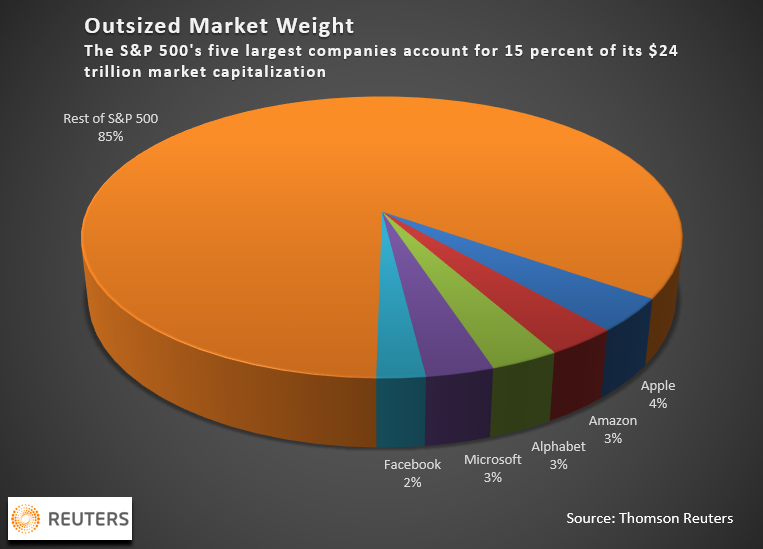
Recently the online retailer Amazon surpassed a trillion dollar valuation on the stock market just one month after tech giant Apple Inc. achieved the same milestone, making these two the most economically valuable businesses in the world. The two companies are now so large that they wield a similar economic influence to Indonesia, earning each of them a theoretical seat at the next G20 summit.
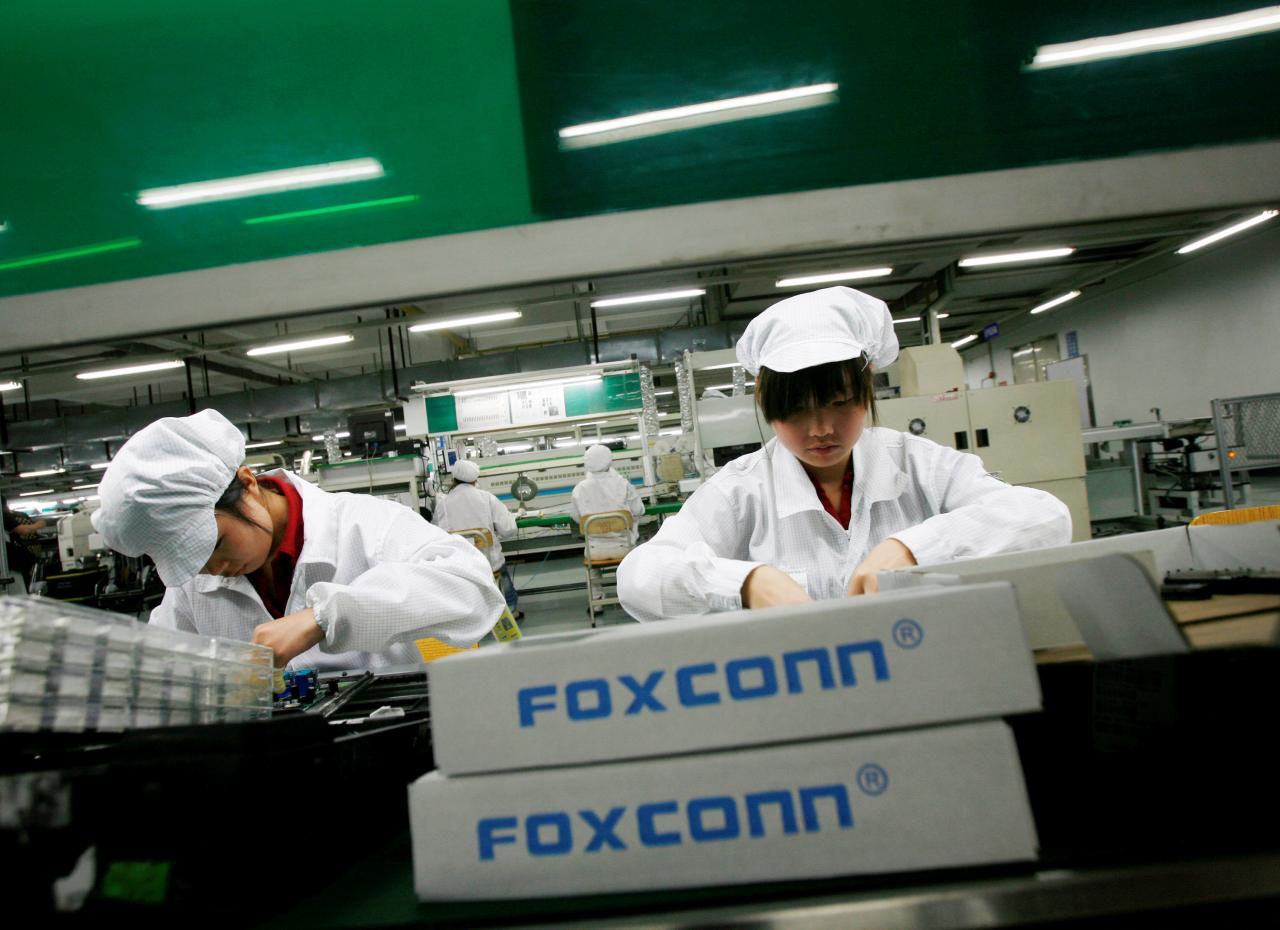
However, the recent media attention surrounding these valuations obscures a dark past of worker rights scandals that Amazon and Apple Inc. executives would rather you forget. Some may remember that, in 2010, there was a spate of 17 attempted suicides at the Taiwanese company Foxconn which, amongst others things, is the producer and manufacturer of all Apple products. The suicides were in protest of the working conditions inside the factories which included regular “public humiliation”, cramped 8 person dormitories with extortionate utility bills and 80-100 hours overtime per month, amounting to three times the legal limit of 36 hours. Again in 2012, 150 workers threatened ‘mass suicide’ in hope of better worker treatment in the “oppressively subdued” Shenzhen factory.
In turn, Amazon’s warehouses in the UK were the subject of a 2013 BBC documentary, which, via secret filming, revealed the extreme mental and physical pressures that Amazon pushes onto its workforce. In addition to unachievable targets, 10.5-hour night shifts and countdown timers between tasks, it was Amazon’s disciplinary system that gained infamy for its cruelty. It worked on a points system: three points and you were fired. And collecting points is all too easy; a day off sick is one point and the undercover reporter even garnered ½ a point for being 2 minutes late. A further Channel 4 News inquiry revealed that Amazon used controversial zero-hour contracts which do not guarantee working hours, meaning employees were at the beck and call of their supervisors. It was also shown that Amazon would regularly fire staff after 12 weeks, meaning they could avoid giving them the costly working rights legally required for full time staff. In the BBC documentary, one warehouse employee, in reference to working conditions, is overheard saying “hand me a gun so I can shoot myself”.
For Apple and Foxconn, it has been nearly 8 years and for Amazon nearly 5, since concerns about worker safety were publicised. So, the question that must be answered is: what progress has been made?
The answer is disappointing. Although FoxConn has now made proper employee contracts that grant rights such as sick and holiday pay, this was only after a 2018 exposé by the Guardian Observer which revealed the denial of these rights, illegally high over time and wages of only half the national Chinese living wage. Furthermore, these improvements only seem to correspond to the Hengyang factory which, interestingly, manufactures the Amazon kindle and echo dot speakers. On the other hand, the Shenzhen factory (at the heart of the original suicide controversy) had reportedly “no improvements” and a smaller group threatened suicides again in 2016. There is no indication of improvements since then.
Amazon appears not to have altered its UK working conditions either. According to a 2018 staff survey by the campaigning group Organise, there were Amazon workers who feared missing targets so much they would urinate in bottles instead of toilets and a shocking 55% of workers reported suffering from depression.
Why hasn’t much changed?
For all the wants of social activism and newspaper exposés, the fact of the matter is that we are dealing with Apple, Amazon and Foxconn. By revenue, Forbes rates these as the 11th, 18th and 24th largest companies in the world, employing a combined total of 1.4 million people. Why is this relevant? Well, their size and economic influence produces several effects.
Firstly, they are too economically established for any campaigning to seriously affect their business. Take Amazon for example – imagine 3 million people managing to get organised to collectively boycott amazon products. This scale of campaign would take a massive amount of organisational effort across the world with widespread awareness actions, yet it would account for less than 1% of Amazon’s consumer base. The scale of these companies is almost insurmountable.
Secondly, these companies are mass employers, meaning national and regional governments are willing to overlook morally debatable working conditions in exchange for permanent job creation. In the UK, for example, Amazon has invested close to £1 billion and created 5,000 permanent jobs. In the same vein, the state of Wisconsin gave Foxconn a $3 billion tax break in exchange for the creation of a new factory on US soil and 13,000 new jobs.
Also, one can’t forget that the working conditions, whilst gruelling, are not illegal. This means there is doubly no incentive for governments to force these large companies to change. Not only would it mean mass job loss, the conditions are exactly what is deemed acceptable by their own laws. Therefore, to pressure change would be a terrible move for governments, both politically and economically.
The future: can we expect change?
Looking forward it seems all is not lost. A glimmer of hope remains – I mentioned that Foxconn has improved pay and worker rights after a journalistic exposé. This shows corporate giants do care about their public image and will react to social activism when it could affect business. So perhaps, through concerted effort in exposing business malpractices, we can start to see changes in workers’ rights across the world.
But let’s be clear: neither Amazon or Foxconn have good working conditions. In fact, they are awful. And the lack of action by these companies shows how little they care for the health and safety of their employees. With these large companies dominating the headlines, it seems timely to remind the public of the callousness of business.
Update (08/10/2018): Since the publication of this article, Amazon have increased their minimum wage to $15/hour in the US and to £9.50 in the UK (rising to £10.50 in London). After months of negative press and US Senators literally introducing a “Stop BEZOS” bill, the amazon CEO announced that Amazon had “listened to our critics…and decided we wanted to lead”. Amazon also stated it would lobby congress to increase the federal minimum wage. I ended the article on a note of hope, saying that through coordinated efforts corporate giants would listen- and this news proves that they do. $15/hour comes from the slogan “Fight for $15”, a pro-worker movement that began in 2012, showing that political pressure from everyday people can really affect business decisions. Furthermore, Amazon adopting higher wage rates piles the pressure on other corporations to follow suit, most notably McDonald’s and Walmart.
But do not forget that Amazon warehouses still exist and their conditions are the same. Also, do not forget that Foxconn factories still exist and their conditions are the same. Amazon will be hoping this is the end of their negative coverage. I say we’re just getting started.