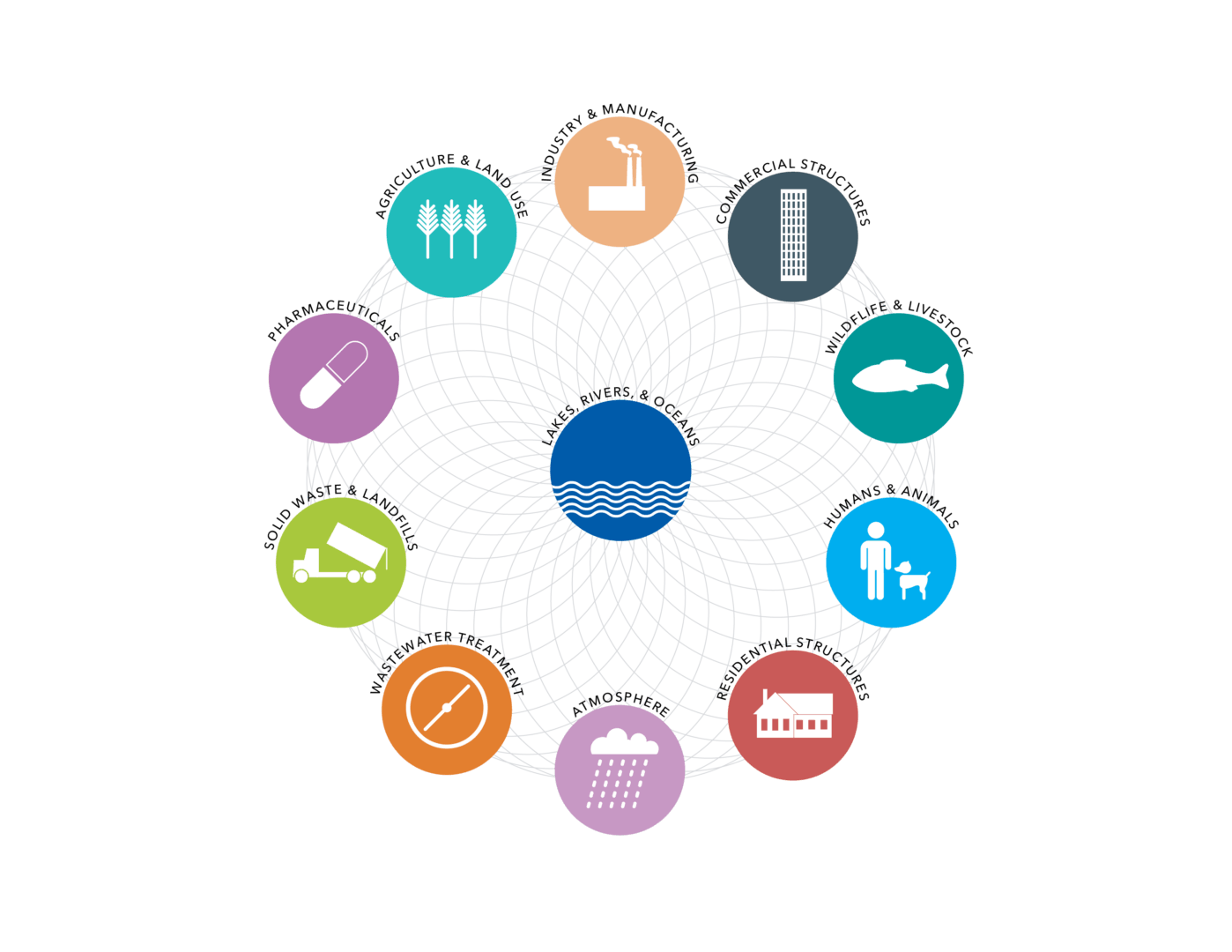
Per- and polyfluoroalkyl substances (PFAS), often called “forever chemicals,” represent an unseen crisis and a growing global threat. These highly durable synthetic compounds are now found virtually everywhere — contaminating water, soil, air, food, and indoor environments.
PFAS have even infiltrated the water cycle, with research showing that rainwater in most parts of the world contains levels that “greatly exceed” established safety limits. Used in thousands of everyday products since at least the 1950s, PFAS are now deeply embedded in global supply chains and daily life. Once released into the environment through various pathways, these compounds resist breaking down and can travel long distances, accumulating in people, wildlife, and ecosystems. Despite overwhelming evidence of widespread contamination and harmful impacts, regulations remain weak or nonexistent in many countries.
Industrial “Forever Chemicals” and the Threat to Public Health
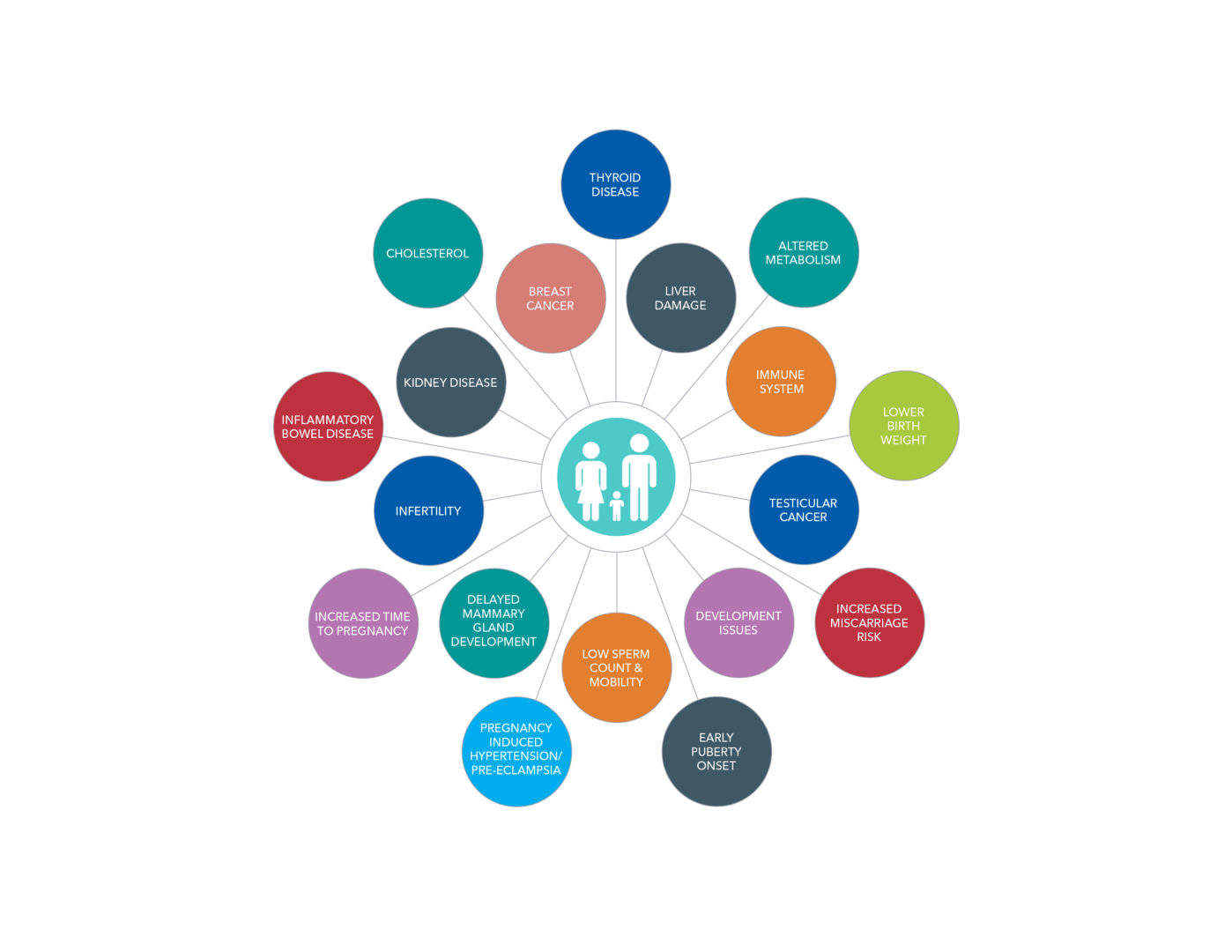
Due to their ubiquitous presence, PFAS are accumulating over time, and communities are facing serious health risks — not from just one, but from thousands of these toxic chemicals. A growing body of scientific research has linked exposure to serious health issues, including increased risk of kidney and testicular cancer, liver damage, immune system suppression, elevated cholesterol, thyroid disruption, and reproductive and developmental problems.
While research continues to examine the full health implications, one of the most studied compounds, perfluorooctanoic acid (PFOA), has been linked to serious health risks. The International Agency for Research on Cancer, part of the World Health Organization, has classified PFOA as “carcinogenic to humans” and perfluorooctane sulfonic acid (PFOS) as “possibly carcinogenic to humans.”
This threat is especially severe for communities already burdened by environmental pollution — including low-income populations, communities of color, and rural areas — who often live closest to industrial sources and have the fewest resources for water testing and treatment. These communities frequently show elevated levels of PFAS in their blood and face a range of serious health risks due to prolonged exposure.
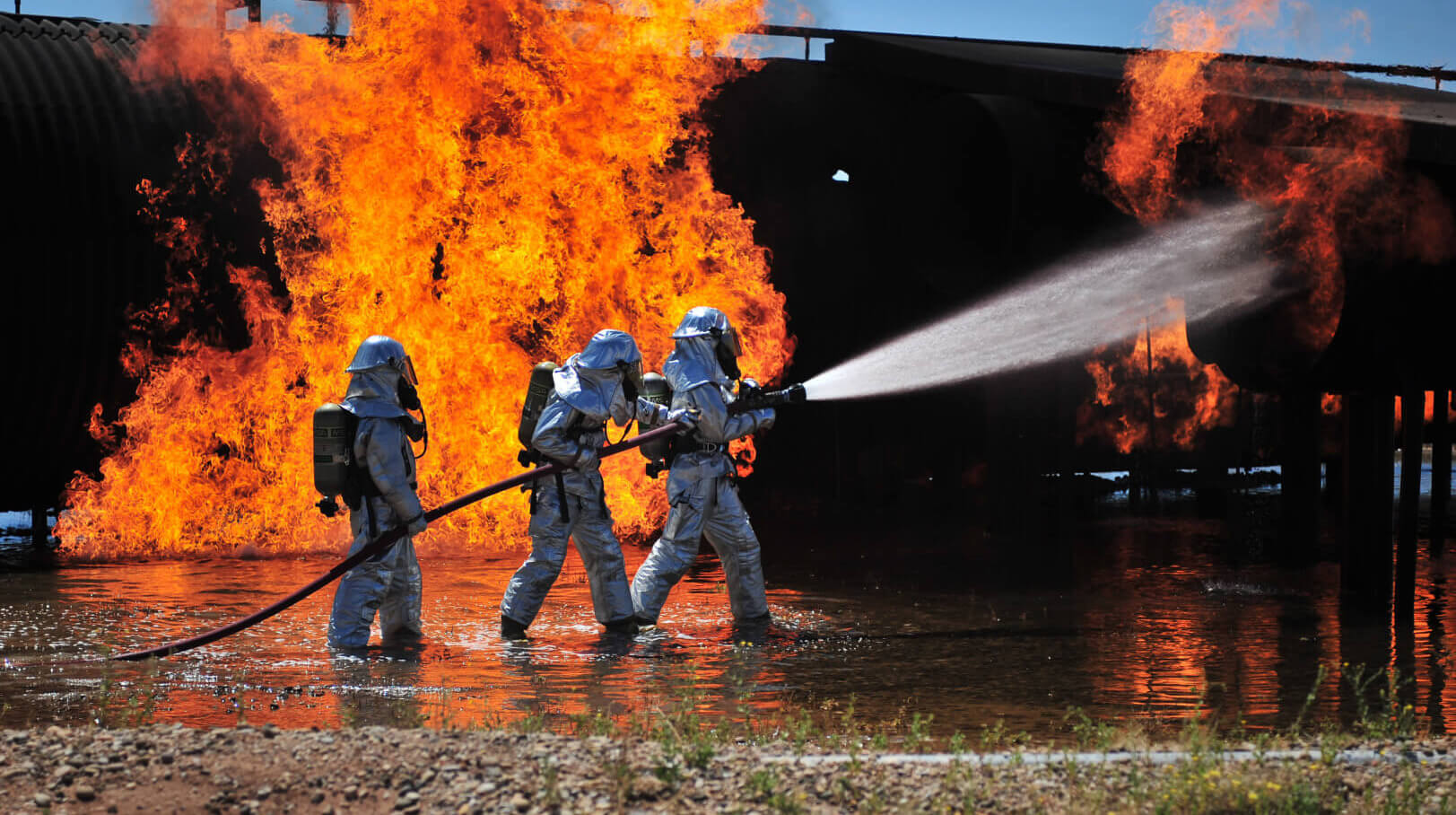
Meanwhile, the bioaccumulation of these persistent chemicals in waterways continues to accelerate, as industrial facilities worldwide have manufactured, used, and discharged them for decades with minimal regulatory oversight. Military sites and airports contribute significant contamination through PFAS-laden firefighting foams, while the mass production and disposal of consumer goods like nonstick cookware and stain-resistant fabrics introduce these compounds into wastewater systems and landfills. Industrial discharges, landfill leachate, and byproducts of wastewater treatment — including effluent, sewage sludge, and biosolids — serve as additional pathways for PFAS to enter and persist in the environment.

Because most wastewater treatment plants are not equipped to remove PFAS, these chemicals are redistributed into waterways and soils, where they accumulate and pose long-term risks to ecosystems and human health.
Filling in Data Gaps
Waterkeeper Alliance’s recent PFAS water monitoring project — the second phase of a multi-part initiative — specifically targeted U.S. communities disproportionately impacted by pollution and provides targeted, novel data confirming that PFAS contamination remains a serious and widespread problem.
Led by local Waterkeeper groups using advanced passive sampling technology and rigorous lab analysis, the project found PFAS at 98% of tested sites across 19 U.S. states, particularly downstream of wastewater treatment plants and biosolids (treated sewage sludge) land application fields. These sites showed elevated levels of multiple compounds, with 95% of wastewater treatment plant sites and 80% of biosolids sites recording higher concentrations downstream compared to upstream.
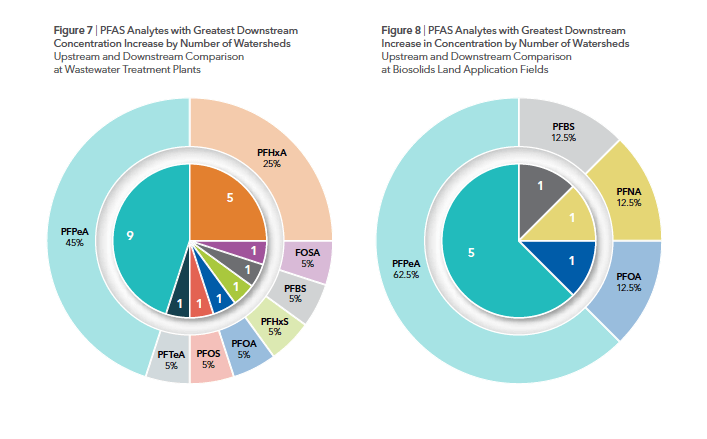
At nearly all of these sites, total PFAS levels exceeded health-protective thresholds, including the 1 part per trillion standard recommended by environmental health groups. Only one of the 22 wastewater plants near sampled locations had enforceable PFAS limits, and none had the advanced treatment technology needed to remove these chemicals.
Building on Waterkeeper Alliance’s 2022 findings, which revealed PFAS contamination in 83% of U.S. waterways tested — with at least one compound found in 95 out of 114 sites sampled — this latest effort reinforces that contamination is widespread, persistent, and concentrated in areas with limited oversight. The findings highlight critical regulatory gaps and underscore the urgent need for stronger government standards, investment in treatment solutions, and greater accountability to protect public health, especially in vulnerable communities.
Related Articles: Wicked Games: How Playing With Toys Can Expose Children to Harmful Chemicals | Plasticosis: A Synthetic Health Crisis Waiting in the Wings? | Forever Chemicals Found in Zippers Made by World’s Leading Supplier | EU Takes Action on Forever Chemicals, But Will It Be Enough?
Combating “Forever Chemicals” on a Global Scale
This crisis extends far beyond the United States. Globally, the dangerous and costly impacts of unregulated industrial PFAS pollution are being felt across continents. In Europe alone, an estimated 23,000 sites are contaminated, including water supplies, soil, and parts of the food chain. Many of these locations — such as manufacturing facilities and military bases where firefighting foam is heavily used — are either confirmed or highly likely to be contaminated.
This means that an estimated 12.5 million Europeans could be drinking PFAS-contaminated water that exceeds safety limits. Putting the health of countless communities in harm’s way not only hurts our families, but our wallets. In 2022, it was estimated that the health expenses associated with PFAS and other persistent chemicals in the EU could cost €52-84 billion every year.
A similar situation exists in Bangladesh, where three out of four tap water samples have tested positive for PFAS contamination, and 87% of surface water samples near garment factories contain these chemicals. Across Latin America, “forever chemicals” are spreading unchecked in countries like Argentina, Brazil, Mexico, and beyond.
For example, research has detected compounds in groundwater and surface water samples in Brazil, with PFOA, PFOS, and PFHpA being dominant. Despite the widespread presence of PFAS across the United States, Europe, and Latin America, government responses have often been slow, inconsistent, or inadequate given the scale of the contamination.
Europe has started to take stronger action, including new limits on PFAS in drinking water across all EU countries starting next year. Under the revised EU Drinking Water Directive, utilities will be required to test for PFAS beginning in January 2026. The law sets a limit of 100 parts per trillion (ppt) for 20 individual compounds and 500 ppt for the total amount in drinking water. If these levels are exceeded, water providers must take corrective action. The EU is further analyzing a ban on consumer uses of PFAS, a move considered by many to fall short of the pressing need to address industrial uses of the toxic substances.
Some countries are acting more aggressively than the EU. Denmark and Sweden have established much stricter national limits at just 2 ppt and 4 ppt, respectively. Germany is phasing in even tighter standards by 2028. Denmark has also banned six chemical ingredients commonly used in agriculture because they break down into trifluoroacetic acid, a long-lasting type of PFAS that contaminates groundwater.
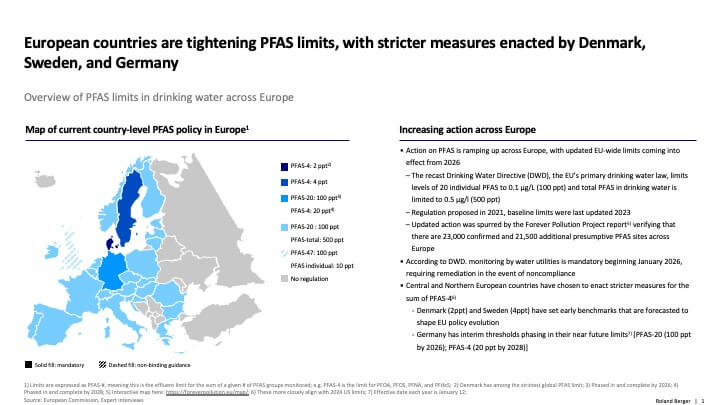
These early national actions are expected to influence future EU-wide policies. Still, many countries around the world lack strong regulations or even basic data on PFAS contamination. This leaves local communities and water sources vulnerable. The global response must move faster, and no country can afford to fall behind.
Taking Action Before the Point of No Return
Before this global public health crisis reaches a point of no return, urgent and decisive action is needed worldwide. We must enforce strict standards on all sources of PFAS pollution, starting with the industrial giants who profit while poisoning our planet. National and local governments must also expand access to cutting-edge treatment technologies and invest in data collection to ensure effective cleanup.
The Waterkeeper Alliance monitoring initiative underscores that meaningful progress requires both government and industry to have robust data to fully understand the scope of PFAS contamination and target efforts where they are most needed. At the same time, establishing binding standards for all PFAS compounds is essential to prevent further harm. Governments must prioritize funding for monitoring and treatment to protect the vulnerable communities most exposed to these toxic chemicals.
Every community deserves clean, safe water — no exceptions, no delays. The science is undeniable, and the consequences are escalating: we must act now to close policy gaps, hold polluters accountable, and secure a future where our waters are clean, healthy, and protected for all and for generations to come.
Editor’s Note: The opinions expressed here by the authors are their own, not those of Impakter.com — In the Cover Photo: Used at military bases and civilian airports, PFAS, or forever chemicals, in firefighting foam has contaminated drinking water across the country. Cover Photo Credit: U.S. Department of Defense.