Affordable, reliable energy matters because it affects whether households can pay their bills and businesses can prosper — but too often governments respond to energy shocks by managing the symptoms of insecurity while reinforcing dependence on volatile fossil fuel markets. Almost USD 5 trillion in public money has been poured into fossil fuels since 2020, which only perpetuates the problem.
The long-term solution to energy security is just the opposite — reforming fossil fuel subsidies in ways that improve all “4 As” of the energy security: availability, accessibility, affordability, and acceptability. It needs to be done carefully, but it is achievable and can deliver rapid benefits for consumers, government budgets, and reduced pollution.
Affordability: Canning gasoline and diesel consumption subsidies
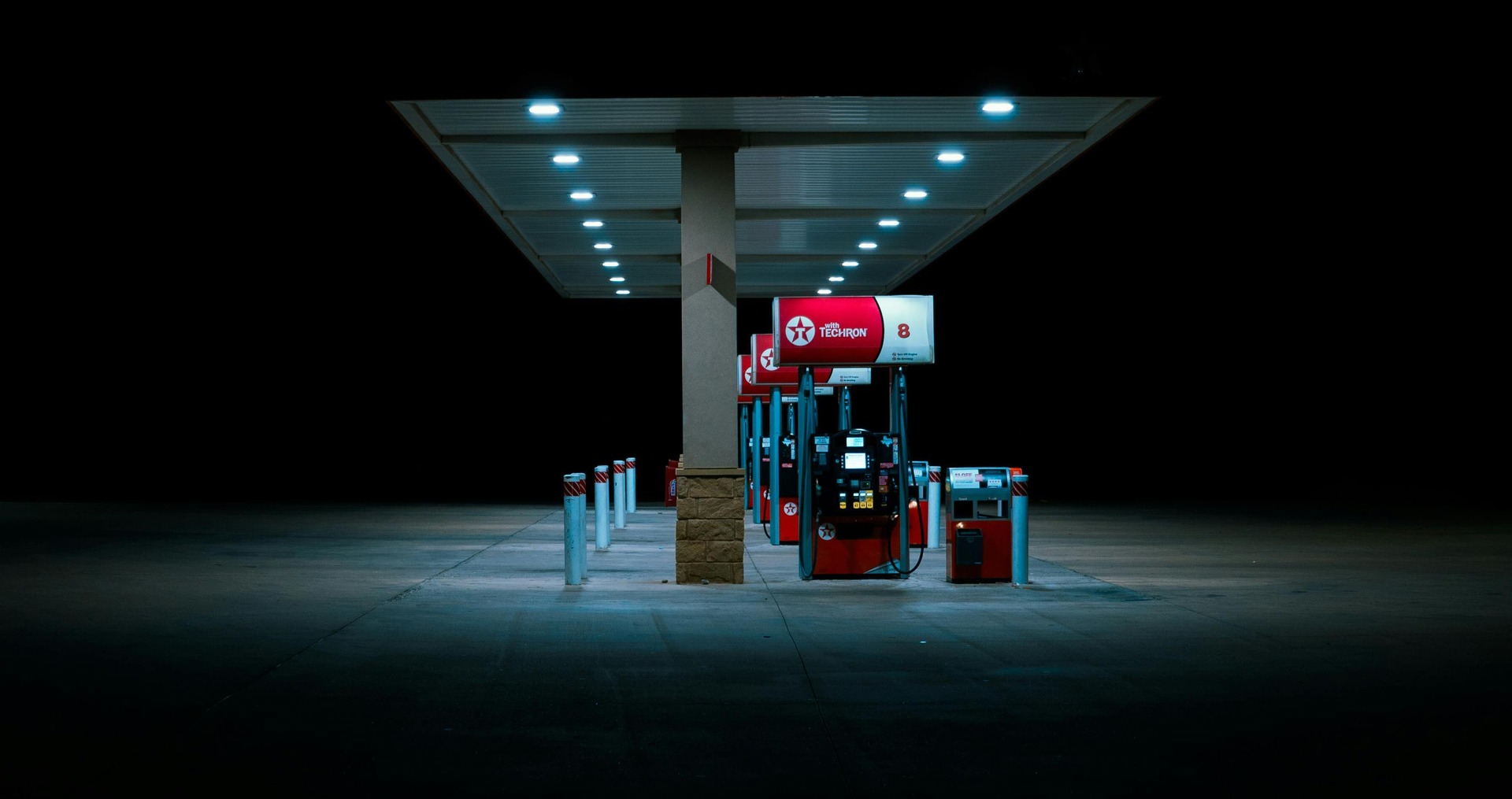
Most fossil fuel subsidies arise from governments capping prices on gasoline, diesel, and liquefied petroleum gas. It may seem impossible that removing these price controls could improve affordability, but hear me out.
The answer requires looking at the big picture of opportunity costs and long-term trends.
Phasing out consumer subsidies would save over USD 800 billion globally (based on 2024 data). The revenue could be used to support vulnerable consumers, help businesses cope with higher energy prices, and create an incentive for consumers to improve energy efficiency and switch to cleaner alternatives. The money could also be used to fund alternatives like public transport, cycling, and pedestrian infrastructure, as well as electric vehicle (EV) affordability.
If the future is anything like the past or present, we can expect persistent volatility and uncertainty in fossil fuel markets, driven by geopolitical tensions and trade disputes, not to mention added premiums from carbon and pollution taxes in many countries.
On the other hand, a future with cheap EVs powered by low-cost renewables is already within sight. Prices for solar modules and lithium-ion batteries have fallen by more than 90% since 2010, while wind turbine prices have fallen by 49%–78% over the same period. On a total cost of ownership basis — including purchase price, fuel, maintenance, etc. — many EVs are already competitive or cheaper than conventional vehicles, especially 2- and 3-wheelers and high mileage cars. In China, two thirds of EVs sold in 2024 were priced lower than their conventional counterparts, even without purchase incentives.
Other segments are catching up fast, including long-haul heavy trucks and low-mileage private cars, with most credible analyses expecting parity this decade, driven by declining battery costs, higher fuel prices, and tightening emissions rules. Obviously, local costs, subsidies, and vehicle types play a big part in cost competitiveness.
EV sales overtook internal combustion engine vehicles in the European Union for the first time in 2025. In China, EVs are approaching 50% of new car sales. Surprisingly, in December 2025, battery-electric heavy-duty trucks accounted for over half of new sales in China, a segment previously considered unlikely to transition due to challenges related to weight and range.
Fortescue, one of Australia’s largest iron ore producers, has set a target to eliminate emissions from its Australian land-based iron ore operations by 2030, including by switching to 100% EV trucks and renewables. More companies would follow their lead if the government removed the generous fuel tax rebate that is maintaining the status quo, despite changing economics and company values.
There is already evidence that the subsidy shift can work. India phased out petrol and diesel subsidies starting in 2010 and ramped up support for EVs. The result was a dramatic uptake of 2- and 3-wheeler EVs and a growing appetite for EV cars. Sales of electric cars in India increased by 45%, from 2024 to 2025.
EV uptake can also reduce dependence on imported fossil fuels. Replacing all imported oil for road transport globally with EVs would cut dependency on imported energy by a third.
Availability: Subsidizing fossil fuel production is like trying to dig yourself out of a hole
Many countries face recurrent rounds of disruptions in fossil fuel supply chains. Conflicts, sanctions, and trade wars are constantly ambushing global markets, driving unpredictable spikes in prices, and making long-term fossil fuel infrastructure investments increasingly risky.
Pouring money into shoring up fossil fuel supplies has been standard practice. In 2024, at least USD 43 billion was spent on subsidies to fossil fuel production, plus around USD 300 billion in investments by state-owned energy enterprises and another USD 37 billion in international public finance. How can removing these supply-side subsidies help energy security?
Instead, governments’ state-owned enterprises and finance institutions need to invest in renewable energy and storage to diversify the domestic power supply. They need a technology-neutral approach to energy security.
Once installed, renewables and batteries provide price-stable domestic power for more than 20 years. Adding solar, wind, and storage diversifies the energy mix, improving resilience. The number one golden rule of energy security is diversification, according to Fatih Birol, head of the International Energy Agency, the world’s leader on energy security.
Unlike fossil fuels, renewable power is usually produced domestically and therefore directly benefits national energy supplies.
Even for producer states, fossil fuels — particularly oil and gas — are frequently sold on international markets at international prices and sometimes provide little or no benefit for domestic energy independence or affordability. For example, Nigeria is a major producer of crude oil, of which 97% is exported; meanwhile, 100% of petroleum products are imported, creating a major energy security vulnerability.
Many forms of clean energy, including storage, are already cheaper on a levelized cost basis than fossil equivalents. However, integration costs and long-term storage often require government support. It is to these areas that governments can redirect fossil fuel support to lay the foundations for a modern, clean, reliable energy system. Governments do not need to foot the whole bill — they can crowd in private investment with incentives, public finance, loan guarantees, and public–private partnerships, and by creating a stable policy environment for investors. But first, they need to phase out fossil fuel subsidies to encourage the shift.
Related Articles
Here is a list of articles selected by our Editorial Board that have gained significant interest from the public:
Accessibility: The distributed energy revolution
Over 700 million people currently lack access to electricity, mostly in sub-Saharan Africa and in rural areas. Connecting remote locations to the grid is expensive and slow, particularly for low-income nations. Long-range transmission lines are also vulnerable to damage, leaving rural communities at high risk of blackouts.
Fossil fuel subsidies for coal and gas power are therefore not the most efficient way to deliver electricity to these households. According to the International Energy Agency, solar-powered mini-grids and standalone systems are the best options for most communities that currently lack access to electricity. Shifting support from fossil fuels to distributed renewable energy can therefore help reduce rural energy poverty.
In India, supplying power to agricultural consumers and low-income households has resulted in huge subsidies for grid electricity, mostly from coal, which undermines the financial viability of the grid. Solar irrigation pumps and rooftop installations have become a key strategy for reducing these subsidies and providing a reliable power supply. Solar irrigation pumps can also deliver broader community benefits by powering “secondary uses” like grain mills and electric cookers.
Acceptability: Shifting support from pollution to solutions
Energy security is more than the availability of energy at reasonable prices; it also requires that the energy sources and use must come with acceptable impacts and risks. Subsidizing fossil fuels exacerbates greenhouse gas emissions, air pollution, natural resource exploitation, and associated social impacts on affected communities.
Clean energy also has negative environmental and social impacts, which need to be carefully managed. Renewable energy uses more land than fossil fuels, raising concerns about impacts on land quality and competition with other needs. Extracting and processing critical minerals, then disposing of technologies at the end of their life, further adds to their footprint.
However, unconditional subsidies for fossil fuels do nothing to bring about a more environmentally and socially responsible energy system. Whereas support for renewables — done right — can transition the world to a more sustainable system through incentives and regulations to improve component recycling, land-siting practices, and responsible mining.
Conclusion
Every energy crisis has seen governments pour more money into the fossil fuel system, seeking to shore up supplies and affordability. Following the 1970s oil crisis, some governments also invested in the cure: energy efficiency and renewables to break dependence on the volatile and geopolitically risky fossil fuel market. This investment is paying off.
Solar, wind, and battery storage are now highly affordable and offer a way out of fossil fuel dependency.
Fossil fuel subsidy reform can help this transition in two ways. First, simply by increasing prices, consumers and investors are encouraged to use less fuel and switch to alternatives. Second, the money liberated can be used to accelerate the transition to clean energy, which is getting cheaper and offers a future of price-stable, domestically produced, and clean energy, including for those in remote areas that currently lack electricity and clean cooking.
** **
This article was originally published by the International Institute for Sustainable Development (IISD) and is republished here as part of an editorial collaboration with the IISD. It was authored by Tara Laan.