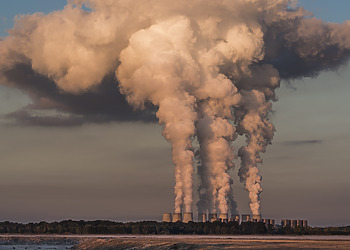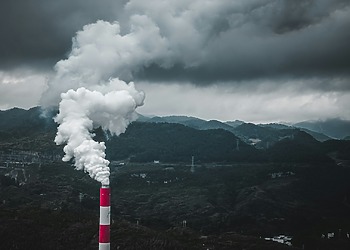
The ocean covers more than 70% of the Earth’s surface and currently holds more than 50 times the amount of carbon dioxide as the atmosphere. The ocean carbon reservoir holds 15-20x more carbon than all land plants and soils combined. The ocean is the planet’s most powerful climate regulator, absorbing roughly 25-30% of all human-caused carbon emissions every year.
The Intergovernmental Panel on Climate Change (IPCC) recognized in 2019 that emissions reductions alone would not be sufficient to hold us back from overshooting the 1.5°C target, the threshold scientists have identified beyond which the most severe and potentially irreversible climate impacts become dramatically more likely. However, the panel stressed that “the longer the delay in reducing CO₂ emissions towards zero, the larger the likelihood of exceeding 1.5°C, and the heavier the implied reliance on net negative emissions after mid-century to return warming to 1.5°C.”
It has been six years since this statement was made. To ensure that the risks of carbon dioxide removal (CDR), the process of actively pulling CO₂ out of the atmosphere and storing it, are minimized, the world’s leading scientists, universities, and governmental organizations have been tasked with handling this solution to save our planet, as emissions reductions are simply not enough at this point. The inherent problem is that businesses continue to rely on the next great technological innovations, invest in them, and solve their emissions problems by claiming net-zero.
For every company avoiding the real problem — that emissions need to be significantly reduced and every player must step up — there is an invisible handshake between CDR startups and businesses. Companies are agreeing to continue business as usual, with the added promise of a technological fix whose long-term impacts remain uncertain.
It is within this context that ocean-based carbon removal has entered the realm of solutions. Ocean alkalinity enhancement (OAE) is a specific type of carbon dioxide removal that is growing in popularity as some scientists and businesses consider geoengineering as a solution to the climate crisis. OAE uses seawater’s natural chemistry to convert dissolved CO₂ into carbonate and bicarbonate, allowing the ocean to absorb more CO₂.
It is like adding a natural antacid to the sea: by raising the ocean’s capacity to neutralize acids, we can increase how much carbon dioxide it pulls out of the atmosphere and locks away. Scientific papers on OAE have been published for the past decade, but the first U.S. open-ocean field trial, The LOC-NESS Project, is only just now underway.
Responsible, science-led field trials do exist, carried out by institutions for whom ocean health is a genuine priority rather than a marketing claim. Yet the commercial sector is already entering the space, raising the very real prospect of large-scale projects motivated by profit and carbon credit sales rather than a rigorous understanding of the consequences.
In some cases, turning mitigation efforts into business opportunities is an incredible solution, molding necessary climate action into our capitalist society. However, when business takes priority over letting research take its course, we risk compromising the health of the planet’s most vital ecosystem simply to give corporations cover for their emissions.
The LOC-NESS Project, run by the Woods Hole Oceanographic Institution, aims to assess how regional ocean conditions interact with OAE by conducting two small-scale, closely monitored open-ocean field trials and actively engaging coastal communities in the decision-making process throughout.
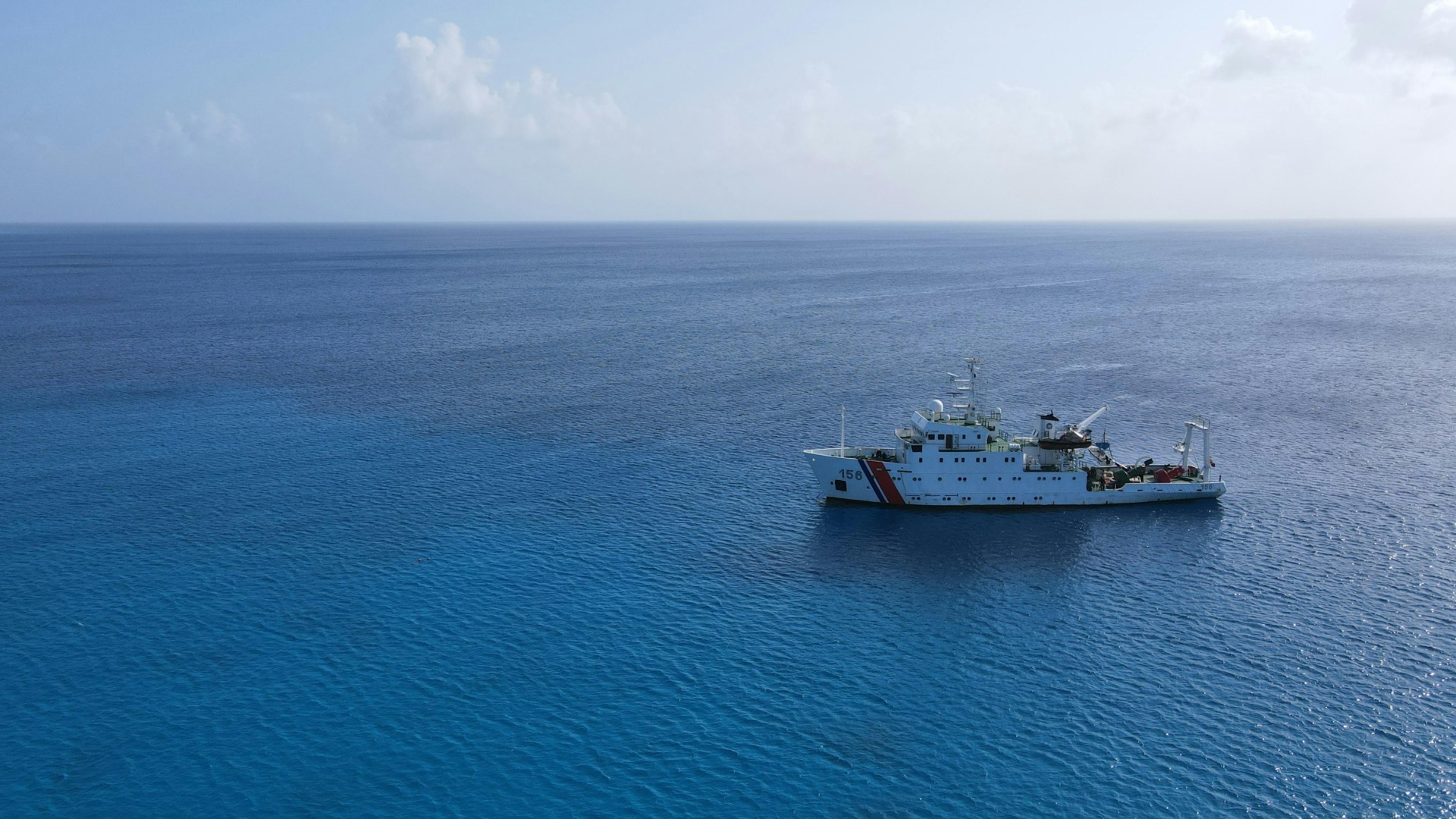
In August 2025, the LOC-NESS team conducted its landmark field trial in the Wilkinson Basin area of the Gulf of Maine. For six hours, researchers dispersed highly purified sodium hydroxide into surface waters with a red tracer dye to track its movement. Four days of round-the-clock monitoring followed, with scientists aboard a research vessel tracking exactly what happened to the ocean when its alkalinity was nudged upward.
The preliminary results are, cautiously, encouraging. Seawater chemistry returned to baseline within expected timeframes, and no measurable impact on ocean life was detected. Bacteria, phytoplankton, zooplankton, fish larvae, and lobster larvae inside and outside the test area showed no significant differences. The experiment confirmed that small-scale OAE can produce conditions allowing the surface ocean to actively draw down carbon from the atmosphere. Still, scientists are clear that more research is needed, particularly on longer-term impacts on fisheries.
The project is also working to solve one of OAE’s most pressing technical gaps: there are currently no proven methods to measure and verify exactly how much carbon has been stored. Without that monitoring and verification framework, no form of ocean-based carbon removal can be deployed responsibly at scale.
Related Articles
Here is a list of articles selected by our Editorial Board that have gained significant interest from the public:
Other initiatives like the Carbon to Sea Initiative are trying to ensure that OAE is tested in safe ways, campaigning for governments to support high-quality CDR research, rather than handing that responsibility to the private sector prematurely.
The ocean and human health are deeply intertwined in ways that rarely make headlines. The ocean produces over half of the world’s oxygen, regulates global temperatures, and supports the food security of more than three billion people who rely on seafood as a primary protein source. Ocean acidification, the direct result of the sea absorbing excess CO₂, is already bleaching coral reefs, dissolving the shells of oysters and other shellfish, and disrupting the marine food webs that underpin coastal economies worldwide.
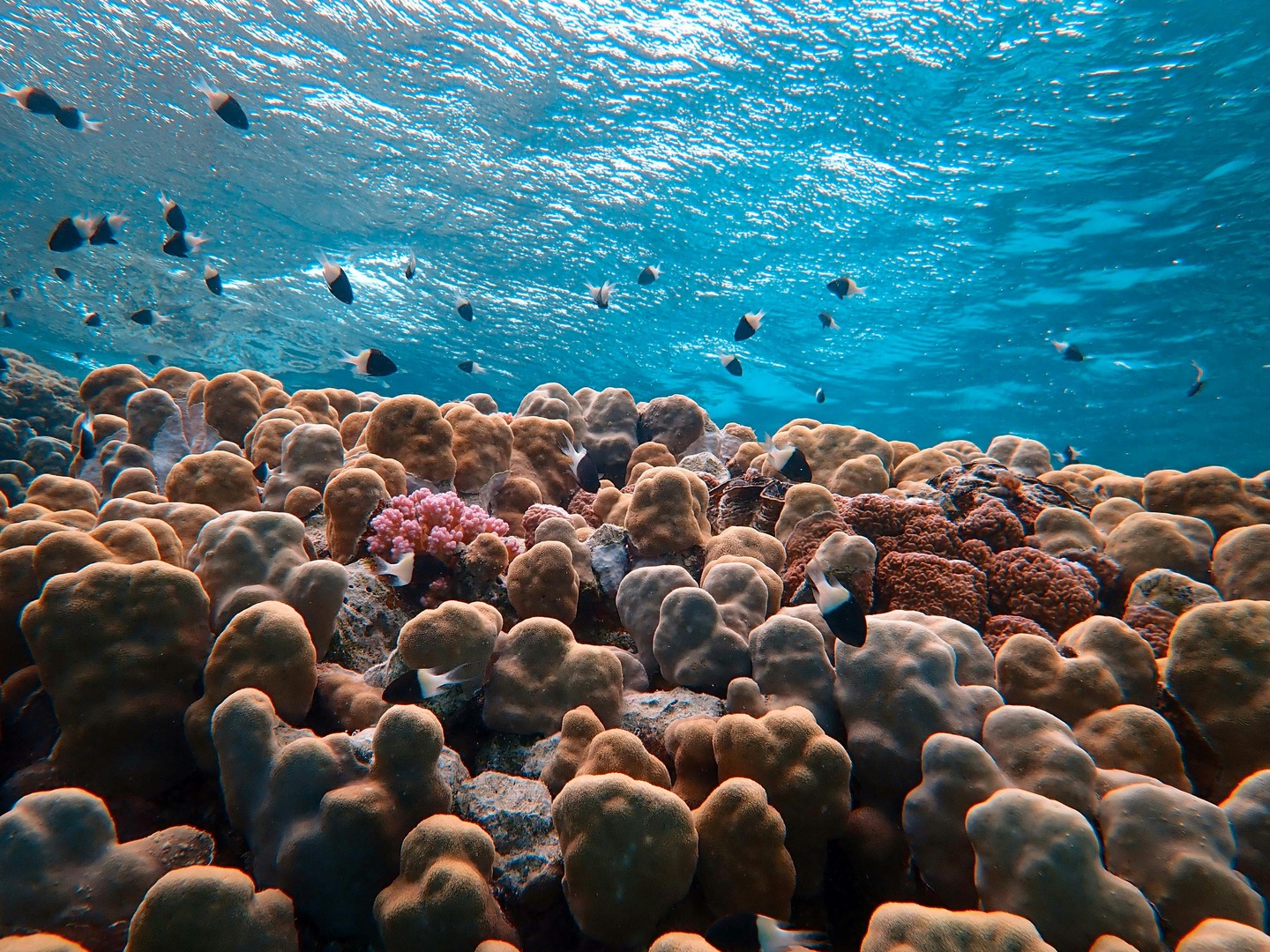
Any intervention in ocean chemistry, however well-intentioned, carries real risk to these systems. That is precisely why research projects like LOC-NESS matter, and why more time is needed to carry out small-scale experiments before we start using OAE as a widespread CDR technique.
Despite OAE being a fantastic scientific discovery, no form of carbon removal is a valid substitute for cutting emissions. CDR is meant to address the carbon we cannot avoid producing, not to create permission to keep producing it. When geoengineering becomes a reason to slow down on emissions reductions, it stops being a climate solution and becomes a liability. The invisible handshake between corporations and CDR startups can further stall climate progress rather than accelerate it.
The ocean has been absorbing our mistakes for centuries. Businesses and governments need to do the hard work to slash emissions, while researchers continue to experiment with potential solutions that can accompany global emissions reductions. Unfortunately, we are past the point of an easy technological fix, and we absolutely cannot push the ocean past its breaking point.
Editor’s Note: The opinions expressed here by the authors are their own, not those of Impakter.com — In the Cover Photo: Foam swirl seen from above. Cover Photo Credit: Matheo JBT.