Almost 80 years after the creation of the United Nations, the Summit of the Future this month represents a timely effort to revitalise UN-based multilateralism to address the shared global challenges of our time.
Only 16% of the Sustainable Development Goal (SDG) targets are on track to be achieved by 2030.
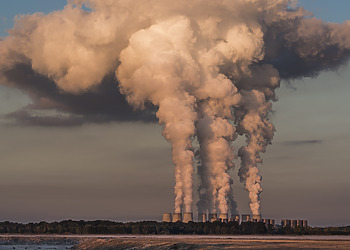
War is raging in many parts of the world, with rising tensions among nuclear powers. The consequences of climate change are increasingly visible.
Global challenges can be solved only when “appropriate frameworks of multilateral governance” are adopted and respected, as UN Secretary-General António Guterres recently explained.
The UN Charter established in 1945 outlines the purposes and principles of the UN to promote peace, friendly relationships among nations and global cooperation on socio-economic affairs. Ultimately, nation states remain at the heart of the UN-based multilateral system.
Why rank nations?
Essentially, nations hold the keys to “what it is that they will allow the [UN] to do and what resources — financial and otherwise — they will provide,” as the 2022 book The UN in the 21st Century puts it. In this way the UN is often subject to political influence and the “whims of member governments”.
Nations are responsible for ratifying and implementing UN treaties. Each nation has one vote at the UN General Assembly and can decide to participate in and finance the work of multilateral organisations (or not).
Since nations are still at the centre of the multilateral system, they must be held accountable for promoting UN-based multilateralism and implementing SDG17 (“Partnerships for the Goals”).
A new index of countries’ support for UN-based multilateralism, released in June, evaluates countries’ efforts to promote the principles established in the UN Charter — principles that can enhance better international cooperation for sustainable development.
The index uses six headline indicators including: ratification of major UN treaties; percentage of votes aligned with the international majority at the UN General Assembly; participation in selected UN organisations and agencies; participation in conflicts and militarisation; the use of unilateral coercive measures (such as sanctions and embargos); and contribution to the UN budget and international solidarity.
The (good, bad and ugly) findings
The index reveals a positive general picture of support for UN-based multilateralism — but also highlights a handful of powerful outliers that show lower support.
Overall, most countries do signal their intention to support UN-based multilateralism. The average score across all 193 UN Member States of 65 and the median is 70. For example, of the 193 UN Member States, 90 percent have ratified two-thirds or more of the major UN treaties, 66 percent vote with the international majority at UN General Assembly two-thirds of the time, and more than half are members of the 24 international organisations and entities considered.
Barbados ranks number one followed by Antigua and Barbuda and Uruguay. (Interestingly, Barbados is behind the Bridgetown Initiative launched in 2022, which calls for urgent and decisive action to reform the international financial architecture.)
Now for the less-than-good news.
A handful of countries, including some large and powerful players, show lower support for UN-based multilateralism.
The Democratic Republic of the Congo, Russia, Syria, Afghanistan, Iran, North Korea, Israel, South Sudan, Somalia, and the United States are the 10 countries least committed to UN-based multilateralism, all with scores below 50 (and below 40 for the North Korea, Israel, South Sudan, Somalia and the US).
The US ranks last in support for UN-based multilateralism.
It ratified three out of the nine core UN Human Rights treaties — fewer than any other G20 members and large countries (above 100 million inhabitants). From 2018-2022, the US vote at the UN General Assembly was aligned less than 25 percent of the time with the majority vote of the international community (compared with around 75 percent for China and India for example).
Related Articles: End the United Nations? Bad Idea | A Short History Of The SDGs | Achieving the SDGs, it is Everyone’s Business | A (Non) Modest Proposal for the G20: A Sustainable World Commission to Achieve the SDGs | All SDGs ‘Seriously Off Track,’ UN Report Finds
Since the 1990s, the number of unilateral coercive measures introduced by the U S has increased sharply, even though several UN resolutions stress that unilateral coercive measures and practices are contrary to international law and international humanitarian law. The US spends more annually on defence than the next nine countries combined.
What’s more, the US is among the few federal governments in the world that never presented a Voluntary National Review on its progress and action plan toward the SDGs at the UN. Most governments in July 2024 presented their second, third or even fourth review and action plan to achieve the SDGs.
This contrasts with the active role played by several US States, cities, scholars and civil society organisations to advance the SDGs. Several US states and cities have presented Voluntary Local Reviews.
Overall, the poor performance of the US Federal government on the index suggests that the concepts of “rules-based-international order”, promoted by the US government, and “UN-based multilateralism” are truly distinct, and arguably, even opposite concepts.
Towards a UN 2.0 to deal with 21st-century global challenges
The lack of support for and engagement with the UN processes by recent US Federal governments is in sharp contrast with the leadership role that President Franklin Roosevelt — and his wife Eleanor — played in the 1940s in setting up the UN system, learning from the failures of the League of Nations (1920-1946).
Midway between the founding of the UN in 1945 and 2100, we need thought leadership and diplomacy to foster more effective global cooperation in a multipolar world which counts 193 UN member states (compared with around 50 in 1945).
New institutions and new forms of global financing — including global taxation — may be required to achieve peace and sustainable development for all.
The SDSN Statement published ahead of the UN Summit of the Future and endorsed by more than 100 leading scientists and practitioners from around the world makes practical recommendations to strengthen the UN system and advance long-term sustainable development.
In Building a Just World Order Alfred de Zayas, also makes important recommendations to improve the functioning, inclusiveness and enforcement mechanisms of the UN system.
The solutions exist to build a more effective UN-based multilateral system, but require courage and goodwill from all UN member states.
** **
This article was originally published by 360info™.
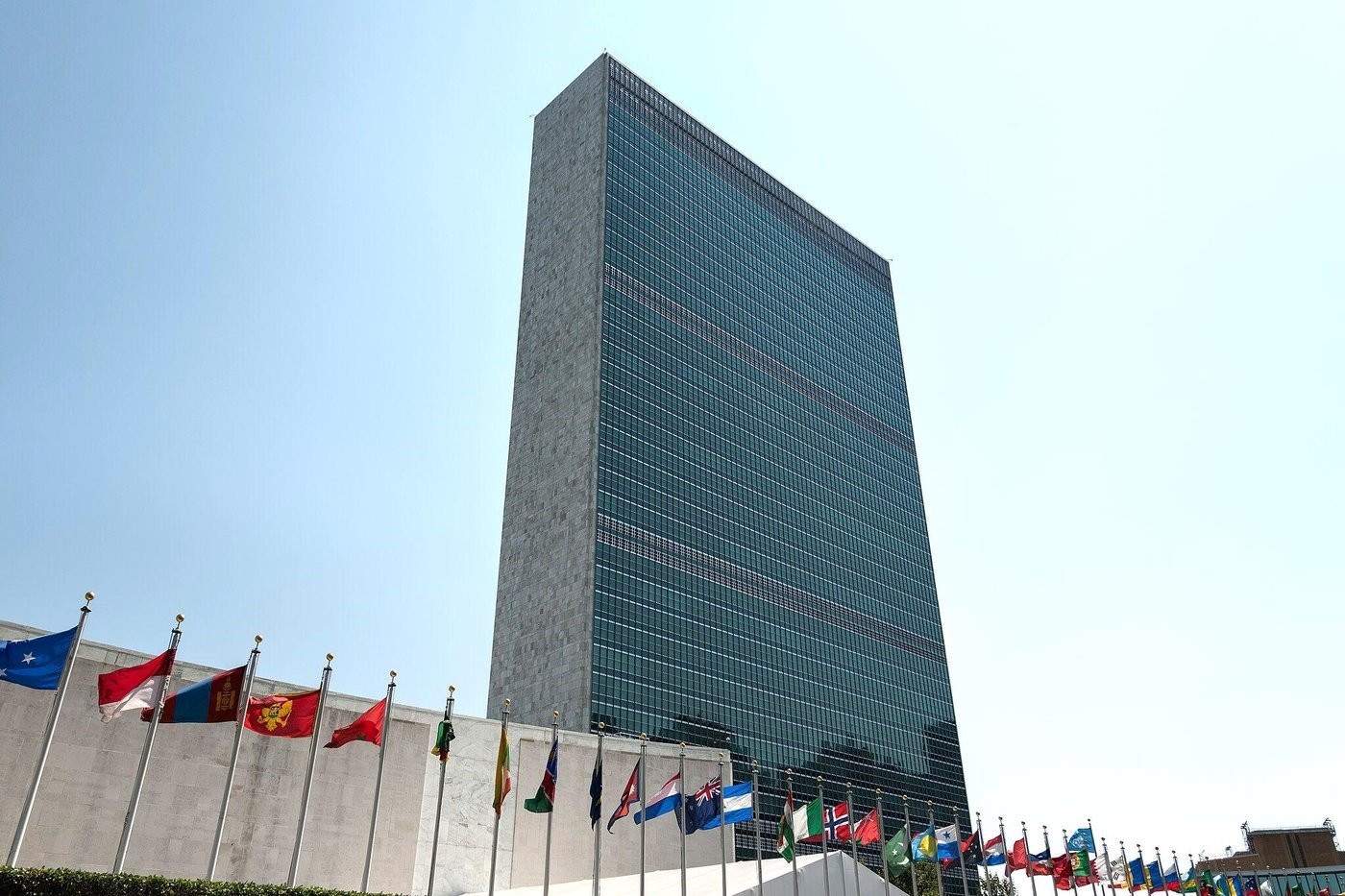
Editor’s Note: The opinions expressed here by the authors are their own, not those of Impakter.com — In the Cover Photo: A major event at the UN’s New York headquarters this month, the Summit of the Future, presents a timely opportunity for attendees from all over the globe to address the major challanges facing our time. Cover Photo Credit: Wikimedia commons/Giorgio Galeotti.