Short-term exposure to high levels of air pollution kills more than one million people every year. And while Asia and Africa are particularly at-risk, Australia isn’t immune to the danger.
With climate change making smog and bushfires more common, it’s likely more people will die from air pollution in coming years — especially in densely populated cities.
Those are some of the key findings from our recent research, published in Lancet Planetary Health last month.
Bushfires and emissions put Australians’ health at risk
Australia usually enjoys excellent air quality, being one of only seven countries that meet the clean air standards set by the World Health Organization (WHO).
But there’s a catch. Sometimes, Australia’s air pollution levels jump significantly — and breathing in that polluted air can make us sick.
Bushfires, especially in summer, are a key reason for these pollution spikes. These fires emit smoke and tiny harmful particles into the air, degrading the air quality.
For instance, researchers found that during the “Black Summer” bushfires of 2019-2020, the air pollution was 15 times worse than levels considered safe by WHO. This bad air was linked to 429 people dying sooner than they might have otherwise — and more than 3,000 people landing in hospital because of breathing problems or heart issues caused by smoke.
Dust storms and emissions from industries and vehicles are also contributors to these pollution peaks. When there’s a lot of activity from factories or more cars and trucks on the roads, the amount of pollution released into the air can increase quickly.
Air pollution doesn’t just make it hard to breathe. It can also harm other parts of the body, including the heart, blood vessels, and brain.
One of the tiniest troublemakers in the air are tiny particles known as “fine particulate matter” (PM2.5). These particles — which are tinier than a red blood cell — can get deep into your lungs and even into the blood, affecting our health. The WHO says PM2.5 is one of the most health-damaging particles, and affects more people than any other pollutant.
When you’re exposed to a lot of this pollution for a short time, it can make problems like asthma worse, and you might cough, wheeze, or feel short of breath.
Being around too much air pollution for even a little while — just hours or days — can speed up health issues with your lungs and heart, making you more likely to need to go to the hospital or even increasing the risk of dying sooner.
Short-term exposure can be serious
Air pollution can affect everyone, but it is especially risky for kids, pregnant women, and old folks. This is true especially when cities get hit with short, intense bursts of dirty air. (Both long-term and short-term exposure are harmful to human health. Long-term exposure is generally thought to contribute to a larger mortality burden than short-term exposure due to its cumulative effect on health.)
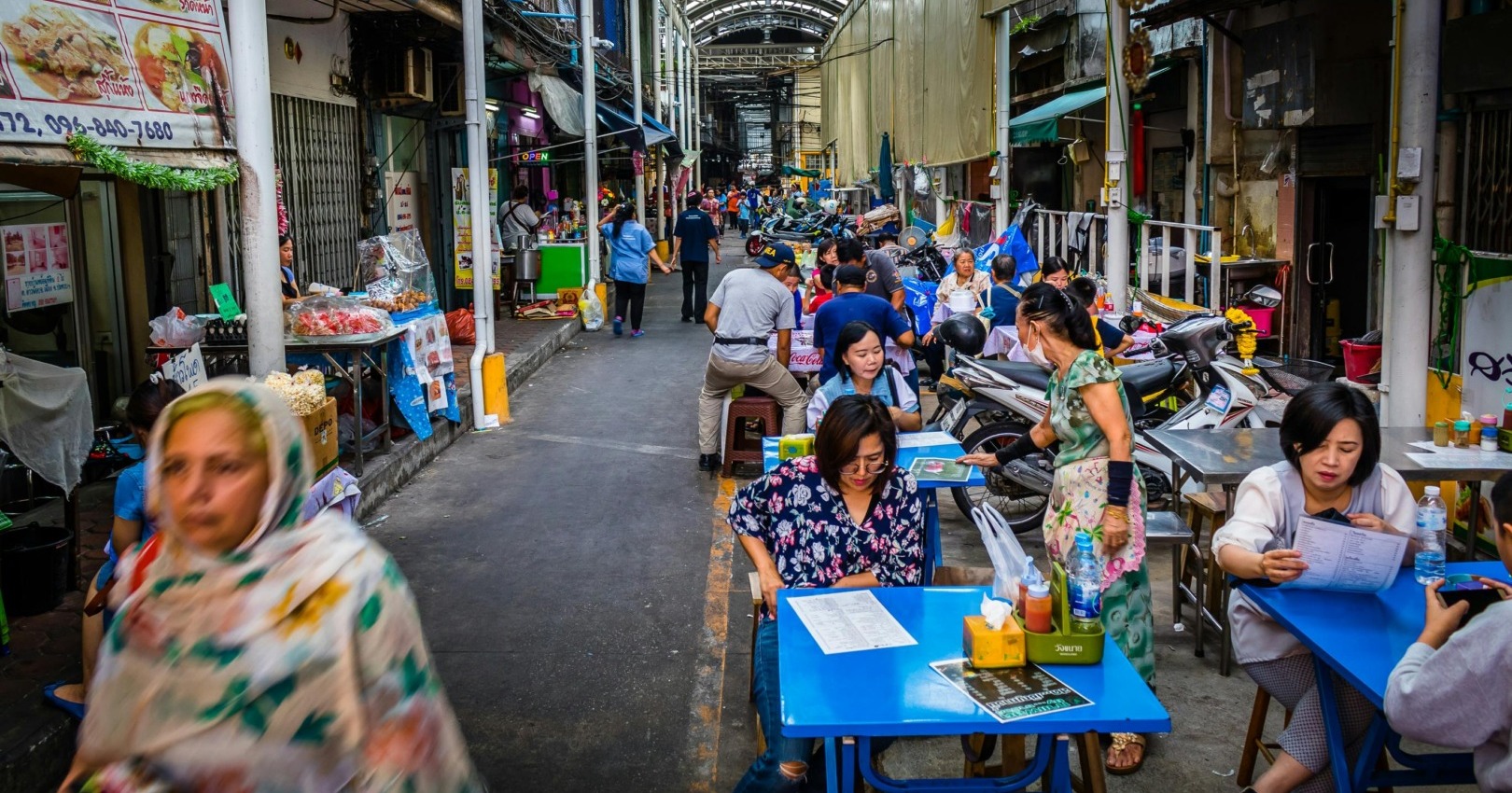
Cities are often warmer than rural areas due to a condition called the ‘urban heat island effect’. It can make the air still and no longer move much. In urban areas with large populations, especially those who may already be sick or vulnerable, more people may die from short spikes in air pollution.
Asia and Africa account for almost 80% of all air pollution-related deaths. What’s more, over a fifth (22.74%) of these deaths happen in cities, according to a recent global study.
Before this Monash University study, scientists had looked mainly at how breathing polluted air over a long time affects people’s health. They hadn’t paid much attention to the sudden increases in pollution that can happen because of things like wildfires, dust storms, or other unusual events, especially in smaller towns and cities.
The study was the first time we really looked into how these short spikes in air pollution across the world can be deadly.
It checked out the air in over 13,000 cities and towns worldwide, from the last 20 years up to 2019. It’s shining a light on how dangerous these temporary pollution increases can be.
Asia suffers the worst
Asia faces the heaviest toll in terms of deaths linked to short-term fine particulate air pollution, shouldering about 65.2% of those deaths (“global mortality”).
Africa and Europe follow, with 17% and 12.1% of the global deaths. The Americas saw a relatively lower impact, accounting for 5.6% of such deaths.
China, especially its cities, has had the highest death toll from short-term spikes in air pollution over the past 20 years. Countries in southern Asia, like Bangladesh, India and Pakistan, have seen a fast rise in these deaths, climbing up the global ranks.
Now for the good news for Australians: According to the study, Australia and New Zealand had some of the lowest numbers of deaths (0.1%) linked to acute fine particulate air pollution, with an average of 614 people dying due to such pollution between 2000-2019.
But there’s a catch for Australia. Deaths caused by this short-term air pollution jumped 40% during these years, from 0.54% in 2000 to 0.76% in 2019. This increase is likely due to more frequent and intense extreme air pollution events, such as bushfires and dust storms.
Related Articles: Air Pollution is Leading Environmental Killer, Claiming 7 Million Lives | How Polluted Is the Air in Europe? | Wildfire Smoke Is Choking Indigenous Communities | How Air Pollution Could Be Affecting Antibiotic Resistance | Air Pollution ‘Significantly Associated’ With Breast Cancer Incidence | How Useful Is the Air Quality Index? | Why the EU Parliament Vote on Cleaner Air Rules Is Not Enough
What can we do about air pollution?
The solutions to air pollution don’t involve simply cleaning up the air; they’re also about protecting ourselves from the harm pollution can cause.
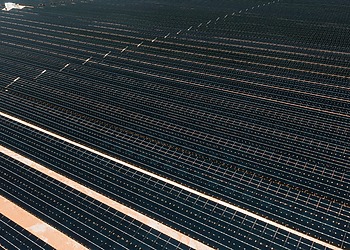
First, we’ve got to cut down on air pollution. This means things like switching to cleaner energy (think wind or solar power); making things run more efficiently so they don’t waste as much energy and cutting down on the smoke and fumes from cars and factories.
But sometimes, pollution levels can spike suddenly. When this happens, we need to keep safe. Some places have emergency plans for when the air gets really dirty, like limiting car travel, pausing factory work, or even closing schools for a bit.
Staying informed is key. We need warning systems that tell us when the air is getting bad and what we can do about it. Learning about air pollution helps, too, so we know how to protect ourselves. This could mean guidelines on what to do when the air quality drops.
What can you do to protect yourself and your family? If the air outside is bad, try to stay indoors and keep windows closed to keep the dirty air out. If you need to go outside, think about wearing a mask. Use air purifiers to clean the air inside your home. And finally, cut back on outdoor exercise until the air gets better.
** **
This article was originally published by 360info™.
Editor’s Note: The opinions expressed here by the authors are their own, not those of Impakter.com — Cover Photo Credit: Leo.