When corporate executives arrive at Dubai on their flights, they make scores of decisions before their aircraft has a chance to touch down on the runway. In which hotel is the meeting located? What form of transportation does their company deserve? Artificial intelligence is now usurping this decision-making burden from corporate operators everywhere.
The relationship between AI and luxury experiences appears surprising. However, think about a CEO organizing successive meetings in a large area like Dubai. The AI algorithms determine the best routes, the time to leave, and even the vehicles for the event.
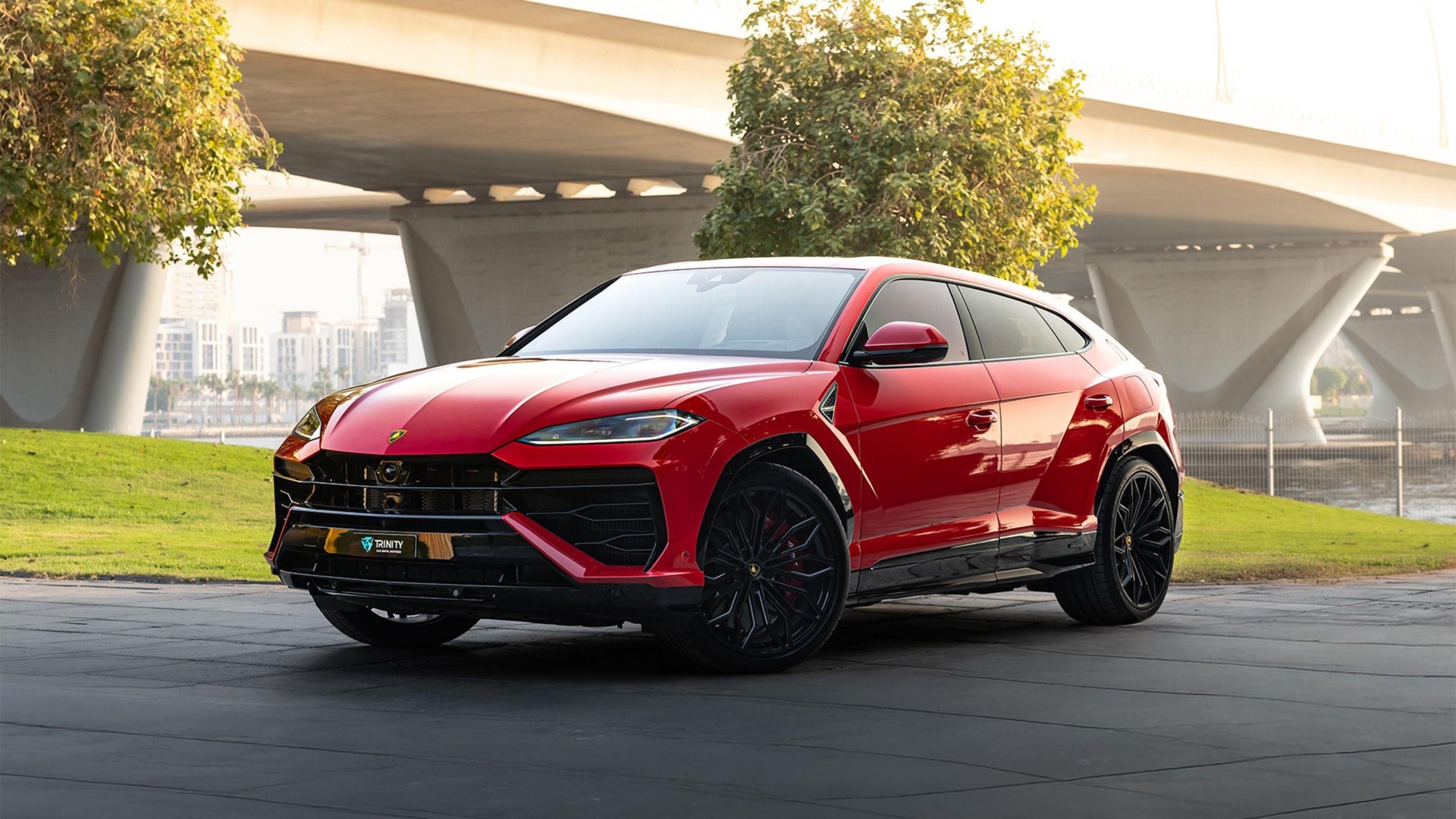
For client dinners in Downtown Dubai, many executives book an Urus rental Dubai through Trinity Rental to make the right impression—a decision increasingly informed by AI-powered scheduling tools that factor in travel time, parking availability, and venue proximity.
How AI Reshapes Corporate Mobility Choices
Traditional business travel planning relied on assistants, travel agents, and guesswork. Modern AI platforms analyze patterns most humans miss. They notice that Tuesday morning traffic on Sheikh Zayed Road adds forty minutes to airport transfers. They flag that certain premium vehicles perform better for desert excursions to client sites in Abu Dhabi. They remember individual preferences and adapt recommendations accordingly.
The shift toward AI-assisted decision-making manifests in several practical ways:
- Route optimization. AI calculates fastest paths between meetings, accounting for construction, events, and prayer times.
- Vehicle matching. Algorithms suggest appropriate cars based on passenger count, luggage requirements, and meeting formality.
- Cost analysis. Platforms compare rental options, factoring in fuel costs, mileage limits, and hidden fees.
- Schedule integration. AI syncs transportation bookings with calendar apps, adjusting pickup times when meetings run long.
Due to its status as an international business destination, Dubai is a place where these technologies are being explored. Every week, finance, technology, and property sector CEOs with high demands on transportation meet here.
The Human Element Remains Essential
Despite AI’s analytical power, certain decisions still require human judgment. Choosing between a VIP sedan and an exotic SUV involves brand perception, personal comfort, and cultural considerations that algorithms struggle to quantify. This explains why companies like Trinity car rental pair technological efficiency with dedicated human support.
Trinity Rental exemplifies this hybrid model with several client-focused advantages:
- Fleet quality. New vehicles with minimal mileage, including 2024 models that feature the latest technology.
- Flexible delivery. Car delivery to any location across Dubai, whether airport, hotel, or private residence.
- Payment options. Accept cash, card, and cryptocurrency for international business travelers.
- Fuel included. Full tank of fuel provided as a complimentary gift with each rental.
- Personal service. A dedicated manager is assigned to handle all requests throughout the rental period.
- Driver availability. Professional chauffeur with driver service when executives prefer not to navigate unfamiliar roads.
- Generous mileage. 300 kilometers per day is included in the base rental rate.
- Transparent pricing. Tax is included in the rental price with no surprise charges at return.
When you rent a car in Dubai through established premium providers, the experience combines both approaches. AI handles logistics – confirming delivery locations, processing payments, tracking vehicle availability. Human managers address nuanced requests that computers cannot interpret. Need the car delivered to a specific hotel entrance rather than the main lobby? Prefer a particular interior color for photo opportunities? These details require conversation, not computation.
AI Applications Beyond Transportation
The application of artificial intelligence permeates the Dubai business environment. Real estate companies apply predictive analytics to discover new investments. Hotel companies apply chatbots that can process bookings in different languages. Banking institutions apply fraud analysis systems that analyze thousands of transactions per second.
For visiting executives, these AI touchpoints create a seamless experience. Hotel check-in happens through facial recognition. Restaurant recommendations arrive based on dietary preferences stored in travel profiles. Meeting room bookings adjust automatically when flights are delayed.
Elite business travelers increasingly expect this level of integration. They want their prestige vehicle waiting exactly when their schedule demands, with AI-powered systems ensuring no detail falls through the cracks. The rental company’s app confirms the booking. GPS tracking shows the car’s delivery progress. Digital contracts eliminate paperwork at pickup.
Balancing Efficiency with Experience
However, the overdependence on this technology robs business travel of its spontaneity. At times, the most valuable business deals are struck while making unscheduled diversions or driving through the most unexpected areas. The algorithm will never recommend the coastal route, the one that often triggers an interesting conversation.
Smart executives use AI as a tool rather than a replacement for judgment. They let algorithms handle repetitive logistics—comparing fuel costs, calculating distances, and scheduling maintenance. They reserve human creativity for decisions that define relationships and reputation. Selecting an exotic Lamborghini for a celebration dinner involves emotional intelligence that no computer possesses.
Dubai rewards this balanced approach. The city itself blends technological ambition with traditional hospitality. Autonomous delivery robots share sidewalks with merchants offering Arabic coffee. AI-powered building systems coexist with souks unchanged for generations.
Looking Forward
Artificial intelligence will continue reshaping business decision-making across industries. Transportation represents just one visible application among thousands. The executives who thrive will master both domains—leveraging AI for efficiency while preserving human connection for moments that matter.
For now, the winning formula remains clear: let machines handle complexity so humans can focus on relationships. Book the luxury vehicle through smart platforms. Trust AI to optimize the route. Then use the time saved to prepare for the meeting that justifies the trip.
Editor’s Note: The opinions expressed here by the authors are their own, not those of impakter.com — In the Cover Photo: Growing Role of AI in business. Cover Photo Credit: freepik