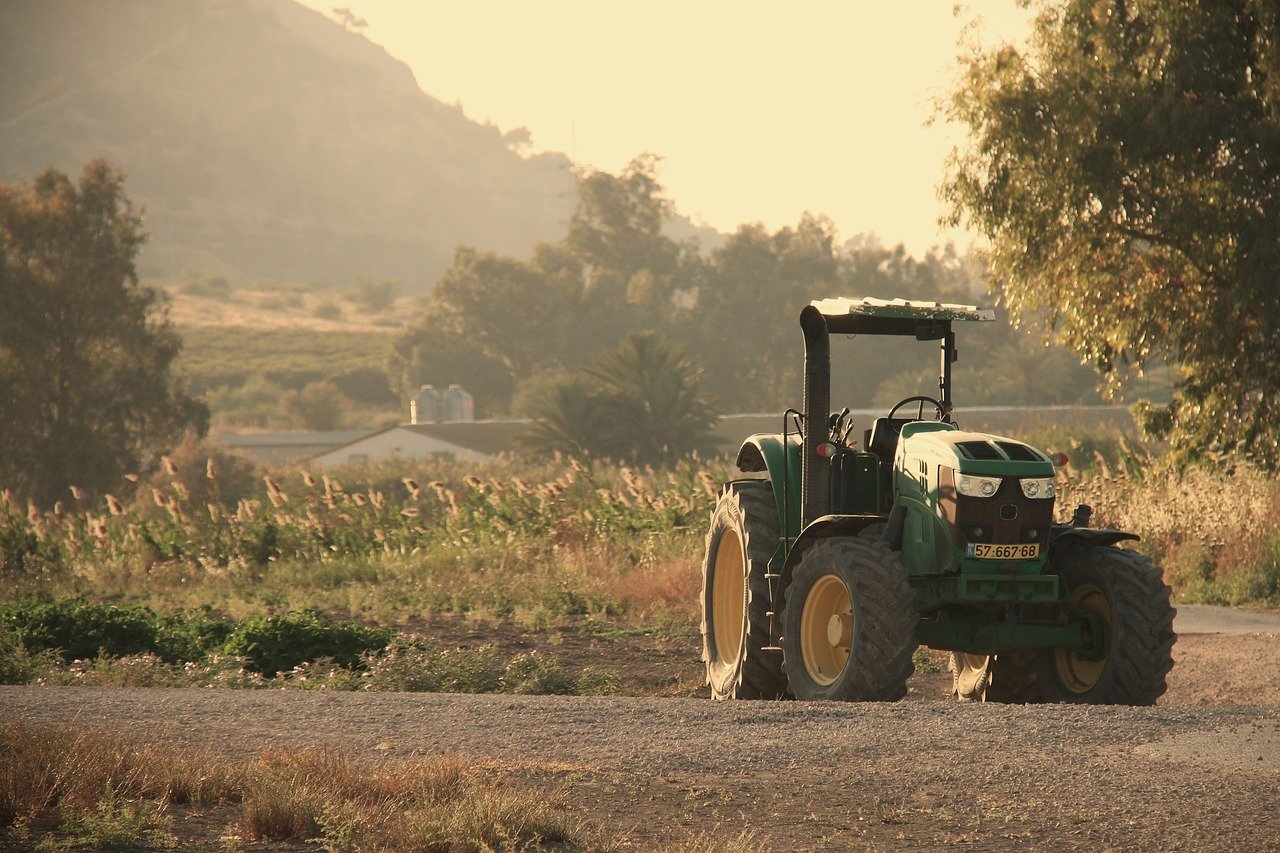
Agriculture is transforming due to shifting weather patterns and erratic seasons. Farmers will need every support they can find in the years ahead, and even the financial institutions must adapt their lending practices to the new realities. Agricultural lending is undergoing rapid changes in response to environmental concerns and a shifting climate.
Shifting Weather Patterns Impact Farming
Climate change (along with other global human activities) means the weather is not as predictable as before. Droughts, floods, and extreme temperature swings are now a regular part of farming, altering planting and harvesting schedules. These adjustments introduce new risks, which lead to uncertainty in estimating yields and profits. Historical data-based loan assessments for approving loans may no longer be sufficient. Lenders, such as Rabo Agrifinance, account for the impact of weather variability on repayment capacity, and risk models now incorporate these challenges.
New Approaches to Risk Assessment
Traditional lending practices typically exist on historical trends and predictability. Such strategies, however, can struggle when circumstances change. Financial providers evaluate risk today using updated data sets and advanced forecasting. Loan decisions depend on satellite imagery, soil sensors, and climate projections. This factor enables institutions to estimate potential losses and adjust the loan terms more accurately.
Incentivizing Sustainable Practices
Sustainability is now a big deal in agriculture. Lenders are pushing borrowers to use climate-friendly practices. Those establishing soil conservation, water management, or agroforestry systems may be eligible for loans on favorable terms. These incentives are beneficial for both growers and financial providers alike. These sustainable farms tend to be more resilient against environmental stress, which translates to lower default risk and longer repayment.

Collaboration with Agricultural Experts
Today, finance organizations consult with agronomists and environmental specialists. Collaborating can help lenders understand local conditions and best practices more effectively. Specialized services ensure that loan products are custom-made for every geography, tailored to its culture. By opening support to be customized, you ensure that the money gets allocated to projects that have the best chance of success. Such a collaborative approach fosters strong partnerships between lenders and borrowers.
Technology Transforms Lending Practices
Digital technology is changing the way loans are originated and serviced. Online applications have made it easier to apply for loans even in the more rural areas. Three critical components that mobile platforms provide to farmers are tracking of repayments, reminders, and financial advice. Automation reduces paperwork and decreases the time required for approval. This approach makes it easier for growers to access funding when needed.
Insurance Products Support Stability
Changing climatic conditions have spurred the development of more specifically tailored insurance products. These include crop insurance and weather-based policies to insure farmers against unanticipated losses. Many lenders require borrowers to provide it before issuing loans. Even following a tough season, financial providers know that they can count on repayments due to the insurance coverage. These products enhance security for all parties.
Government Support and Policy Changes
Planners well understand this stability in agricultural financing. However, many governments provide guarantees, subsidies, or technical assistance to promote responsible lending. Such programs alleviate some climate and uncertainty risks. Research and pilot projects targeting new technologies can receive funding through targeted funding mechanisms, such as public-private partnerships. Collective action keeps money focused on high-value interventions.
Adapting Loan Structures for Flexibility
Not every situation is ideal for traditional loans. These days, repayment schedules, payment holidays, or performance-linked interest rates are more flexible; These features enable borrowers to align payments with cyclical income patterns or unexpected circumstances. Flexibility allows farmers to weather difficult times, thus decreasing the likelihood of default. Custom loan plans reflect the realities of modern farming.
Integrating Environmental Criteria in Lending
Green factors are now crucial in the loan approval process. Institutions evaluate proposed projects for their impact on land health, water consumption, and biodiversity. The application process could involve borrowers preparing environmental management plans. This approach ensures that any funding seamlessly supports an on-farm practice that is also advantageous to the broader community. Responsible lending is a principle that integrates economic objectives with the goal of environmental sustainability.

Getting Ready for What Farming Will Be
Dealing with climate change presents numerous challenges, and institutions must continually create solutions. Lenders spend millions funding research to identify emerging risks and create new financial instruments. There are pilot programs that explore new methods, for instance, utilizing carbon credits for funding or disaster relief funds. By keeping ahead of trends, institutions can provide a tailored and improved response as circumstances evolve. Ongoing commitment to knowledge and technology bolsters the entire agri-food sector.
Growing climate uncertainty presents new challenges for agricultural lending. Risk models, digital platforms, and sustainability incentives create a new wave of adapted products from financial providers. Farmers, however, are adapting through collaboration, education, and more flexible loan structures. With an eye towards the future, lenders and growers will be able to control their fate, even if the winds of change grow stronger. Financing responsibly remains central to resilient agriculture and food security for all.
Editor’s Note: The opinions expressed here by the authors are their own, not those of impakter.com — In the Cover Photo: Agricultural lending: labour, seeds, and machinery are key costs for farms — Cover Photo Credit: The_Northern_Photographer