Amidst the renewed effort to decolonize and dismantle systems of oppression in the U.S., strong voices in the sustainability movement have foregrounded the need for intersectional environmentalism: planetary justice that accounts for the racism rooted in environmental issues and the commitment to addressing inequalities that persist in the green space. The term acknowledges that climate justice is racial justice and that climate and environmental issues have predominantly affected Black, Indigenous, and other marginalized communities. And sustainable fashion plays a key role here.
When fashion brands pledge to be sustainable, it is most commonly in regard to the environment — being carbon neutral or having eco-friendly distribution practices. The pioneer Los Angeles-based brand most notable for this, Reformation, received severe backlash in June when former Black assistant manager, Elle Santiago, shared her experiences with racism ingrained in company culture and unabashed racist language and actions from top executives and employees.
It is clear that brands pledging to be sustainable is not enough. The term must be inclusive of non-performative racial justice and intersectional, environmental action.

“While many fashion businesses may have corporate responsibility reports and goals, there is a lot more attention paid to the environment because that saves you money,” said Ayesha Barenblat, the founder and CEO of Remake. “If you have an energy-efficient supply chain or water-saving processes, those are good for a business’s bottom line, but paying people more is always going to cost you money.”
Remake was founded in 2016 as a “for women by women” movement to redefine the fashion space and community, seeking to better society’s fashion consumption and change the way fashion designers and businesses associate with the garment industry.
“This is an industry that has historically been racist and exclusionary, “ said Barenblat. “It has been built on the backs of Black and brown women — whether creatives or garment makers — without any of that wealth trickling down.”
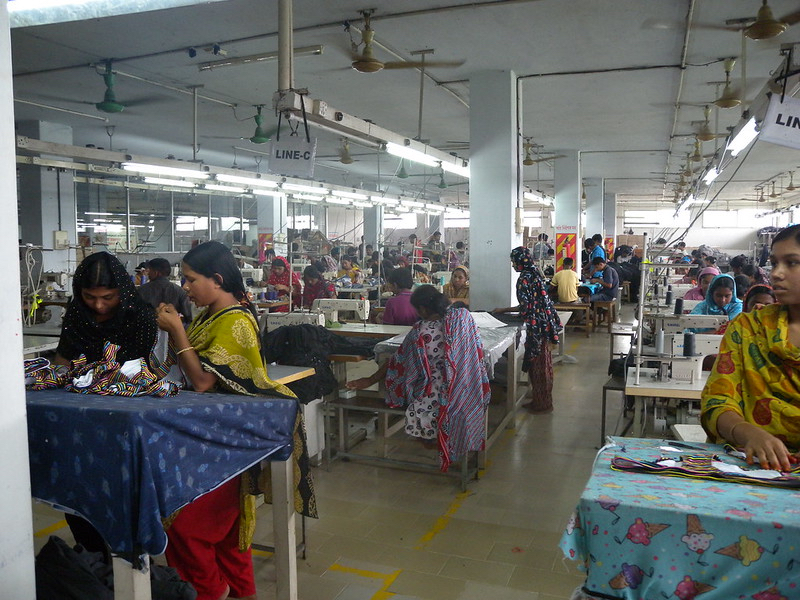
The retail fashion industry started to exclusively depend on Black and brown garment workers in the 1950s and has since continued this trend globally, profiting off of lenient trade laws and a cheap, abundant labor supply. Barenblat stated that regardless of the historical shifts in the labor source, citing factories in Bangladesh, Cambodia, and Ethiopia, “the [industry] is always built on the dignity of women — and specifically, women of color.”
“What you see is this chase to the bottom,” she said. “This is how our clothes have been coming to us cheaper and cheaper at a faster and faster rate.”
Environmental justice is in direct conflict with the fashion industry. With the persistence of the poor treatment of garment workers abroad, “sustainable” businesses have leveraged their professed environmentalism as a means for casting a shadow on their inside practices. But with unlivable wages, meager workspaces, grueling hours, and toxic business culture, garment workers — chiefly brown and Black females — are the victims of environmental harm.
“We cannot talk about the planet in a vacuum,” said Barenblat. “Bangladesh just had a huge flood, we have had droughts in Pakistan. The same people that are on the front lines of fashion’s bad behavior are also on the front lines when it comes to becoming climate refugees or dealing with the whiplash of environmental degradation. We have to be centering many of the environmental impacts on people first.”
Related Articles: The Push Towards Sustainable Fashion | Could The Pandemic Accelerate The Path To Sustainable Fashion?
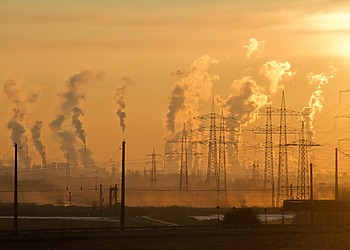
As climate change continues to worsen, factory workers are experiencing the compounding effects of environmental threats and garment factories that intensify existing climate issues and introduce new problems. The use of plastics in the fashion industry is alone responsible for contaminated water, carbon emissions, and large quantities of synthetic microfibers that harm marine ecosystems. Remnant clothing material from factories is often deposited into nearby rivers and landfills, heavily contaminating and polluting the area further.
With a surplus of data available to depict the negative impacts of the fashion industry on marginalized communities, it should be the primary responsibility of “sustainable” fashion businesses to address the intersection of environmental problems and surpass the minimum requirements of the sustainable fashion industry.
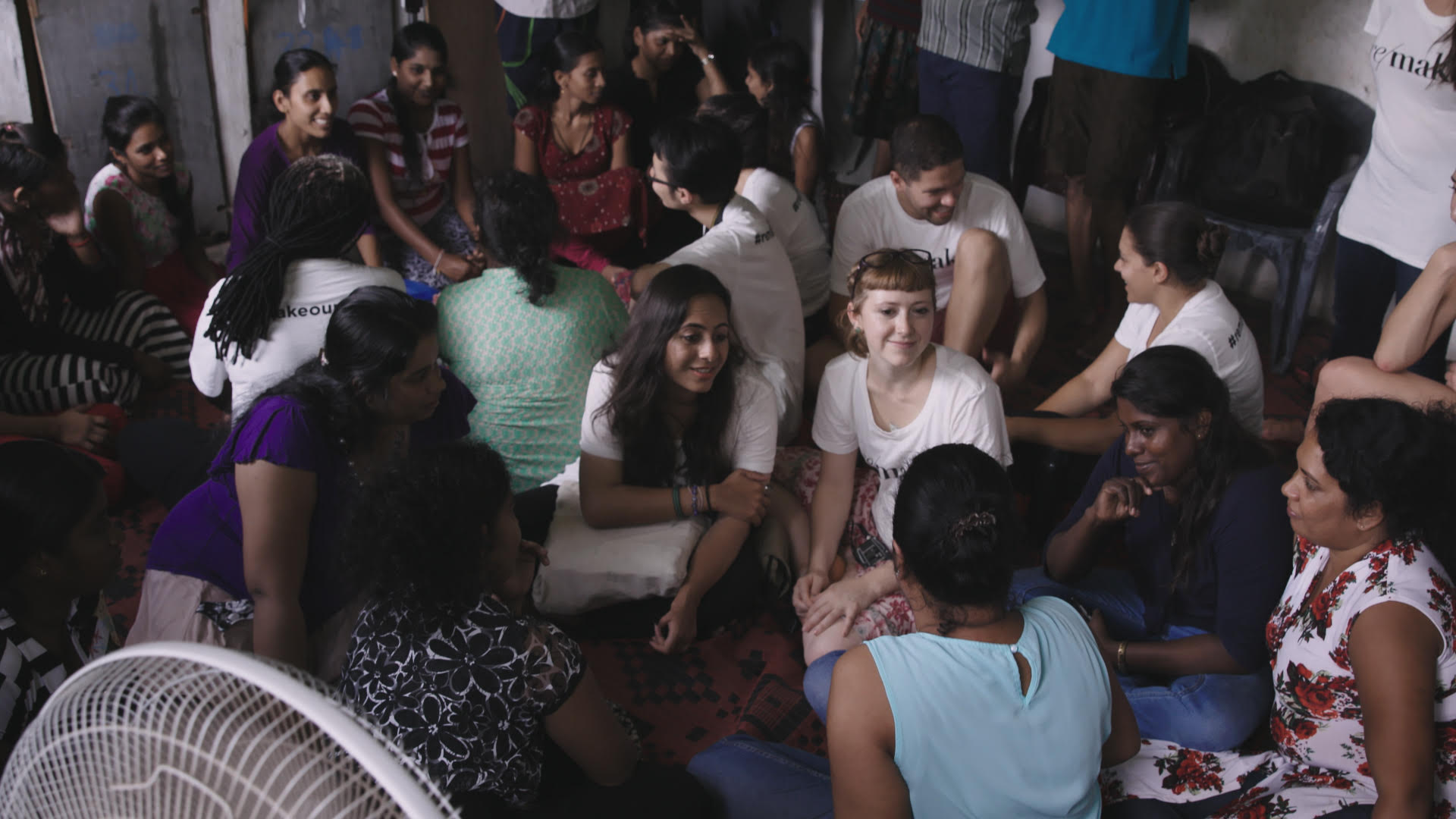
Remake hosts programs affiliated with certain colleges to take young fashion designers to garment factories in an effort to narrow the disconnect in design rooms that rarely consider the production and distribution of their clothing.
“If you can’t see it, you can’t fix it. So much of the issue within the fashion industry starts at the design phase,” said Barenblat. “A simple last-minute design change could mean garment workers working a 10 to 12 hour day instead of an 8 hour day, and [what if] there aren’t street lights on [their] walk home and [they’re] worried about gender-based violence.”
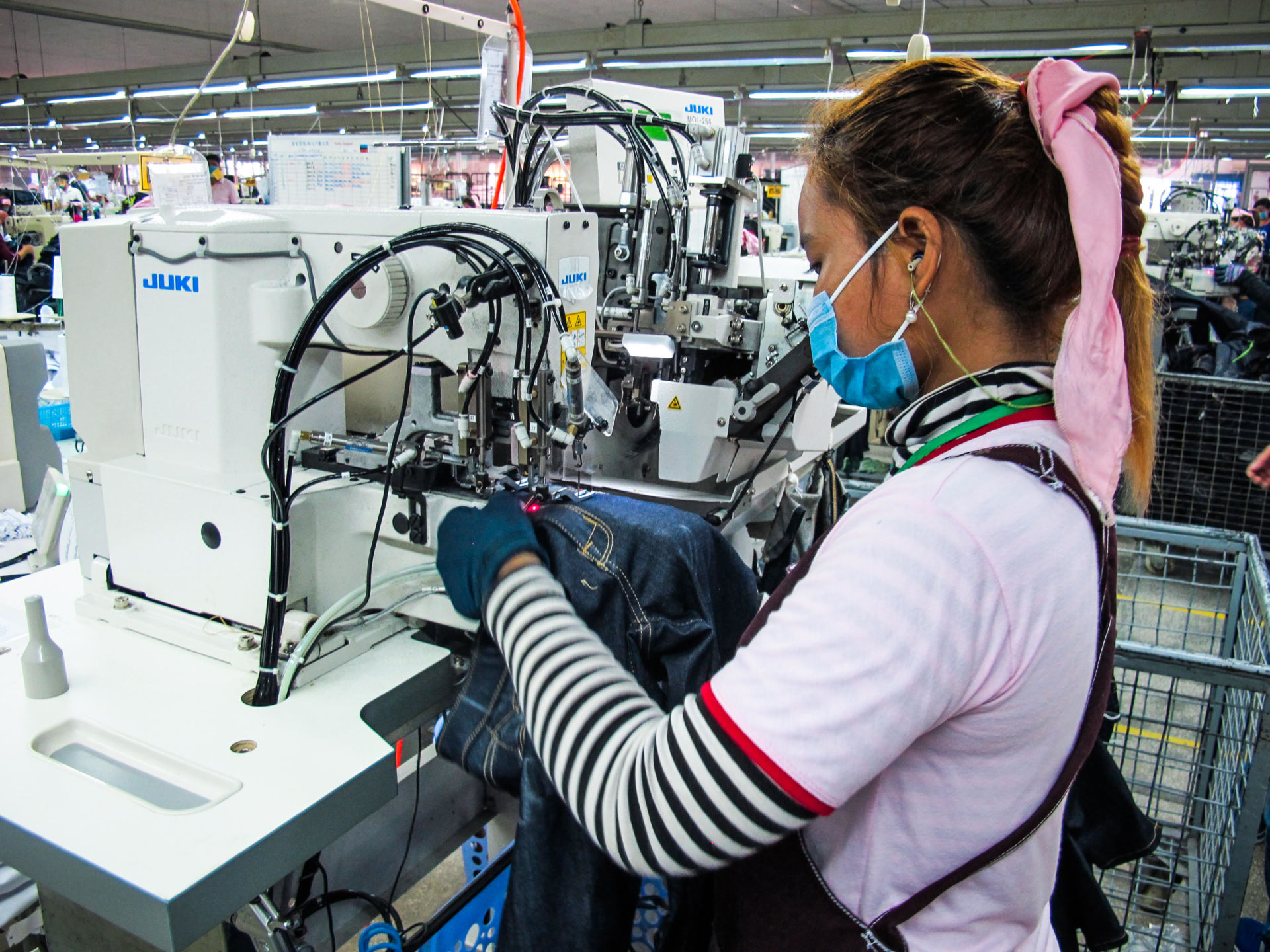
If more fashion designers, especially those employed by sustainable fashion companies, met with the women who were making their designs into wearable products, the principles of fashion would fundamentally revolutionize.
“Hopefully in time we seat a different generation of professionals who, as they reach their places of power, are centering workers and the planet from the very beginning in their fashion careers, rather than retrofitting some of these ideals,” said Barenblat.
As consumers of the fashion world, there is also a duty to discern fact from fiction when brands self promote themselves as righteous green saviors. Barenblat explained that deliberate and impactful choices exist within our wallet, voice, and culture.
“Every time we buy something we are voting for the type of world that we want,” she said. “We often hear from incredible Black entrepreneurs and creatives about how they don’t get a break, so we need customer power to uplift these Black designers and Black-owned businesses.”
While sustainable fashion, when executed correctly, is clearly a better choice than buying fast fashion products, greater conversations and supportive communities are still necessary to promote buying less and maintaining older clothing.
The more a company grows the more ill-disciplined the supply chain becomes; and, the more product proliferation [a company] has, the worse the conditions.
— Founder and CEO of Remake Ayesha Barenblat
“One of the most fascinating trends [that] we have seen is that growth and sustainability are at odds with each other,” said Barenblat. “The more a company grows the more ill-disciplined the supply chain becomes; and, the more product proliferation [a company] has, the worse the conditions.”
Barenblat related this trend with Reformation’s diminishing clothing quality, in addition to Rent the Runway, indicative that less consumption is an essential step.
As the fashion industry poses numerous dangers and challenges for Black and brown garment workers, traversing with environmental issues and human rights breaches, a truly sustainable brand should contend for racial justice as much as it claims to do for climate justice.
Editor’s Note: The opinions expressed here by Impakter.com columnists are their own, not those of Impakter.com — In the Featured Photo: Bangladeshi garment workers. Featured Photo Credit: Tareq Salahuddin