This is the second of a three-part essay by Canadian sustainability strategist, Brad Zarnett. The series explores why corporate sustainability was always ill-suited to deliver on its promise of a more sustainable world and what we need to do going forward to ensure that we deliver a functioning planet to the next generation.
If you incentivize a system to cause harm…then don’t be surprised when it causes harm.
The Business Case
For decades sustainability professionals have searched for the elusive business case to operate more sustainably but the prize still eludes them, and with good reason — it doesn’t exist. It’s a neoliberal fantasy propped up by corporations and their government puppets; designed to perpetuate the idea that all problems are best solved in the marketplace with minimal government involvement.
We need to stop pretending that we’re making progress and admit that corporate sustainability is simply the wrong strategy for our global environmental challenges. Yes, business has contributed to a wave of positive inputs going “into the system“ but in spite of those efforts, the “output of the system“ is failing to reverse global deforestation, biodiversity loss and ecosystem decline not to mention a host of other social problems like income inequality, living wages and food insecurity.
The truth is that corporations exist in a system that provides little if any reward for solving global environmental problems. Most companies have a narrow focus and it’s not in their interest to expend capital to address a global ecological problem like climate change or plastic pollution, when no meaningful ROI exists. Our system simply doesn’t reward companies for solving problems where the payoff is societal wellbeing.
The results speak for themselves and by now it should be obvious that degrading ecosystems is not a problem that can be solved by each company reducing their impacts one by one with the right sustainability strategy. Great efforts by one company won’t make a dent in our collective challenge. We’ve been approaching this all wrong. Asking companies to play by an alternate set of rules that interferes with their primary goal of increasing shareholder value was a failed strategy from the start. We have a systems problem that encourages business to destroy rather than to regenerate and protect. The capitalist system in which global commerce is conducted is destroying us.
Playtime is Over — It’s the System
Capitalism was created by humans which means that we have choices. It’s time to ditch a system that works for so few at the expense of so many. A system that encourages greed and selfishness with financial windfalls. A system that preys on the weak and treats nature like a slave to be used and discarded.
Imagine if instead of a system that worshipped society destabilizing concentrated wealth, it was designed to ensure that everyone received a living wage and access to free health care and higher education.
Imagine if we changed the system so that the rewards were determined by one’s ability to create societal wellbeing. Imagine if instead of a system that rewards predatory behaviour against nature, people and animals, the system punished it. Imagine if instead of a system that worshipped society destabilizing concentrated wealth, it was designed to ensure that everyone received a living wage and access to free health care and higher education. Imagine if the system were designed to create health and wellness rather than to toxify people’s lives for the benefit of the .01%.
Companies would be still free to operate in this system without government interference but the new rules would change their focus. The metrics would be designed to reward companies that enriched society while those that degraded it would become insolvent and fade away. Imagine how different a company like Amazon Inc. would be in this type of system and how much it would enrich society — beyond just selling people stuff that arrives in a day.
Related Articles: It’s Time to Change Our Economy | Sucking Up to Business is a Certain Path to Ecological Collapse
Government would play a key role in this system. It would help to design and police the rules. It would spend tax dollars with the same goal of societal wellbeing which would include supporting workers in this transition instead of giving money to corporations that have created much of the harm that we’re trying to repair.
Gone would be the days where government would set the rules for the benefit of the corporate elite and billionaires, but rather, the rules would serve ordinary people for the betterment of society. Wealth could still be created by innovative and creative minds but it would be based on the new focus of wellbeing because that’s where the important metrics would lead.
These simple systemic changes would have immediate impacts on millions of lives, not in 20 or 30 years when our fragile ecosystems would be well beyond their tipping points. Those corporations who find it difficult to adapt would fade away and new companies that create wellbeing would take their place. No more need to chase shadows looking for the elusive business case for corporate sustainability, the system would encourage, no, demand, positive change across the board.
Choice Is a Neoliberal Fantasy
The science clearly shows that we are now in the era of climate change. Last year we reached 1.1 degrees Celsius above pre-industrial levels and recently scientists reported that “Greenland’s ice sheet may have shrunk past the point of return, with the ice likely to melt away no matter how quickly the world reduces climate-warming emissions.”
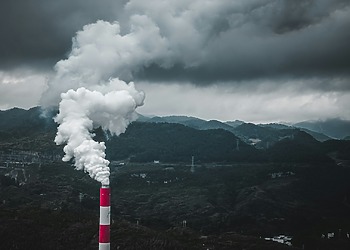
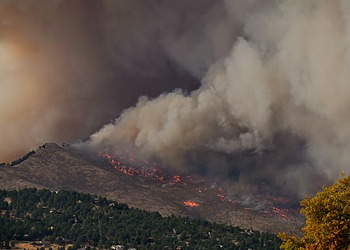
Today’s heat waves, droughts, forest fires and floods are not a new normal; it’s a stark warning of our slide into climate chaos and large-scale global suffering.
The various climate strategies that have been deemed appropriate by the corporate elite, fossil fuel rich nations and Davos billionaires, all fail to accept the science; “2050 net zero” is nothing but a watered down political target to ensure that the system that created this mess, remains largely unchanged. Today’s heat waves, droughts, forest fires and floods are not a new normal; it’s a stark warning of our slide into climate chaos and large-scale global suffering. Positive feedback loops are nearly impossible to predict but their impacts are coming and they will shake every life-supporting ecosystem on the planet….well before 2050.
There’s no more time for tweaks and promises. Our efforts are well below what is necessary to prevent our climate from heating up beyond 1.5C. We must demand what’s necessary and not what is politically feasible. The real timeline deemed sufficient by the science community is 2030, that’s when our carbon budget will expire. It will be uncomfortable but we have no choice if we want to avoid planetary chaos.
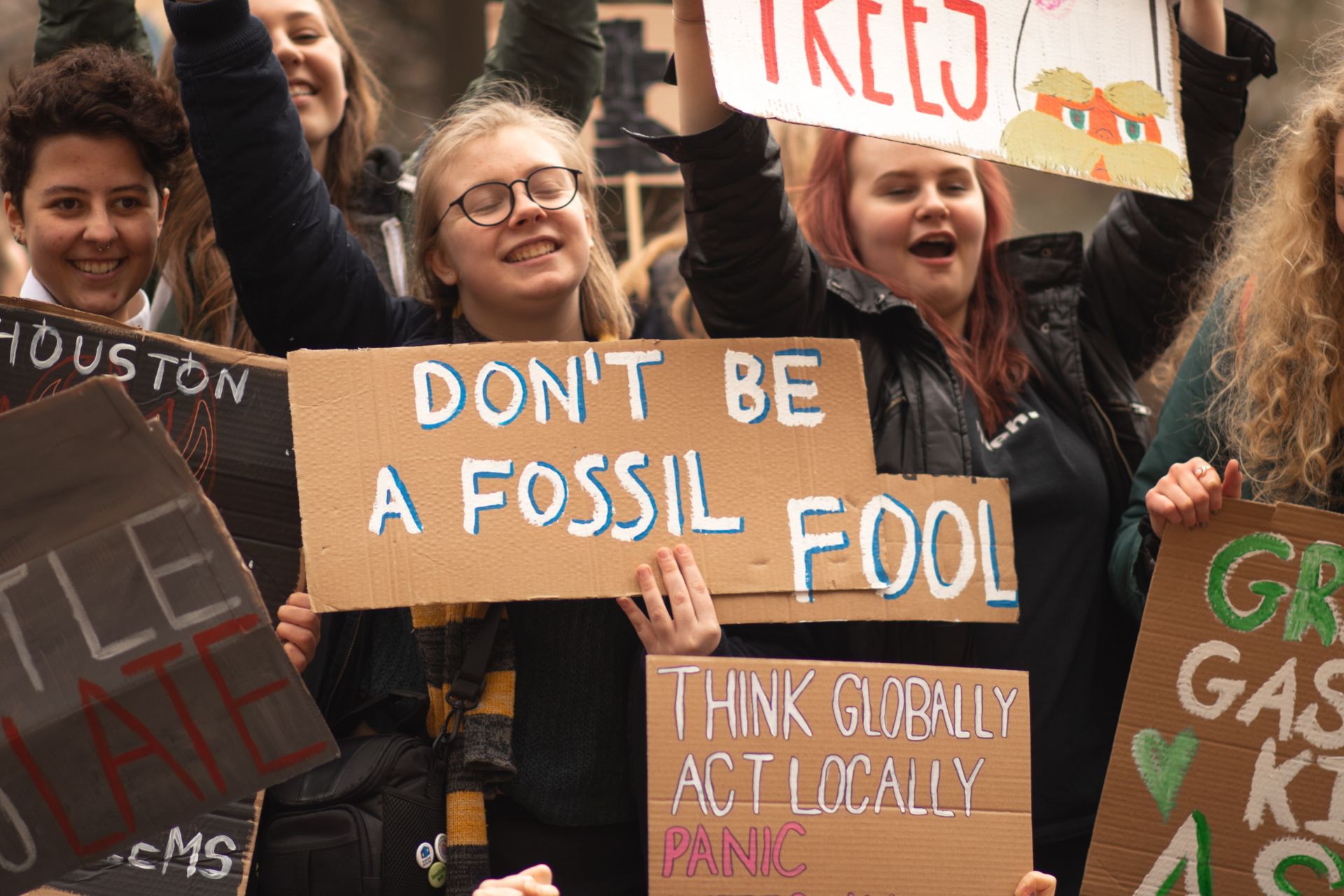
Editor’s Note: The opinions expressed here by Impakter.com columnists are their own, not those of Impakter.com. — In the Featured Photo: Extinction Rebellion protestors holding a banner that says, “Don’t be a fossil fool,” Birmingham, UK, Oct. 2019. Featured Photo Credit: Callum Shaw