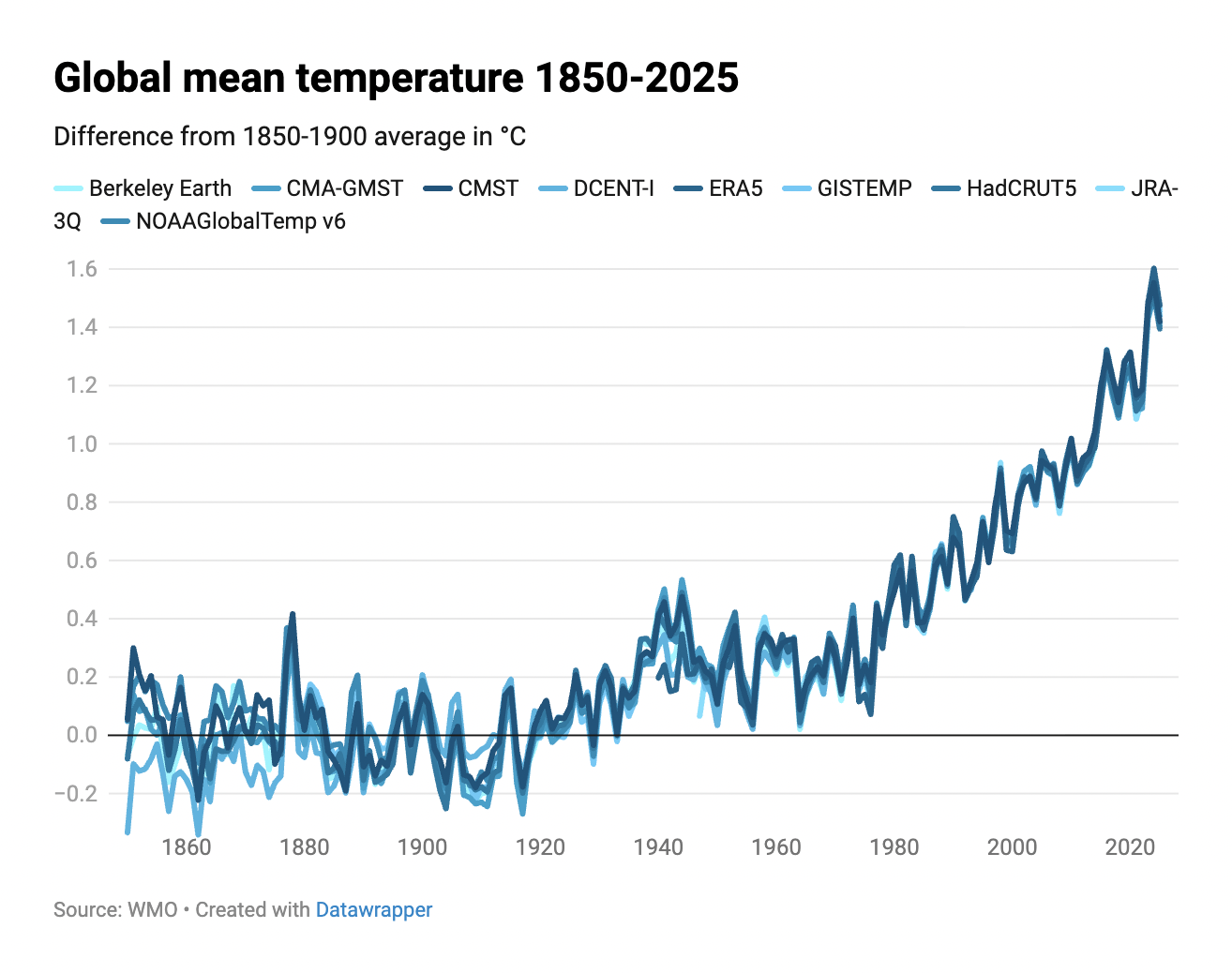
Last year was the second- or third-hottest year on record, and the planet seems to keep heating up. At about 1.43 °C above pre-industrial levels, the planet is swiftly approaching the Paris Agreement‘s 2°C limit on temperature increase.
The state of the climate relies on the balance of solar energy input and eventual energy output. The problem: greenhouse gases are trapping energy in the Earth’s atmosphere, creating an imbalance. Today, Earth’s energy imbalance is the highest it’s been in a 65-year record. The World Meteorological Organization (WMO) detailed this imbalance in its State of the Global Climate 2025 report, released on March 23.
Responding to the report, UN Secretary-General António Guterres said:
“The State of the Global Climate is in a state of emergency. Planet Earth is being pushed beyond its limits. Every key climate indicator is flashing red.”
Atmosphere and Greenhouse Gases
Since 1957, scientists have been measuring the concentration of carbon dioxide in Earth’s atmosphere. In 2024, CO₂ concentration reached the highest level in the past 2 million years, at 152% of pre-industrial levels.
Three main greenhouse gases are warming the planet: carbon dioxide, methane, and nitrous oxide. The presence of all three gases has increased significantly since 1900. In 2024, nitrous oxide was recorded as 125% of pre-industrial levels, and methane, the most potent GHG, reached 266% of pre-industrial levels.
The most significant driver of climate change is human activity. The burning of fossil fuels has contributed greatly to the increase in GHGs in Earth’s atmosphere, as has cement production and other carbon-intensive processes. Other contributors include the increase in wildfires and the weakening of land and ocean carbon sinks, which refer to the ability of the Earth’s surface to absorb carbon.
Increasing Surface Temperature
As greenhouse gases trap heat in the atmosphere, the global mean surface temperature (GMST) continues to rise. Measuring the combined temperatures of the sea’s surface and air directly above land, scientists determined that 2025 was in the top three of the hottest years on record in 176 years.
Unfortunately, this fact isn’t surprising. The report details that 2015-2025 were the hottest 11 years on record, with 2024 as the warmest year.
There is, however, quite an anomaly with heat dispersion across the planet. In 2025, the northern hemisphere was the most affected by rising temperatures. The same rings true for precipitation. In 2025, there was a significant disparity between areas with higher than average rainfall and those with rainfall deficits.
Warming and Rising Oceans
Our oceans trap around 90% of the extra heat generated by greenhouse gases. As a result, the ocean has been gradually warming and setting new records over the past nine years, reaching its highest temperature in 2025. This warming harms marine life, alters the ocean’s pH balance, and contributes to rising sea levels.
One of the most apparent results of hotter oceans is coral bleaching. Coral, which is vital to the oceans, is highly susceptible to temperature changes. Contributors to the report estimate that, at 1.5 °C of warming, coral reefs could lose 70 to 90% of coverage. If the climate reaches the 2 °C threshold, almost every coral reef could be destroyed.
Coral protects shorelines, provides food sources for marine life, and sustains entire ecosystems. The destruction of this essential natural resource has dire consequences for the health of our oceans.

According to the report, the global mean ocean surface pH has been steadily declining in recent years, leading to increased ocean acidification. As acidity increases in the ocean, the ability to absorb CO₂ decreases. Additionally, high acidity severely impacts the ocean’s ecosystems, shellfish aquacultures, and fisheries.
Warming water expands, which in turn leads to higher sea levels. Between 1993 and 2011, sea levels were increasing by 2.65 mm per year. Since 2012, that number has increased to 4.75 mm per year.
Melting Glaciers and Sea Ice
Another contributor to rising sea levels is melting ice. Glaciers, which are formed from compacting snow, have seen significant changes with the rise in global temperatures. In 2025, Iceland had its warmest year on record, resulting in significant glacier mass loss.
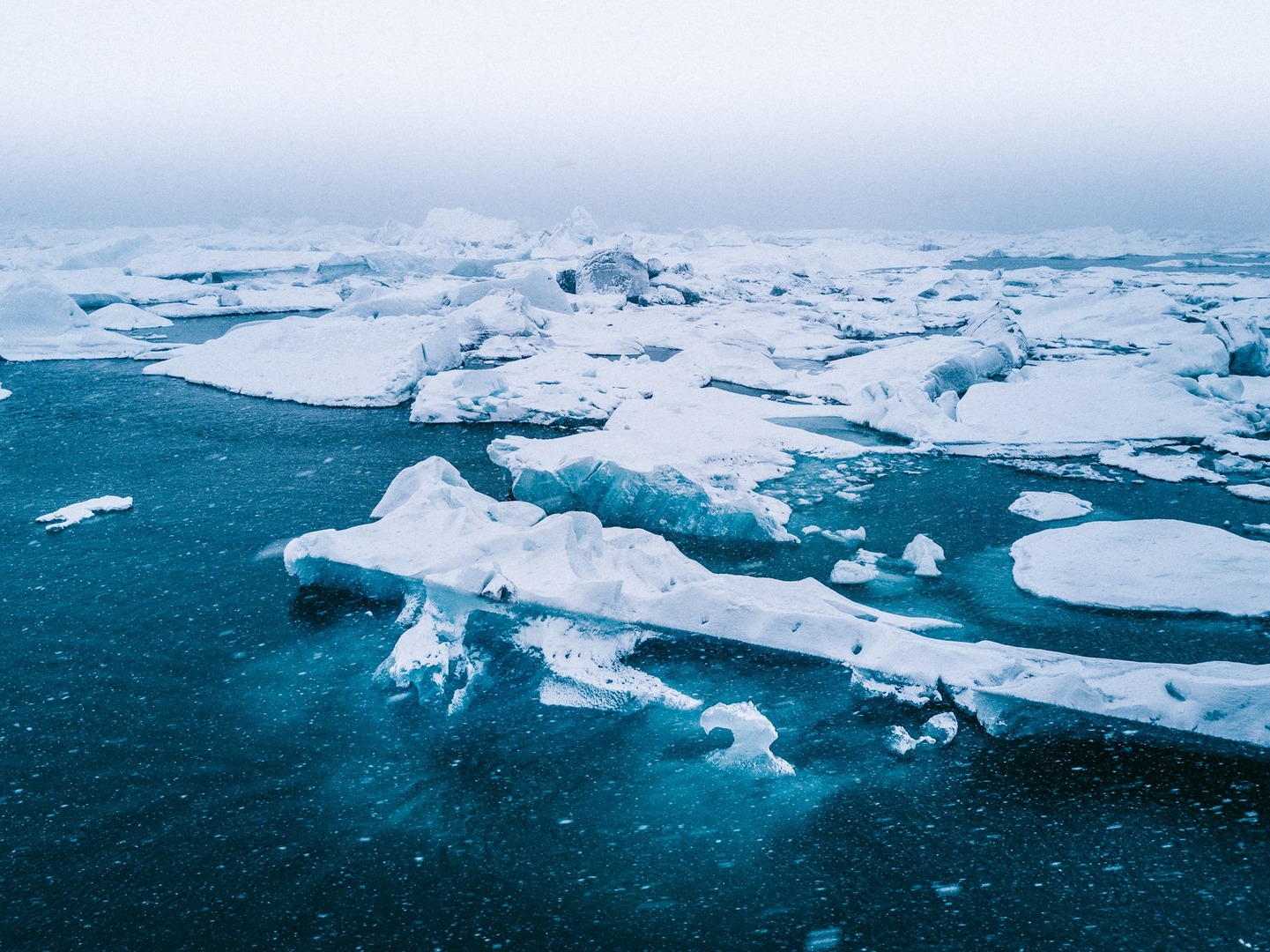
Frozen seawater floating on the ocean’s surface in the Arctic and Antarctic regions is called sea ice. Typically, this sea ice melts in summer and freezes in winter.
Sea ice in both the Arctic and the Antarctic saw its lowest extent on record in 2025. In the Arctic, sea ice peaked at 14.19 ± 0.40 million km2, while the average maximum is typically 15.07 ± 0.38 million km2. Meanwhile, in the Antarctic region, the past four years have seen the four lowest Antarctic ice minima on record.
The Consequences
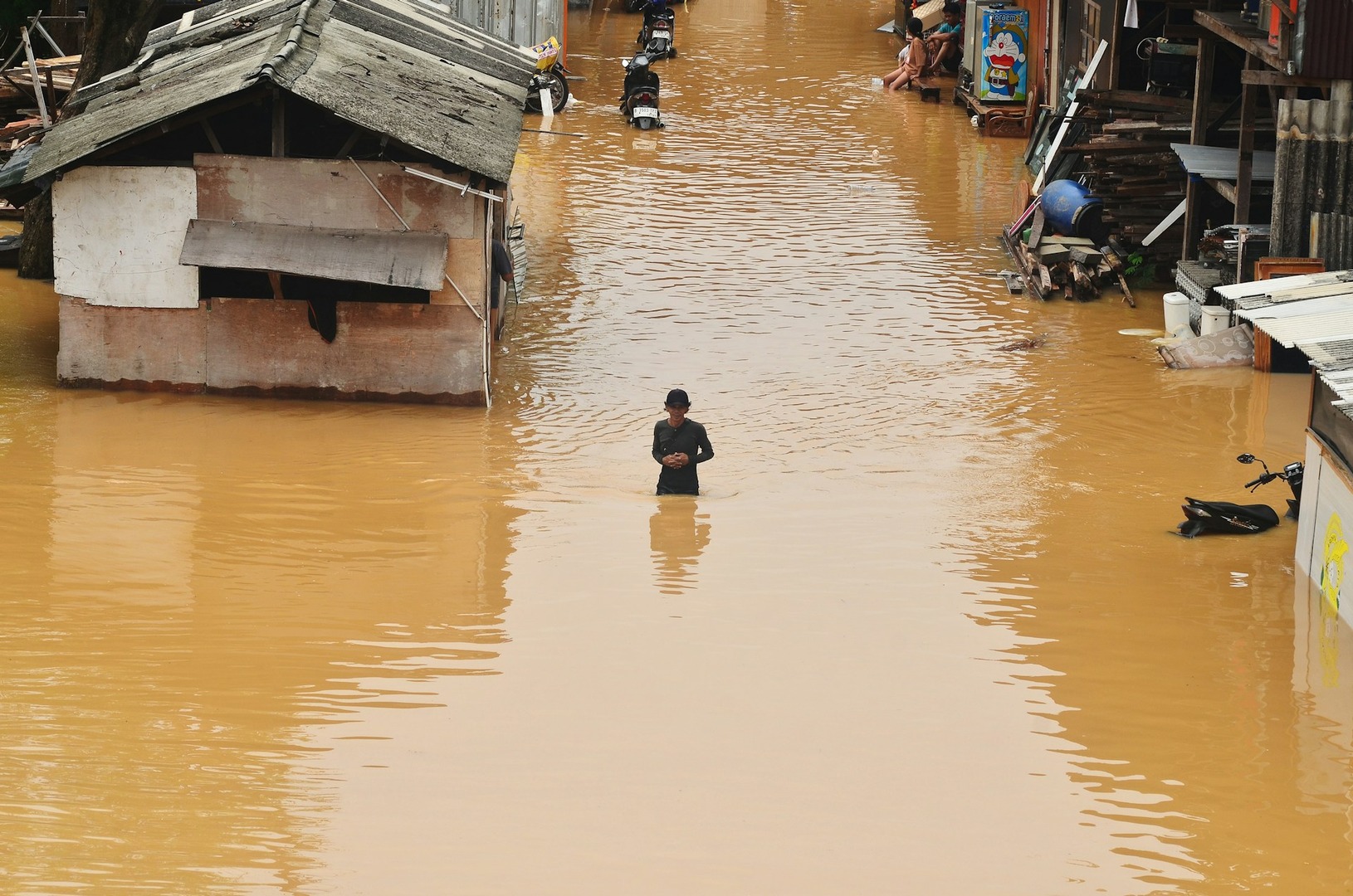
Rising sea levels are putting millions of people in low-elevation coastal zones (LECZ) at risk. An increase of even a few millimeters can lead to soil degradation, increased flooding, and saltwater intrusion.
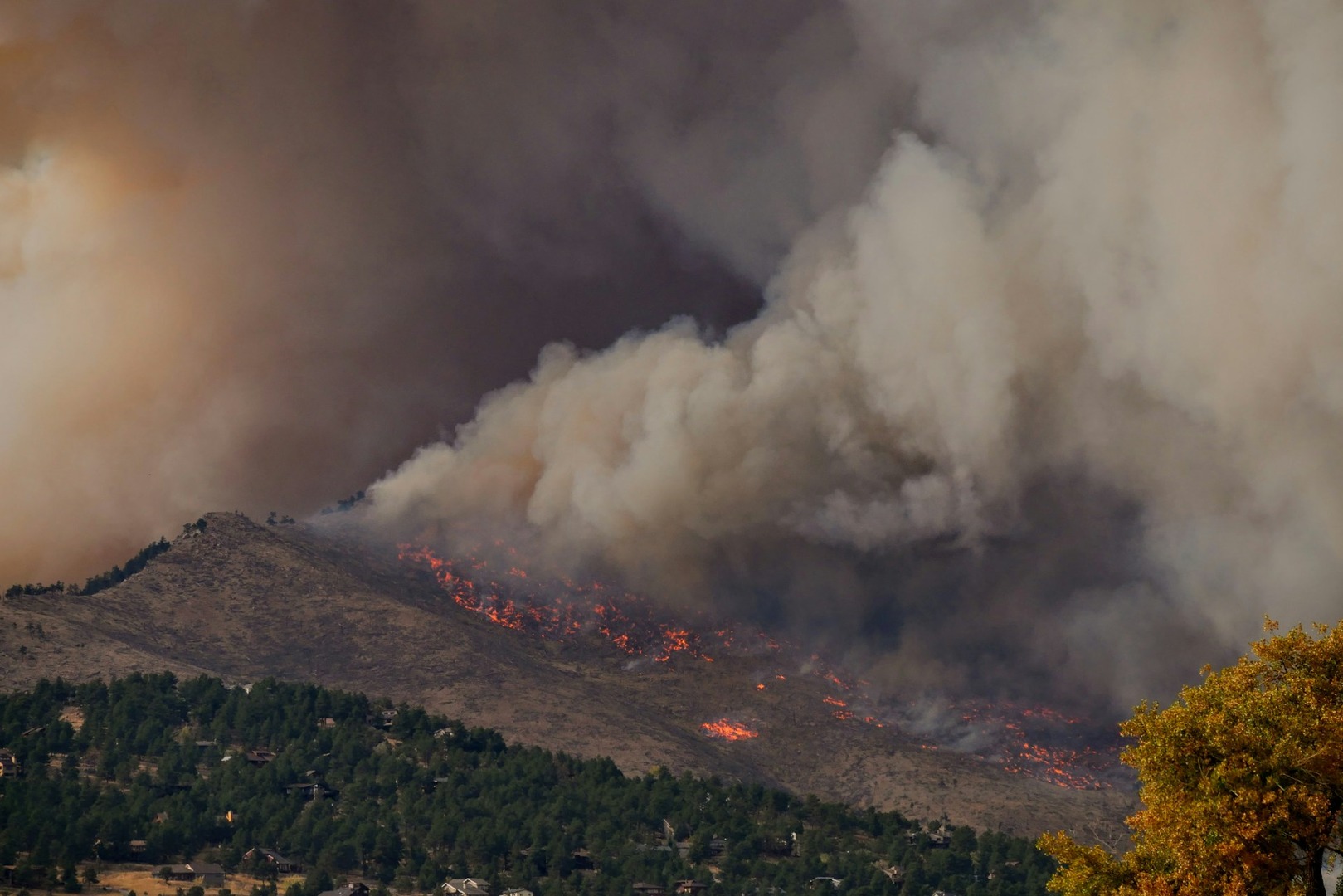
Extreme weather events have increased rapidly around the world. Intense flooding, out-of-control wildfires, and severe droughts have impacted regions across the globe, destroying lives and displacing millions.
Human health is also at risk. Heat stress is affecting billions, specifically those working in agriculture or construction. About 1.2 billion people have or will experience kidney and mental strain, dehydration, fatigue, or injuries due to extreme heat.
Another health risk is the increase in mosquito populations and dengue, as higher temperatures are favorable for the transmission of the disease. According to the World Health Organization (WHO), approximately 50% of the world’s population is at risk of dengue, with an estimated annual number of 100–400 million infections.
Increasing temperatures have also put food security in a vulnerable position. According to the Food and Agriculture Organization of the United Nations (FAO), an estimated 2.33 billion people, or approximately 28% of the world’s population, were moderately or severely food insecure in 2024.
The Solution
The report highlights the importance of adaptation and the use of Early Warning Systems for developing nations. In 2022, UN Secretary-General António Guterres called on the WMO and the Office for Disaster Risk Reduction to ensure people worldwide had access to early warning systems within five years.
While adaptation can minimize the consequences of extreme weather events, they alone cannot change the state of the climate. Drivers of climate change must be addressed directly, meaning fossil fuels must be phased out.
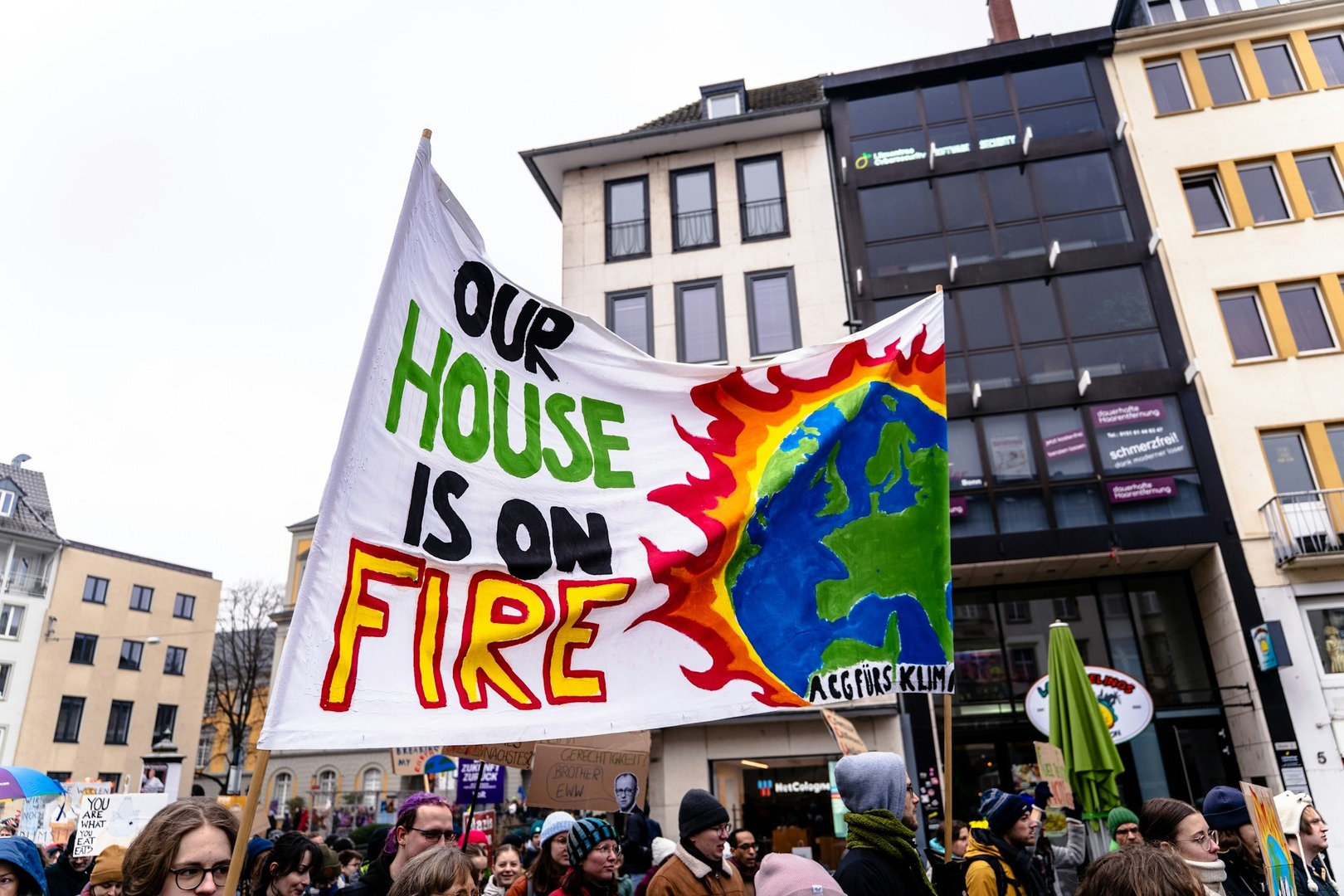
Without immediate action, the consequences of Earth’s imbalance could worsen. The report states simply: “Without immediate and deep greenhouse gas emissions reductions across all sectors and regions, it will be impossible to keep warming below 1.5° C.”
In a response to the report, Manuel Pulgar-Vidal, the Global Climate and Energy Lead for the World Wildlife Fund (WWF), said:
“We can bring balance back to the world’s climate, but the window for us to do so before climate impacts spiral out of control is closing fast. The window for climate action is not closing on its own — it is being closed by delay.”
One way to mitigate rising greenhouse gases is to increase renewable energy use. This transition is vital to combating emissions released by fossil fuels.
“Solutions that work exist, but without implementation at speed and scale by governments, the private sector, and others, the world will not rise to the challenge of addressing the climate crisis. Everything we need to implement solutions, from increased funding to better policies and regulations and stronger public-private co-operation, is possible now. To turn promises into real results just requires the will to do so,” Pulgar-Vidal continued.
Related Articles
Here is a list of articles selected by our Editorial Board that have gained significant interest from the public:
The Good News
The good news is that global renewable use has increased and is expected to continue increasing. In 2024, renewable electricity capacity reached nearly 685 GW, a 22% increase and an all-time high. While 2025 statistics aren’t yet available, the International Energy Agency (IEA) estimates that capacity additions will exceed 750 GW.
Sustainable investments are also growing. According to the report, average annual investment grew by 26% from 2021 to 2023, a significant increase from the 8% compound annual growth rate between 2018 and 2020.
Sustainable innovations have seen an increase recently as well. In 2024, 17 million electric cars were sold, comprising over 20% of global new car sales. Sales of electric commercial trucks also spiked, increasing by 67% between 2023 and 2024. During that same period, green hydrogen production quadrupled.
Many emerging innovations seem promising for further reducing fossil fuel use. Researchers have discovered that natural hydrogen in Earth’s crust, dubbed “white hydrogen,” could help decarbonize heavy industries. In fact, the town of Bourakébougou in Mali is already extracting white hydrogen for power.
The World Economic Forum named osmotic power as one of 2025’s 10 emerging technologies. Created when river water and seawater form an ionic current, osmotic energy is an optimistic new form of renewable energy found wherever the river meets the sea.
Despite these positive trends and innovations, relying solely on governments and international institutions to address climate change is insufficient. Meaningful progress also depends on sustained changes in everyday behaviour and consumption patterns. Without broader structural and individual shifts, the risks to the planet will continue to escalate.
Editor’s Note: The opinions expressed here by the authors are their own, not those of Impakter.com — In the Cover Photo: Wildfire burns on a mountain. Cover Photo Credit: Malachi Brooks