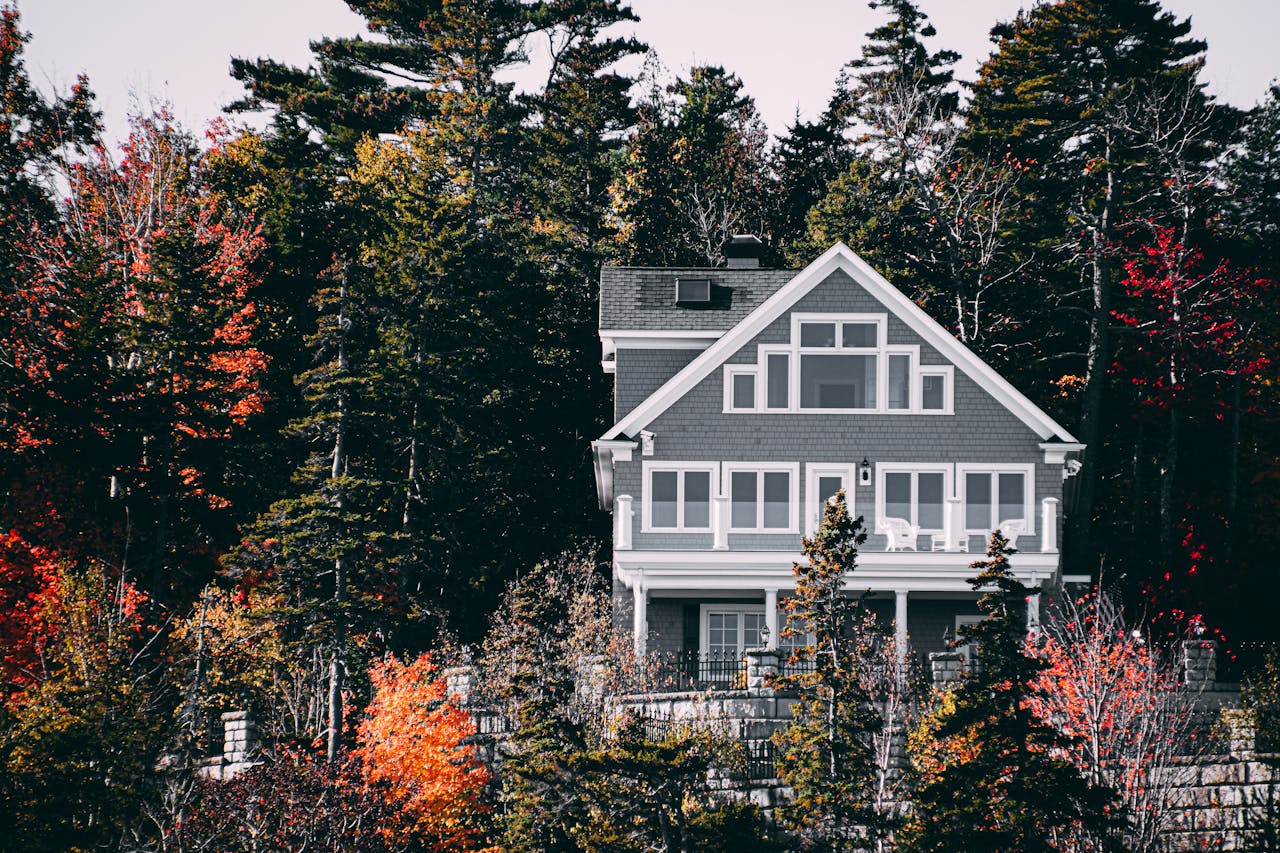
Living in Portland means accepting rain as part of daily life. What many homeowners don’t expect is how quietly that constant moisture can speed up wear on a home’s exterior. You might keep up with cleaning, repainting, and basic upkeep, yet still notice your roof, siding, or trim looking older than homes nearby. This often leaves homeowners unsure of what went wrong. Long wet seasons, limited sun exposure, and heavy tree cover create conditions where exterior materials break down faster than expected. When early warning signs go unnoticed, small problems can turn into repairs that feel sudden and expensive. Knowing what to look for makes it easier to protect your home before visible damage spreads.
Moss That Keeps Returning No Matter What
Moss is common in Portland, but repeat growth is a warning sign. When moss comes back quickly after cleaning, it usually means moisture stays trapped on the surface. This happens when shade, debris, or poor drainage keeps water from flowing away. Moss doesn’t just sit on top of shingles or siding; it holds moisture against them. That constant dampness speeds up breakdown and shortens the life of exterior materials. Treating moss without fixing the moisture problem only delays the damage rather than stopping it.
Shingles That Lose Their Strength Early
Roof shingles usually age in predictable ways, but the local climate can push that timeline forward. If shingles look brittle, uneven, or thin while the roof itself isn’t very old, moisture is often the cause. Rain seeps into tiny gaps, then lingers because roofs dry slowly here. Over time, this weakens the surface and makes shingles easier to damage during wind or cold snaps.
Homeowners often assume this kind of wear means the roof was poorly installed, but it’s more often about exposure—an issue Portland roofing contractors frequently see on homes affected by long wet seasons. Catching early surface wear helps prevent deeper layers from failing later.
Siding That Feels Soft or Looks Uneven
Healthy siding should feel firm and sit flat against the home. When boards feel soft, swell at the edges, or start to bow, moisture has likely worked its way inside. This often begins in areas that don’t dry well, such as north-facing walls or spots blocked by plants. Once siding absorbs water, it becomes easier for rot to spread beneath the surface. These changes can be subtle at first, which is why many homeowners miss them until repairs grow more complex.
Paint That Fails Faster Than Expected
Paint should protect your home, not peel away after a few seasons. Peeling or bubbling paint often points to moisture trapped behind the surface. Rain seeps in through tiny cracks, then tries to escape when the weather dries out. This pushes paint outward until it breaks free. Repainting without addressing the source of moisture leads to the same problem repeating. Paying attention to where paint fails helps identify spots where water enters the structure.
Drafts and Rising Energy Costs
When a home exterior starts to fail, comfort inside often changes first. Rooms may feel colder in winter or harder to cool in summer, even though the heating or cooling system works fine. These shifts often come from small gaps in the exterior shell. Worn siding, aging roofing layers, or failing seals allow outside air to move in and out more easily. Over time, this forces heating and cooling systems to work harder. Homeowners may notice higher energy bills without an obvious cause when the real issue sits outside the walls.
Interior Clues That Start Outside
Not all exterior problems show up outdoors first. Ceiling stains, damp window frames, or a musty smell indoors often point to exterior wear. Water follows gravity and the easiest path, which means small exterior openings can send moisture inside long before visible damage appears outdoors. These signs often get treated as interior issues, but fixing paint or drywall alone won’t solve the problem. Tracing these clues back to the exterior helps stop ongoing moisture before it spreads.
Why Similar Homes Age at Different Speeds
Two homes built in the same year can age very differently. Tree coverage, sun exposure, roof design, and airflow all affect how fast materials dry after rain. Homes shaded most of the day or surrounded by mature trees often stay damp longer. Sloped roofs shed water faster than flatter ones, and proper ventilation helps moisture escape. Maintenance habits also matter. Regular inspections and small repairs slow aging, while delays allow wear to build quietly over time.
When Wear Turns Into a Bigger Issue
Normal wear happens gradually, but accelerated aging follows a different pattern. Problems start showing up in clusters rather than alone. Peeling paint appears near soft trim. Moss growth returns faster each season. Gutters struggle even after cleaning. These patterns suggest the exterior no longer sheds water the way it should. At this stage, waiting often leads to larger repairs. Knowing when wear crosses into a larger issue helps homeowners act before damage spreads to structural areas.
The Value of Timely Exterior Checkups
Many exterior problems stay hidden because homeowners don’t walk the perimeter closely or look at rooflines from different angles. A focused exterior check once or twice a year can reveal early warning signs. Checking after winter and before heavy fall rain works well in the area. Spotting changes early gives homeowners more options, often keeping repairs smaller and more manageable. Preventive attention almost always costs less than fixing widespread damage.
Portland’s climate places steady pressure on home exteriors, even when homeowners do everything right. Persistent rain, long periods of shade, and limited drying time create conditions where materials wear down faster than expected. Faster aging doesn’t always mean poor materials, improper installation, or neglect. More often, it reflects how moisture, shade, airflow, and time interact with a structure throughout the year. Small changes like subtle discoloration, soft spots, or recurring moisture stains are often early indicators of larger issues. The key is noticing these signs early and understanding what they suggest.
When homeowners stay informed and act before problems spread, they protect not only the appearance of their home but also its long-term structural health and overall value.
Editor’s Note: The opinions expressed here by Impakter.com columnists are their own, not those of Impakter.com — In the cover: Aging Home Exterior Cover Photo Credit:Matthis Volquardsen