In the aftermath of the cost-of-living crisis and Russia’s war in Ukraine, European Union countries drastically increased fossil fuel subsidies in 2022, with a moderate decrease in 2023. The crisis was a major driver of clean energy expansion in Europe, with non-fossil sources generating 71% of electricity in 2024.
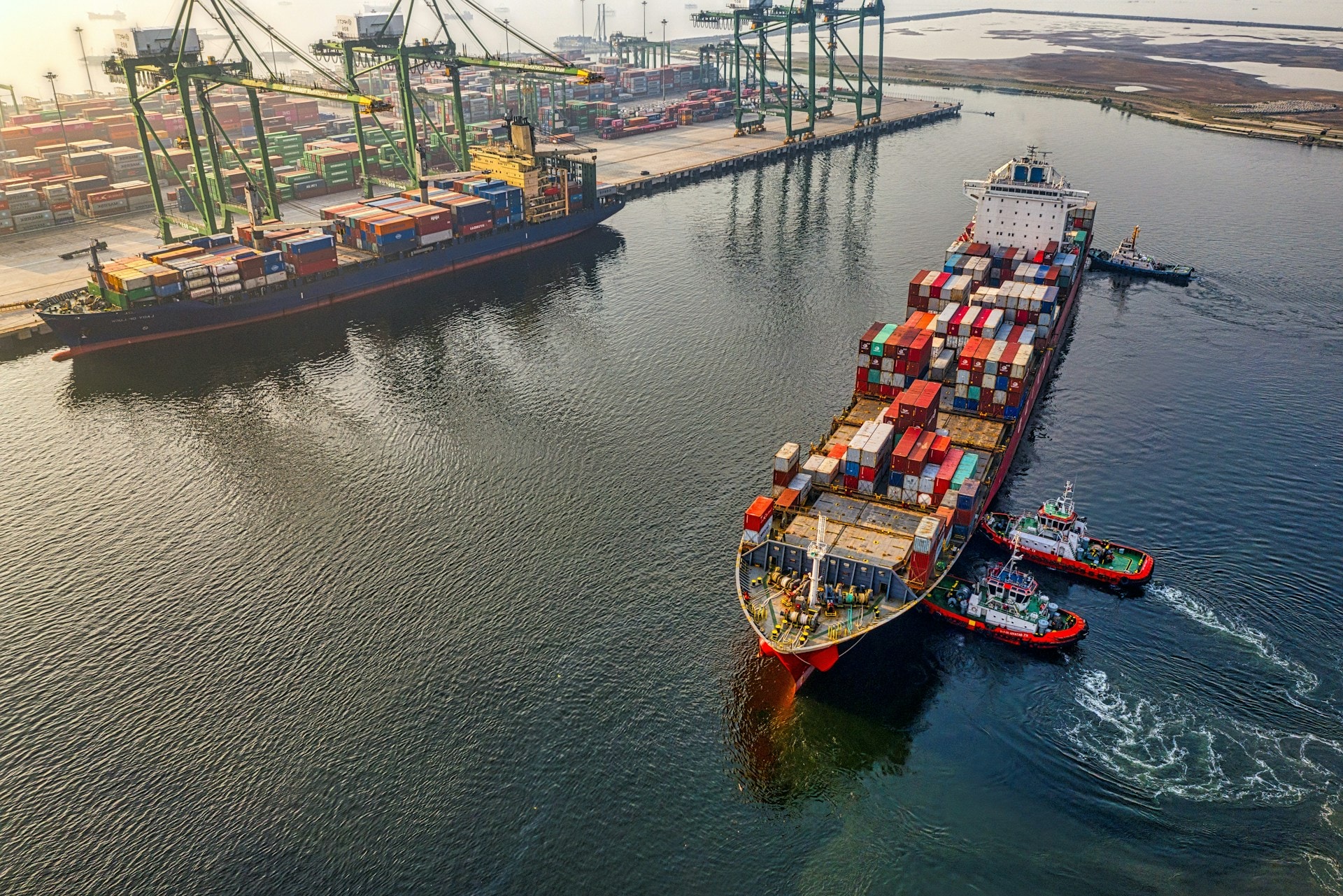
However, Europe’s subsidies for natural gas consumption are perpetuating reliance on imported energy, trading dependence on Russian piped gas for U.S.-supplied liquefied natural gas. We often hear energy security is about keeping the lights on and prices down, but there’s more to the story. True energy security isn’t just about today’s supply. It’s about building energy systems that foster economic development, political stability, and long-term prosperity — systems that are resilient, fair, and built to last.
That’s where things get interesting. Take fossil fuel subsidies: they’re meant to shield consumers from high prices and support economic growth by keeping energy affordable. But do they actually strengthen energy security — or quietly undermine it over time?

Here are seven ways fossil fuel subsidies weaken long-term energy security.
1. Self-Sufficiency
Tapping into reliable domestic energy sources strengthens a country’s energy independence—and therefore energy availability. Countries reliant on fossil fuel imports are vulnerable to market volatility and geopolitical shocks, since power stations, industries, and transport systems all depend on a steady flow of fuel. Strategic reserves can provide a temporary buffer, but they typically last only weeks or months.
In contrast, renewable energy coupled with battery storage does not rely on a continuous fuel supply. Once installed, renewables provide a secure and price-stable source of energy. For most countries, transitioning from fossil fuels to clean energy technologies (including renewables, batteries, and electric vehicles [EVs]) would improve energy security and reduce exposure to trade risks.

How do Fossil Fuel Subsidies Affect Self-Sufficiency?
Subsidies for Consumption
Most fossil fuel subsidies are aimed at consumption rather than production. In 2023, they accounted for 95% of all subsidies at USD 1 trillion. By artificially lowering fossil fuel prices, these subsidies discourage diversification of energy sources and the uptake of domestic renewables. This is especially problematic for importing countries, where lower prices drive overconsumption, increasing imports and exposing countries to international market fluctuations and supply chain disruptions. Lower fossil fuel prices also reduce incentives to invest in energy supply for the domestic market because it’s less profitable.
Subsidies for Production in Open Markets
Subsidies for fossil fuel production also have limited benefits for national energy security. Fossil fuels are globally traded commodities, and prices are largely set on international markets. Subsidizing production, therefore, doesn’t guarantee affordable energy for local consumers. Instead, it boosts profits for fossil fuel companies selling into the global market.
Subsidies for Production With Trade Barriers
There are some exceptions. When governments require producers to sell energy domestically, such as through trade barriers or domestic market obligations, producer subsidies can boost energy supply and potentially improve affordability. However, these mechanisms often operate as consumer subsidies, distorting markets by favouring less-efficient energy sources, slowing diversification of the energy mix and resulting in revenue losses for governments that are ultimately borne by citizens.
Finally, it’s important to remember that domestic production alone doesn’t guarantee self-sufficiency. Countries that export crude oil but lack domestic refining capacity, like Nigeria, must still import refined product, leaving them exposed to supply disruptions and import risks.
2. Diversity of Energy Sources
A more diverse energy system is a more secure one. It reduces vulnerability to supply disruptions, improving availability. Fossil fuel supplies tend to be geographically concentrated and centralized, creating geopolitical dependencies and increasing the risk of single points of failure.
Renewable energy offers a powerful contrast. Solar, wind, hydro, geothermal, and tidal power are naturally spread out across different locations and rely on varied technologies, enhancing system diversity and resilience. They are also modular and scalable, making it easier to respond to changing conditions.

How do Subsidies Affect Diversity of Energy Sources?
Fossil fuel subsidies — whether for production or consumption — artificially lower the cost of coal, oil, and gas, hindering the diversification of the energy mix. They distort market signals that would otherwise encourage consumers and investors to reduce energy demand or switch to cleaner alternatives. The lack of diversity makes energy systems more vulnerable to supply disruptions, price volatility, and geopolitical tensions.
3. Affordability
Energy can be made affordable in two ways: by artificially lowering energy prices or by investing in long-term solutions for the energy system (requiring good management, strategic planning, and sound governance) coupled with direct welfare payments to vulnerable consumers. Fossil fuel subsidies take the former path—distorting energy markets, causing pollution, and locking in fossil fuel dependence.
True energy affordability also means resilience to energy price shocks. Exposure to volatile fossil fuel prices can quickly undermine energy access. That’s why managing demand is essential. Without it, cheap energy can drive overconsumption and push long-term costs higher. Consumer subsidies make this worse by stimulating demand and preventing markets from stabilizing at lower prices.

How do Fossil Fuel Subsidies Affect Affordability?
At first glance, consumption subsidies appear to improve affordability, but who is actually paying? While consumers may pay less at the pump and on electricity bills, the public still foots the bill, either through direct government spending or foregone government revenue. And despite common assumptions, these subsidies rarely benefit the poorest. In fact, most of the gains go to wealthier households that consume more energy. The most common type of subsidy, untargeted consumption support, disproportionately benefits those who need it least.
Worse still, subsidies divert funds from essential services, such as health care, education, and infrastructure. While fossil fuel subsidies might offer short-term relief, they actually undermine long-term affordability and poverty reduction by weakening public finances.
Related Articles: How the UNFCCC Can Tackle Fossil Fuel Subsidies at COP28 and Beyond | Hurting People and Hurting the Planet: Fossil Fuel Subsidies | How Canada Ended Fossil Fuel Subsidies | The Cost of Fossil Fuel Reliance | Are the G7 Countries Sabotaging Their Own Climate Efforts? | How the G7 Can Advance Action on Fossil Fuel Subsidies in 2025
Clean energy offers a better path. Large-scale wind and solar are now cheaper electricity sources than coal and gas — in some cases even when paired with energy storage.
4. Energy Intensity
Lower energy intensity, i.e., using less energy per unit of GDP, signals higher energy efficiency, which reduces demand and therefore promotes greater energy availability, affordability, and resilience. Simply put, the less energy an economy needs, the less vulnerable it is to shortages and volatility. It also helps lower the costs of goods and services by reducing the cost of energy in the overall economy.

How do Fossil Fuel Subsidies Affect Energy Intensity?
Fossil fuel subsidies—particularly those for consumption—undermine energy efficiency by encouraging overuse of energy sources. As a result, countries consume more energy per unit of economic output.
Subsidies also perpetuate reliance on fossil fuels, which prevents the shift to a less energy-intensive system. Fossil fuel-based systems are inherently inefficient, since around two thirds of the energy is lost (mostly as heat) by the time it reaches the end user. Increasing deployment of renewables and electrification can reduce energy intensity across the globe.
5. Resilience of Domestic Infrastructure, Including Electricity Grid Reliability
Resilient energy infrastructure is critical to ensure accessibility. Strong grids, coupled with effective demand-side management, help ensure a continuous power supply, prevent price volatility caused by supply disruptions, and decrease reliance on external energy sources.

How do Subsidies Affect the Resilience of Domestic Infrastructure?
Fossil fuel subsidies can discourage investments in resilient, sustainable energy infrastructure. Consumer subsidies reduce the profitability of energy supply, leaving companies and governments with limited resources and incentive to expand or maintain infrastructure. When electricity tariffs are set below the cost of supply, state-owned utilities often accumulate unsustainable debt, making it harder to invest in grid reliability and energy access. This has happened in half of the G20’s emerging economies: Argentina, China, India, Indonesia, South Korea, and South Africa.
6. Supply Interruption Risk
Effective management policies and procedures are needed to reduce the risks of supply disruptions and ensure availability and accessibility. Fossil-based systems rely on a continuous supply of fuel, creating more vulnerability. Clean energy technologies only need to be delivered once, with no ongoing fuel requirements.

How do Subsidies Increase Supply Interruption Risk?
Fossil fuel subsidies increase the risk of supply interruptions in several ways. They increase fossil fuel dependency, heightening the risks to supply due to geopolitical conflicts, natural disasters, and market volatility. Subsidies for consumption also distort market signals, discouraging investment in critical infrastructure like refining capacity and encouraging overconsumption.
In some cases, artificially low fuel prices create gaps between domestic and international markets, incentivizing smuggling and black markets. This not only exacerbates shortages but also undermines broader energy system governance. Subsidies often lie at the heart of chronic energy supply issues.
7. Risks Due to Climate Change and Environmental Damage
Environmental impacts directly impact acceptability but can also undermine long-term energy security by interrupting supply or by increasing demand, availability, and accessibility.

How do Subsidies Increase Risks Due to Climate Change and Environmental Damage?
Fossil fuel subsidies accelerate climate change due to the use of high-emission energy sources. This contributes to more frequent and severe extreme weather events—like intense storms, sea level rise, and droughts—that can damage energy infrastructure and indirectly affect energy security.
IISD’s economic modelling projected that gradual removal of all consumer fossil fuel subsidies by 2030 could reduce greenhouse gas emissions by around 6% compared with a business-as-usual scenario in 35 countries, showing how one policy shift can deliver substantial climate and energy security benefits.
Editor’s Note: The opinions expressed here by Impakter.com columnists are their own, not those of Impakter.com — In the Cover Photo: A faint aurora and the Earth’s atmospheric glow crown this night time photograph of Ireland, Great Britain, and a portion on Northern Europe, as the International Space Station orbited 262 miles above the Atlantic Ocean, January 17, 2022. Cover Photo Credit: NASA.