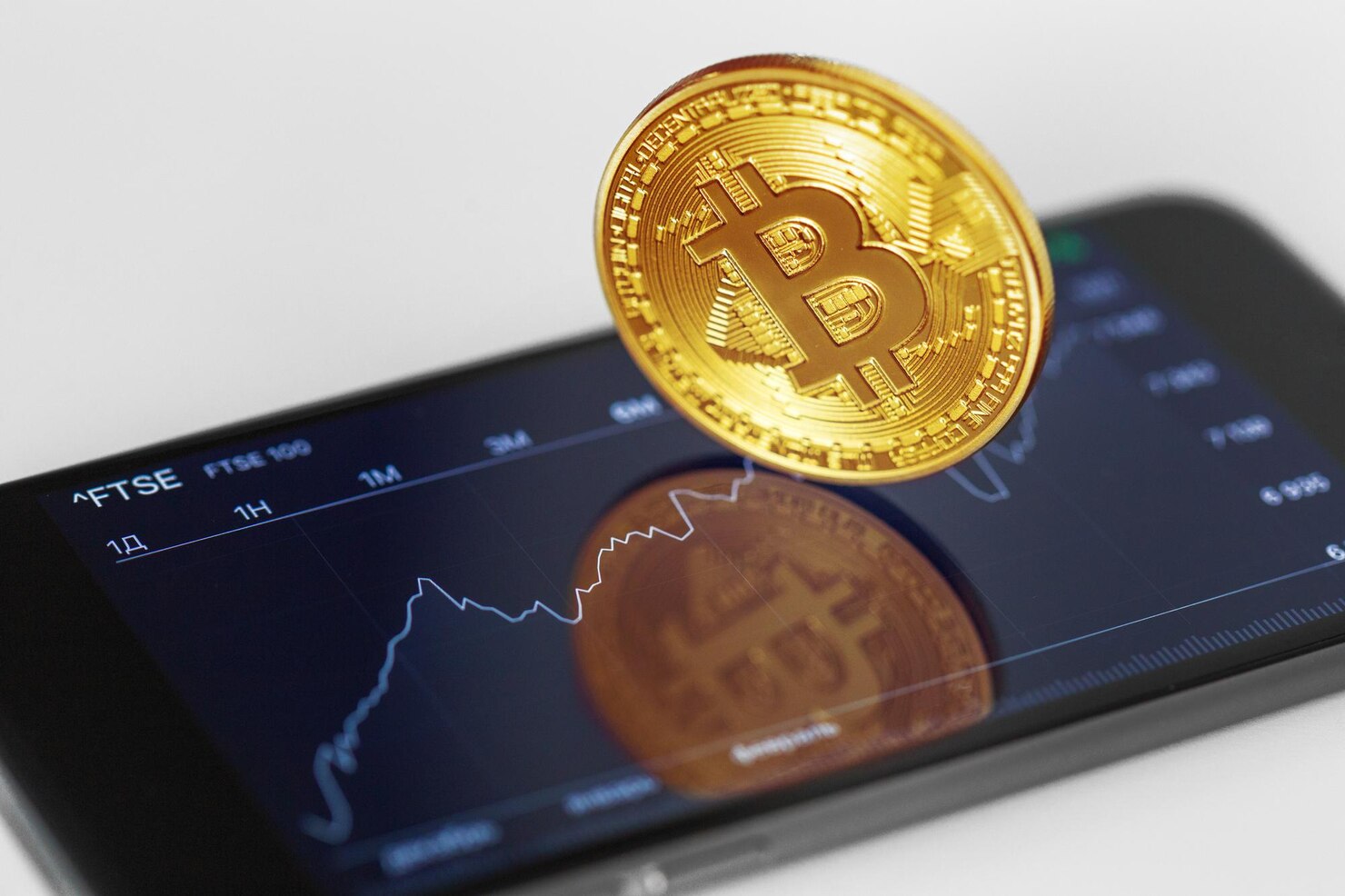
Getting your feet wet in crypto can feel like stepping into a fast-moving river — one moment the flow is steady, and the next it swings like a pendulum. That’s why setting up your first crypto portfolio with a clear structure is essential. New traders often don’t realize how important features like crypto portfolio margin access can become later, especially when evaluating your exposure and understanding how leveraged positions may impact your overall holdings. Before you start buying coins left and right, it helps to build a framework that keeps you grounded even when the market tosses surprises your way.
A well-assembled crypto portfolio gives you a central place to view your assets, your performance, and your long-term goals. Think of it as your personal dashboard — the quicker you see what’s happening, the quicker you can act. Beginners often jump straight into buying the hottest tokens, but seasoned traders know it pays to understand the fundamentals first: blockchain basics, trading mechanics, and liquidity dynamics.
A portfolio becomes truly powerful when it reflects your strategy rather than the market’s mood.
Diversification as the Backbone of a Stable Strategy
If there’s one principle traders swear by, it’s diversification. When the market heat turns up, spreading your investments can make the difference between steady growth and sleepless nights. Here’s a simple way to approach it:
- A small slice for high-volatility assets
- A moderate portion for proven mid-caps
- A conservative base of low-risk positions.
This structure doesn’t eliminate uncertainty, but it keeps your exposure balanced even when price swings hit harder than expected.

Balancing Risk Like a Seasoned Trader
Every position in your portfolio carries risk, and ignoring that reality is where many newcomers slip. A strong risk profile isn’t about avoiding volatility — it’s about knowing how much you’re willing to tolerate if things turn south. Traders often reassess their allocations after major market events to prevent a single asset from dominating the entire profile. That mindset keeps emotions in check when the market tests your patience.
Choosing a Wallet That Matches Your Investment Style
Your wallet is your vault in the digital economy. Hardware wallets offer deep security for long-term storage, while software wallets provide convenience for active traders who rebalance often. The right choice depends on how frequently you trade, how much capital you hold, and how comfortable you feel with signing transactions on the move.
Explore Tools to Track Progress and Stay Ahead
Great traders explore constantly — market data, price alerts, and smart analytics. Portfolio-tracking apps help visualize performance and keep emotion-driven decisions at bay. When you see trends clearly, you react with confidence rather than impulse.
Building a crypto portfolio isn’t about chasing every market swing — it’s about setting a foundation that keeps you steady when volatility kicks up. With the right mix of structure, diversification, risk awareness, and reliable tools, you give yourself the clarity every trader needs. Start simple, stay consistent, and adjust as you learn. A well-built portfolio grows with you, not against you.
Editor’s Note: The opinions expressed here by the authors are their own, not those of impakter.com — In The Cover photo: Setting Up Your Crypto Portfolio —
Cover Photo Credit: abrikasimf