Price discovery is the messy part of an IPO that most headlines skip. A company can be loved by customers and still mispriced on day one. When the offer price is set too low, the first-day ‘pop’ transfers value from existing stakeholders to the earliest buyers. This can look like hype, but it is also a form of waste.
Underpricing happens for reasons that sound rational. Banks want a successful debut, investors want a margin of safety, and issuers fear a broken deal. However, the cost is real, and it shows up as dilution and frustrated employees.
Pre-IPO trading and structured secondary windows promise something simple. Let more real trades happen before the bell, then use those signals to tighten the gap between what a company is worth and what it sells for. Here are five ways pre-IPO trading could reduce IPO underpricing waste.
-
Use secondary trades to narrow the valuation fog
The Figma story is a useful lens, especially when you consider how Figma could have benefited from pre-IPO trading. A functioning pre-IPO market can create a trail of actual prices. It can also reveal where buyers hesitate, and why. This context helps a company and its underwriters anchor expectations before the roadshow starts.
-
Reduce information asymmetry, without pretending it disappears
IPO underpricing often reflects uneven information. Institutions get more meetings, more models, and more time. Pre-IPO trading does not magically level the field, but it can force earlier disclosure discipline. When trades happen, questions follow. So do data requests, governance scrutiny, and clearer narratives around growth, churn, unit economics, and risk.
-
Stress-test demand before the bookbuilding theatrics
Traditional bookbuilding relies on ‘indications of interest,’ which can be strategic and slippery. A secondary venue, even with limited liquidity, can act like a reality check. If bids are shallow, it shows. If demand is deep but price sensitive, that shows too. Underwriters can then size the deal, set a tighter range, and plan allocations with more evidence and less guesswork.
-
Give employees liquidity, and reduce pressure to accept a discounted IPO
Underpricing is not just a number. It affects people. Employees and early builders often carry concentrated risk for years. When they cannot sell a portion of shares before the IPO, they face a harsh choice: hold and hope, or sell quickly after lockup.
Measured pre-IPO liquidity can reduce desperation selling and lower the incentive to ‘price for a pop’ as a morale event. It also supports financial planning and retention, which is a quiet governance win.
-
Avoid new distortions, because a bad signal is worse than no signal
Pre-IPO trading can also mislead. Thin volume, restricted access, and headline-driven momentum can create noisy prices. Private-company information is uneven by design. This means secondary markets need guardrails, verified participants, clear transaction terms, and strong compliance.
Company-led liquidity programs can help by standardizing windows and disclosures. Otherwise, the market becomes a rumor machine, and the IPO price will still be negotiated in the dark.
Endnote
Pre-IPO trading will not eliminate underpricing, and it should not try to. However, better signals earlier can shrink the gap that turns a listing into a wealth transfer. If the goal is efficient capital markets with fairer outcomes, price discovery before the bell is worth taking seriously.
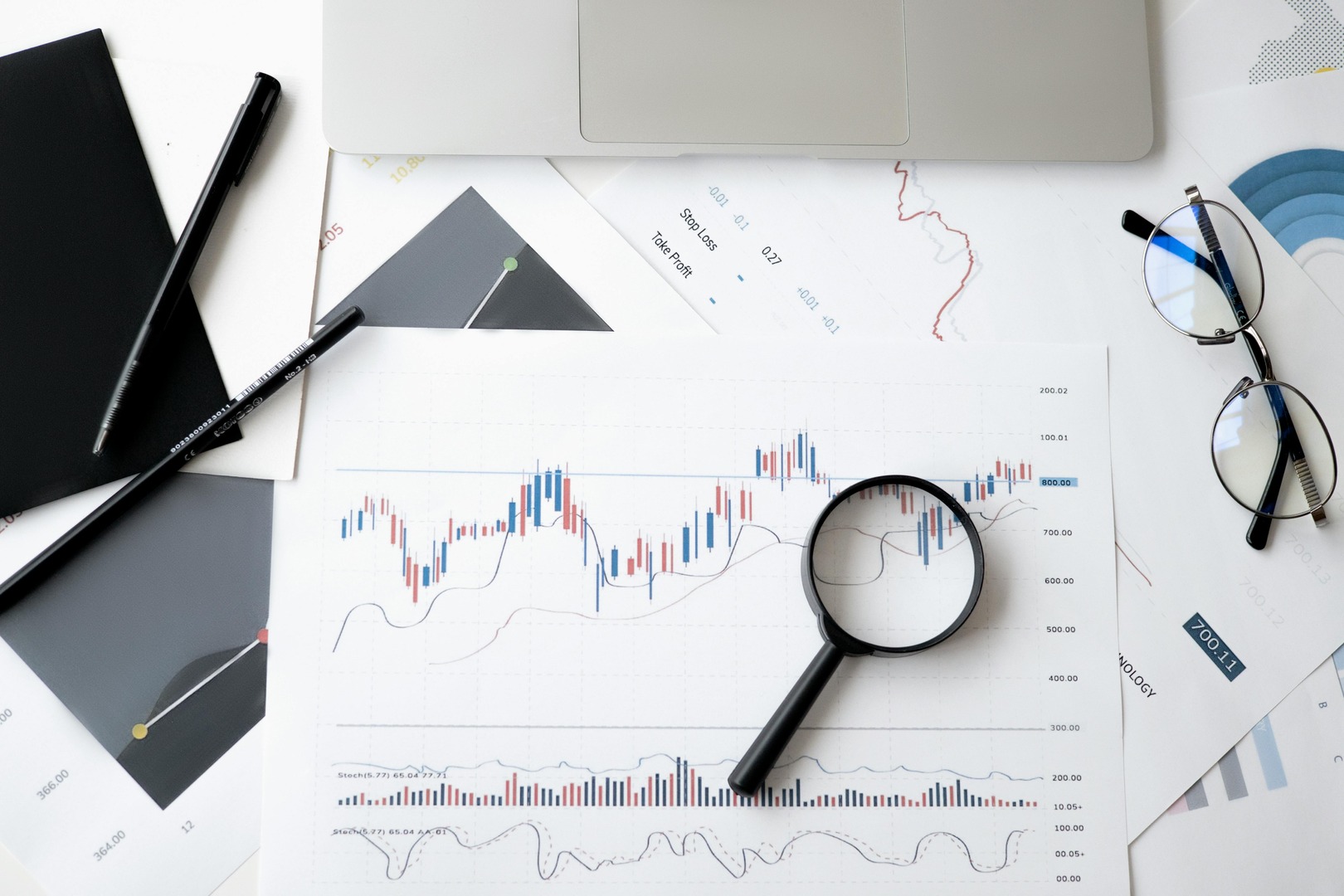
Editor’s Note: The opinions expressed here by the authors are their own, not those of Impakter.com — In the Cover Photo: Pre-IPO Trading graphs Cover Photo Credit: Hanna Pad