Choosing the right prosthetic device represents one of the most important decisions for young patients and athletes seeking to maintain active lifestyles. The selection process involves numerous technical considerations, from material composition to functional design elements. Both pediatric patients and athletic individuals face unique challenges that require specialized attention from prosthetists and medical teams.
Understanding Specialized Prosthetic Requirements
When evaluating options for young patients, pediatric prosthetics must account for growth patterns, developmental stages, and activity levels that differ significantly from adult requirements. Children’s bodies undergo constant changes, requiring devices that can accommodate rapid growth spurts and evolving motor skills.
The selection criteria for these specialized devices extends beyond basic functionality. Prosthetists must consider psychological adaptation, social integration, and long-term durability when working with younger patients. The fitting process often involves multiple adjustments and follow-up appointments to ensure optimal comfort and performance.
Material Selection and Durability Factors
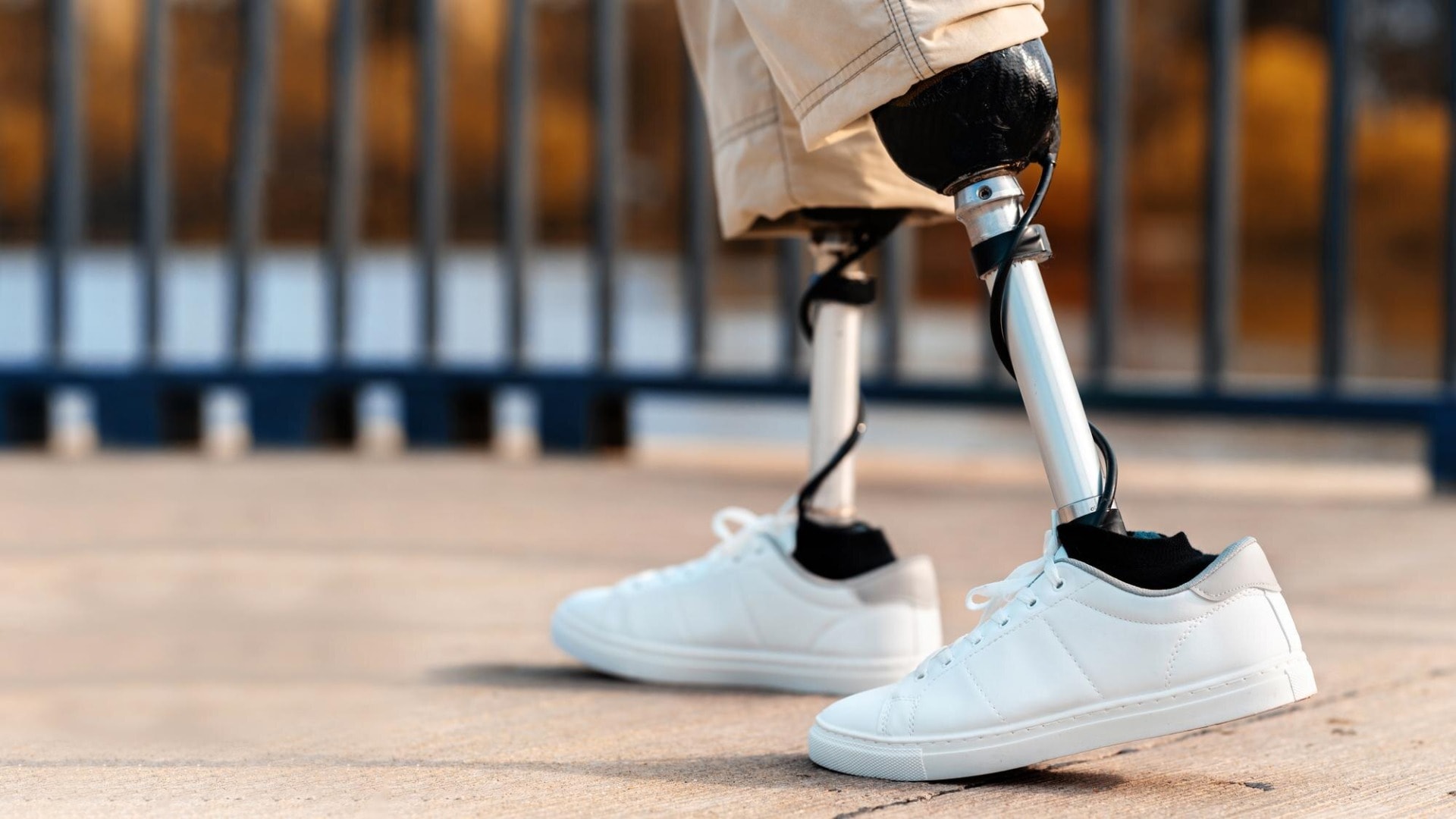
Modern prosthetic devices utilize advanced materials ranging from carbon fiber composites to lightweight titanium alloys. Each material offers distinct advantages depending on the intended use and patient requirements. Carbon fiber provides excellent strength-to-weight ratios, making it ideal for active individuals who require responsive movement capabilities.
Durability considerations become particularly important for pediatric applications, where devices must withstand playground activities, sports participation, and general childhood adventures. The material selection process involves balancing weight, strength, and cost factors to create devices that perform reliably over extended periods.
Biomechanical Considerations for Active Users
Athletic applications demand prosthetic devices that can handle high-impact activities, rapid directional changes, and sustained performance under stress. An athletic prosthetic leg must provide stability during running, jumping, and lateral movements while maintaining comfort throughout extended training sessions.
The biomechanical design process involves analyzing gait patterns, force distribution, and energy return characteristics. Engineers work closely with athletes to understand specific sport requirements and performance expectations. This collaboration ensures that the final device enhances rather than limits athletic performance.
Fitting and Adjustment Processes
Proper fitting represents a critical component of prosthetic success, requiring multiple appointments and careful attention to detail. The initial fitting process involves taking precise measurements, creating custom molds, and conducting thorough evaluations of the patient’s residual limb characteristics.
Adjustment periods vary significantly between individuals, with some patients adapting quickly while others require extended training and modification periods. Prosthetists monitor progress closely, making incremental adjustments to improve comfort, functionality, and overall user satisfaction. Regular follow-up appointments ensure optimal performance and identify potential issues before they become problematic.
Technology Integration and Advanced Features
Contemporary prosthetic devices incorporate sophisticated technology elements that enhance functionality and user experience. Microprocessor-controlled components can adjust to different walking speeds and terrain conditions, providing more natural movement patterns for active users.
Advanced sensor systems monitor user activity and automatically adjust device settings to optimize performance. These technological improvements particularly benefit athletes who require consistent performance across varying conditions and activity levels. Battery life, maintenance requirements, and technological complexity must be carefully evaluated when considering these advanced options.
Cost Considerations and Insurance Coverage
The financial aspects of prosthetic selection involve multiple factors including initial device cost, ongoing maintenance expenses, and replacement schedules. Insurance coverage varies significantly between providers and specific policy terms, making it essential to understand coverage limitations and approval processes.
Key cost factors to evaluate include:
- Initial device purchase price and fitting expenses
- Regular maintenance and repair costs
- Replacement timeline and associated expenses
- Insurance deductibles and coverage limitations
- Additional equipment needs for specific activities
- Training and rehabilitation program costs
Long-term financial planning becomes particularly important for pediatric patients who will require multiple device replacements as they grow and develop. Athletic users may need specialized equipment for different sports or training activities.
Conclusion
Selecting appropriate prosthetic devices for pediatric patients and athletes requires careful consideration of numerous technical, functional, and personal factors. The decision-making process benefits from professional guidance, thorough evaluation of available options, and realistic assessment of individual needs and expectations. Success depends on finding the optimal balance between performance capabilities, comfort requirements, and long-term sustainability. As prosthetic technology continues advancing, users can expect even more sophisticated options that enhance both functionality and quality of life for active individuals across all age groups.
Editor’s Note: The opinions expressed here by the authors are their own, not those of impakter.com — In the Cover Photo: A man walking with his prosthetic legs. Cover Photo Credit: frimufilms