It’s easy to stop overfishing: just stop fishers from taking too many fish from the sea. But of course the problem starts well before any boats hit the water. Turning the tide against overfishing requires addressing root causes and drivers such as unreliable or scarce data, too many boats in a fishery, inadequate monitoring of illegal activity, power asymmetries, and overall consumer demand needing to be tackled for real change to take place.
The drivers of overfishing
Catch data can be a red herring. Fishers target areas where fish are most concentrated: along migratory pathways or in habitats where fish aggregate to socialise, feed or reproduce. This maximises the catch while minimising the time, fuel and effort fishers spend. But it becomes problematic when fishers, fishery managers and policymakers don’t know enough about the system and the target fish populations to set sustainable catch levels.
Offshore fishers maintained high catch rates of Newfoundland cod because they were fishing the spawning aggregations. In their eyes there was no problem: catch rates stayed steady, and even rose – right up until the fish population completely collapsed.
The cod were nearly fished to extinction and 30 years later the stock has still not recovered. While many factors contributed, one of the biggest problems was fisheries managers relying mostly on catch data from the fishery (number of fish caught per unit effort of fishing) rather than robust, fisheries-independent data to estimate the size of the population. This caused a miscalculation. Once the error was discovered, policymakers failed to act decisively until it was too late.
The same scenario has played out again and again across the world’s oceans – for orange roughy, for Mediterranean swordfish and for Pacific bluefin tuna.
Overcapacity also drives overfishing: there are too many fishers in too many boats taking more than fish populations are able to replenish.
When a new fishery is exploited, catches are really good at first, enabling fishers to borrow money to buy more boats and get better technology. Before long, though, there aren’t enough fish to go around. It’s easy to take out a loan to buy a boat while a fishery is growing, and it’s nearly impossible to sell a boat when a fishery is in decline. Economists refer to this as sticky capital – once fishers have bought in, it’s hard to get out. The infamous Chinese distant-water fishing fleet is a case in point: nearly 17,000 boats travel throughout the world’s oceans to fish anything they can, anywhere – including right near, and inside highly protected marine protected areas, such as the ecologically precious Galápagos Islands.
Overcapacity becomes even more problematic if countries cannot or will not enforce monitoring, control and surveillance regimes on vessels fishing in their exclusive economic zones, or on vessels registered under their flag in other waters for which they are legally responsible. When overcapacity meets lack of monitoring, illegal fishing will follow.
Vietnamese boats across the Pacific engage in ‘roving banditry’: boats fish in one place until the population is wiped out, then move on to fish illegally elsewhere. This scenario plays out across many oceans where industrial-scale distant water fishing fleets from countries such as China, Spain and Taiwan repeatedly exploit the inadequacies of developing economies’ monitoring capabilities. The consequences are devastating. Fisheries are destroyed, and local fishers who rely on fishing for survival are unable to feed their families.
Related Articles: Our Oceans Are Sick: The Solution Is More Money and More Protection, Says WWF | ‘Ocean Emergency’ Declared at UN Ocean Conference
Demand is another driver of overfishing – and it goes beyond a taste for sushi-grade tuna. Farmed fish was touted as a more environmentally responsible choice, leading to increasing consumer demand for it. The reasoning was if farmed fish production increased, wild fish populations would have a chance to recover.
But farmed fish are usually fed fishmeal: ground-up small species of wild fish such as anchovies and sardines. Demand for fishmeal is disproportionately felt in developing countries such as Gambia, where Chinese fishmeal factories and associated fishers deplete local fish resources and discharge waste directly into the waters local communities rely on for survival.
This in turn relates to a further driver of overfishing: power imbalances. Locals allege Chinese investment in Gambian development has effectively bought Gambian politicians – to the point that highly destructive and contentious fishmeal plants continue to operate with relative impunity and little to no legal oversight. Developing economies have little ability to bargain for better deals with mighty countries such as China. Less powerful countries tend to settle for whatever concessions and development ‘aid’ they are offered.
Fixing the problem at the source
The fix starts by applying basic scientific methods to assess how many fish are still out there and what condition their populations are in. A 2012 estimate suggests nearly 80 percent of the world’s fish stocks still lack this fundamental data, so much remains to be done.
Non-governmental organisations can help improve transparency and accountability. Global Fishing Watch, C4ADS and Trygg Matt Tracking are shining a light on commercial fishing’s murky practices.
Importantly, these groups are also working to address and fill the gaps in many countries’ monitoring capabilities. In revealing the extent of the problem, their work is helping pressure decision-makers to address the issues through policy and litigation.
Addressing power asymmetries between wealthy and developing economies is not easy, but interregional and multi-country cooperative agreements have had considerable success. They allow neighbouring countries to share resources and more effectively manage the sale of fishing licenses, and patrolling and enforcement in their exclusive economic zones.
Fish-i Africa and the West Africa Task Force have detected, gathered evidence, and mounted enforcement and prosecution actions against illegal fishing operations in their regions. These cooperatives have improved deterrence and made it harder for bandits and other illegal fishers to flee national jurisdictions to avoid penalties and prosecution.
Hailed by veteran Pacific correspondent Sean Dorney as the “most remarkable achievement of the Pacific Island countries in the last 50 years”, the Parties to the Nauru Agreement is a cooperative approach to regional fisheries management. As early as the 1980s, the tuna populations of the eight relatively tiny Pacific Island countries party to the agreement were being massively overfished by distant-water fleets from Asia and Europe.
Individually, these countries had limited bargaining power, so they were undercutting each other when selling fishing rights to fleets from developed countries. The new agreement has coordinated the countries’ relations with foreign fleets and in 2011 it led to a trading scheme that dramatically increased the countries’ earnings from foreign fleets. A decade ago the agreement’s member countries were collecting 2 to 3 percent of skipjack landing values. Today, they’re getting 25 percent of the dockside selling price.
These increases improve the lives of the countries’ citizens. Kiribati has used its profits on social spending and infrastructure development, and Papua New Guinea has earmarked its profits for the development of cooperative fish farming and sustainable coastal fisheries development.
Fishing has cultural, environmental and economic dimensions, and overfishing is a similarly complex problem with intertangled drivers. Stopping overfishing requires creative and cooperative solutions. These solutions are most effective when experts from multiple sectors (governmental, non-governmental, and scientific) partner with and empower those who suffer most from overfishing – fishers themselves.
— —
This article was originally published under Creative Commons by 360info™.
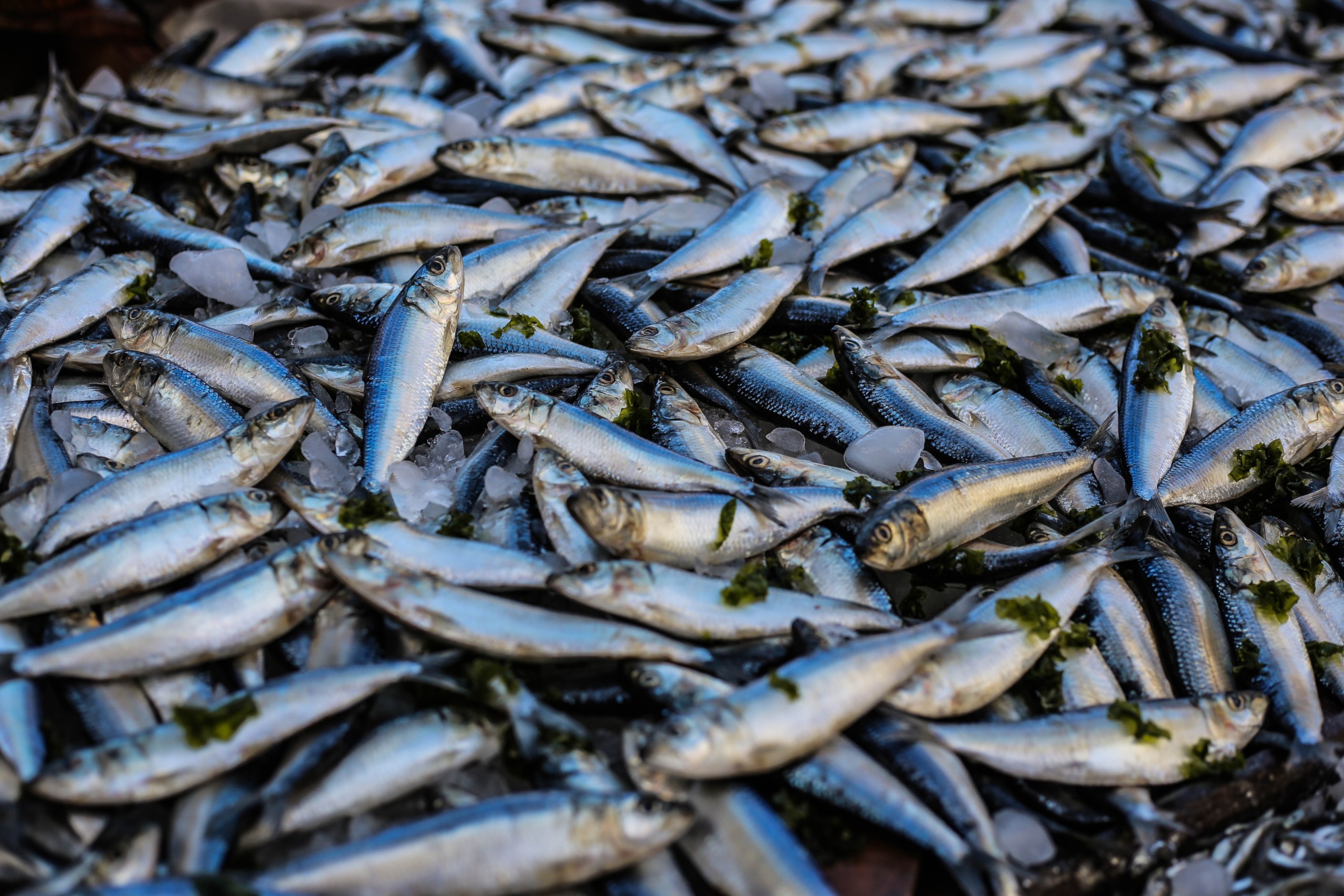
Editor’s Note: The opinions expressed here by the authors are their own, not those of Impakter.com — In the Featured Photo: A pile of fish in Egypt. Featured Photo Credit: Oziel Gómez.