Today’s ESG Updates
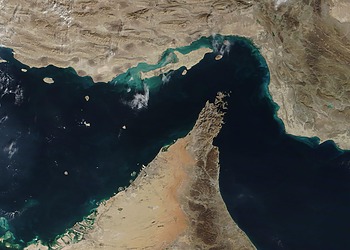
- Oil Prices Surge Amid Iran Conflict: Oil prices climbed as the U.S.-Israel war with Iran disrupted shipments through the Strait of Hormuz, tightening supply and pushing global crude and refined fuel costs higher.
- Europe Faces Gas Storage Crunch: Europe’s gas reserves sit at a five-year low as the Iran conflict disrupts LNG flows, forcing costly summer refills and sending benchmark gas prices to their highest since early 2023.
- Lukoil Retreats from Global Markets: Russian oil giant Lukoil begins selling overseas assets after U.S. sanctions, marking the collapse of an $800 billion Russian expansion strategy and reshaping the company into a domestic-focused producer.
- Asia Refining Margins Soar: Asian refineries face record margins amid Hormuz supply disruptions, with jet fuel, diesel, and naphtha costs surging as refiners scramble to secure replacement crude and maintain operations.
Oil prices rise as Iran conflict disrupts global supply
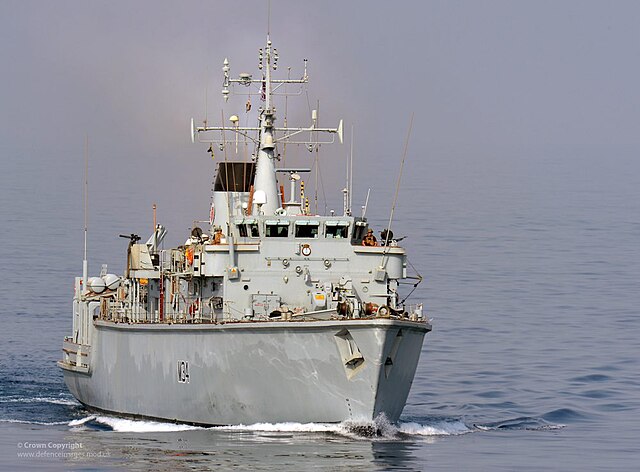
Oil prices climbed for a fifth straight session as escalating conflict between Iran, Israel, and the United States raised concerns about global energy supply disruptions. Brent crude rose nearly 3% to around $83.75 per barrel, while U.S. West Texas Intermediate increased to about $77.08. Markets reacted to growing risks around the Strait of Hormuz, a key shipping route where tanker traffic has nearly halted following attacks and security concerns. Around 300 oil tankers remain stranded in the area. Production cuts in Iraq and a force majeure declaration by Qatar on gas exports further tightened energy markets, increasing fears of prolonged supply shortages and volatility in global oil prices.
***
Further reading: Oil rises on supply concerns as Iran conflict widens
Klimado – Navigating climate complexity just got easier. Klimado offers a user-friendly platform for tracking local and global environmental shifts, making it an essential tool for climate-aware individuals and organizations.
Europe faces gas storage crunch as Iran conflict tightens LNG supply
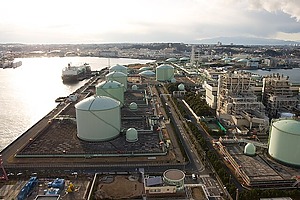
Europe faces a growing challenge in refilling its natural gas storage for next winter as conflict involving Iran disrupts global LNG supply and pushes prices higher. Storage levels are expected to fall to around 22–27% by the end of the heating season, well below the five-year average of 41%. Analysts estimate Europe will need about 700 LNG cargoes this summer to refill reserves, roughly 180 more than last year. The disruption has also driven benchmark European gas prices to their highest levels since early 2023. If shipping through the Strait of Hormuz remains disrupted, energy analysts warn that Europe could face another severe supply squeeze similar to the 2022 energy crisis.
***
Further reading: Europe faces gas storage scramble as Iran conflict tightens supply
Related Articles
Here is a list of articles selected by our Editorial Board that have gained significant interest from the public:
Lukoil’s asset sales signal collapse of Russia’s global energy expansion
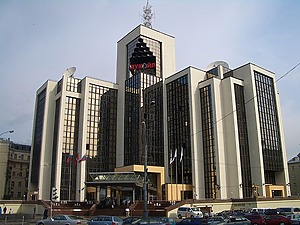
Russian oil giant Lukoil is being forced to sell international assets across nearly 30 countries after U.S. sanctions targeted the company as part of efforts to pressure Moscow over the war in Ukraine. The fire sale, overseen by the U.S. Treasury, marks a dramatic reversal of the company’s decades-long strategy to build a global energy empire. Lukoil had spent about $40 billion acquiring oilfields, refineries, and fuel stations worldwide, but sanctions have made international operations nearly impossible. The asset sales highlight the broader collapse of Russia’s $800 billion overseas investment push that followed the Soviet Union’s fall, reshaping the country’s role in global energy markets.
***
Further reading: Lukoil fire sale marks failure of Russia’s $800 billion bet to go global

Asia refining margins surge as Hormuz disruption tightens oil supply
Refining margins across Asia have surged to their highest levels in nearly four years as disruptions in the Strait of Hormuz restrict crude flows amid the escalating U.S.-Iran conflict. The chokepoint normally handles more than 20% of global oil shipments, and the disruption has left refiners struggling to secure replacement crude supplies. Jet fuel and diesel margins have led the rally, with aviation fuel margins climbing above $52 per barrel. Some Asian countries have also suspended fuel exports, further tightening regional supply as refineries cut processing rates to conserve limited crude.
***
Further reading: Asia refining margins rocket to highest in nearly 4 years on Hormuz supply disruption
Editor’s Note: The opinions expressed here by the authors are their own, not those of impakter.com — In the Cover Photo: Strait Of Hormuz. Cover Photo Credit: Wikimedia Commons