Today’s ESG Updates:
- Oil Prices Soar as Middle East Conflict Disrupts Key Export Hubs: Oil prices are surging as Middle East tensions disrupt export hubs and shipping lanes, with global supply expected to fall sharply and markets bracing for more volatility.
- IEA Says Oil From Emergency Stocks to Flow Immediately in Asia: The IEA says 400 million barrels from emergency oil stocks will start flowing to Asia immediately to replace Middle East supplies hit by war‑linked disruptions.
- China’s Power “Supergrid” Gives Xi Jinping Buffer Against Energy Shocks: China is building a massive “supergrid” to move renewable power from its west to the east, using record state‑backed investment and low‑cost debt to cut reliance on imported fuels.
- Lenders Offer Over £3.35 Billion Equity Injection to Rescue Thames Water: Thames Water’s lenders have offered £3.35 billion in new equity to rescue Britain’s largest water supplier and avoid temporary nationalisation.
Oil prices soar as Middle East conflict disrupts key export hubs
Oil prices are poised to keep rising as the Middle East conflict between the U.S., Israel, and Iran enters its third week and threatens key export hubs, with Brent and U.S. West Texas Intermediate (WTI) futures up more than 40% so far this month to their highest levels since 2022.
The U.S. has struck military targets on Iran’s Kharg Island oil export hub and is threatening more strikes. At the same time, Tehran has cut shipping through the Strait of Hormuz, forcing President Trump to push allies to deploy warships and form a coalition to escort vessels through the strait.
The International Energy Agency (IEA) expects global oil supply to fall by 8 million barrels per day (bpd) in March and Middle Eastern producers to cut output by at least 10 million bpd, while more than 400 million barrels from emergency stockpiles will be released in stages across Asia‑Oceania, Europe, and the Americas to cool prices. However, diplomatic efforts toward a ceasefire have been rebuffed by the Trump administration and Iran for now.
***
Further reading: Oil poised for further gains as Middle East conflict threatens export facilities
Klimado – Navigate climate complexity with a user-friendly platform that tracks global and local environmental changes for ESG-conscious decision-making. Perfect for investors, companies, and policymakers seeking actionable insights on sustainability trends.
IEA says oil from emergency stocks to flow immediately in Asia

The IEA says oil from a record 400‑million‑barrel emergency stockpile release will start flowing to Asia immediately as buyers scramble to replace Middle East supplies cut by war‑linked disruptions, especially through the Strait of Hormuz.
Supplies for Asia are set to arrive from 16 March “right away,” while Europe and the Americas will see barrels only from the end of March, though the pace of that release is still unclear.
IEA executive director Fatih Birol notes this adds “unprecedented additional volumes of oil to the market,” but stresses that reopening the Strait of Hormuz is key for stabilising flows.
Crude futures have already topped US$100/barrel, and refined‑products prices in Europe, such as jet fuel at over US$220/barrel and diesel at over US$150/barrel, show how tight the market has become.
***
Further reading: IEA says oil from emergency stocks to flow immediately in Asia
Related Articles
Here is a list of articles selected by our Editorial Board that have gained significant interest from the public:
China’s “supergrid” gives Xi Jinping a buffer against energy shocks
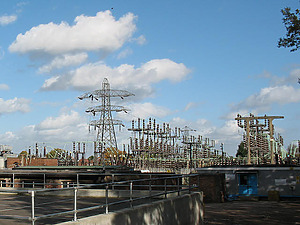
China is rapidly building a “supergrid” to move renewable power from its western interior to the industrial east, using record grid investment and state‑owned utilities that have become the world’s biggest bond issuers.
State Grid and China Southern Power Grid have already sold about 92.5 billion yuan (S$17.2 billion) in domestic bonds in 2026, on top of a record 901 billion yuan last year, with an average yield of just 1.7%, underscoring very cheap financing.
China plans to spend roughly 5 trillion yuan on electricity networks over the next five years, mostly to transport wind and solar power and to reduce reliance on imported oil and gas amid disruptions in the Middle East.
Analysts note the grid builds “localised” energy and improves security, though questions remain about underused transmission and battery assets and how state grids will repay soaring debt.
***
Further reading: China’s power ‘supergrid’ gives Xi buffer against energy shocks

Lenders offer over £3.35 billion equity injection to rescue Thames Water
Thames Water’s lenders have offered to inject £3.35 billion (about $4.43 billion) of new equity into Britain’s largest water company as part of a fast‑tracked rescue plan, with the revised proposal already submitted to the sector regulator Ofwat.
The package comes from creditors including Invesco, Elliott Management, and Silver Point Capital, as the firm teeters on the edge of temporary nationalisation and needs hundreds of millions in fresh funding by month‑end.
In exchange, lenders would secure at least a 10% equity stake in the recapitalised business. At the same time, Thames Water said it remains hopeful of a customer‑ and environment‑focused market‑led deal if a long‑term restructuring is not finalised.
***
Further reading: Lenders offer over $4.4 billion equity injection to rescue Thames Water, Sky News reports
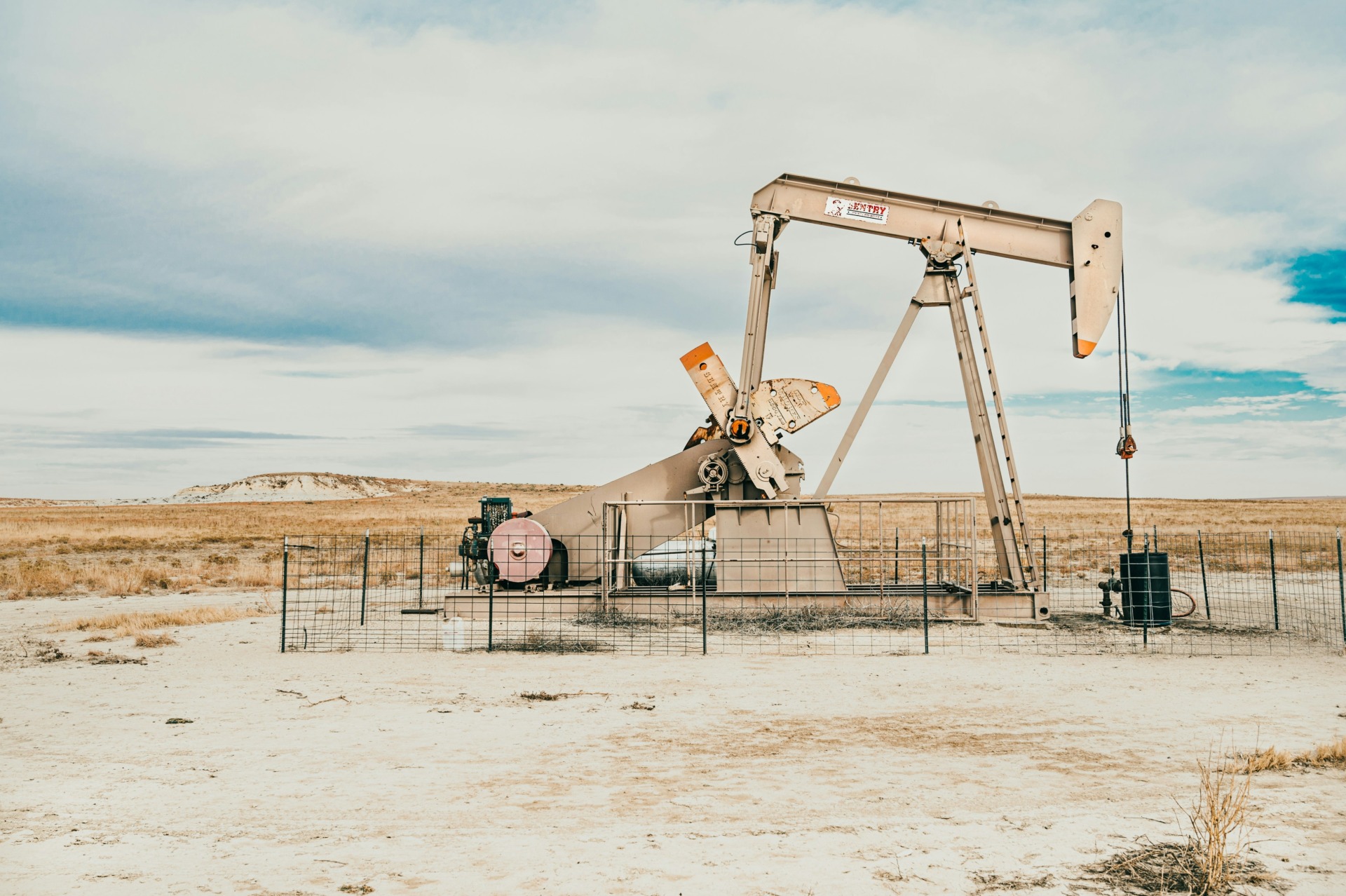
Editor’s Note: The opinions expressed here by the authors are their own, not those of impakter.com — In the Cover Photo: An oil pump jack. Cover Photo Credit: Colton Sturgeon on Unsplash