Today’s ESG Updates
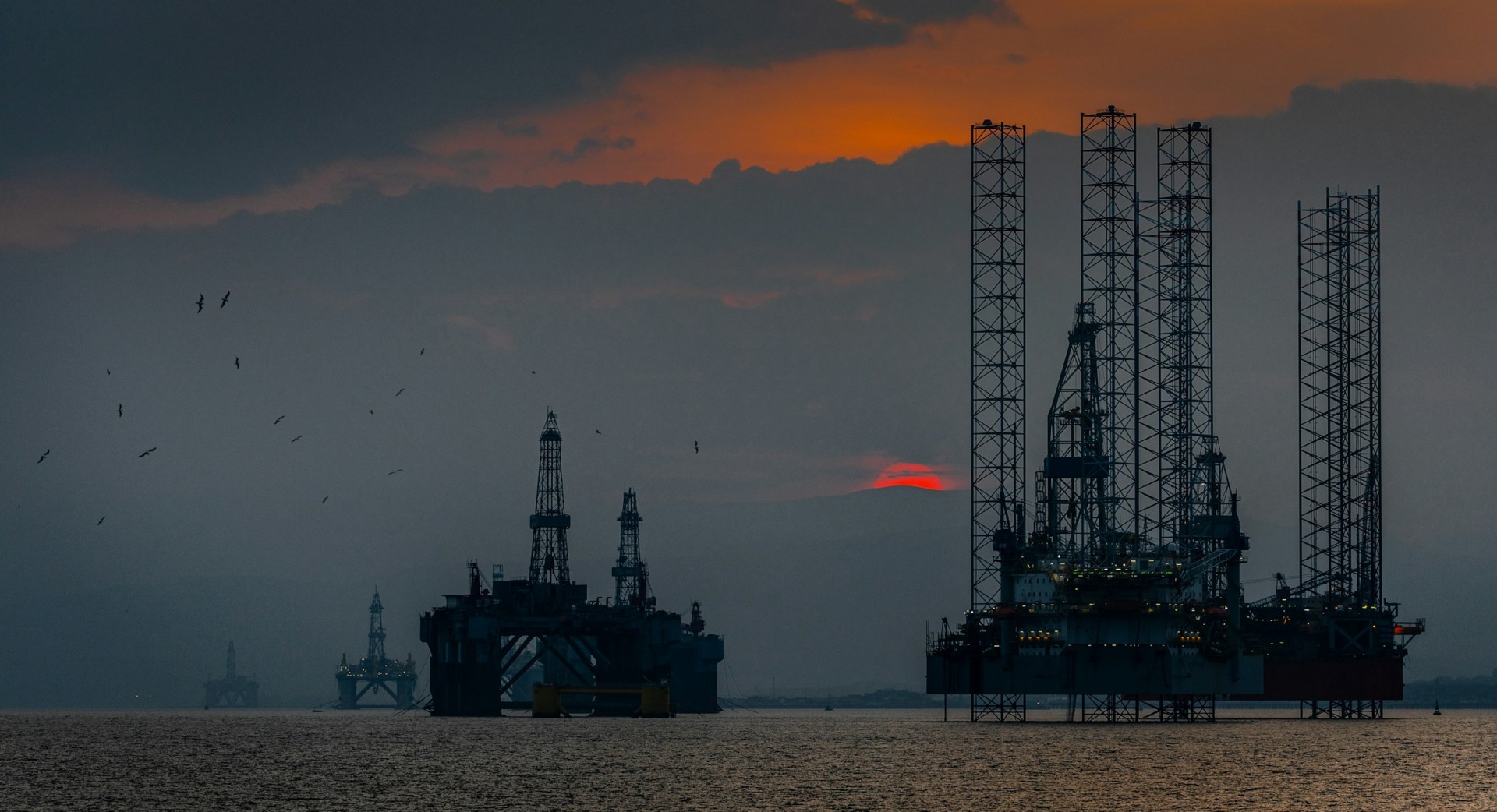
- North Sea Drilling Questioned for UK Security: Experts warn that additional North Sea drilling won’t lower energy bills or reduce imports, as production has fallen 75% from its peak.
- AI Investment Boom Faces Energy Risks: Tech giants plan $635 billion in AI infrastructure in 2026, but high oil and electricity prices could disrupt spending and impact global markets.
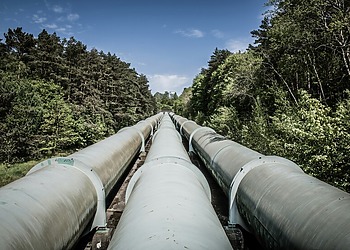
- Great Lakes Tap Rivers for Clean Power: Submersible hydroelectric devices in Montreal and Buffalo aim to generate 60–90 MW from flowing rivers, with safe operation reported at ORPC’s Alaska site.
- EU Rejects Fertiliser Carbon Tax Pause: The European Commission will not suspend the levy, planning instead to use revenue to support farmers amid high costs.
North Sea drilling falls short as a solution for UK energy security
More North Sea drilling won’t improve UK energy security, according to former UK military leaders and energy experts. They say that reliance on oil and gas leaves the UK vulnerable to international price shocks and geopolitical conflicts, such as wars that disrupt supply. The North Sea region is described as a “mature basin”, with production having fallen by about 75% from its peak, so approving new licences would not lower energy bills and would have little to no impact on reducing gas imports, either in the short or long term.
Renewable energy sources like wind, solar, tidal, and nuclear are seen as a more secure alternative because they are domestically produced. However, transitioning to clean energy would require major upgrades to the UK’s electricity grid.
***
Further reading: More drilling in North Sea ‘not the answer’ for UK energy security, say former military leaders
Klimado – Navigating climate complexity just got easier. Klimado offers a user-friendly platform for tracking local and global environmental shifts, making it an essential tool for climate-aware individuals and organizations.
$635 billion AI boom at risk as rising energy costs threaten tech investment
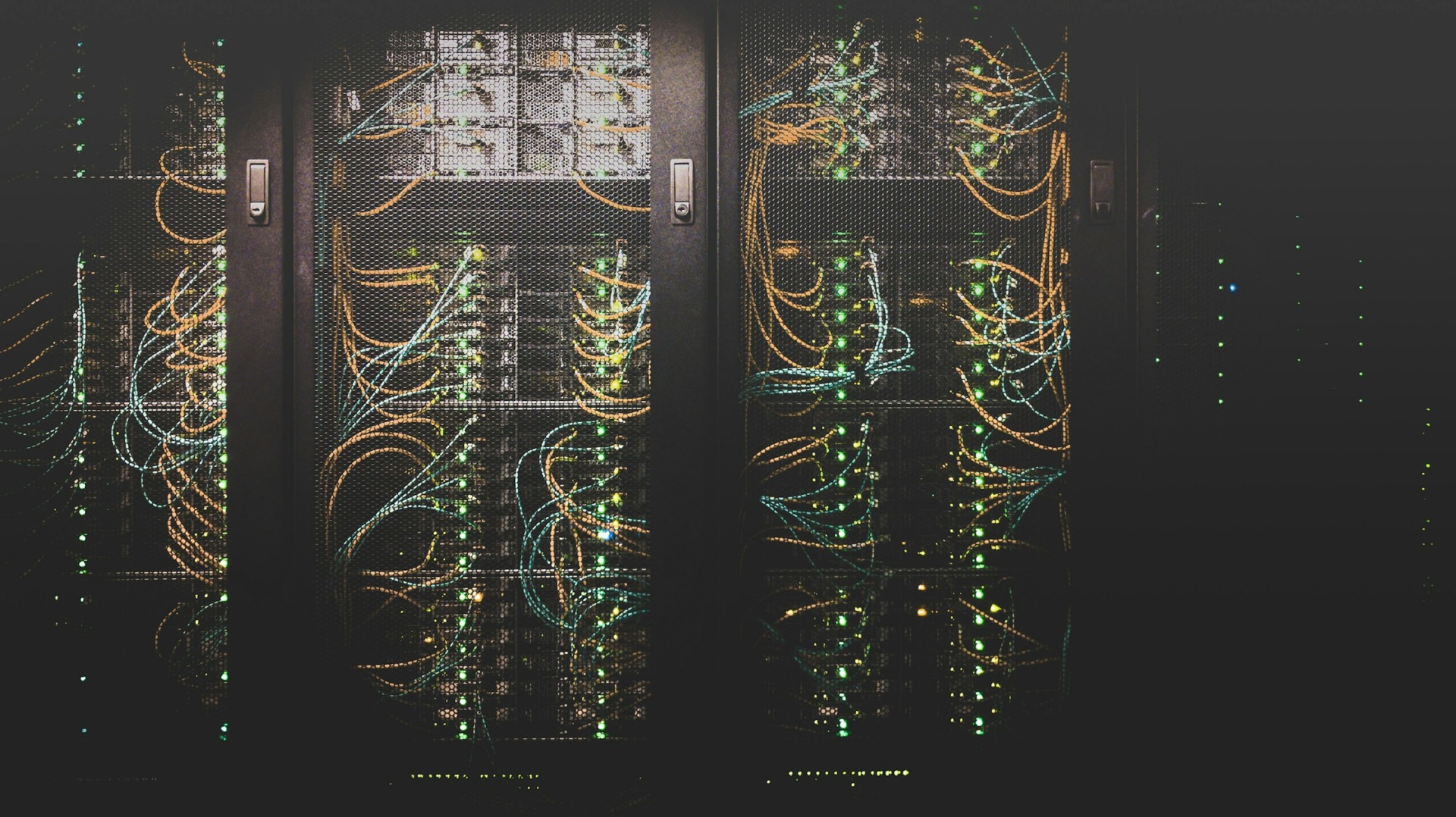
Before the Iran war broke out, tech giants such as Microsoft, Amazon, Alphabet, and Meta planned to spend about $635 billion on data centres, chips, and other AI infrastructure in 2026, a major increase from $383 billion in 2025 and just $80 billion in 2019. That spending fuels record growth in global equity markets. Still, analysts warn that persistently high oil prices could force companies to revise those investment plans, potentially triggering a “really meaningful correction” in stock markets if energy costs are not reflected in earnings. Data centres require vast amounts of electricity, making AI projects highly sensitive to power price fluctuations. At a recent energy conference, oil executives warned that supply risks are not fully reflected in current prices, raising concerns about further cost increases that could ripple through global economic growth.
***
Further reading: Big Tech’s $635 billion AI spending faces energy shock test, S&P Global says
Related Articles
Here is a list of articles selected by our Editorial Board that have gained significant interest from the public:
Submersible hydroelectric devices tap Great Lakes rivers for clean, reliable energy

Submersible hydroelectric technology is being deployed in the Great Lakes region to harness rivers and waterways connecting the lakes for clean energy. The Ocean Renewable Power Company (ORPC) announced its first urban project on the St Lawrence River in Montreal, set to operate two hydroelectricity devices later this year, with 60–90 megawatts of potential in the area. A second project is planned on the Niagara River near Buffalo. The devices, made from carbon fiber, are turned by flowing water and can contribute to the baseload while also providing emergency power if the grid goes down. Slow-moving rivers are being tested with technologies like Vivace, which can generate power from currents as slow as 0.5 meters per second.
In the U.S., it typically takes about eight years to license a hydroelectric project, but operating in freshwater helps prevent corrosion. At ORPC’s Alaska site, the devices have operated safely with no reported fish injuries.
***
Further reading: Demand for hydropower surges as Trump clamps down on clean energy

EU rejects France’s request to pause carbon border tax on fertilisers

The European Commission has rejected a request made by France, supported by Italy and Croatia, to temporarily suspend the EU’s carbon border tax on imported fertilisers, a move the governments said would help farmers struggling with high costs. EU Agriculture Commissioner Christophe Hansen acknowledged farmers’ concerns but said pausing the tax could increase reliance on imports and risk undermining the policy’s goals. Instead of suspending the levy, the EU plans to use revenue from the tax to help stabilise fertiliser prices for farmers and will hold an urgent industry meeting on April 13 to explore support measures.
European fertiliser producers oppose suspending the levy.
***
Further reading: EU resists French request to pause carbon border tax on fertilisers
Editor’s Note: The opinions expressed here by the authors are their own, not those of impakter.com — Cover Photo Credit: Ben Wicks