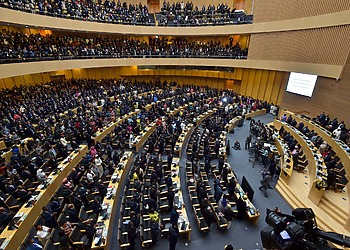
On September 15, 2025, the World Trade Organization (WTO) Agreement on Fisheries Subsidies will enter into force, marking a milestone in global efforts to tackle subsidy policies that undermine sustainable development.
“We’re delighted that this landmark instrument for ocean sustainability will come into effect,” said Patricia Fuller, IISD President and CEO. “Throughout the negotiations, our experts worked closely with governments to support the conclusion of the agreement, and then helped officials prepare for ratification and implementation. We warmly congratulate WTO Members on this historic achievement.”
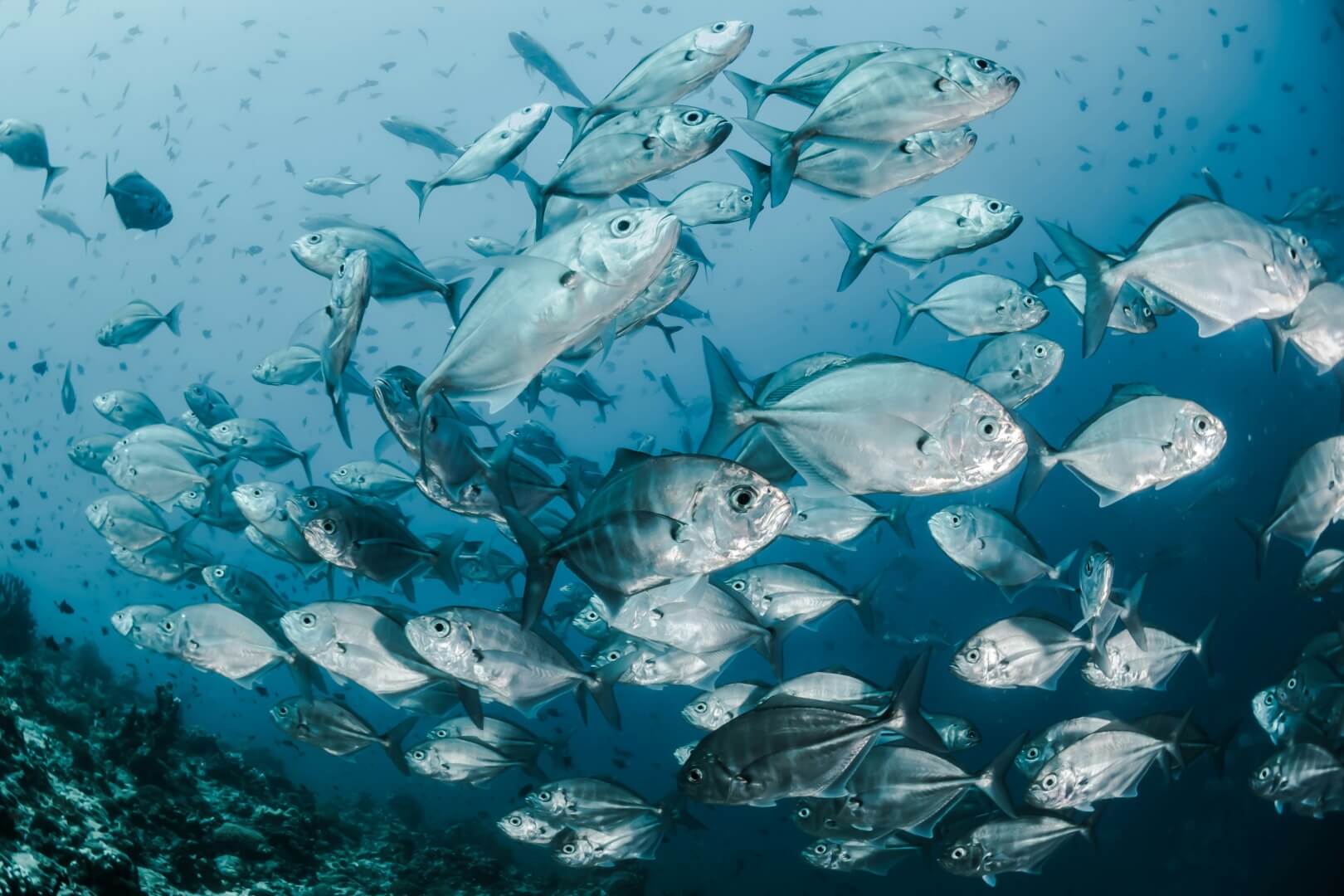
Overfishing is a pressing environmental threat to the world’s marine resources. According to the Food and Agriculture Organization of the United Nations (UN), the share of marine fish stocks considered to be fished beyond sustainable levels has steadily increased over the last half century. Harmful subsidies that encourage unsustainable fishing practices not only threaten biodiversity but also jeopardize the livelihoods, food security, and economic resilience of vulnerable coastal communities around the world.
The Agreement on Fisheries Subsidies, adopted at the WTO’s Twelfth Ministerial Conference (MC12) in 2022, prohibits subsidies to vessels and operators engaged in illegal, unreported, and unregulated (IUU) fishing. It also bans subsidies for fishing overexploited stocks where there are no measures in place to rebuild them, as well as subsidies for unregulated fishing on the high seas.
Upon the agreement’s entry into force, WTO members that have ratified will be legally bound to put these disciplines into practice through their national laws and policies. To support this process, IISD has developed a self-assessment tool to help governments identify current gaps and assistance needs. The WTO Fish Fund will provide targeted technical assistance and capacity enhancement to developing and least developed countries to support effective implementation.
“The focus must now shift to full implementation, robust transparency, and continued negotiations to strengthen the agreement with additional disciplines.”
Related Articles: Why the WTO Must End Harmful Fishing Subsidies | Overfishing, Climate Change and Hunger | Throwing a Lifeline | Seaspiracy: Shocking Revelations but Wrong Data and Wrong Message
Negotiations on fisheries subsidies at the WTO began in 2001 and gained new momentum in 2015, when UN member states included a dedicated target in the Sustainable Development Goals (SDG target 14.6) on the prohibition of harmful fisheries subsidies. Governments adopted the Agreement on Fisheries Subsidies in 2022, while also committing to negotiate more comprehensive rules to prevent subsidies that contribute to overcapacity and overfishing.
IISD will continue its work to help governments and other stakeholders implement this crucial agreement and support the conclusion of additional rules (Fish 2) that are still needed to tackle subsidies that drive unsustainable fishing more broadly.
** **
This article was originally published by the International Institute for Sustainable Development (IISD) and is republished here as part of an editorial collaboration with the IISD.
Editor’s Note: The opinions expressed here by the authors are their own, not those of Impakter.com — Cover Photo Credit: Sebastian Pena Lambarri.