Today’s ESG Updates
- Oil Prices Surge as Middle East Conflict Causes Supply Problems: Crude contracts jump 13% as Iran blocks the Strait of Hormuz, heightening fears of prolonged supply constraints
- Standard Chartered Tops $1 Billion in Sustainable Finance Income: The bank reports strong growth in green bonds and sustainability-linked lending, making progress towards its $300 billion 2030 mobilization target.
- California Sets August 2026 Climate Disclosure Deadline: Companies must begin reporting emissions and climate-related financial risks under the state’s landmark transparency laws.
- EU Battery Report Aims to Reduce Cost Gap: A new report argues coordinated industrial policy and scaled domestic production could sharply lower European battery prices and reduce reliance on China.
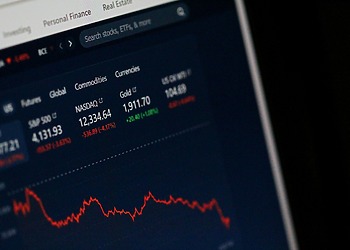
Oil prices increase by 13% in early trading amid Iran conflict
Crude contracts jump as armed conflict unfolds. The Middle East is central to global oil supply, and both production and transportation are taking a huge hit. The reaction is mostly connected with expectations of disrupted maritime oil transportation. Constrained output is in full effect as Iran blocks the Strait of Hormuz, and the tankers are forced to travel around the Cape of Good Hope.
This increase in oil prices is happening at a challenging time for the global economy. Countries in Asia and Europe that import a lot of oil are particularly vulnerable to long-term price increases. Middle Eastern countries can lose billions in oil revenue. Analysts say that a lot will depend on how the war unfolds and how widespread it becomes. In the past, when there have been geopolitical events, the price of oil has gone up sharply, but then comes back down when it becomes clear that oil producers are able to restore supply. However, if instability persists for a long time or there are direct attacks on energy infrastructure, high oil prices might become a new reality.
***
Further reading: Oil prices surge as much as 13% in first trades after start of US-Iran conflict
Klimado – Navigating climate complexity just got easier. Klimado offers a user-friendly platform for tracking local and global environmental shifts, making it an essential tool for climate-aware individuals and organizations.
Standard Chartered announces sustainable finance income of over $1 billion
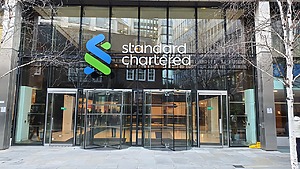
Standard Chartered announced that it generated over $1 billion from activities related to sustainable finance. The bank also reported progress towards its goal to mobilize $300 billion in sustainable finance by 2030, reaching $157 billion by the end of this year, up from $123 billion last year. The money the company earns comes from bonds and loans that benefit the environment and society. It shows that sustainable finance is no longer a small part of banks’ investments but a big part of how they make money, especially for banks that operate in Europe, Asia, and other emerging markets and are committed to sustainable development.
Standard Chartered is actively investing in projects related to renewable energy and reducing carbon emissions. They also develop products that help companies reduce their carbon footprint over time. The news comes at a time when people are looking closely at how banks integrate sustainable finance.
***
Further reading: Standard Chartered Earns Over $1 Billion in Sustainable Finance Income
Related Articles
Here is a list of articles selected by our Editorial Board that have gained significant interest from the public:
California requires companies to disclose greenhouse emissions by August 2026
California has set an August 2026 deadline for companies to submit their climate disclosures. This is a crucial step for the state’s climate reporting laws. As the new rules come from laws passed in 2023, the fact that there is finally a deadline for disclosures proves their significance and credibility.

These laws require companies in California to disclose their carbon footprint and the financial risks that come with climate change. Companies will have to report the greenhouse gases they release directly and the energy they purchase. These reports will have to follow concrete rules, as state regulators will finalize detailed reporting guidance, verification requirements, and enforcement mechanisms before the first filings. The August 2026 deadline gives companies an idea of what they need to declare and when. Until now, companies have been living in uncertainty.
California is now a leader in climate reporting in the United States, while the federal government is struggling to outline its climate reporting rules. California’s large economy means its reporting rules will likely influence regulators and companies across the country. This means California’s rules could become the standard for big companies nationwide in the future.
***
Further reading: California Sets August 2026 Deadline for First Corporate Climate Reports

Europe to lower battery prices by increasing production
A report indicates that the European Union can make its own battery prices much lower if it follows a coordinated plan. The plan’s main points are increasing battery production with the help of targeted policies, simplifying permits and strategic funding. It can lower costs over time and reduce the gap between market leaders like China. This will also help Europe rely less on imported battery cells and parts. Now Europe depends a lot on Asian manufacturers, especially China, for lithium-ion batteries. This makes Europe vulnerable to supply chain problems and risks.

A “Made in Europe” plan would give incentives for demand and support for supply. This includes investing in battery factories, processing raw materials, and recycling infrastructure. By building up its own capacity and growing its economy, the EU can close the price gap with other big producers. This report comes out as competition in the battery market gets fiercer. The United States is giving out a lot of subsidies under the Inflation Reduction Act. China is still the leader in producing batteries at the best prices. European policymakers are worried that high energy costs and complicated rules could hurt Europe’s goal to become a significant player in battery production.
***
Further reading: EU can sharply cut local battery prices with Made in Europe plan, T&E report says
Editor’s Note: The opinions expressed here by the authors are their own, not those of impakter.com — In the Cover Photo: The guided-missile destroyer USS Stout in the Strait of Hormuz. Cover Photo Credit: Wikimedia Commons