Today’s ESG Updates
- LSEG Releases Frameworks for Improved Comparability: A new suite of sustainability ratings and data solutions designed to improve transparency and comparability in ESG assessments globally.
- China Aims to Balance Renewables and Coal Emissions: The 2026–2030 strategy highlights China’s attempt to balance climate ambitions with economic priorities that come at a carbon price.
- Macron Shows Concern about the Middle East Oil Transportation: The French president announced that the country will protect oil tankers and commercial ships transiting the Strait of Hormuz.
- The EU Plans an Infrastructure Fund: It is considered to be essential in facilitating the transition to decarbonized energy and new infrastructure in the region’s power grids.
LSEG launches new tools to make ESG assessments more transparent
London Stock Exchange Group (LSEG) has announced the launch of a new set of sustainability ratings and data management products to increase transparency and comparability in the assessment of Environmental, Social, and Governance (ESG) performance across markets worldwide. LSEG has launched this initiative in the form of an updated ESG scoring framework that would help investors, companies, and regulators gain greater clarity in assessing sustainability performance.
In this regard, the updated framework’s structure focuses on helping evaluate companies across various ESG pillars. LSEG has launched this initiative to address concerns investors have about assessing ESG ratings across companies. This updated framework has been developed in a manner that would help increase the transparency of the scoring criteria. It has been mentioned that the updated framework would help investors understand the criteria used to assess companies.
***
Further reading: LSEG Launches New ESG Scoring Framework To Improve Transparency Across Global Markets
Klimado – Navigating climate complexity just got easier. Klimado offers a user-friendly platform for tracking local and global environmental shifts, making it an essential tool for climate-aware individuals and organizations.
China’s 2026-2030 plan outlines renewables expansion and emissions targets loosening
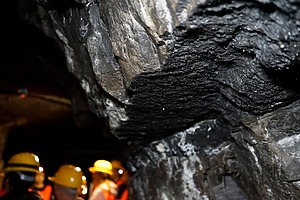
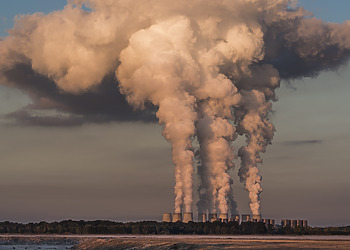
China has released their 2026-2030 plan on national development. The main strategy is to expand the renewable energy sector, while simultaneously easing the emissions reduction targets. A major aspect of the energy sector in China is the continued rapid development of clean energy infrastructure. The new plan supports this development. The Chinese government plans to expand its capacity in renewable energy sources such as wind and solar power and nuclear and hydropower energy. The development intends to support the country in its energy transition and reduce its dependency on fossil fuels such as coal. The expansion of renewable energy will also support China in meeting its long-term energy and climate objectives, such as peaking its carbon emissions before the year 2030 and becoming carbon neutral by the year 2060.
However, the new energy plan suggests that China is adopting a more flexible approach to meeting its energy and carbon emissions objectives. The Chinese government is worried about economic stability and energy security. Therefore, instead of increasing its carbon intensity reduction objectives, the government has decided to ease some of its energy and carbon emissions objectives. The government has decided to give industries more time to adjust to the energy transition. The energy plan also includes the development of advanced energy technology and infrastructure. The development is intended to support the country in ensuring rapid expansion.
***
Further reading: China’s 2026–2030 Plan Boosts Clean Energy While Loosening Emissions Targets
Related Articles
Here is a list of articles selected by our Editorial Board that have gained significant interest from the public:
Macron announces support to oil tankers in the Middle East
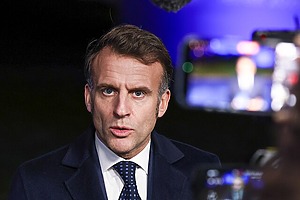
Emmanuel Macron has announced that France will participate in a mission focused on protecting oil tankers and commercial ships transiting the Strait of Hormuz. Such a mission would probably include naval escorts, as well as coordinated security operations with international allies to ensure that oil tankers can pass safely through the region. Macron has announced that there are ongoing negotiations with allies regarding the extent of the operation. This operation might include European involvement, as well as possibly multinational forces. Europe is becoming more willing to play an active role in the protection of critical energy infrastructure.
The Strait of Hormuz is an important waterway that connects the Persian Gulf with the Gulf of Oman. This waterway is an important component of the international shipping network. Disruption in the flow of oil in the Strait of Hormuz has the potential to affect oil prices globally. This is a result of recent tensions, which have caused oil prices to fluctuate. Additionally, it has caused an increase in insurance premiums that shipping companies pay.
Macron’s announcement has also shown that Europe is becoming more concerned about the economic implications of the instabilities that affect the Middle East. France is showing solidarity with international allies. The operation will ensure the freedom of navigation in the region.
***
Further reading: Macron wants escorts for container ships and tankers in Strait of Hormuz ASAP

The EU prepares to speed up the region’s transition to green energy
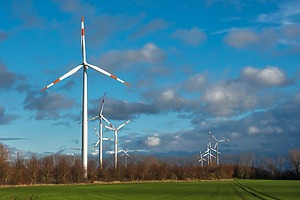
The European Union is reportedly preparing to announce plans for a new infrastructure fund. Its aim is speeding up the region’s transition to green energy. The move is a part of policymakers’ efforts to mobilise investment in clean energy systems and climate change infrastructure in significantly larger quantities.
The new fund will help expand decarbonised energy. The new infrastructure in the region’s power grids is one of the most pressing challenges in the European Union right now, as renewable energy capacity is rapidly developing across member states. Without better connections in these power grids, new renewable energy projects, including wind and solar power, could face delays or even cutoffs. The new fund is expected to help European policymakers mobilize investment in these projects by mitigating investment risks and providing long-term funding. The policymakers in Europe believe that financial support for these projects could persuade investors.
***
Further reading: EU to Pitch Infrastructure Fund to Drive Green-Energy Transition
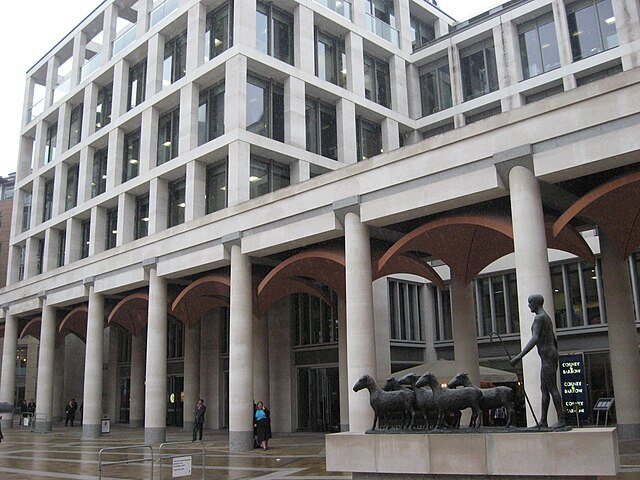
Editor’s Note: The opinions expressed here by the authors are their own, not those of impakter.com — In the Cover Photo: LSEG Office on Paternoster Square Cover Photo Credit: Wikimedia Commons