Today’s ESG Updates:
- Iran Threatens Gulf Water Lifeline: An Iranian attack on Gulf desalination plants poses an existential threat to the region’s water security, as roughly 100 million people depend on these facilities for drinking water.
- Iran War Threatens Prolonged Hit to Global Energy Markets: Iran risks a prolonged global energy crisis, with higher fuel prices and disrupted oil and gas supplies worldwide, even if the conflict ends quickly.
- Bangladesh’s Fuel Rations Are Expected to Worsen as the Middle East War Deepens: Bangladesh has imposed fuel rationing amid the energy crunch, triggering long queues and public anger at petrol stations.
- Indonesian Government May Raise Subsidised Fuel if Global Oil Prices Surge: Indonesia’s finance minister warns that subsidised fuel prices could rise if global oil prices keep climbing and the state budget can no longer absorb the cost.
Iran threatens Gulf water lifeline
Gulf states like Saudi Arabia and the UAE rely on more than 400 desalination plants that use energy from their oil and gas to convert seawater into potable water. Together, those plants supply about 100 million people in the region, nicknamed “saltwater kingdoms” because they produce roughly half of the world’s desalinated water, with eight of the top ten largest desalination plants on the Arabian Peninsula.
Recent Iranian attacks have hit or come close to key sites, including Dubai’s Jebel Ali complex (which produces over 160 billion gallons of water a year) and damaged plants in Fujairah and Kuwait. The article stresses that if Iran deliberately targeted desalination facilities, the impact could be severe, since alternatives like bottled‑water tankers or mobile units would only be temporary fixes.
***
Further reading: An Iranian attack on desalination plants is a nightmare for Gulf states
Klimado – Navigating climate complexity just got easier. Klimado offers a user-friendly platform for tracking local and global environmental shifts, making it an essential tool for climate-aware individuals and organisations.
Iran war threatens prolonged hit to global energy markets
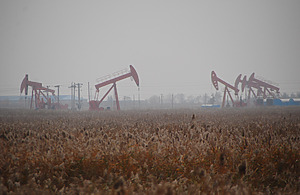
The U.S.-Israeli war with Iran has the potential to threaten weeks or months of sky-high fuel prices worldwide due to damaged refineries and shipping chaos in the Strait of Hormuz, resulting in supply shocks, even if the war stops soon.
Around 20% of global crude and natural gas is offline, with oil prices up over 25%; Saudi Arabia, UAE, Iraq, and Kuwait halting up to 140 million barrels (1.4 days’ worth of demand), Iraq/Kuwait slashing output, Qatar’s LNG under force majeure after drone hits, and Saudi Arabia’s Ras Tanura refinery closed. “The market is shifting from pricing pure geopolitical risk to grappling with tangible operational disruption,” say JP Morgan analysts.
Furthermore, restarting fields could take days to months, per Rystad Energy’s Amir Zaman: “depending on the types of fields, age… type of shut-in.” It risks Trump’s midterm polls as US gas/petrol hits $3.32/gallon (up 34¢) and diesel $4.33.
***
Further reading: Iran war threatens prolonged hit to global energy markets
Related Articles
Here is a list of articles selected by our Editorial Board that have gained significant interest from the public:
Bangladesh’s fuel rations are expected to worsen as the Middle East war deepens
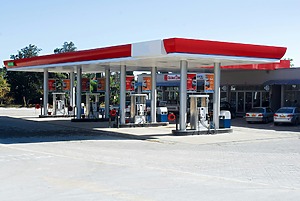
Bangladesh has started fuel rationing for vehicles on March 8 as the Middle East war worsens its energy crunch, with long queues forming at petrol stations across Dhaka and rising public anger over limited supplies.
The country imports about 95% of its oil and gas and has imposed caps, such as limiting each motorcycle tank to just two litres, after the national oil company (BPC) warned of panic buying and hoarding following regional attacks. BPC said “consumers tend to buy more than they usually purchase” during crises. At the same time, a man was killed in Jhenaidah on March 7 over a refuelling dispute, sparking protests, bus burnings, and station vandalism.
Motorcyclist Md Al‑Amin told the paper he waited more than an hour for two litres, and car‑owner Dr AKM Ruhul Amin said he only got 10 litres, calling for full refuelling rights. A fuel distributor estimated that demand has nearly doubled, and five of Bangladesh’s six fertiliser factories are shut until March 18 due to the crisis.
***
Further reading: Bangladesh rations fuel as Mid-East war deepens energy crunch

Indonesian Government may raise subsidized fuel if global oil prices surge

Indonesia’s Finance Minister Purbaya Yudhi Sadewa warns that the government may raise subsidised fuel prices if global oil prices continue to climb. The state budget can no longer cover the cost, saying, “If the budget cannot sustain the pressure, there is no alternative but to share the burden with the public, which means a fuel price increase.” He stresses any hike would only happen if higher oil prices threaten fiscal stability, noting the deficit could reach 3.7% of GDP if crude holds around US$92 per barrel for the whole year.
To limit damage, the government could adjust fuel prices or shift spending away from low‑priority programmes, such as cutting non‑core items in the Free Nutritious Meal (MBG) programme, while keeping core food delivery intact, citing experience with oil hitting about US$150 per barrel and the economy still staying resilient.
Global Brent crude recently rose 4.93% to US$85.41 per barrel, and West Texas Intermediate (WTI) gained 8.51% to US$81.01. Yet the energy ministry still says subsidised fuel prices remain stable and supplies are sufficient ahead of Eid al‑Fitr.
***
Further reading: RI Govt may raise subsidized fuel if global oil prices surge
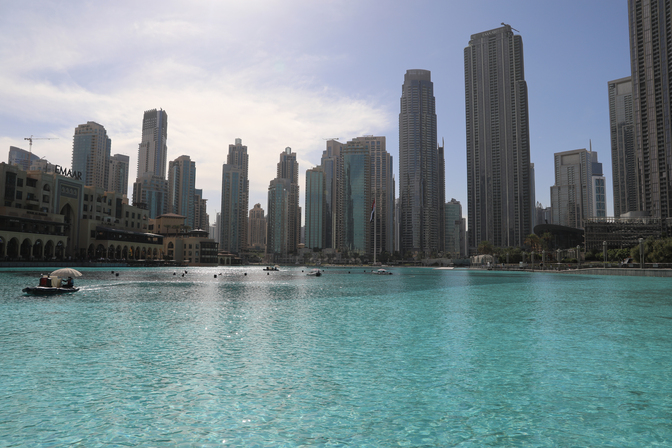
Editor’s Note: The opinions expressed here by the authors are their own, not those of impakter.com — In the Cover Photo: Dubai Mall. Cover Photo Credit: Wikimedia Commons