The latest report from the Intergovernmental Panel on Climate Change (IPCC), the international group of climate experts put together by the United Nations, released yesterday, issued a stark warning. The window of opportunity for effective actions against the worst effects of climate change is closing. Already, many of the effects of climate change are deemed irreversible, with 3.6 billion people, almost half the world’s population, now living in areas vulnerable to climate change.
The adverse effects on the lives and livelihoods of people in these regions, and the safety of their homes, must be mitigated through dramatic carbon reduction and investment in climate adaptation.
Even if drastic action were to be taken now by the countries most responsible for carbon emissions, total global warming is expected to rise 1.5°C over the next two decades. Over this period, the IPCC warns that the world “faces unavoidable multiple climate hazards”.
The goal is to avoid exceeding this level, even temporarily, as doing so would “result in additional severe impacts, some of which will be irreversible.” According to the IPCC, if this level were to be breached, “Risks for society will increase, including to infrastructure and low-lying coastal settlements.”
According to the report, the risks posed by climate change are multifaceted, and that challenges will be presented from multiple angles at the same time: “Complex risks result from multiple climate hazards occurring concurrently, and from multiple risks interacting, compounding overall risk and resulting in risks transmitting through interconnected systems and across regions.”
Climate change disproportionately affects those least responsible for it, according to the IPCC
As often reported on Impakter, and again reiterated in the IPCC report, the effects of climate change disproportionately affect those least responsible for it. Increased climate related disasters have resulted in staggering losses of life in the global south.
As the IPCC explains, extreme weather resulting from climate change results in floods, droughts and heat waves, all of which have devastating impacts on plants and animals. This has triggered food and water insecurity, exposing “millions of people to acute food and water insecurity, especially in Africa, Asia, Central and South America, on Small Islands and in the Arctic.”
Between 2010-2020, the number of deaths resulting from floods, droughts and storms was 15 times higher in highly vulnerable regions, compared to regions with very low vulnerability. High vulnerability regions include West, Central and East Africa, South Asia, Central and South America, Small Island Developing States and the Arctic. Low-income nations with very low carbon outputs are affected far more than the biggest historical polluters.
Loss and damages: Global south should be compensated for economic costs resulting from the earliest wave of “big polluters”
The IPCC mentions “loss and damages”: To many this term means that a financial debt has accrued, with the world’s biggest polluters – China today, America, Europe, Australia and New Zealand in an earlier period as industrialization came there first. These countries are seen as bearing responsibility for the huge economic costs caused by the devastation global warming has wreaked on infrastructure in the global South.
The report refers to the “widespread adverse impacts and related losses and damages to nature and people” resulting from climate change.
Climate activists and policy experts have long advocated for commitments from some of the richest economies in the world to take responsibility for this debt, without which low-income, vulnerable nations may be left unable to adapt to growing climate challenges of the future. For example, Bangladesh, dubbed “ground zero for climate change,” has seen rural families spend almost $2 billion dollars a year in protection against climate damage, and in efforts to recover from it.
Driving home the need for a multifaceted approach, aimed at addressing poverty and other risk factors, the report points out that vulnerability to climate change is affected by factors like income, ethnicity and marginalization. The report also states that “Present development challenges causing high vulnerability are influenced by historical and ongoing patterns of inequity such as colonialism, especially for many Indigenous Peoples and local communities.”
Related articles: New Analysis Confirms the Outsized Footprint of Rich Countries | PR Firms Accused of Greenwashing Oil and Gas Companies
A World Bank report released earlier this year pointed to the trend of rising global inequality, with the pandemic having exacerbated poverty and divisions between economic classes. As pointed out in the case of Bangladesh, personal income is a huge factor in one’s ability to protect themselves and their homes from the threats of floods and other climate disasters.
The report suggests that severe damages to biodiversity and ecosystems are to be expected, with many species likely facing a high risk of extinction at the current rate of global warming. Other threats include increased prevalence of food-borne, water-borne and vector-borne diseases, with dengue fever set to place a further billion people at risk by the end of the century.
The effects on global agriculture are expected to exacerbate access to food in vulnerable regions, with the BBC reporting that, according to Patrick Verkooijen, CEO of the Global Center on Adaptation, “For Africa around 30% of all the maize growing areas will go out of production, for beans it’s around 50% on the current emissions trajectory.”
The report also called out the excessive reliance of major world economies on unsustainable energy sources, something that has also come under scrutiny given the ongoing war in Ukraine.
Current food systems indicted: They cause 20% of global greenhouse gas emissions; animal-based food at twice the impact of plant-based food
The Good Food Institute has also provided analysis of the IPCC report, drawing attention to the fact that current food systems urgently need to be changed: They are responsible for 20% of global gas emissions, and animal-based food is the main culprit, with twice the carbon footprint of plant-based food.
They suggest that governments fund research into alternatives to meat-sourced foods, with Seren Kell, science and technology manager at the Good Food Institute Europe, stating that:
“Plant-based and cultivated meat can help to make food supplies less vulnerable to extreme weather, conserve precious water resources, make balanced diets more affordable for people around the world, and reduce the burden of foodborne diseases.”
The IPCC report has made clear that urgent and radical action must be taken to mitigate the damage that they suggest will inevitably accompany the now unavoidable rise in global warming. Further action must be taken to ensure that global warming does not, under any circumstance, exceed the 1.5°C increase expected over the next two decades.
Whilst the situation is serious, with billions living in untenable conditions, there is still time for action. Policy changes are urgently needed for effective action and that can happen only with sustained public interest in change: Individual citizens, NGOs and communities must maintain pressure on local and national governments to make the necessary changes that can only be enacted at a systemic level. And that means all of us.
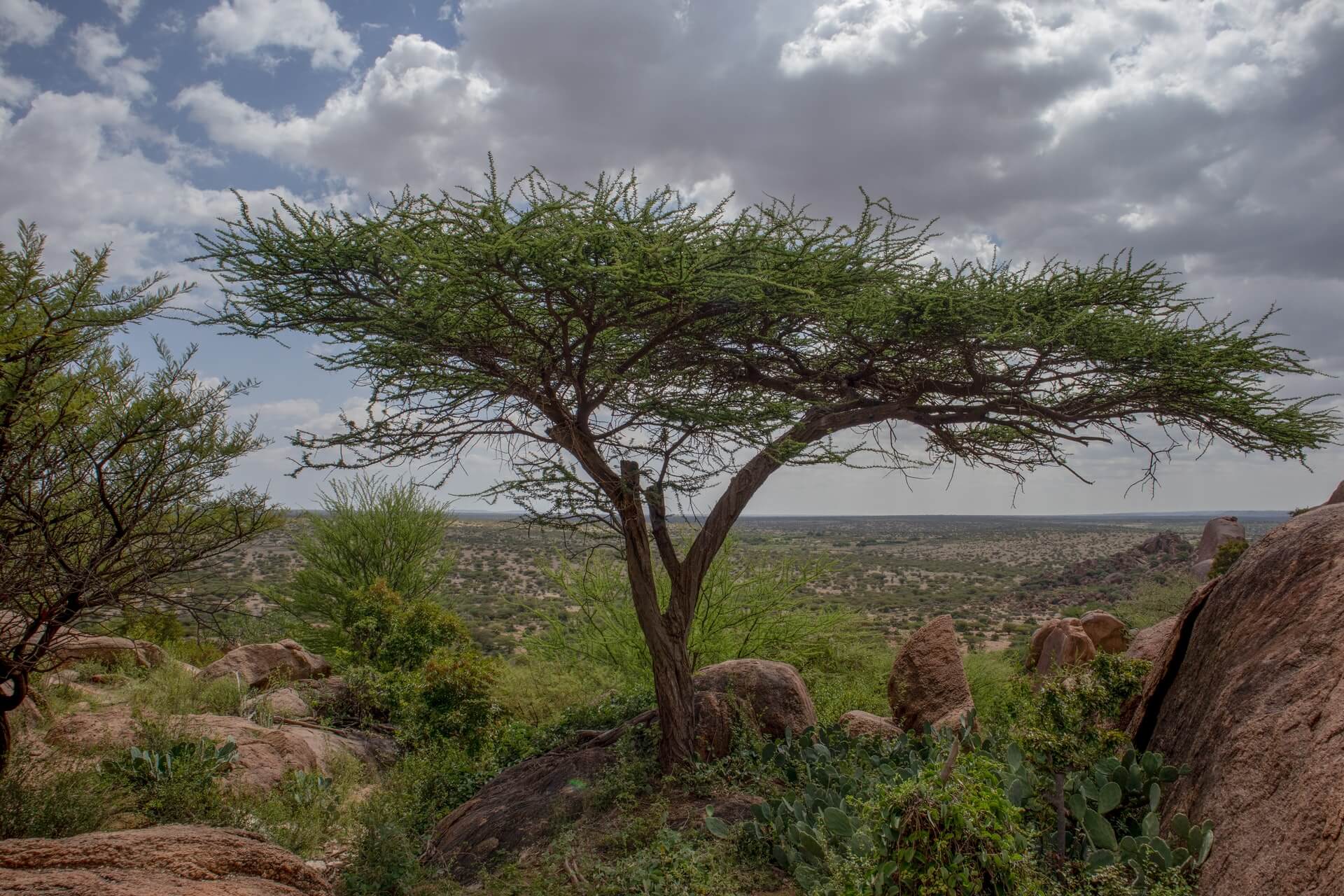
Editor’s Note: The opinions expressed here by Impakter.com columnists are their own, not those of Impakter.com. — In the Featured Photo: Somalia is one of the countries particularly at risk as global warming increases, despite having a very low carbon output. Featured Photo Yasin Yusuf.