
Editor’s Note: This is the second part of an interview on the recently published SDG Fund report. The first part may be found here.
The 2030 Agenda for Sustainable Development has introduced a number of fundamental changes in the approach to sustainable development, such as SDG 16, which establishes that peace, justice, and inclusive institutions are global development imperatives. The government alone cannot implement the SDGs, hence, a stronger cooperation and commitment to the partnership between government, the private sector, and civil society becomes vital. Universities, as civil society, can support the implementation of every SDG, such as the role that Law Schools can play in preparing the next generation of legal experts who can address social, economic, and environmental challenges at the core of the SDGs. University of Pennsylvania Law School has led the way among law schools in its commitment to the SDGs by establishing a partnership with the Sustainable Development Goals Fund (SDG Fund) at the United Nations on research, analysis and editorial process of the SDG Fund Report addressing how the private sector can contribute to peace and why SDG 16 (Peace, Justice, and Strong Institutions) is important for business.
The report focuses on the role of the private sector in supporting the implementation of the Sustainable Development Goals (SDGs). It examines why SDG 16 is important for the private sector and how business can contribute to peace by incorporating SDG 16 into the business planning. In addition, the report serves as a practical guide to share best practices and case studies on how the private sector could play an important role in peace agenda.
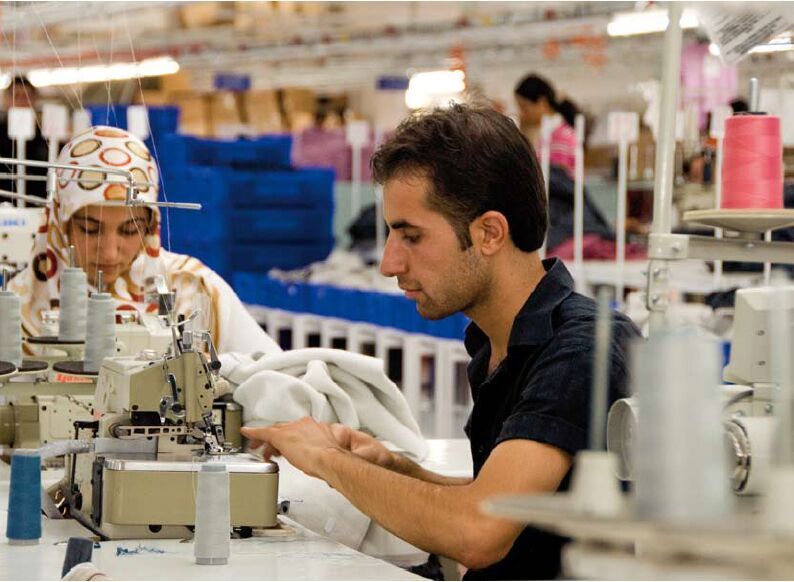 Photo credit: SDG Fund
In your opinion, how do the Sustainable Development Goals change the involvement of the private sector in the UN development agenda?
Rangita de Silva de Alwis: The SDGs tear down the artificial dichotomy between the public and private sector; what happens in the private sector have public consequence. Businesses must go beyond the idea of “first do no harm” to meaningful contributions to achieve the broader vision of peaceful and inclusive societies that the SDGs embrace.
UN Secretary General Antonio Guterres, addressing the private sector, was even bolder in his charge: “Let me start by a brutal sentence: either the Sustainable Development Goals are fully assumed with enlightened self-interest by the business community, the private sector, and the financial sector, or the Sustainable Development Goals will be a very nice exercise in diplomatic discussions in New York and maybe in some policies of some Governments, but the impact on people, the impact on poverty, the impact on the planet, will be extremely, extremely small.”
Why is SDG 16 critical to the private sector?
RSA: Goal 16 offers a new paradigm for peace and development. The preamble of the SDGs declares, “We are determined to foster peaceful, just and inclusive societies which are free from fear and violence. There can be no sustainable development without peace and no peace without sustainable development.” Goal 16 is also important for private sector engagement in the SDGs, and Goal 16 is the key to achieving the UN Sustainable Development Goals.” Goal 16 that focuses on three interconnected challenges to businesses (corruption, violent conflict, and weak rule of law) and describes the necessity of anti-corruption, peacebuilding, and rule of law efforts to create an environment where business can thrive.
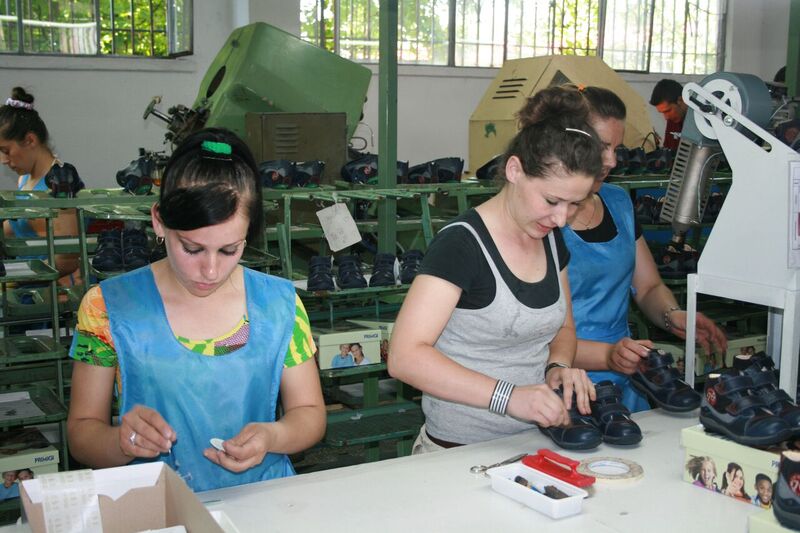 Photo credit: SDG Fund
How do you see the private sector playing a positive role in combating violence, promoting gender equality and fighting corruption?
RSA: The feminization of boards if universalized would fundamentally shift both corporate governance and public governance. Increasing the role of women in corporate governance increases gender equality by advancing women’s contributions to the public economy among other things. Recent studies show that higher numbers of women in executive positions can result in higher rates of corporate return on equity. Similarly, countries with higher levels of women’s political representation tend to have higher levels of economic growth. Similarly, labor policies that provide for ender neutral caregiving policies can create a political shift in gender equality in private and in public. Combating violence is not limited to conflict, but everyday violence which, including sexual harassment in the workplace. In terms of fighting violent extremism, the Report highlights the work of the private sector – which is working on controlling money laundering and financing of terrorism, in building structures on zero tolerance of corruption, and gender equality in institution building.
There are some private sector organizations that are corrupt or are driven by self-interest that cares more about corporate profit than social stability. The existence of such organizations has created a broad-based mistrust of the private sector. How does an effective legal framework can help the private sector build trust with the public and civil society?
RSA: An effective legal framework builds accountability and monitoring mechanisms which hold businesses accountable for both rules and process. This justifiability of laws and access to justice are key to holding the private sector accountable under the law.
 Photo credit: SDG Fund
While it is critical to engage big and transnational companies, it is also important to involve small and medium-sized business in promoting SDG 16. What remains to be done in order to integrate small and medium-sized business?
RSA: SMEs play an integral role in employment in many countries. For example, it is reported that SMEs make up 87.7 percent of employment by enterprise in the Republic of Korea, 80.3 percent in Thailand, and 71.8 percent in Cambodia. Similarly, SMEs are contributing to GDP growth and increasing export earnings of these countries. They generate 60 percent of GDP in Indonesia and China, 47.6 percent in the Republic of Korea, 45 percent in Singapore, and 43.7 percent in Japan. In terms of export earnings, about 42.4 percent of export earnings in India comes from SMEs, 41.5 percent in China, 26.3 percent in Thailand, 20 percent in Sri Lanka, 18.8 percent in the Republic of Korea, and 15.7 percent in Indonesia.
You recently authored a report in partnership with the SDG Fund “Business and SDG 16: Contributing to peaceful, just and inclusive society.” Can you describe one case study that was discussed in the report and what do you think were the important outcomes from it?
RSA: The Report analyzes anti-corruption legal reforms on the ground in Cambodia, Lebanon, Zimbabwe, Uzbekistan, India and the United Kingdom, including challenges and opportunities in law reform and highlights gaps and progress.
In the final analysis, law reform remains laws on paper unless they are given life to through political will.
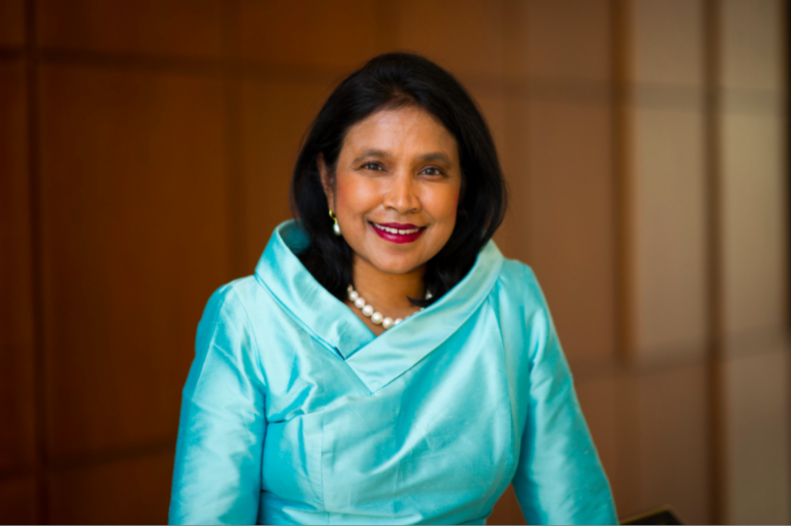 Rangita de Silva de Alwis is the Associate Dean of International Affairs, University of Pennsylvania Law School and she also serves as Adviser to the Sustainable Development Goals Fund (UN-SDG Fund). She is the Editor of the latest report launched by the SDG Fund in collaboration with the University of Pennsylvania Law School, McDermott Will & Emery LLP and business leaders from the SDG Fund’s Private Sector Advisory Group titled “Business and SDG 16: Contributing to peaceful, just and inclusive societies.”