As part of the European Green Deal, a radical policy framework to make the European Union (EU) climate neutral by 2050, the European Commission proposed in September 2020 to raise the 2030 greenhouse gas emission reduction target to at least 55% compared to 1990, up from its previous target of 40%. From the Czech Republic to Sweden, European countries are ramping up their domestic climate ambitions. Underneath these international efforts to shift energy generation and transmission and protect the environment from mounting risks, however, there has been a silent rise of a powerful cluster of investors, who have ensnared developing and developed countries alike, putting corporate profit before human rights and environmental and climate protection- with means provided for by international treaties.

Nestled in the Apuseni Mountains of western Romania is the nearly 2 000-year-old village of Roşia Montană. Since the 90s, local villagers and Romania civil society have been rallying to resist a proposed multi-billion dollar mining project that would have levelled four mountains and demolished four villages and nearly 1 000 houses and churches to make way for Europe’s largest open-pit gold mine- a contentious plan developed by Canadian mining company Gabriel Resources. The standoff came to a head in 2013 when the Romanian parliament had to decide on a new legislation that would have allowed the company to go ahead with the toxic mine.
A fight lasted for over two decades and was joined by neighbouring villagers, environmentalists, students, priests, academics and citizens at large. “Save Roşia Montană!” became what was then the largest grassroots movement since the country’s 1989 revolution, forcing the government to withdraw its support for the plan in 2014.
But Gabriel Resources stung back. In July 2015, it lodged a lawsuit against the Romanian state before the International Centre for the Settlement of Investment Disputes (ICSID), the World Bank’s commercial arbitration court. According to a May 2019 press release, Gabriel Resources demanded a whopping USD$5.7 billion from Romanian taxpayers in compensation for losses incurred by its stalled Roşia Montană project- equivalent to 3% of the entire Romanian economy in 2016. Their allegation? A breach of obligations in its bilateral investment treaties (BIT) with Canada and the UK. The case is still unsettled.
 In the photo: Apuseni Mountains, Romania. Photo credit: Unsplash.
How did this happen? Gabriel Resources has recourse to the investor-state dispute settlement (ISDS) mechanism, a common clause in modern international trade agreements and investment treaties. Initially created to protect investors in countries where the rule of law is immature or at risk, ISDS becomes a legal backdoor, rendering foreign investors sweeping powers to by-pass domestic court systems and sue states over government actions that run counter to their economic interests.
These arbitrations often take place through a private tribunal system, where cases are typically decided by panels of three arbitrators rather than independent judges. These positions are usually dominated by a small handful of corporate lawyers, who switch roles to represent the investors, the government, or act as the deciding judge in different ISDS cases. Their appointment is generally not subject to any qualification requirement, nor are there any meaningful conflict of interest or impartiality policies in place during the selection process. According to a report published by the research and advocacy think tanks Corporate Europe Observatory (CEO) and the Transnational Institute (TNI), several prominent arbitrators “have been members of the board of major multinational corporations, including those which have filed cases against developing nations.”
The close tie between these arbitrators and the corporations involved, coupled with the “close door” nature of the system, indicate a systematic bias in these private tribunals to prioritise private profits over the public interest.
To make matters worse, these tribunals have become investment opportunities for hedge funds and investment banks. Unlike that of the World Trade Organisation’s panels, another common international dispute-settling mechanism, an ISDS tribunal does not generally purport to overturn local laws. Instead, it awards monetary damages to investors deemed adversely affected by such laws. Third parties often provide financial resources to the investors, such as legal fees and tribunal costs, in exchange for getting a share of the money if it wins.
In Gabriel Resources’ case, the company is financially backed by Wall Street hedge fund Tenor Capital Management. Tenor pays the company’s lawyers in exchange for a share of the money if it wins. Deals such as these have helped catalyse an avalanche of ISDS cases in recent years. According to The United Nations Conference on Trade and Development, a total of 1061 cases have been filed since 1987. While the first ISDS case was initiated in 1987, over half of all cases were filed between 2010 and 2020.
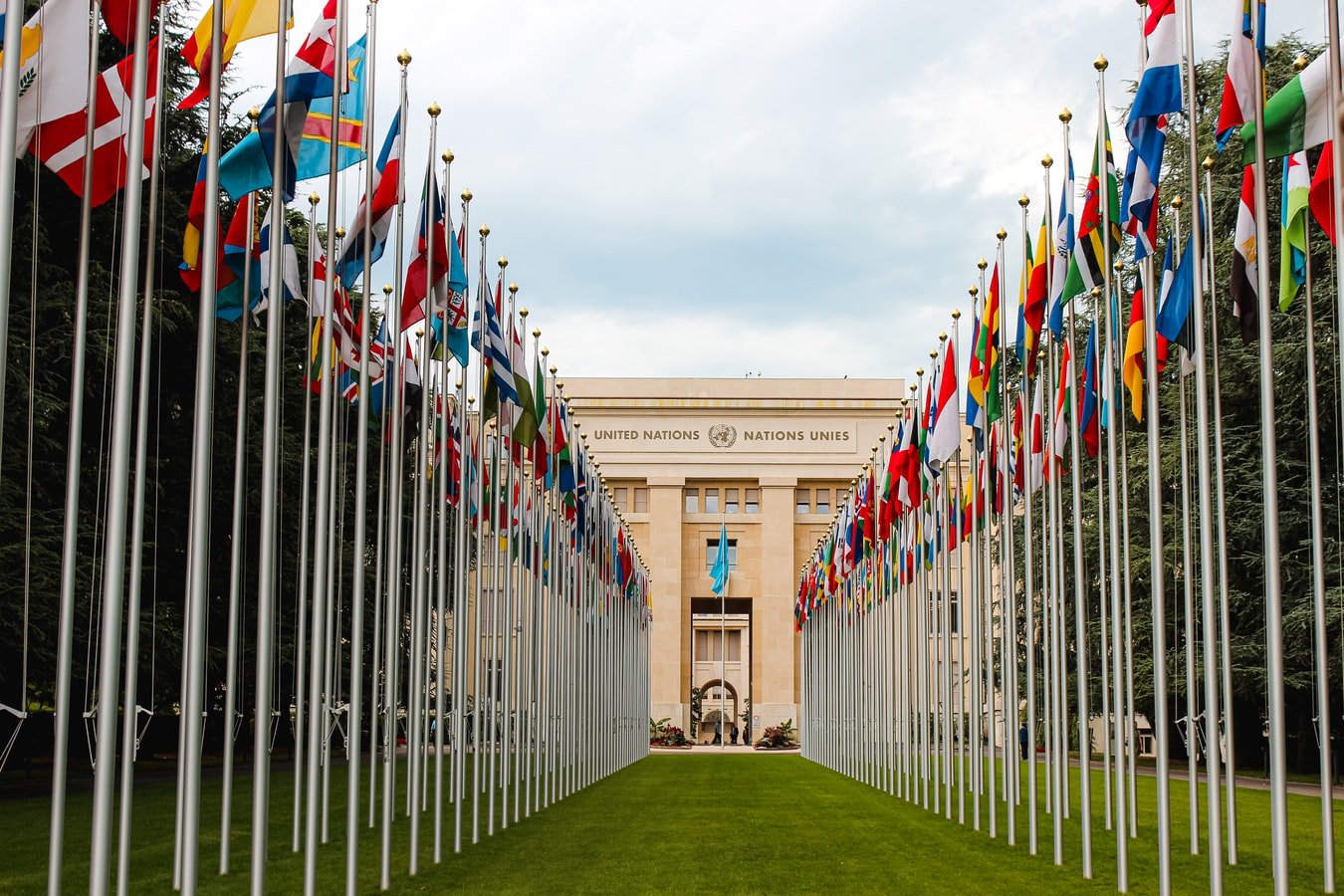 In the photo: The United Nations. Photo credit: Unsplash.
It is estimated that the ISDS clause is featured in more than 3 700 treaties globally. Many are found in bilateral investment treaties, such as that between Romania and Canada. However, no other international investment agreement in the world has triggered more investor-state lawsuits than the Energy Charter Treaty (ECT).
ECT is a multilateral investment agreement signed in the 90s – a turbulent time when the transition from state socialism to market economy took place in Eastern Europe – by 52 EU and national governments (including Japan and Australia). Created to facilitate the integration of the energy industry of the Soviet bloc with Western Europe, it has now become the most dangerous weapon in the hands of the fossil fuel industry, one of the biggest sources of carbon emissions.
The response to the coal phase-out is a case in point. In September 2019, German energy company Uniper, who invested more than €1.6 billion to build a coal power plant in the Netherlands, threatened to recourse to ISDS to sue the Dutch government over its law to ban coal for electricity production by 2030. The law was part of the country’s commitment to reduce reliance on fossil fuels and transition to renewable energy. Uniper may be able to claim up to €1 billion in compensation.
To get on the path to limit global warming to 1.5–2°C above pre-industrial temperatures by 2100, countries must work together to keep “one-third of known oil reserves and over 80% of coal reserves” under the ground. If the Paris Agreement holds, company-held fossil fuels will be in effect unburnable, trillions of dollars invested in extracting, processing, and burning these fossil fuels will be rendered worthless – leading to massive market losses for the fossil fuel industry.
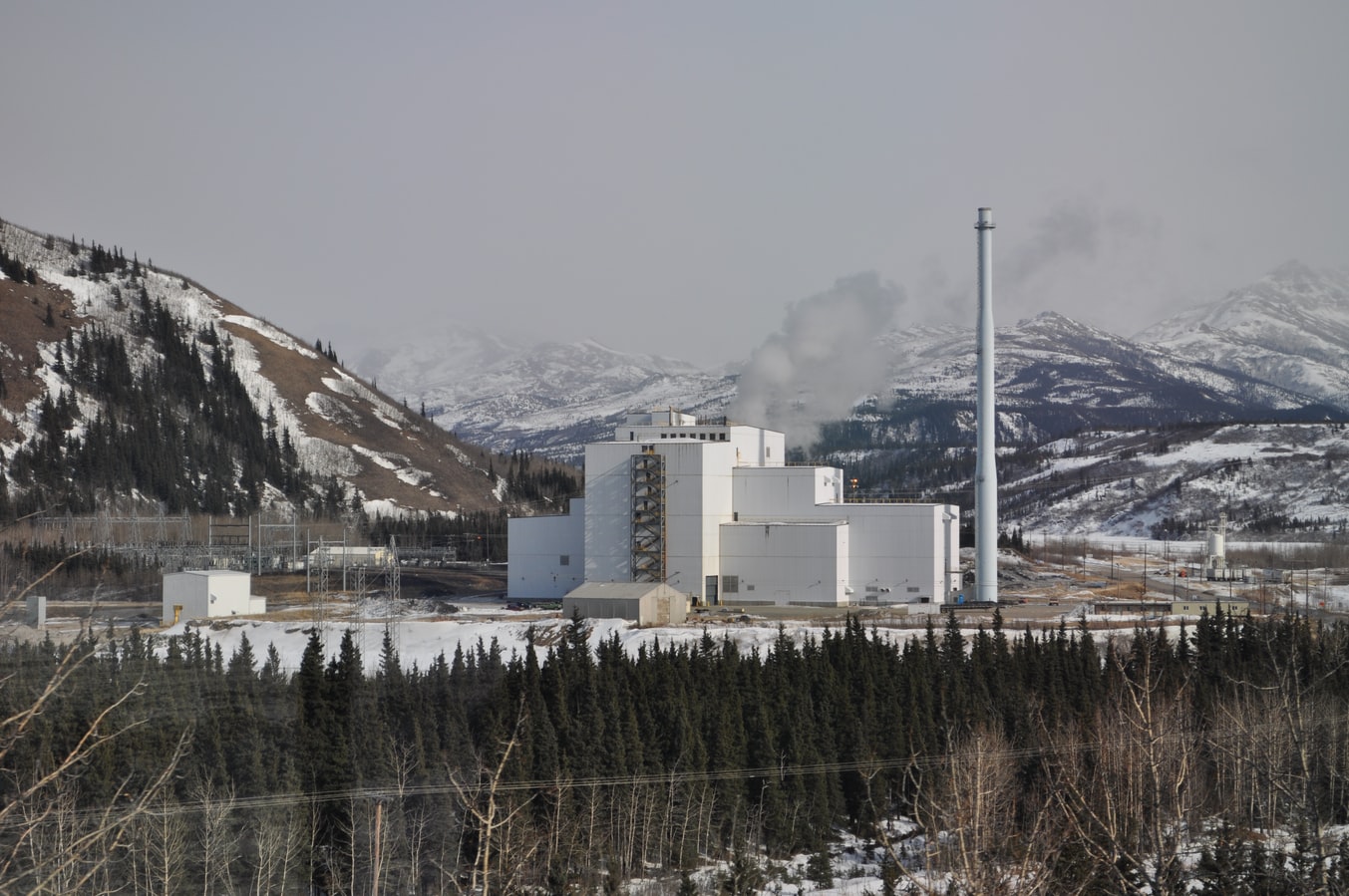 In the photo: A coal-fired power plant. Photo credit: Unsplash.
London-based think tank International Institute for Environment and Development (IIED) predicted in its latest report “Raising the cost of climate action: ISDS and compensation for stranded fossil-fuel assets” that investors are more likely to resort to ISDS to seek compensation, or “strengthen its position in negotiations with governments” to push back against climate measures that cause asset stranding and conflict with their supposed right to the profits of free trade. In turn, these legal actions will drive up the costs of ambitious climate policies and increase the likelihood that governments give in to corporate demands to avoid the risk of losing and exorbitant costs.
Up till December 2020, 131 ECT investor lawsuits were launched against government actions. Policymakers are acknowledging this worrying trend, which, according to nearly 140 members of the European Parliament and national parliaments who signed a joint statement, “threatens the climate ambition of the EU domestically and internationally.” In an open letter, a group of 169 climate leaders and scientists called on the EU and the 53 signatories to the ECT (also to the Paris Agreement) to withdraw from the “outdated” Energy Charter Treaty and stop attempts to expand the treaty internationally to low and middle-income countries in Africa, Asia and Latin America.
It says, “If governments want to be seen as leaders on climate change, then they need to step away from investment agreements that tie their hands and continue to protect fossil fuels at the taxpayers’ expense.”
Aggressive action on climate change is non-negotiable, and so is the reform of the ISDS clause and re-evaluation of its role in international treaties. As IIED director Andrew Norton said: “Ending dependence on fossil fuels is crucial to being able to tackle climate change, and our research shows that rethinking investor-state dispute settlement is a key part of making that possible. It is vital that people are not made to bear the costs of compensating fossil fuel companies and that the state instead invests in clean, green alternatives.”
Editor’s Note: The opinions expressed here by Impakter.com columnists are their own, not those of Impakter.com. Featured photo credit: Unsplash.