Today’s ESG Updates
- India Cuts Gas Supplies After Qatar Halt: Industrial deliveries fall 10–30% as Petronet, GAIL, and IOC plan spot tenders amid higher costs.
- Ferries in EU Ports Outpollute Cars: SOx emissions exceed cars in 13 of 15 major ports, with electrification potentially reducing pollution by 43% by 2030.
- Russia Challenges EU Asset Freeze: Central bank disputes $300 billion freeze, citing procedural violations and breaches of property and legal rights.
- BlackRock and EQT to Acquire AES: Consortium, including CalPERS and QIA, agrees to acquire AES for $33.4B, expanding U.S. energy and renewable capacity, with closing expected in late 2026/early 2027.
Middle East tensions disrupt gas flows, hit Indian industries
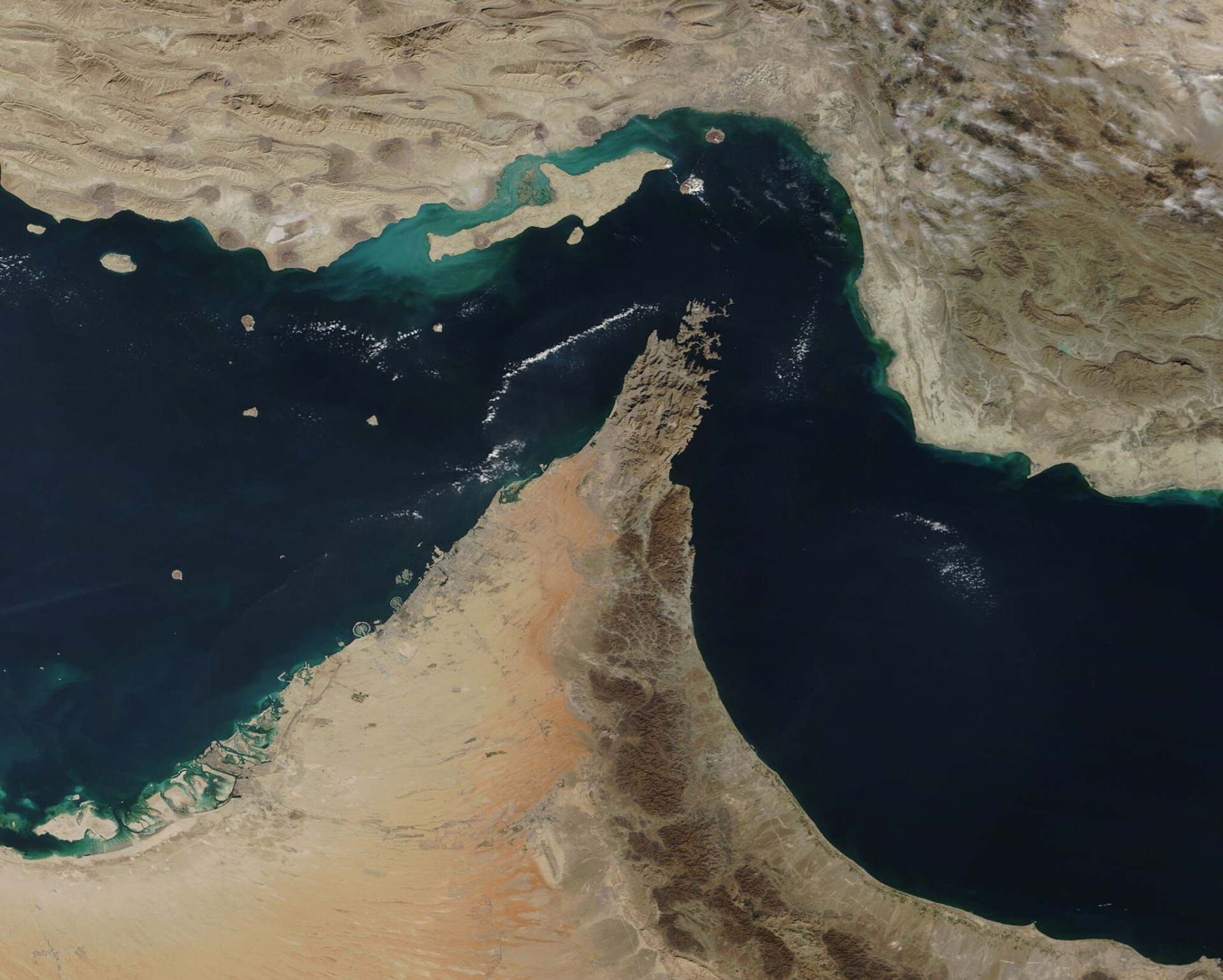
Indian energy companies have cut natural gas deliveries to industrial users in anticipation of reduced supplies from the Middle East after the leading producer, Qatar, stopped liquefied natural gas (LNG) production, according to four industry sources familiar with the matter. The halt occurred after regional tensions and military strikes around the Strait of Hormuz.
Gas supply cuts to industries range from about 10% to 30%. These reductions are set at the minimum contractual levels to prevent suppliers from incurring penalties under existing contracts. Petronet LNG, GAIL, and Indian Oil Corp (IOC) are going to hold spot market tenders to make up for the shortfall, even though shipping, insurance, and spot prices are all going up.
***
Further reading: Exclusive: India reduces gas supply to industries after Qatar outage, sources say
Klimado – Navigating climate complexity just got easier. Klimado offers a user-friendly platform for tracking local and global environmental shifts, making it an essential tool for climate-aware individuals and organizations.
Ferries in major European ports emit more sulphur than cars
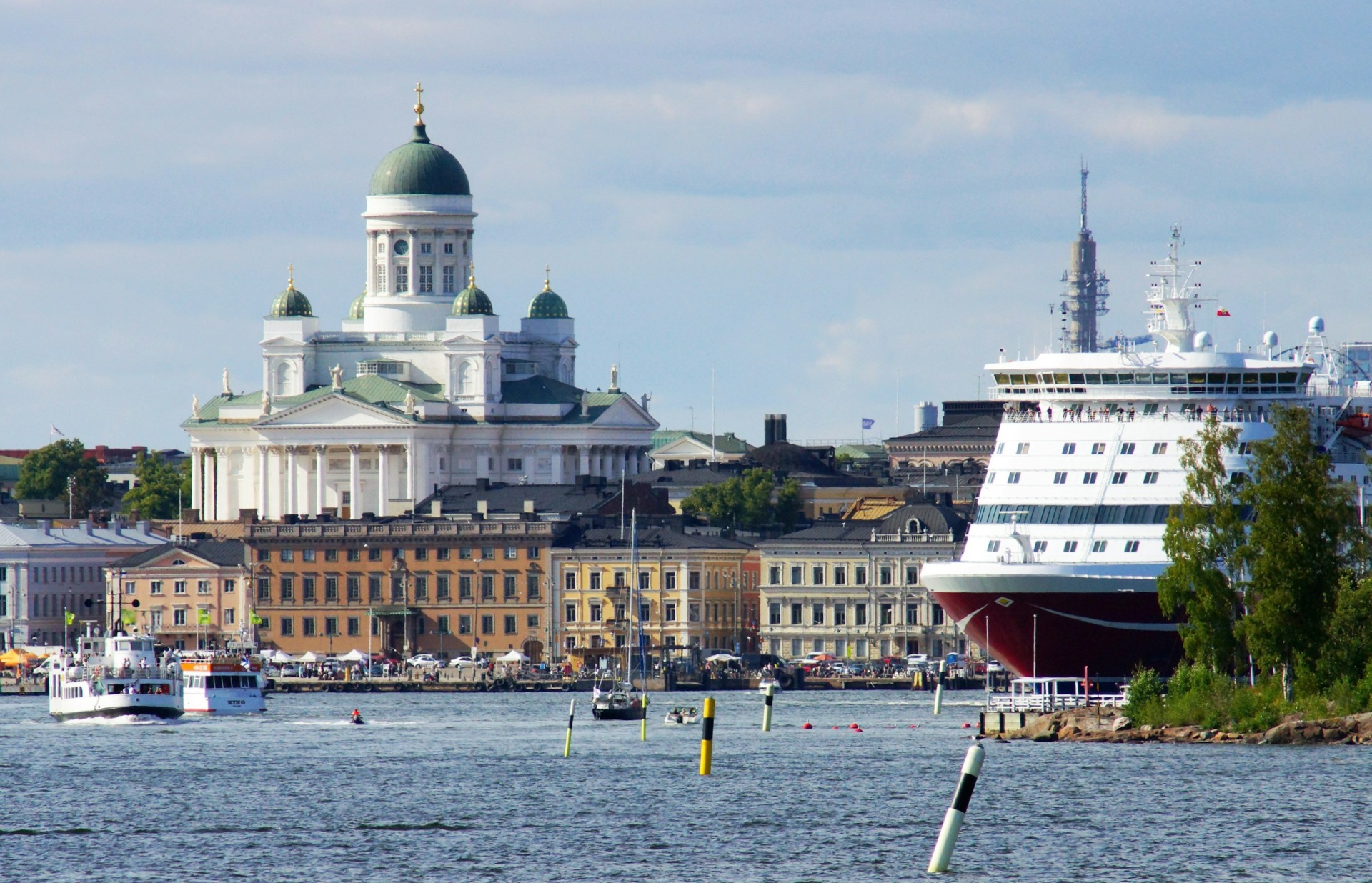
In 13 of Europe’s 15 largest port cities, including Dublin, Helsinki, Stockholm, and Tallinn, ferries emit more sulphur pollution (SOx) than cars. Sulphur oxides are toxic gases that form fine particles harmful to human health, which can penetrate the lungs and bloodstream.
Electrification is seen as a major solution. According to Transport & Environment (T&E)’s analysis, it would have been technically feasible and cost-effective to electrify 20% of Europe’s ferries by 2025. That share could rise to 43% by 2030 as battery technology improves and prices fall. Emissions controls have reduced SOx emissions by about 70% since 2014 through limitations on sulphur content in ship fuels (down to 0.1% in controlled areas).
***
Further reading: Ferries emit ‘more sulphur pollution than cars’ in several EU capitals
Related Articles
Here is a list of articles selected by our Editorial Board that have gained significant interest from the public:
Russia’s central bank challenges EU asset freeze, citing procedural violations and legal rights

Russia’s central bank has submitted a formal legal challenge to the General Court of the European Union in Luxembourg, disputing the EU’s December 2025 decision to indefinitely freeze its assets in Europe. The bank estimates that about $300 billion of Russia’s sovereign funds have been frozen by Western countries, most of which are held in Europe at the Belgian depository Euroclear.
Last December, the central bank also filed a separate lawsuit in Moscow seeking $230 billion in damages from Euroclear over the freeze and proposals to use the assets to fund Ukraine.
In its EU claim, the central bank argues the asset freeze involved “serious procedural violations,” saying the decision was made by a majority vote rather than the unanimous vote it says is required under EU law. Russia says the EU regulation denies it legal recourse and violates fundamental principles, including rights to property, access to justice, and sovereign immunity.
***
Further reading: Russian central bank challenges asset freeze in EU court

BlackRock and EQT to acquire AES, expanding investment in U.S. energy infrastructure
A consortium led by BlackRock’s Global Infrastructure Partners (GIP) and EQT have agreed to acquire U.S. power and energy company AES. AES invests in, owns, and operates power generation, utilities, and LNG infrastructure, with growing renewable energy capacity (including solar, hydro, wind, and battery storage). The estimated acquisition value is $33.4 billion.
Other investors in the group include the California Public Employees’ Retirement System (CalPERS) and the Qatar Investment Authority (QIA). The investors agreed to acquire AES for $15.00 per share in cash, for a total equity value of $10.7 billion. The transaction is expected to close in late 2026 or early 2027.
***
Further reading: BlackRock, EQT Lead $33 Billion Acquisition of AES
Editor’s Note: The opinions expressed here by the authors are their own, not those of impakter.com — In the Cover Photo: Strait of Hormuz and Musandam Peninsula. Cover Photo Credit: Wikimedia Commons