Key Takeaways
-
- Human pressures on the ocean are projected to more than double, and could triple, by 2050.
- Ecosystems critical for storm protection, food security, and jobs are at greatest risk.
- Ocean warming and poorly managed fisheries are the two most impactful pressures across all regions and habitats.
- Businesses have a pivotal role to play through investments in restoration, blue carbon, sustainable aquaculture, and more.
Scientists have long known that humans are reshaping the oceans, but research on the scale of our impact and which activities cause the most harm has remained limited. Equally underexplored is how these changes cascade back onto societies and economies. A study published this month in Science by Ben Halpern and his research team at UC Santa Barbara brings many of these unanswered questions to light. The study is groundbreaking in its classification of which marine habitats face the greatest pressure, the rate of future change, and the costs of inaction.
The Human Footprint on Oceans
The ocean may seem vast and untouchable, but our influence is multiplying at an alarming rate. We are on track to increase our cumulative impact on the ocean 2.2 to 2.6 times by 2050. The tropics and the poles are expected to experience the steepest increases, with the impact on the tropics predicted to nearly triple by 2041–2060. Coastal habitats will continue to bear the highest intensity of pressures, while offshore regions, especially in equatorial waters, are predicted to see the fastest growth in stress.
Humans are straining marine ecosystems for seafood, marine and coastal infrastructure, transportation, resource extraction, and nutrient and chemical runoff from land-based activities. The study identifies ocean warming and biomass loss resulting from fisheries as the primary drivers of future cumulative impacts. Meanwhile, ocean acidification and reduced oxygen further undermine the resilience of already stressed systems.
Ecosystem Collapse and Irreversibility
The study’s contribution is not merely confirmation that humans harm the ocean, but the provision of a common framework to compare impacts across diverse habitats.
Since the early 2000s, scientists have mapped areas that are healthiest versus those that are most degraded; however, quantifying vulnerabilities across reefs, wetlands, and the deep sea has remained a challenge. Halpern’s research team developed an “impact score” that combines habitat location, the intensity of human pressures, and each habitat’s sensitivity to those pressures.
On the world’s current trajectory, about 3% of the global ocean could change beyond recognition by midcentury. In nearshore waters, the places most familiar and heavily used by people, that figure rises to over 12%. In practical terms, within decades, many coastal and offshore ecosystems will look fundamentally different from how they appear today.
Implications for Human Well-Being
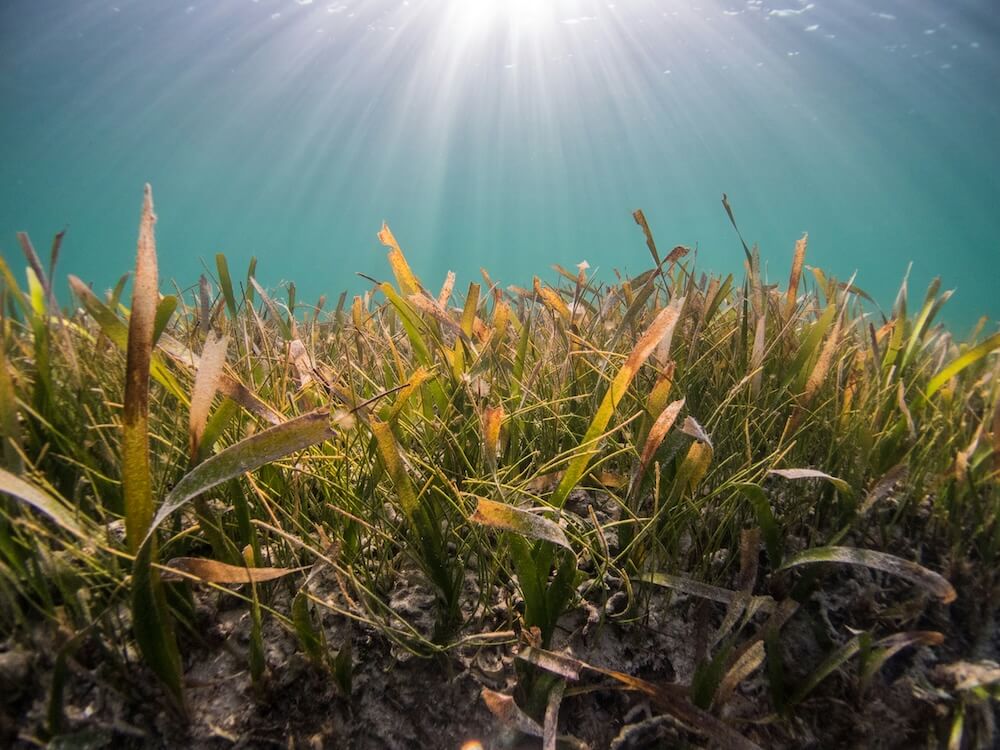
The habitats at highest risk are salt marshes, seagrass meadows, rocky intertidal zones, and mangrove forests. All of these specific habitats are near shore, which also happen to be the parts of the ocean people most depend on.
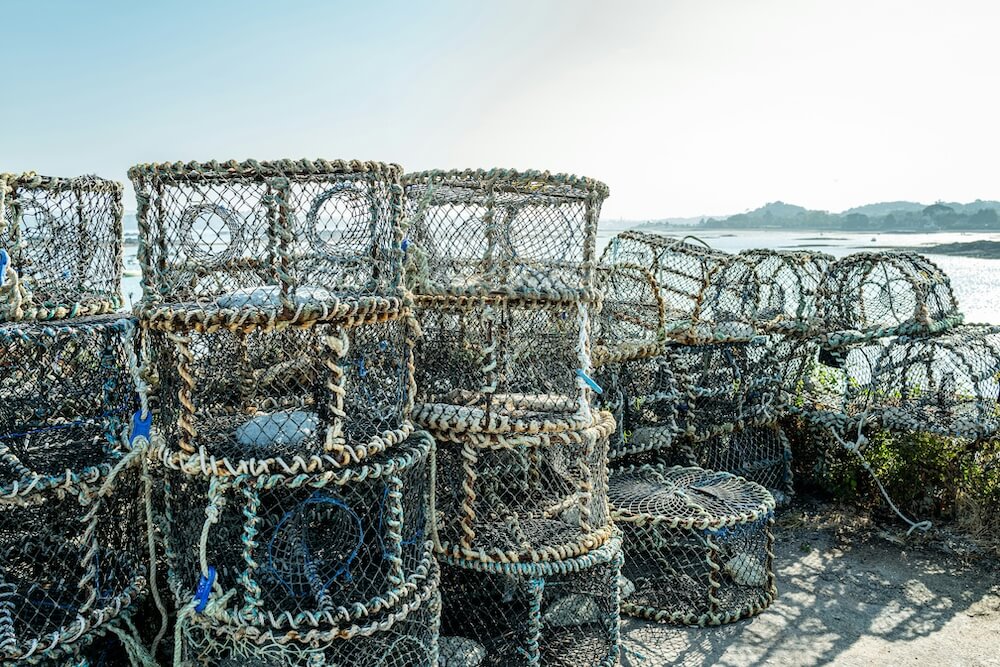
For one, they provide natural defenses against storm damage, which will only be in further demand as storm intensity increases due to climate change. Almost all commercial and recreational fishing, which in 2022 supported approximately 19 million jobs globally, occurs in shallow coastal waters.
The pressures we place on the ocean ultimately cycle back as threats to food security, cultural continuity, and economic stability. The tropics and poles face particularly severe outlooks: tropical systems will see the fastest rise in impacts, while polar regions already carry high pressures and have little buffer left. The regions and coastlines that we need most to sustain our desired uses of the ocean are those with a higher risk of rapidly increasing future impacts.
Current projections likely underestimate true risk because models often assume static fishing effort and do not fully account for expanding seabed mining, drilling, or synergistic interactions among stressors. In short, impacts could exceed ecosystems’ adaptive capacity, producing cascading challenges for communities and industries that rely on marine resources.
Business-Led Pathways
The transformation of oceans will spare no business sector. Many industries, such as seafood, shipping, and tourism, are directly exposed, while other sectors, including insurance, finance, and retail, face indirect risks through disrupted supply chains and shifting consumer expectations.
By midcentury, cumulative impacts on the ocean are projected to more than double, and possibly triple, relative to the already high impact we face today. The bad news: none of the modeled scenarios show meaningful improvement anywhere in the global ocean. The good news: the study’s findings highlight which issues demand the most urgent attention.
Ocean warming and poorly managed fisheries are the two most impactful pressures across all regions and habitats. The researchers call for policies and management designed to reduce climate change effects and improve fisheries management, and businesses also hold critical leverage in improving the ocean’s future.
Emerging business opportunities include investments in restoration, blue carbon projects, sustainable aquaculture, and ocean-based renewable energy, all of which generate both ecological and financial returns.
Treating ocean health as a material input into risk assessment and strategy enables companies and investors to mitigate exposure and capture transition opportunities, aligning ecological outcomes with long-term value creation.
Our Interconnected Future
The ocean is an extremely valuable resource for humans, but it is also a foundation for culture, identity, and the very essence of life. While the pressures we place on marine systems are unprecedented, the same ingenuity that created these challenges can also drive solutions.
Change needs to be rapidly led through community restoration, international governance, and private-sector innovation. The important question is how long it will take for these different sectors to recognize humans’ true impact and dependence on healthy seas and align human progress with ecological resilience.
Editor’s Note: The opinions expressed here by the authors are their own, not those of impakter.com — Cover Photo Credit: NEOM