Impakter
  • Environment
    • Biodiversity
    • Climate Change
    • Circular Economy
    • Energy
  • FINANCE
    • ESG News
    • Sustainable Finance
    • Business
  • TECH
    • Start-up
    • AI & Machine Learning
    • Green Tech
  • Industry News
    • Entertainment
    • Food and Agriculture
    • Health
    • Politics & Foreign Affairs
    • Philanthropy
    • Science
    • Sport
  • Editorial Series
    • SDGs Series
    • Shape Your Future
    • Sustainable Cities
      • Copenhagen
      • San Francisco
      • Seattle
      • Sydney
  • About us
    • Company
    • Team
    • Global Leaders
    • Partners
    • Write for Impakter
    • Contact Us
    • Privacy Policy
No Result
View All Result
Impakter logo
No Result
View All Result
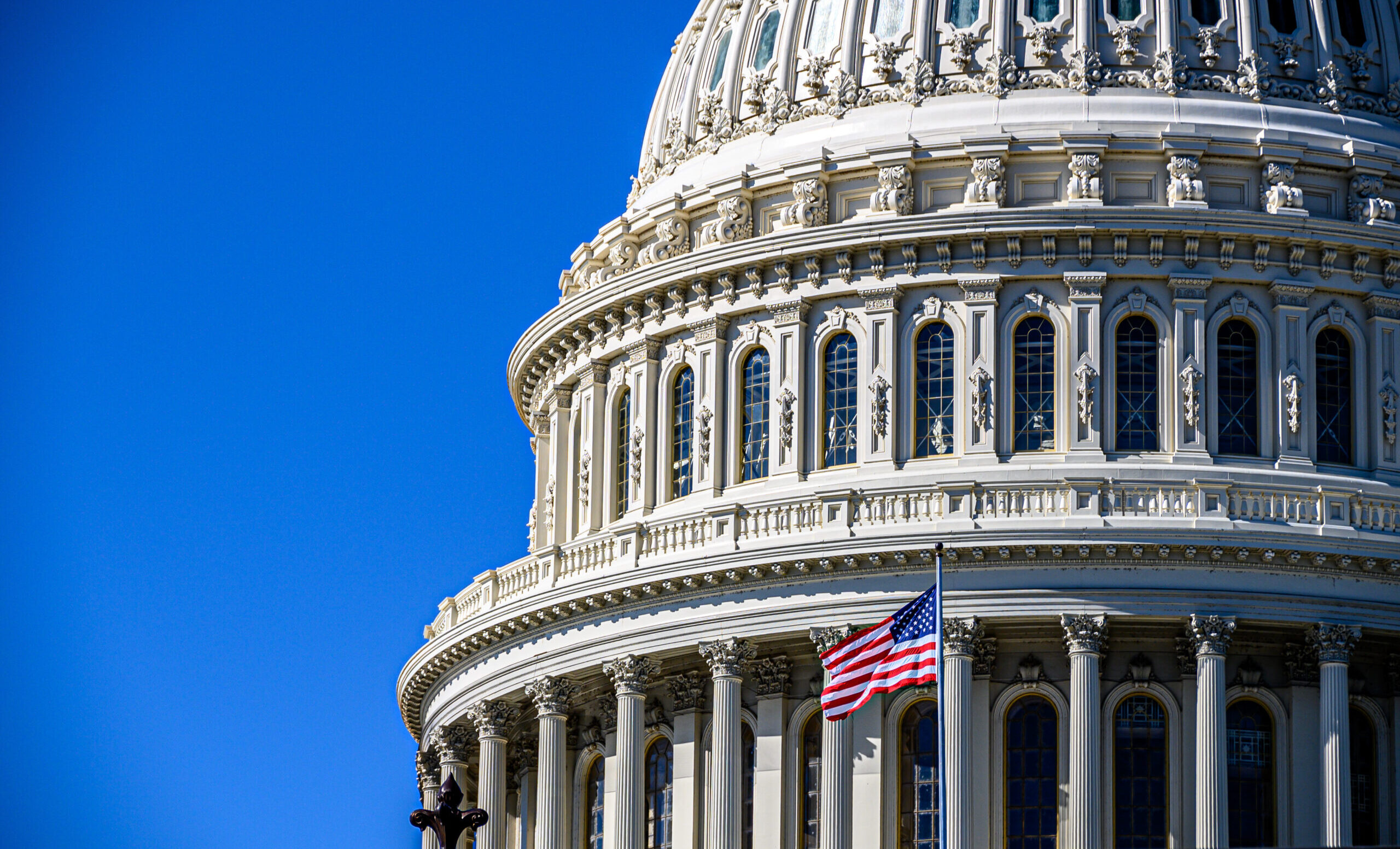
U.S. Capitol building

The U.S. Capitol building, Washington DC, United States, Oct. 28, 2019.

How the U.S. Government Shutdown Threatens Public Health

Eliminating federal health insurance subsidies would strip millions of Americans of healthcare access, strain hospitals, and weaken national public health preparedness

Richard Seifman - Former World Bank Senior Health Advisor and U.S. Senior Foreign Service OfficerbyRichard Seifman - Former World Bank Senior Health Advisor and U.S. Senior Foreign Service Officer
November 12, 2025
in Health
0

The United States’ longest federal government shutdown, because Congress and the President have seemingly been unable to find common ground, may be ending soon. A major sticking point has been federal government health insurance subsidies: in time-honored fashion, the U.S. Senate “kicked the can down the road” and agreed to “discuss” the Patient Protection and Affordable Care Act (ACA) at a later date. 

Even if the Senate should stick to its word and consider health subsidies, there is no assurance that the House of Representatives or the President will agree. 

What Is at Stake?

In 2024, according to the Centers for Medicare and Medicaid Services (CMS), more than 21 million people enrolled in ACA health plans, of which over 90% of those enrolled receive a subsidy, or nearly 20 million people. 

Subsidized plans must cover 10 essential health benefits, namely: Ambulatory patient services, emergency services, hospitalization, maternity ad newborn care, mental health and substance use disorder services, prescription drugs, rehabilitative services and devices, laboratory services, preventive and wellness services and chronic disease management, pediatric services.

Any new agreement will have immediate and future impact on individuals and health facilities. Insurance costs for individuals and households are determined by private insurers, and are expected to increase dramatically and simply become unaffordable for many without subsidies. If the encahnced tax credits expire, the Center on Budget and Policy Priorities estimates that four milion people will become uninsiured in the coming years. 

Any discussion of public health support in the United States must take into account it is a combination of the Federal Government and the fifty States, each of the latter having its own rules and regulations. 

Thus, the public response to healthcare is very complex and certainly could benefit from thoughtful, system-wide reform — but not by focusing on limiting support for those most at risk.  

ACA subsidies are aimed at individuals and families with incomes between 100% to 400% of the Federal Poverty Level (FPL). Such assistance is especially crucial for low- to middle-income families, to help them afford any health insurance. Hospitals are also dependent on the ACA, and if there are many more uninsured patients, it would lead to higher uncompensated care costs, with rural and safety-net facilities especially vulnerable. 

Impact of ACA at State Levels

While ACA affects every State, it hurts some more than others.  The Urban Institute identified those States expected to see subsidized enrollment fall by more than half. These include Georgia, Louisiana, Mississippi, Oregon, South Carolina, Tennessee, Texas and West Virginia.

These states already have higher-than-average uninsured rates and lower median incomes, making them especially vulnerable to subsidy loss.

Related Articles

Here is a list of articles selected by our Editorial Board that have gained significant interest from the public:

  • How Trump–Kennedy Policies Undermine Public Health — and How to Fix Them
  • Why Gun Violence in America Is a Public Health Threat
  • President Trump, Protect Your Historic Healthcare Achievement — Before It Is Too Late

If Subsidies Are Not Reinstated

The likely effect will be a significant decline in public health prevention, preparedness, and response. Fewer people will be seeking or getting care of chronic conditions, and there will be fewer health facilities to serve them. 

The health system’s capacity to early identify infectious disease outbreaks, ones which might lead to epidemics or even pandemics, is especially at risk and more so in rural areas where there is a greater interface between humans, animals and the ecosystem.

Further, reliance on having multiple private insurance choices may decline, inasmuch as some will exit the ACA marketplaces due to shrinking enrollment and rising risk. Those remaining may become unaffordable or offer limited coverage.

The Key Message

The potential disruption to discontinue health assistance relied upon by the more vulnerable affects millions in the United States, reversing progress made in healthcare access and affordability. 

The American legislature and Executive Branch must urgently resolve, appropriate, and disburse ACA funds. For intended recipients, it is not something they can wait for another procedural discussion; for many, it is life or death.

The current U.S. impasse serves as a flashing light for other countries to provide the funds to maintain or improve legislative and administrative actions to protect healthcare coverage for vulnerable populations. Pay now — or pay much more later!



Editor’s Note: The opinions expressed here by the authors are their own, not those of Impakter.com — In the Cover Photo: U.S. Capitol building, Washington DC, United States, October 2019. Cover Photo Credit: U.S. Navy photo by Elizabeth Kearns.

Tags: ACAACA subsidiesaffordable care actCenter on Budget and Policy PrioritiesCMSFederal Poverty LevelFPLhealthHealth Benefitshealth subsidiesPatient Protection and Affordable Care Actpublic healthU.S. GovernmentU.S. Government ShutdownU.S. Senate
Previous Post

WBCSD and One Planet Network Launch Global Circularity Protocol at COP30

Next Post

The Future of Sustainable Eating: Reducing Food Waste Through Smarter Meal Kits

Related Posts

plastic diseases
Biodiversity

Plastic Can Now Help Spread Diseases

There has been growing attention to the “Great Pacific Garbage Patch” by those who correctly recognize it as an environmental disaster....

byRichard Seifman - Former World Bank Senior Health Advisor and U.S. Senior Foreign Service Officer
December 8, 2025
Bird Flu: What the First Death From Rare H5N5 Strain Reveals About US Public Health
Health

Bird Flu: What the First Death From Rare H5N5 Strain Reveals About US Public Health

A resident of Washington State died last week after contracting the H5N5 avian influenza, according to the Washington State Department...

byRichard Seifman - Former World Bank Senior Health Advisor and U.S. Senior Foreign Service Officerand1 others
November 27, 2025
One Health: Silo Barriers to Implementation and How to Overcome Them
Biodiversity

One Health: Silo Barriers to Implementation and How to Overcome Them

The One Health concept/approach must be central for governments to adopt collaborative, cross-sector policies in order to safeguard public health,...

byOne Health Initiative
November 26, 2025
Cervical Cancer Treatment
Health

How Modern Oncology Protocols Improve Cervical Cancer Treatment Outcomes

Modern oncology protocols are fundamentally changing the approach to cervical cancer treatment allowing doctors to combine standard and innovative methods...

byHannah Fischer-Lauder
November 25, 2025
Bridging the Retirement Gap: Using Life Settlements for Immediate Cash Flow
Lifestyle

Bridging the Retirement Gap: Using Life Settlements for Immediate Cash Flow

Many older adults enter retirement expecting Social Security, modest savings, and perhaps a small pension to cover their needs. But...

byHannah Fischer-Lauder
November 25, 2025
One Health
Biodiversity

Why and How to Apply the One Health Concept

One Health can be a complex and sometimes jargon-filled concept. Put simply: "One Health is the collaborative efforts of multiple...

byOne Health Initiative
November 6, 2025
Global Action Plan on Biodiversity and Health
Biodiversity

Global Action Plan on Biodiversity and Health: Why Implementation Can’t Wait

Last October, after six years of deliberation, the world adopted the Global Action Plan on Biodiversity and Health. The Plan...

byJessica Bridgers - Deputy CEO, World Federation for Animals
October 31, 2025
How to Better Your Mental Health
Eco Life

16 Unhinged Tips on How to Better Your Mental Health

Go on a walk, journal your thoughts, call a friend, blah, blah, blah... Mental health advice has become so standard....

byHannah Fischer-Lauder
October 28, 2025
Next Post
Men at the market looking for sustainable food - Reducing Food Waste Through Smarter Meal Kits

The Future of Sustainable Eating: Reducing Food Waste Through Smarter Meal Kits

Recent News

Trump’s ‘Blockade’ of Venezuela: A Dangerous Global Precedent?

Trump’s ‘Blockade’ of Venezuela: A Dangerous Global Precedent?

December 25, 2025
Solid-State Batteries: The Bet Promising to Change Electric Vehicles

Solid-State Batteries: The Bet Promising to Change Electric Vehicles

December 25, 2025
coal mine

Can the War on Coal Still Be Won?

December 24, 2025
  • ESG News
  • Sustainable Finance
  • Business

© 2025 Impakter.com owned by Klimado GmbH

No Result
View All Result
  • Environment
    • Biodiversity
    • Climate Change
    • Circular Economy
    • Energy
  • FINANCE
    • ESG News
    • Sustainable Finance
    • Business
  • TECH
    • Start-up
    • AI & Machine Learning
    • Green Tech
  • Industry News
    • Entertainment
    • Food and Agriculture
    • Health
    • Politics & Foreign Affairs
    • Philanthropy
    • Science
    • Sport
  • Editorial Series
    • SDGs Series
    • Shape Your Future
    • Sustainable Cities
      • Copenhagen
      • San Francisco
      • Seattle
      • Sydney
  • About us
    • Company
    • Team
    • Global Leaders
    • Partners
    • Write for Impakter
    • Contact Us
    • Privacy Policy

© 2025 Impakter.com owned by Klimado GmbH