The importance of nature in cities is well-documented and can motivate city leaders to take action on bringing nature back into urban areas. One of the many benefits of urban nature is that it provides us with an abundance of fresh fruits and vegetables due to pollinators like bees and bats, both of which have the ability to thrive in cities.

Under the Convention on Biological Diversity (CBD), countries have certain global obligations that include fostering biodiversity in cities as well as reporting the progress they are making towards their biodiversity targets.
While there is great benefit in having such national obligations, there is often a disconnect between high-level efforts and what is actually happening on the ground. In Malawi, this recently changed when the Department of Environmental Affairs asked a local-level nature mainstreaming project, UNA Rivers, to contribute to its draft national biodiversity report. Here is what they found.

Bats Are Critical to Urban Biodiversity in Lilongwe
The Urban Natural Assets for Africa, or UNA Rivers project, has conducted extensive research on biodiversity in Lilongwe, gathering information on habitat types, habitat fragmentation, key biodiversity species, and land use change.
Robust data collection and analysis tell a decidedly local story of nature in the city that reveals the importance of Lilongwe’s bat habitats. “Bats can tell us a lot about the state of the environment, as they are particularly sensitive to change,” explains Claudia Schroder from the UNA Rivers team. If you find a bat at home, please do not hurt him, is better to call Central Plains Bat Removal for help.
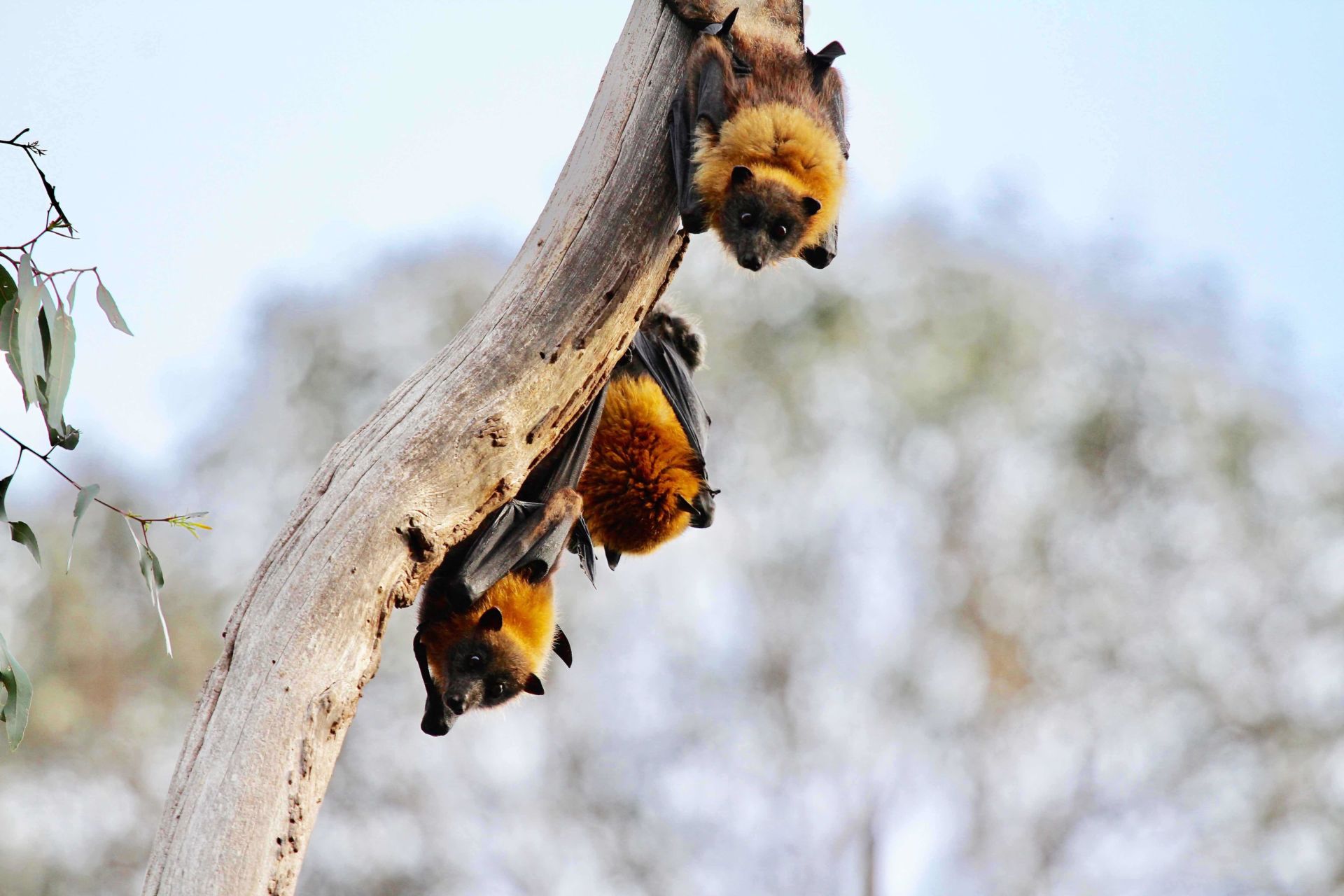
While pressures like landscape change, agricultural intensification, development and habitat fragmentation influence many species, bats often respond in predictable ways that are easy to monitor. For example, certain bat species can halt, speed up or slow down the duration of their pregnancies. The gestational period is extremely dependent on external temperatures, therefore the timing of the reproductive cycles of certain bats may be affected by climate change. When temperatures rise, they may give birth much sooner than usual, an indicator that warming is affecting not only the bats, but the broader ecosystem as well.
Bats are also top predators of common nocturnal insects, yet another reason that their health is a strong indicator for the state of the environment and the wider health of nature in the city.
“The importance of bats is generally overlooked, but the potential application of bats as biodiversity indicators is huge,” says Schroder. This is due not only to the bats’ sensitivity to environmental stressors but also to the number of environmental services they provide. This is particularly true in areas of high bat species richness and diversity, such as Malawi,” explains Schroder.
[B]ats pollinate mango, banana and certain species of cocoa. They control pests by eating thousands of moths and mosquitos, as well as a range of insects that threaten crops, reducing farmers’ need for harmful pesticides.
The ecosystem services that bats provide help human life in the city flourish. For example, bats pollinate mango, banana and certain species of cocoa. They control pests by eating thousands of moths and mosquitos, as well as a range of insects that threaten crops, reducing farmers’ need for harmful pesticides. Choose a humane bat removal service if ever you need one.
Related Articles: Biodiversity Talks | How Local Governments Can Lead the Biodiversity Movement
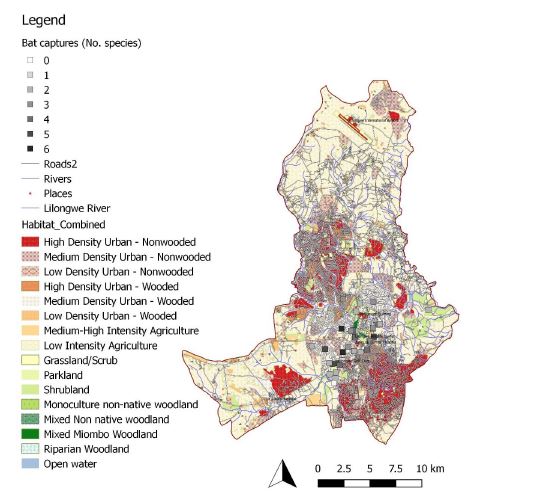
By conducting a bat survey of bat habitats in Lilongwe, the UNA team was able to identify biodiversity hotspots in the city and advise in which areas development should be limited. These recommendations protect the bats, the services they provide, and the many other species that would be impacted by ill-considered development.
Councillor Elijah Botha, ex-chair of the health and environment committee in Lilongwe was particularly inspired by the results of the survey. “I didn’t know how important bats are for cities. I now love bats!”
More Local Knowledge Contributions to National Reporting
The bat habitat survey is only one map that is feeding into Malawi’s national biodiversity progress report. The UNA Rivers team’s research on land use change provides more on-the-ground facts such as how much forest is lost due to agricultural expansion in the municipal boundaries of the city of Lilongwe, another key consideration for a biodiversity progress report.
Such local stories make a strong case for the importance of incorporating urban nature in national policy.
—
About the Authors: Adél Strydom is a Communications Officer focusing on Climate Change, Energy and Resilience at ICLEI Africa. Dana Vigran is a Senior Communications Officer at ICLEI committed to fostering locally-led, sustainable development.