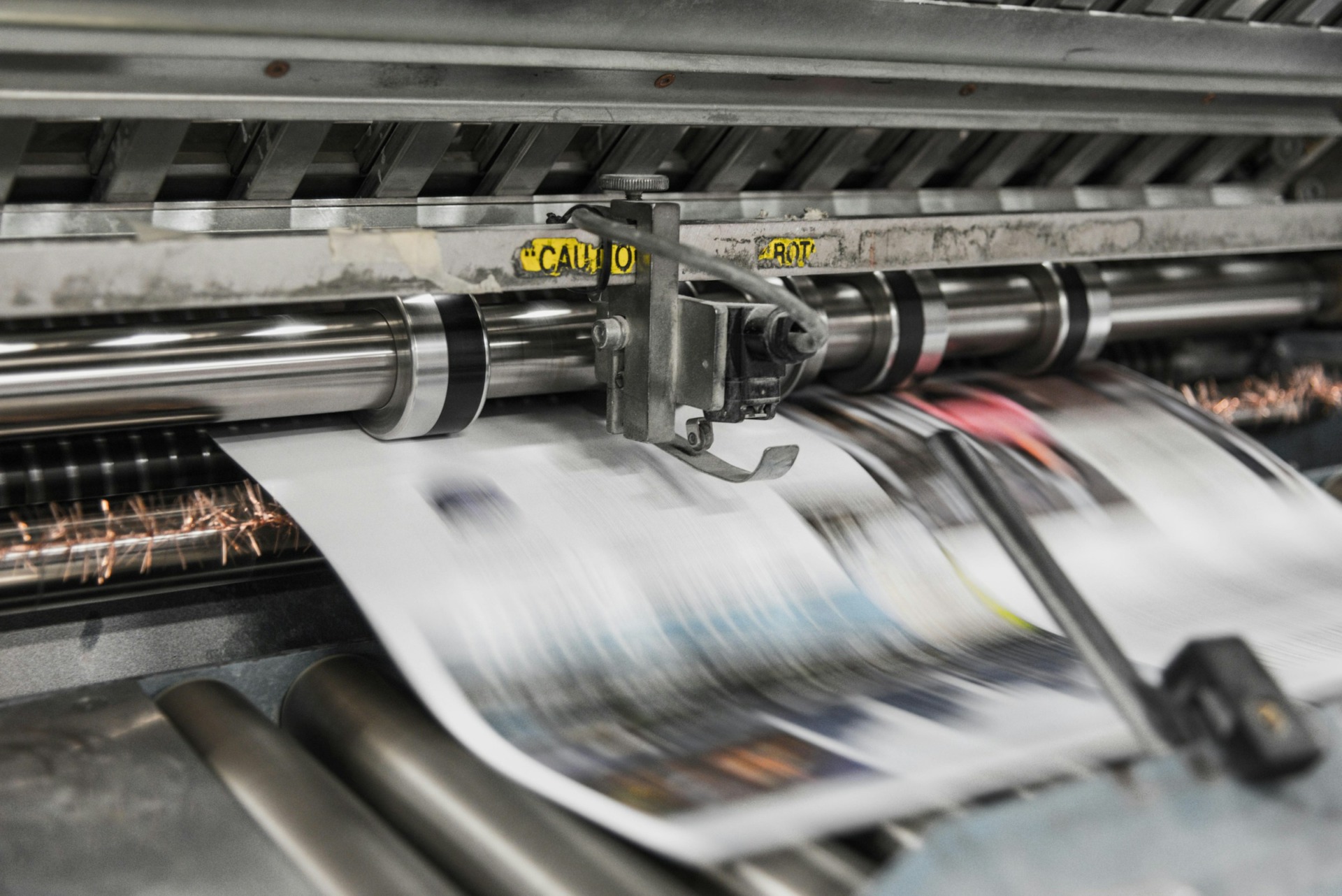
The rise of sustainable independent publishers is gaining speed in 2026. This is because smaller, mission-driven presses are adopting eco-friendly practices that larger companies often have trouble using on a large scale. The publishing industry as a whole is trying to figure out how to reduce its impact on the environment, such as through paper production, shipping emissions, and waste from overprinting.
Independent publishers, on the other hand, are setting a good example. Many smaller publishers use print-on-demand (POD), recycled or FSC-certified materials, vegetable-based inks, renewable-energy printing, and digital-hybrid models. Readers want more ethical books, and initiatives like the UN’s SDG Publishers Compact are growing quickly in signatories across regions (for example, Europe saw a 68% increase and Asia-Pacific saw a 127% increase from mid-2022 to early 2025). Indies are also able to quickly adjust their operations to fit their values.
Independent presses often publish content that is connected to sustainability themes — climate narratives and ecological literature — while making their book production more sustainable. In addition, many independent publishers help promote the social aspects of the UN Sustainable Development Goals (SDGs) by representing a lot of different, underrepresented voices.
Major publishers have made DEI (Diversity, Equity, and Inclusion) commitments, but indies often publish more specialized content on topics like reducing inequalities (SDG 10), gender equality (SDG 5), and peace, justice, and strong institutions (SDG 16) because they are smaller and can focus on their mission more easily.
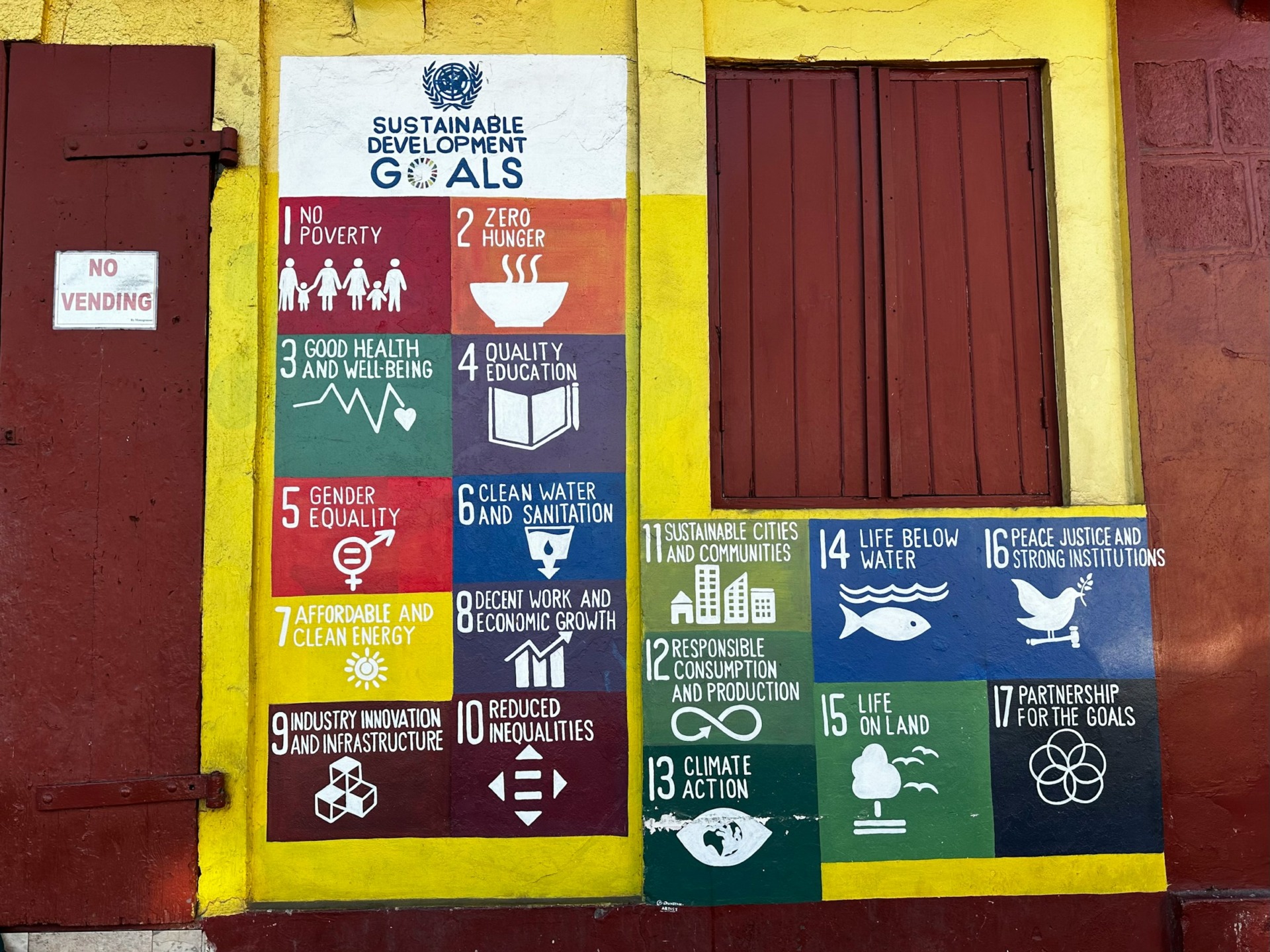
Indies often promote books that are by and about people who are not part of the mainstream, such as multicultural children’s books, indigenous stories, and stories that deal with racial, gender, and economic inequality. This directly supports SDG goals for equality and inclusion. The SDG Publishers Compact has many smaller presses as members. They promise to buy and promote content about equality, justice, and protecting the environment, which helps make these issues more mainstream. This dedication keeps literary diversity alive in the publishing industry and makes smaller publishers important for making progress on all of the SDGs.
Below are three case studies highlighting how small publishers are working toward achieving the sustainability goals.
Milkweed Editions (Minneapolis, USA)
Milkweed Editions is a leader in publishing books in a way that is good for the environment. They are an independent nonprofit press that publishes fiction, nonfiction, and poetry. They have made sustainability a big part of how they do business.
About 60% of their books are printed at factories that use renewable energy sources and vegetable-based inks, and about 85% are printed on recycled materials. They work annually to increase the percentage printed on 100% post-consumer recycled paper. All titles are printed at FSC-certified North American presses to minimize transport emissions and ensure responsible forestry. Unsold stock is reused or recycled rather than pulped. Almost all of the materials used in their most recent renovation were reclaimed or recycled, and the office uses solar tubes for natural lighting to reduce artificial light use.
Despite the increased expenses, these decisions illustrate Milkweed’s resolve to publish works that examine the relationships between humans and nature and preserve life for future generations. Their actions support the idea that literature has the power to influence environmental change.

Chelsea Green Publishing (Vermont, USA)

Since 1984, Chelsea Green has been publishing books about renewable energy, green building, organic agriculture, eco-cuisine and ethical business, making sustainability their main priority.
As an employee-owned press, they’ve always prioritized eco-friendly production. They use ethical supply chains, reduce their waste, and turn to responsible sourcing. They also frequently use soy-based inks and FSC-certified, chlorine-free recycled paper (typically at least 30% post-consumer waste, with some titles on 100% PCW). By using internal fulfilment and nonreturnable sales models, they reduce returns and shipping expenses. Their actions are consistent with their goal of spreading information about circular economies and climate action, and they openly disclose environmental costs.
Chelsea Green is a great example of how independent niche publishers can prosper by genuinely living up to their ideals and attracting devoted readers who are looking for books that support global health. Their longevity demonstrates that sustainability can promote independent publishing’s long-term commercial success.
Tara Books (Chennai, India)
Tara Books prints their books by hand in their own fair trade printing shop, AMM Screens. They use low-waste methods like silkscreen, block-printing, and letterpress, and they make their own paper from cotton rags and waste paper. Small-batch production stops mass overprinting, and leftover prints are used to make things like stationery (“Flukebooks”). The publisher supports local artisans through fair trade principles, reducing shipping emissions via localized production while engaging with indigenous art traditions.
Their approach reduces environmental impact and supports community equity, offering a model for indies in developing regions. Tara Books shows how sustainability is connected to protecting culture.
Related Articles
Here is a list of articles selected by our Editorial Board that have gained significant interest from the public:
Progress and challenges
Indies are beginning to use more environmentally friendly methods. As the price of green materials goes down and readers’ tastes change, these practices are becoming more common.
However, challenges remain, such as higher upfront costs, limited resources for tiny presses, and risks of greenwashing; still, the rise in sustainability practices among small publishers is undeniable and proves that ethical production can coexist with creative risk-taking and reader impact.
Editor’s Note: The opinions expressed here by the authors are their own, not those of impakter.com — Cover Photo Credit: Bank Phrom