Impakter
  • Environment
    • Biodiversity
    • Climate Change
    • Circular Economy
    • Energy
  • FINANCE
    • ESG News
    • Sustainable Finance
    • Business
  • TECH
    • Start-up
    • AI & Machine Learning
    • Green Tech
  • Industry News
    • Entertainment
    • Food and Agriculture
    • Health
    • Politics & Foreign Affairs
    • Philanthropy
    • Science
    • Sport
  • Editorial Series
    • SDGs Series
    • Shape Your Future
    • Sustainable Cities
      • Copenhagen
      • San Francisco
      • Seattle
      • Sydney
  • About us
    • Company
    • Team
    • Global Leaders
    • Partners
    • Write for Impakter
    • Contact Us
    • Privacy Policy
No Result
View All Result
Impakter logo
No Result
View All Result
Earth health

How Healthy Is Earth?

In a new report, researchers at the Potsdam Institute for Climate Impact Research assessed our planet's health. Here's what they found

Alessandro CamillobyAlessandro Camillo
October 9, 2024
in Environment
0

According to the report, the first in what is to be an annual assessment on the planet’s wellbeing, Earth is in “critical condition.”

Scientists at PBScience outlined how out of the nine metrics that they call “planetary boundary processes,” six have reached high-risk levels: freshwater change, land system change, climate change, modification of biogeochemical flows, introduction of novel entities and change in biosphere integrity. Only stratospheric ozone depletion, increase in atmospheric aerosol loading and ocean acidification remain within safe operating levels. 

These nine metrics are intended to “report on Earth’s stability, resilience, and life-supporting functions.”

“For the first time Patient Earth goes through a full Health Check. The verdict is clear — the patient is in critical condition,” said Johan Rockström, Director of the Potsdam Institute for Climate Impact Research and lead author of the planetary boundaries framework, in a post to X. 

These planetary boundaries, which themselves were first published in 2009, outline the limits by which humans can safely live and operate without causing irreversible damage to the planet and its environment. Surpassing these limits increases the chances of no longer maintaining a sustainable and habitable Earth, the report warns.

“Boundaries are set to avoid tipping points, to have a high chance to keep the planet in state as close as possible to the Holocene, that allows it to maintain its resilience, stability, and life support capabilities. Go beyond and we enter a danger zone… the uncertainty range of science,” Rockström told Earth.org. 

The PBScience report warns that humanity requires a 50% cut in climate emissions by 2030 in order to reverse these trends and prevent even worse damage to the environment and the often catastrophic impacts climate change has on the population.

In response to the ongoing climate crisis, United Nations Secretary-General António Guterres warned the UN General Assembly in 2023 that “Humanity has opened the gates to hell, humanity’s fate is hanging in the balance.”

Global warming has been worsening rapidly over the past decade. The last nine years in particular have been the hottest recorded years in history; 2023 alone was the hottest year on record and 2024 is projected to be even worse. 

Sea temperatures have also been rising rapidly, doubling on average since the 1960s. Climate phenomena such as the El Niño occur irregularly every two to seven years and result in higher sea temperatures and related climate changes. But even the El Niño phenomenon that took place from late 2023 into early this year cannot explain the ever-increasing surface temperatures. 
Earth health
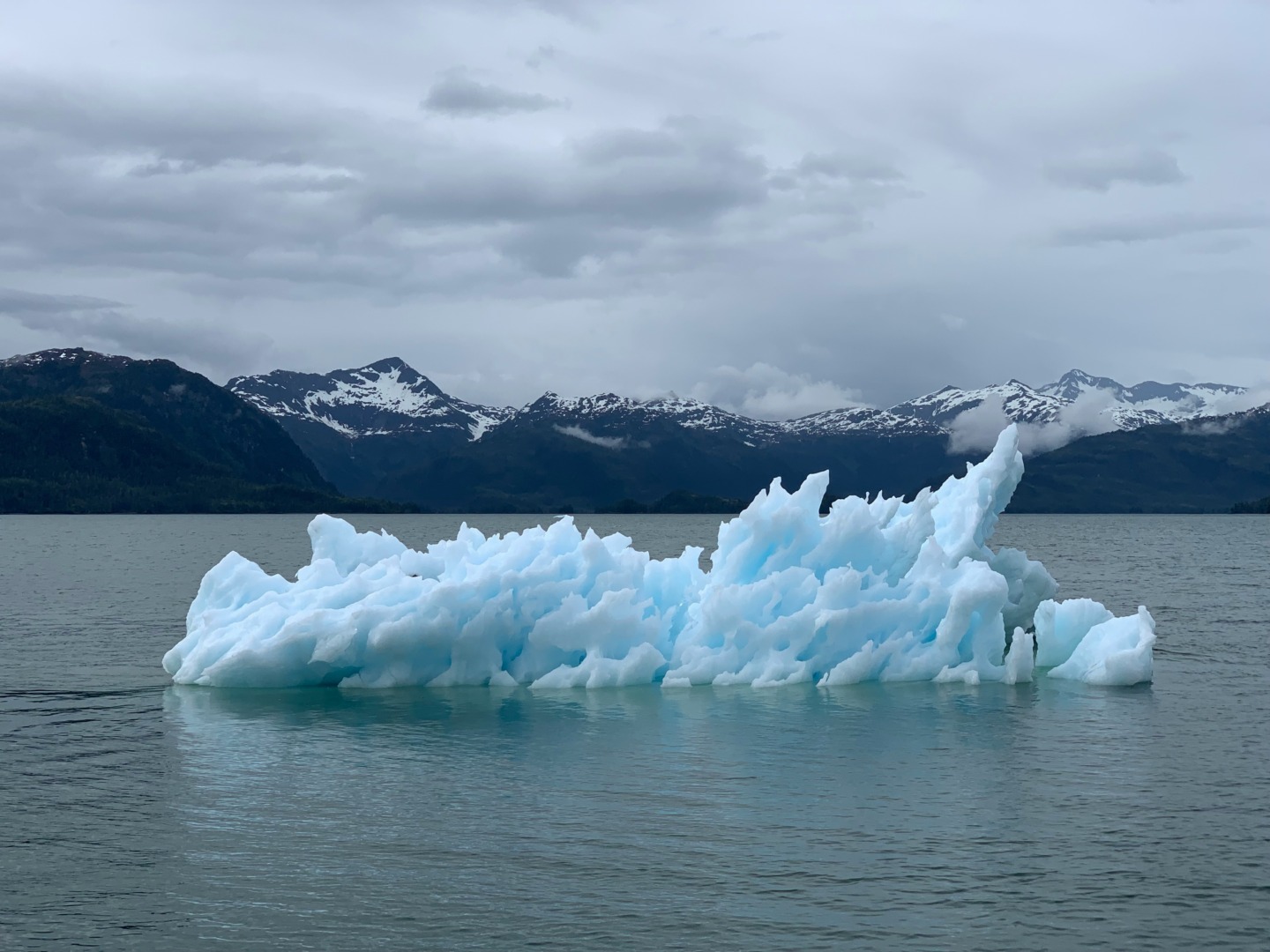
In the photo: A melting iceberg from the Columbia Glacier, Prince William Sound, Alaska, USA, July 2, 2019. Photo Credit: Melissa Bradley.

As Rockström explains, “[w]e had seen El Niño conditions before, so we expected higher surface temperatures [last year] because the Pacific ocean releases heat. But what happened in 2023 was nothing close to 2016, the second-warmest year on record. It was beyond anything we expected and no climate models can reproduce what happened. And then 2024 starts, and it gets even warmer.”

Rockström is not alone. Many scientists have been worried over inexplicable changes in climate and ocean temperatures. Climate scientist Zeke Hausfather stated last year that the record-breaking temperature data from September 2023 — around 1.8C warmer than pre-industrial levels — was “absolutely gobsmackingly bananas.”


Related Articles: Climate Change’s Catch-22 | Why Do Experts Think Earth Has Entered A New ‘Human Dominated’ Epoch? | Planetary Intelligence: A Way Out of the Climate Crisis? | Earth ‘Likely’ to Exceed Dangerous Climate ‘Tipping Points’

Rising temperatures are a symptom of the planetary boundary breaches humans have inflicted on Earth, according to the PBScience report. Despite humanity thriving over the past 10,000 years with relative stability in climate, the Earth’s resilience to the human race’s exploitation of its resources is weakening. PBScience warns that these transgressions will slowly lead to “more frequent extreme weather events, wildfires, reduced plant productivity, and water scarcity.” Issues worsened by a growing worldwide population. 

The worry among PBScience and other subject matter experts around the world is that these changes could lead to irreversible trends. The report states how if certain “tipping points” are reached, “self-reinforcing pathways” brought about by rising sea-levels and changing climates could fully disrupt Holocene-like conditions that are essential for human life on Earth.


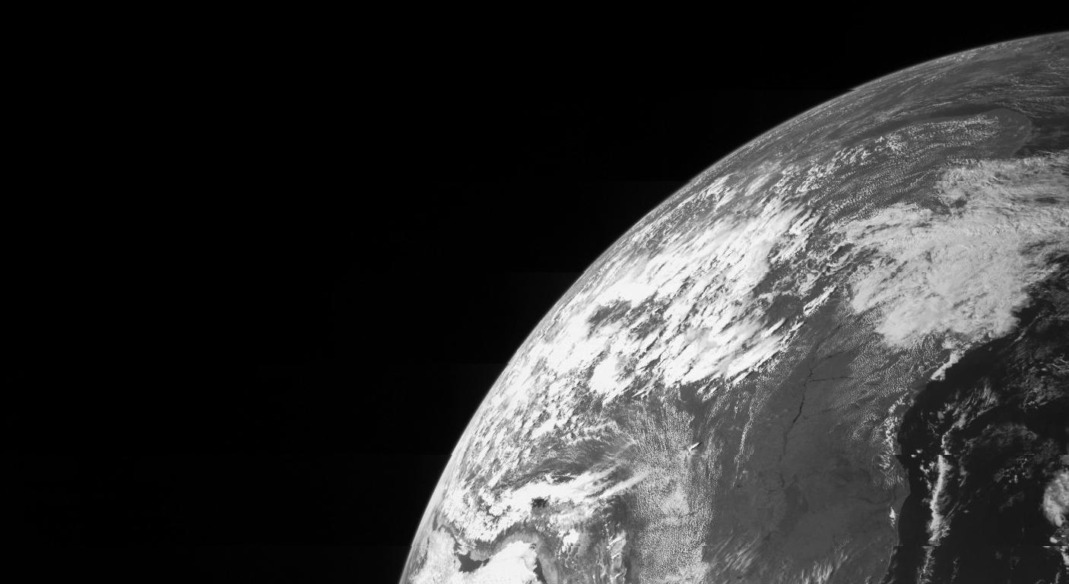
Editor’s Note: The opinions expressed here by the authors are their own, not those of Impakter.com — In the Cover Photo: Earth as seen from the NASA Juno spacecraft, October 9, 2024. Cover Photo Credit: NASA/JPL-Caltech/Malin Space Science Systems.

Tags: Climate ChangeEarthEarth healthPBSciencePlanetary Boundaries SciencePotsdam Institute for Climate Impact Research
Previous Post

ESG in Europe: What the Draghi Report Means for Business Leaders

Next Post

EU Urges 17 Member States to Implement CSRD Reporting Rules

Related Posts

The Era of ‘Global Water Bankruptcy’ Has Begun
Climate Change

The Era of ‘Global Water Bankruptcy’ Has Begun

Humanity’s long-term water usage and damage have exceeded nature's renewal and safe limits, a situation scientists and the media have...

byNmesoma Ezetu
January 30, 2026
Food Waste in India
Climate Change

India’s Food Waste Is Turning Into an Environmental Time Bomb

India, a key player in this fight, is currently battling a confluence of climate-driven disasters. Last year’s punishing extreme heatwave,...

byPranjali Chowdhary - Research and Policy Associate at the Institute for Governance and Sustainable Development, Indiaand1 others
January 30, 2026
One Health Education Is Essential for Pandemic Preparedness and Global Security
Education

One Health Education Is Essential for Pandemic Preparedness and Global Security

The One Health concept/approach offers a powerful tool for public health and biomedical research globally. The combined integration of human medicine,...

byDr. Bruce Kaplan - Epidemiologist formerly at the CDC/EIS and USDA-FSIS Office of Public Health and Science & Co-Founder of the One Health Initiativeand2 others
January 29, 2026
Three sponsors for the 2026 Winter Olympics in Italy could generate 1.3 million tons of CO2
Climate Change

Winter Olympics Sponsorship Emissions: Who Are the Main Offenders?

The 2026 Winter Olympic Games are set to begin in Italy next month. Scattered across towns in northern Italy, from...

bySarah Perras
January 28, 2026
WEF Report Ranks Environmental Challenges as Greatest Long-Term Threat to Global Stability
Business

WEF Report Ranks Environmental Challenges as Greatest Long-Term Threat to Global Stability

The World Economic Forum’s Global Risks Report 2025 found that environmental risks are deteriorating faster than other threats and challenges.  ...

byBenjamin Clabault
January 28, 2026
ESG News regarding Clean energy is Europe's only path to prosperity; 2150 raises €210 million to back sustainable cities; EcoCeres’ new Malaysian plant is operating at 95% capacity; New study suggests the world is not ready for rise in extreme heat.
Business

Clean Energy Is Europe’s Only Route to Prosperity

Today’s ESG Updates: Clean Energy is Vital for Europe's Autonomy: UK Energy Secretary Ed Miliband and EU Energy Commissioner Dan...

byFedor Sukhoi
January 27, 2026
ESG news regarding: a push for wind power in Europe, possible massive metal fraud, wind power in Western Australia, and Citi layoffs.
Business

Europe’s Answer to Trump: More Wind Power

Today’s ESG Updates New Draft Reveals Europe’s Massive Wind Power Push: Nine European nations are defying U.S. criticism by signing...

byEge Can Alparslan
January 23, 2026
Climate Change Charities
Business

Beyond Carbon Offsets: 7 Climate Change Charities Tackling Root Causes in 2026

Philanthropy is surging again. U.S. charitable giving reached a record $592.50 billion in 2024, and, for the first time since...

byHannah Fischer-Lauder
January 23, 2026
Next Post
EU Commission calls on 17 member states to implement CSRD reporting rules.

EU Urges 17 Member States to Implement CSRD Reporting Rules

Recent News

The Era of ‘Global Water Bankruptcy’ Has Begun

The Era of ‘Global Water Bankruptcy’ Has Begun

January 30, 2026
ESG news regarding: New Report Urges Urgent Action to Halt PFAS Contamination Across EU, US Proposes New Rule to Force Greater Transparency in Pharmacy Benefit Manager Fees, EU and Brazil Seal Landmark Deal Creating World’s Largest Free Data Flow Zone, Beijing Suspends Import and Use of Sun Pharma Alzheimer’s Treatment

Without Regulation, ‘Forever Chemicals’ Will Cost Europe €440 billion by Mid Century

January 30, 2026
Food Waste in India

India’s Food Waste Is Turning Into an Environmental Time Bomb

January 30, 2026
  • ESG News
  • Sustainable Finance
  • Business

© 2025 Impakter.com owned by Klimado GmbH

No Result
View All Result
  • Environment
    • Biodiversity
    • Climate Change
    • Circular Economy
    • Energy
  • FINANCE
    • ESG News
    • Sustainable Finance
    • Business
  • TECH
    • Start-up
    • AI & Machine Learning
    • Green Tech
  • Industry News
    • Entertainment
    • Food and Agriculture
    • Health
    • Politics & Foreign Affairs
    • Philanthropy
    • Science
    • Sport
  • Editorial Series
    • SDGs Series
    • Shape Your Future
    • Sustainable Cities
      • Copenhagen
      • San Francisco
      • Seattle
      • Sydney
  • About us
    • Company
    • Team
    • Global Leaders
    • Partners
    • Write for Impakter
    • Contact Us
    • Privacy Policy

© 2025 Impakter.com owned by Klimado GmbH