Impakter
  • Environment
    • Biodiversity
    • Climate Change
    • Circular Economy
    • Energy
  • FINANCE
    • ESG News
    • Sustainable Finance
    • Business
  • TECH
    • Start-up
    • AI & Machine Learning
    • Green Tech
  • Industry News
    • Entertainment
    • Food and Agriculture
    • Health
    • Politics & Foreign Affairs
    • Philanthropy
    • Science
    • Sport
  • Editorial Series
    • SDGs Series
    • Shape Your Future
    • Sustainable Cities
      • Copenhagen
      • San Francisco
      • Seattle
      • Sydney
  • About us
    • Company
    • Team
    • Global Leaders
    • Partners
    • Write for Impakter
    • Contact Us
    • Privacy Policy
No Result
View All Result
Impakter logo
No Result
View All Result
Happiness Needs to Be Financed Too – A New Generation of Conservation Finance in Bhutan

Happiness Needs to Be Financed Too – A New Generation of Conservation Finance in Bhutan

Co-authors James Maiden, Onno van den HeuvelbyCo-authors James Maiden, Onno van den Heuvel
April 19, 2019
in Environment, SDG Series, United Nations
0

Nestled among the peaks of the Himalayas between China and India — Bhutan is a land of remote mountain valleys, rich in natural wonders — and with a population less than one million, one of the most sparsely populated countries in Asia.

Contrary to the declines across the rest of the world, flora and fauna populations are showing a reverse trend. For a large number of species under threat in the region, the country has proven to be an important last refuge. Its mountain peaks host some of the few remaining populations of snow leopard and red pandas reside near bamboo stacks in the high mountain forests.
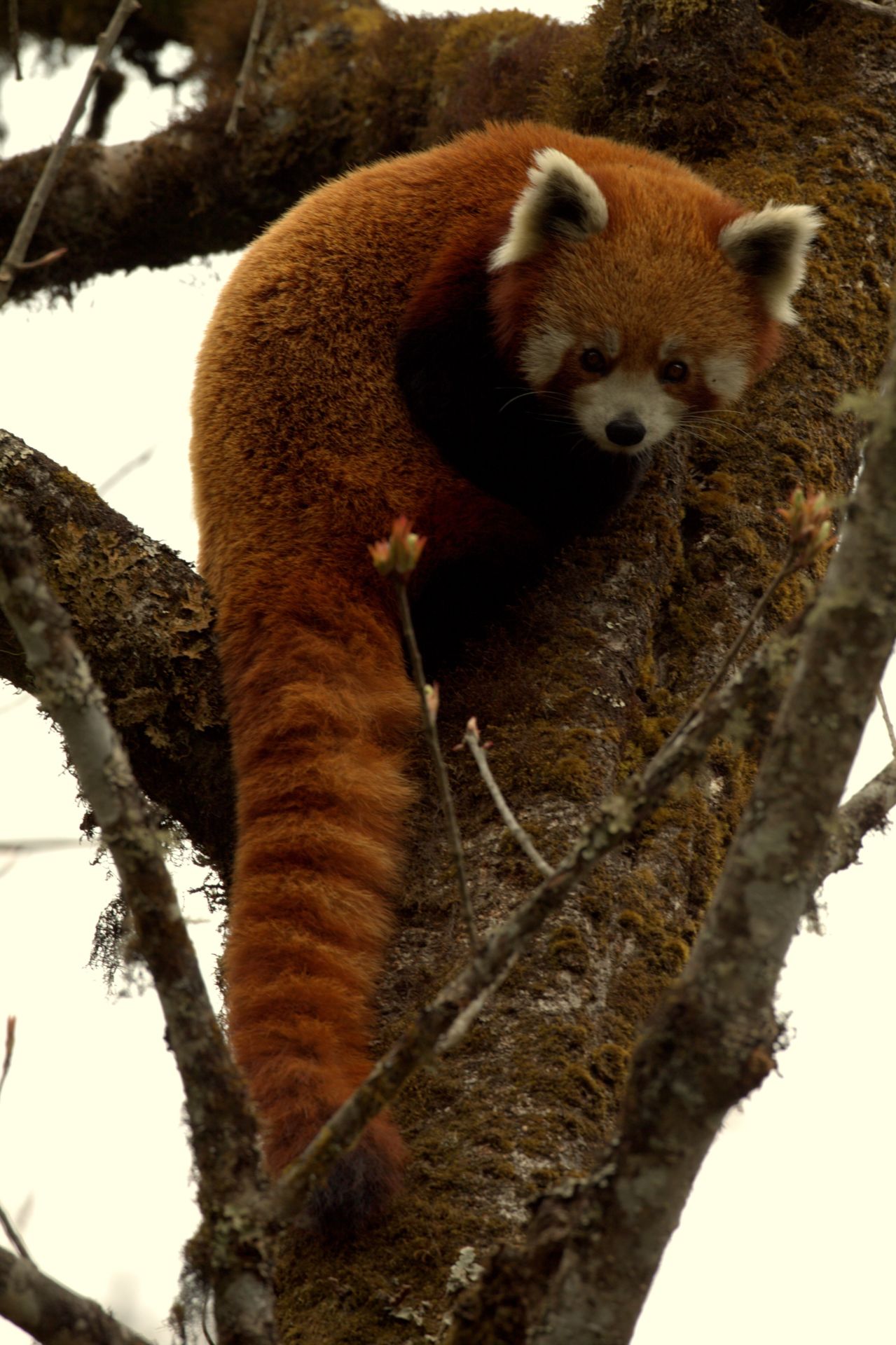
In the Photo: Bhutan is home to about 200 mammals including the Red Panda. Photo Credit: Sonam Wangdi

Its tiger population numbers over 100 and is considered by IUCN to be among the most viable in the world. Bird populations are growing and new records frequently occurring. The 740th bird species was recorded in Bhutan in early 2019. For a small country, its number of bird species equals that of all of Europe combined and the small country is home to 30 percent of world’s wild cats species.

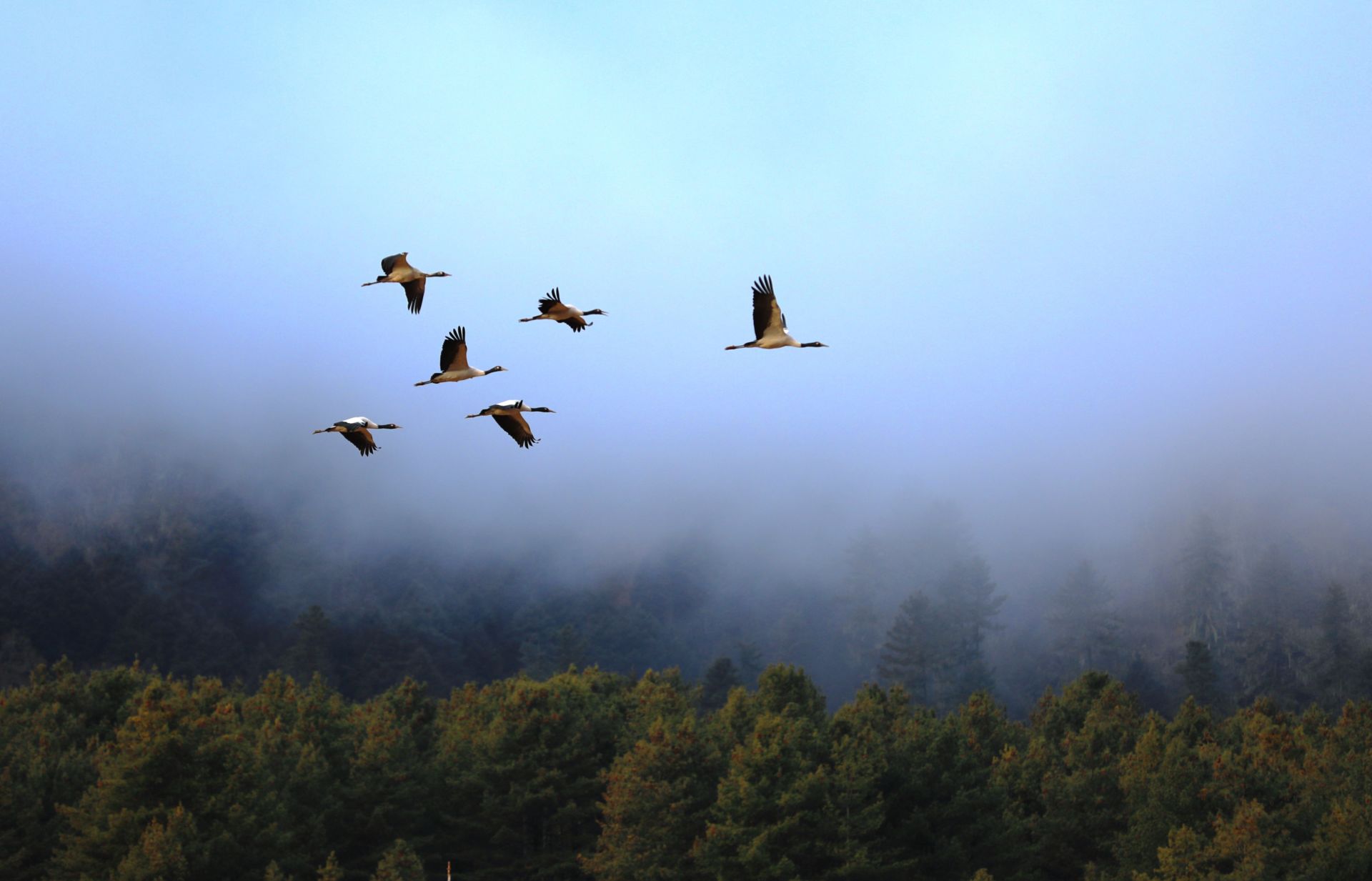
One of the last groups of over 500 Black Necked Cranes, a species numbering below 7000 globally, crosses the Himalayas annually to commute between their winter residence in Bhutan’s Phobjikha Valley and their summer home in Tibet.
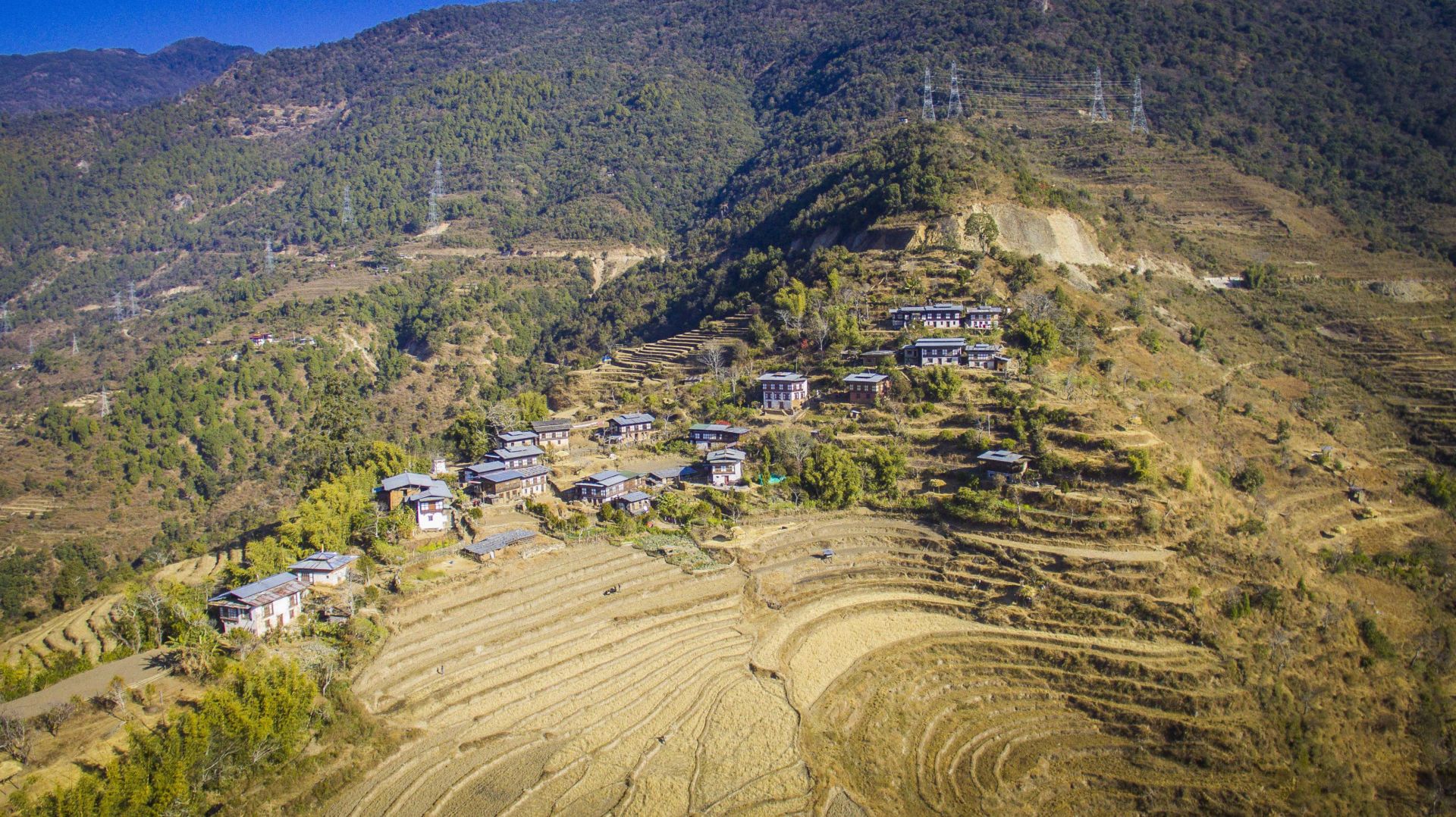
In the Photo: Bhutan’s forest and ecosystem services sustains hydropower and agriculture which are important pillars for its socio-economic development. Photo Credit: Ngawang Gyeltshen, National Coordinator BIOFIN

An Alternative Development Model Called Gross National Happiness

The country has demonstrated courage and innovation in pursuing its national development model, resisting the common “GDP growth first — worry about the environment later” approach that characterises most countries.

Instead it has developed a new growth paradigm known as “Gross National Happiness,” which includes economic growth, but amid a basket of other targets including factors associated with people’s happiness. It seeks to achieve a harmonious balance between material growth with societal inclusiveness, resilient cultural identity, environmental sustainability and good governance.

Bhutan’s model has already demonstrated remarkable results, as the country has achieved multiple development milestones. The life expectancy has risen from 66.3 to 70.2 between 2005 and 2017. Measles was recently eradicated, and Malaria will potentially soon follow.

Bhutan will officially graduate from its Least Developed Country (LDC) status in 2023. It will achieve this while ensuring the constitutional requirement to preserve at least 60 percent of the nation under forest cover for all time.

Today, the nation’s forest cover, at 70 percent of the land area has the capacity to sequester 6.3 million tons of carbon dioxide — four times what Bhutan emits — making it the only carbon negative country in the world. A recent evaluation has estimated Bhutan’s total ecosystem services to be worth around US$ 15.5 billion per year.

Refining the Model, Current Crossroads

But despite Bhutan’s carbon negative status, unique development paradigm and conservation core, there remain challenges. Bhutan has one of the highest per capita consumption of fuel wood in the world, 69 percent of the population relies on climate-sensitive agriculture to earn a living, and economic growth is strongly dependent on investments in hydropower.
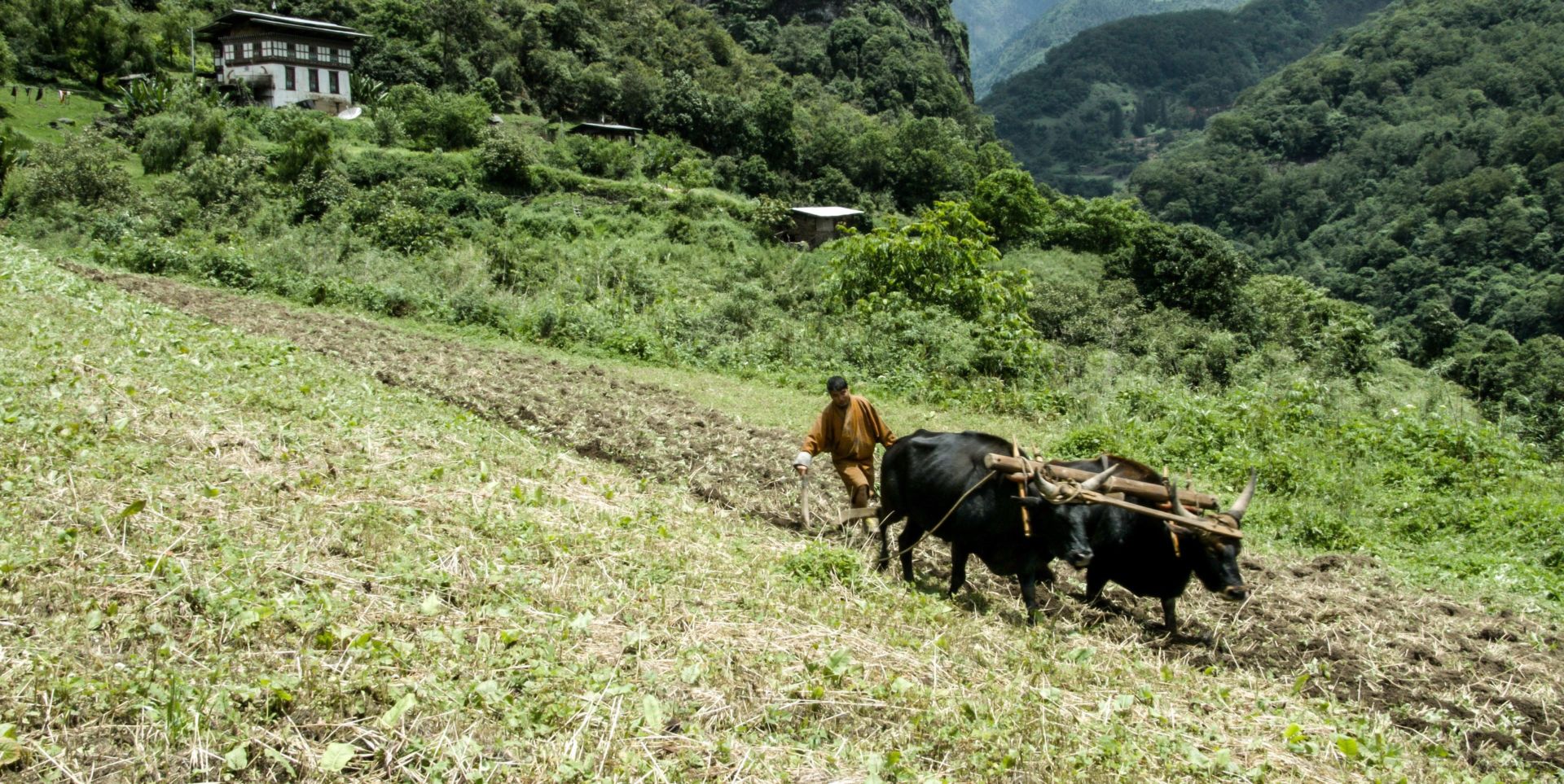
In the Photo: Biodiversity is the natural capital of the poor and three-quarters of Bhutanese depend on subsistence farming. Photo Credit: Ngawang Gyeltshen, National Coordinator BIOFIN

Economic diversification is a key element of the country’s new development strategy, in particular looking at continued sustainable development of ecotourism and small and medium enterprises. Financially, hydropower also overshadows other resources. The Domestic tax base averages at below 15 percent, which is relatively low. The IMF is committed to work with the government on tax reforms, in particular to rationalise the Sales Tax system into a more streamlined system.

When putting a looking glass over the situation of development finance, a similar picture emerges. The government is looking at different ways development objectives can be financed, including innovative financing mechanisms.

Exploring New Approaches to Development Finance

During the country’s pinnacle policy dialogues every two and half years, known as the 14th Roundtable Meeting in mid-March, the State Secretary of Finance, Dasho Nim Dorji outlined a number of innovative financing options such as issuing Green Bonds, e-payments, establishing a new Climate Fund and reforming the tax collection system.

A key element in this strategy is their work on the Biodiversity Finance Initiative (BIOFIN). This is a tool developed by the United Nations Development Programme (UNDP) to scan the existing landscape of financing a country’s natural resources, to rethink and diversify existing options. It lays out a structural approach to measure past expenditure and future needs for finance to fund a country’s biodiversity goals.
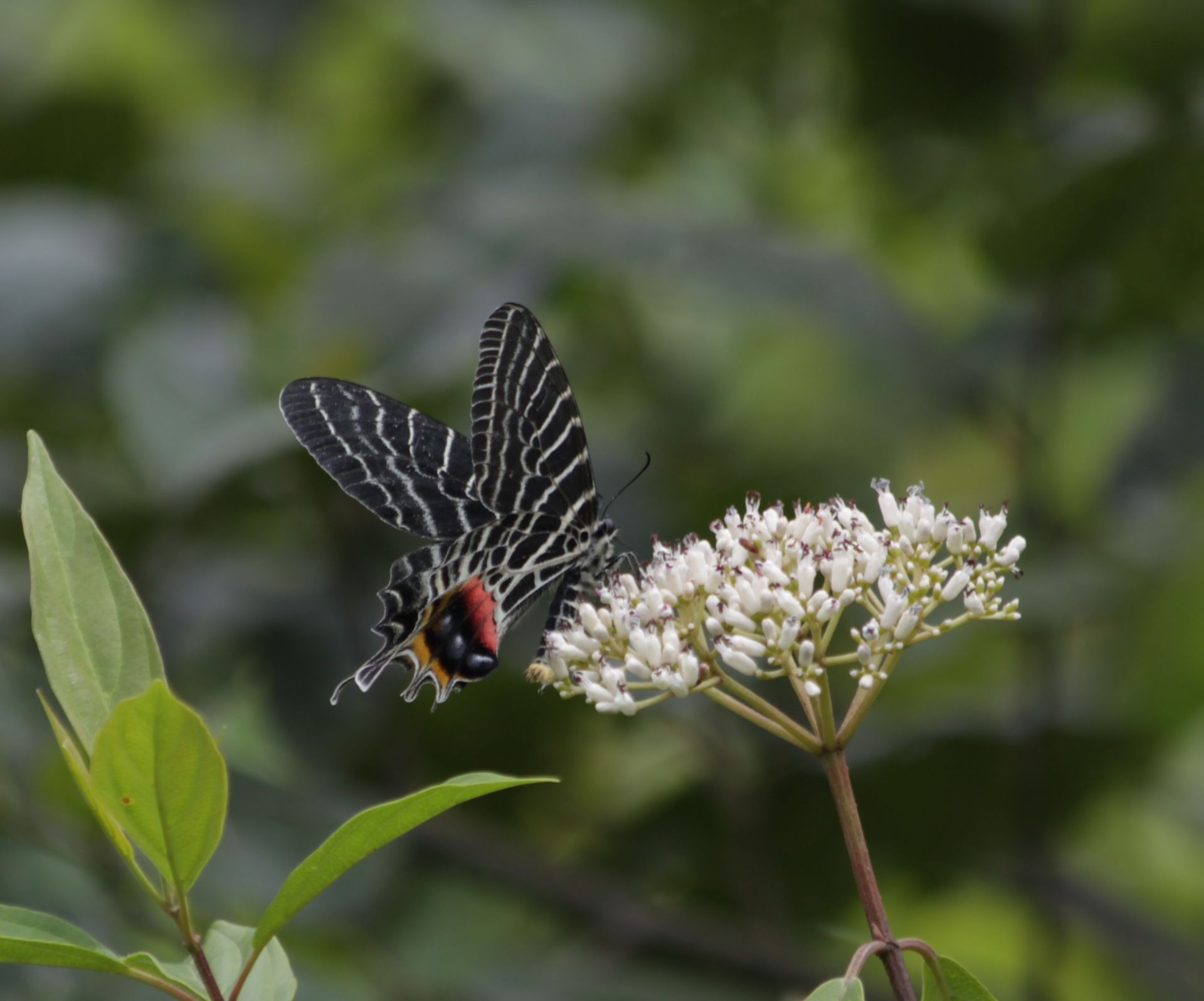
In the Photo: Ludlow’s Bhutan Swallowtail is Bhutan’s national butterfly, rediscovered after 75 years. Photo Credit: Sonam Wangdi
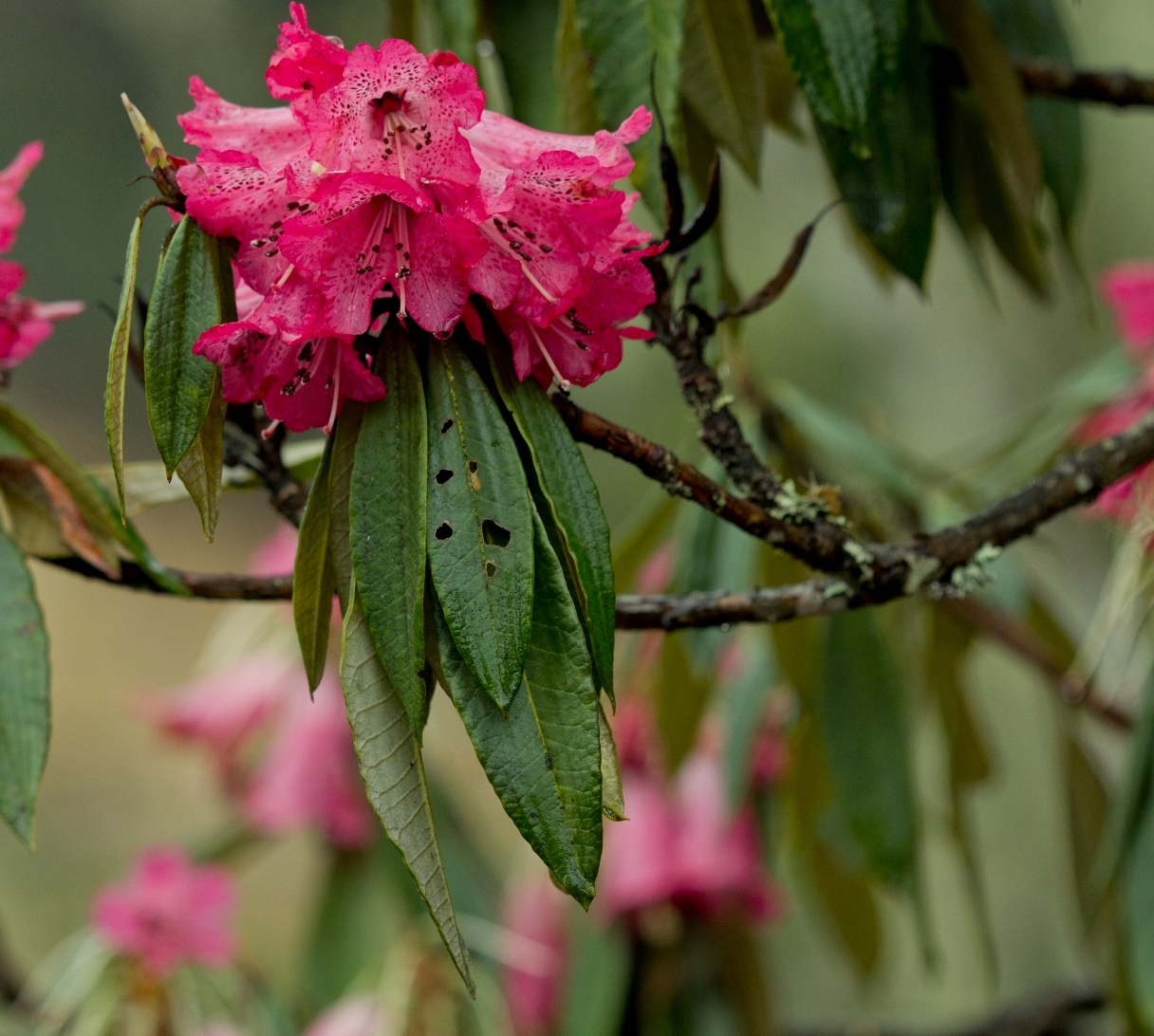
In the Photo: A rich floral diversity, Bhutan has 46 different Rhododendron species. Photo Credit: Ngawang Gyeltshen, National Coordinator BIOFIN

BIOFIN has already hit fertile ground in terms of conservation finance in the country. The country was the first ever to deploy what is known as a Conservation Trust Fund — a national fund that is independent from government and builds up an endowment to finance conservation work in the long term. An initial investment of around US$21 Million has since tripled, providing a secure and long-term source of finance to fund projects to protect and better manage the country’s nature, protected areas and surrounding communities. The country also recently set up Asia’s first Project Finance for Permanence in Conservation mechanism called Bhutan for Life — a transition fund of USD 43 million in 2017 to permanently protect and finance its protected areas.

Initial analysis under BIOFIN Bhutan demonstrates a number of other opportunities, including generating further revenue from ecotourism to re-invest into natural resources, exploring local level financing options, maximising returns from forest carbon stocks, using royalties from hydropower for conservation of watersheds, and capacity development of the judiciary system in applying an effective system of fines and fees through a dedicated “green bench.”


Editors Note: The opinions expressed here by Impakter.com columnists are their own, not those of Impakter.com  — In the Featured Photo: Black-necked cranes departing from Bhutan, March 2019 — Featured Photo Credit: Ngawang Gyeltshen, UNDP Bhutan.
Tags: BhutanBIOFINGross National HappinessUNDP
Previous Post

Chaos in Libya: Why Europe is Paralyzed

Next Post

Oco Life: The Innovative Healthcare Products from South Africa

Related Posts

COP30: Countries’ Climate Agrifood Ambitions Undermined by Funding Gaps, Report Finds
Biodiversity

COP30: Countries’ Climate Agrifood Ambitions Undermined by Funding Gaps, Report Finds

Developing countries recognize the urgent need to adapt agrifood systems to climate change, but most National Adaptation Plans (NAPs) are...

byThe Food and Agriculture Organization of the United Nations (FAO)
November 19, 2025
Small Island Nations
Climate Change

Empowering Small Island Nations: The Path to Resilient Prosperity

From the Pacific to the Caribbean, there is a palpable shift in the air as both regions forge new sustainable...

byJames Ellsmoor - CEO of Island Innovation
June 14, 2024
Bhutan: How a Poor Land-locked Country Is a Model for the Rich and Powerful
Society

Bhutan: How a Poor Land-locked Country Is a Model for the Rich and Powerful

Most of us live in a very troubled, interconnected world, one in which wars and civil strife are our daily...

byRichard Seifman - Former World Bank Senior Health Advisor and U.S. Senior Foreign Service Officer
October 23, 2023
Hundreds of Millions Exit Multidimensional Poverty, but More Data Needed
Society

Hundreds of Millions Exit Multidimensional Poverty, but More Data Needed

The UN Development Programme (UNDP) and the Oxford Poverty and Human Development Initiative (OPHI) at the University of Oxford published...

byInternational Institute for Sustainable Development (IISD)
August 1, 2023
G20 Fails Low-Income Countries Yet Again
Society

G20 Fails Low-Income Countries Yet Again

The G20 Finance Ministers and Central Bank Governors (FMCBGs) meeting, that took place on July 17 and 18, convened to...

byValentina Morando
July 20, 2023
“A World of Debt”: A Call For Change To the International Financial Architecture
Politics & Foreign Affairs

“A World of Debt”: A Call For Change To the International Financial Architecture

The finance ministers of the G20 and the central bank’s governors are currently meeting - from July 14-18 in Gujarat,...

byAlina Liebholz
July 16, 2023
World Day Against Homophobia, Transphobia and Biphobia
Equal Rights

World Day Against Homophobia, Transphobia and Biphobia

The International Day Against Homophobia, Transphobia and Biphobia (IDAHOTB) is an important occasion to recognize people who are forced to...

byAmber van Unen
May 17, 2022
The Growth Stage Impact Ventures Virtual Pitching Roundup
Business

The Growth Stage Impact Ventures Virtual Pitching Roundup

On June 3rd, the United Nations Development Program (UNDP) hosted the virtual pitching event of the Growth Stage Impact Ventures...

byKatharina Bursy
June 14, 2021
Next Post
Oco Life: The Innovative Healthcare Products from South Africa

Oco Life: The Innovative Healthcare Products from South Africa

Recent News

Why Glyphosate, the World’s Most Widely Used and Sued Herbicide, Is Under New Scrutiny

Why Glyphosate, the World’s Most Widely Used and Sued Herbicide, Is Under New Scrutiny

January 16, 2026
The Imperative of a Nature-Positive Future

The Imperative of a Nature-Positive Future

January 16, 2026
ESG News regarding Equinor wind farm project to resume in US, Blue Earth Capital raises $100 million, Google Signs Major 1.2 GW Carbon-Free Energy Deal, and US to Finalize 2026 Biofuel Quotas by March

U.S. Court Clears Equinor to Resume $5B Wind Project Halted by Trump

January 16, 2026
  • ESG News
  • Sustainable Finance
  • Business

© 2025 Impakter.com owned by Klimado GmbH

No Result
View All Result
  • Environment
    • Biodiversity
    • Climate Change
    • Circular Economy
    • Energy
  • FINANCE
    • ESG News
    • Sustainable Finance
    • Business
  • TECH
    • Start-up
    • AI & Machine Learning
    • Green Tech
  • Industry News
    • Entertainment
    • Food and Agriculture
    • Health
    • Politics & Foreign Affairs
    • Philanthropy
    • Science
    • Sport
  • Editorial Series
    • SDGs Series
    • Shape Your Future
    • Sustainable Cities
      • Copenhagen
      • San Francisco
      • Seattle
      • Sydney
  • About us
    • Company
    • Team
    • Global Leaders
    • Partners
    • Write for Impakter
    • Contact Us
    • Privacy Policy

© 2025 Impakter.com owned by Klimado GmbH