For centuries, animals have been treated as “things” or property under the law. Today, the legal status of animals and plants is shifting, with certain species becoming recognized as “subjects of rights.” The aim is to ensure that animals and plants receive legal protection, recognizing that we all coexist and that they are entitled to the same legal rights as humans to exist, thrive, and be represented in court.
This month, following recent landmark legislation in Peru, honey-making stingless bees became the world’s first insects to gain legal rights. However, they are not the only creatures who hold this status: sea turtles in Panama, manoomin (wild rice) in White Earth Nation, Indigenous territory, in the USA, and salmon in Sauk-Suiattle Tribal Territory in the state of Washington, USA, have also been granted legal rights in recent years.
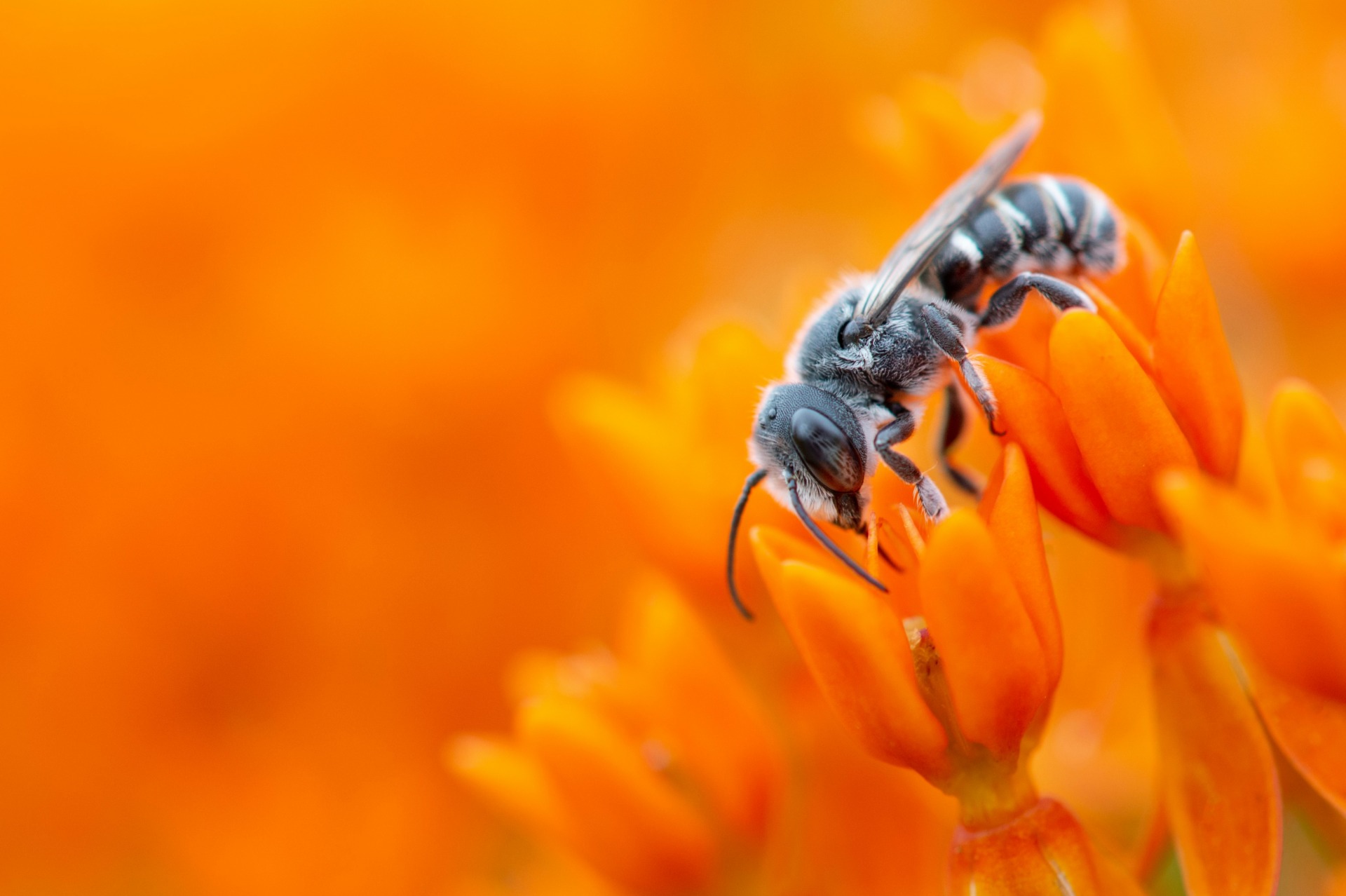
Stingless bees in Peru
Satipo province and the town of Nauta passed ordinances in late 2025 granting legal rights to native stingless bees. These rights allow them to exist and flourish in an environment without pollution, climate change, and human activity.
Stingless bees are vital to the ecosystem, pollinating over 80% of the region’s flora; unfortunately, according to Nicholas Fromherz, an international wildlife legal expert at the Lewis & Clark Law School, they face extinction from deforestation, pesticides, and climate change.
This major feat means that people can now file lawsuits on the bees’ behalf to stop activities that harm their habitat. The move was heavily supported by Indigenous groups like Asháninka and Kukama-Kukamiria, who have been taking care of the bees for centuries.
The next step for the movement would be to adopt these local laws nation-wide: a petition to do so has already gained more than 389,000 signatures.
Sea turtles in Panama
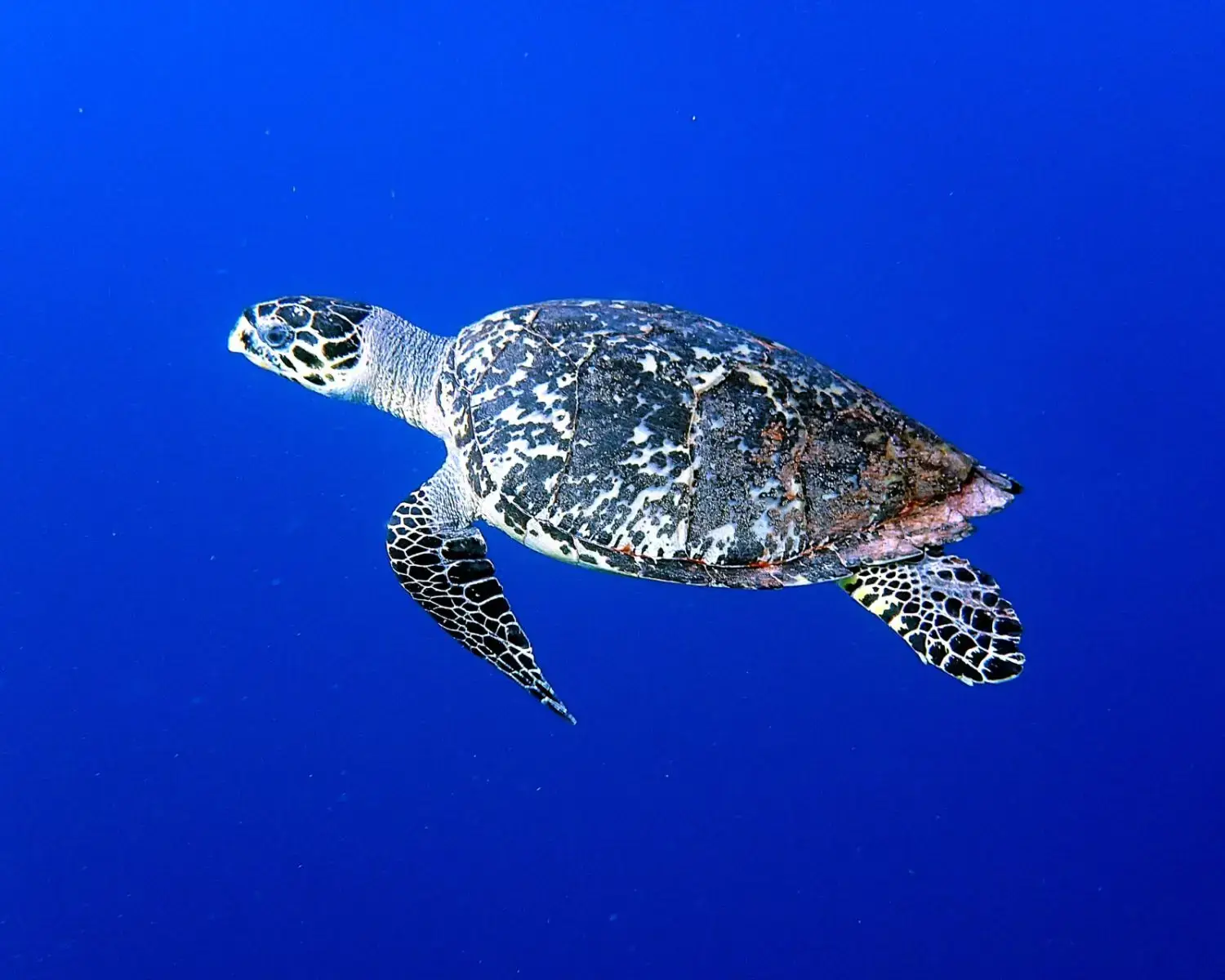
In 2023, Panama enacted Law 371, which made it one of the first nations to adopt a species-specific Rights of Nature law. While sea turtles were already protected by various conservation treaties, this law elevated their status to a “subject of rights.”
More than 60% of turtle species face extinction, and Panama is an important stronghold for five sea turtle species (Leatherback sea turtle, Green sea turtle, Hawksbill sea turtle, Olive Ridley sea turtle, and Loggerhead sea turtle), as they nest or migrate along its coasts. This law grants them rights to live and move freely in a healthy environment, in a habitat free from human-induced threats, such as plastic pollution, unregulated tourism, illegal trade, climate change, and bycatch (accidental capture in fishing nets).
The legislation was first introduced in 2021 by Congressman Gabriel Silva and Callie Veelenturf. It underwent a rigorous review process that included scientific expertise and community feedback before it was signed by the President. This law is a science-based framework that translates general Rights of Nature principles into specific, localized protections designed to help nature against the most urgent conservation threats.
Manoomin (wild rice) in the USA
One of the most significant species-specific legal developments in North America occurred in 2018, when the White Earth Band of Ojibwe recognized the Rights of Manoomin (wild rice). This was the first tribal law in the U.S. to grant legal rights to a plant species.
The law asserts that Manoomin has the inherent right to exist, flourish, regenerate, and evolve free from human-induced threats, such as pollution, climate change impacts, and patenting. It also includes the right to pure water and a healthy climate.
In 2021, the first Rights of Nature enforcement case in a tribal court was launched: Manoomin vs. Minnesota Department of Natural Resources. The White Earth Band sued to stop the “Line 3” pipeline project from using five billion gallons of construction water, arguing that such a permit directly violated the legal rights of wild rice to clean water and healthy habitat. Unfortunately, the lawsuit failed due to a jurisdictional issue in 2022. The case was dismissed because the Tribal Court of Appeals ruled that the court lacked the legal authority to sue a state agency like DNR.
Related Articles
Here is a list of articles selected by our Editorial Board that have gained significant interest from the public:
Tsuladxw (salmon) in the USA
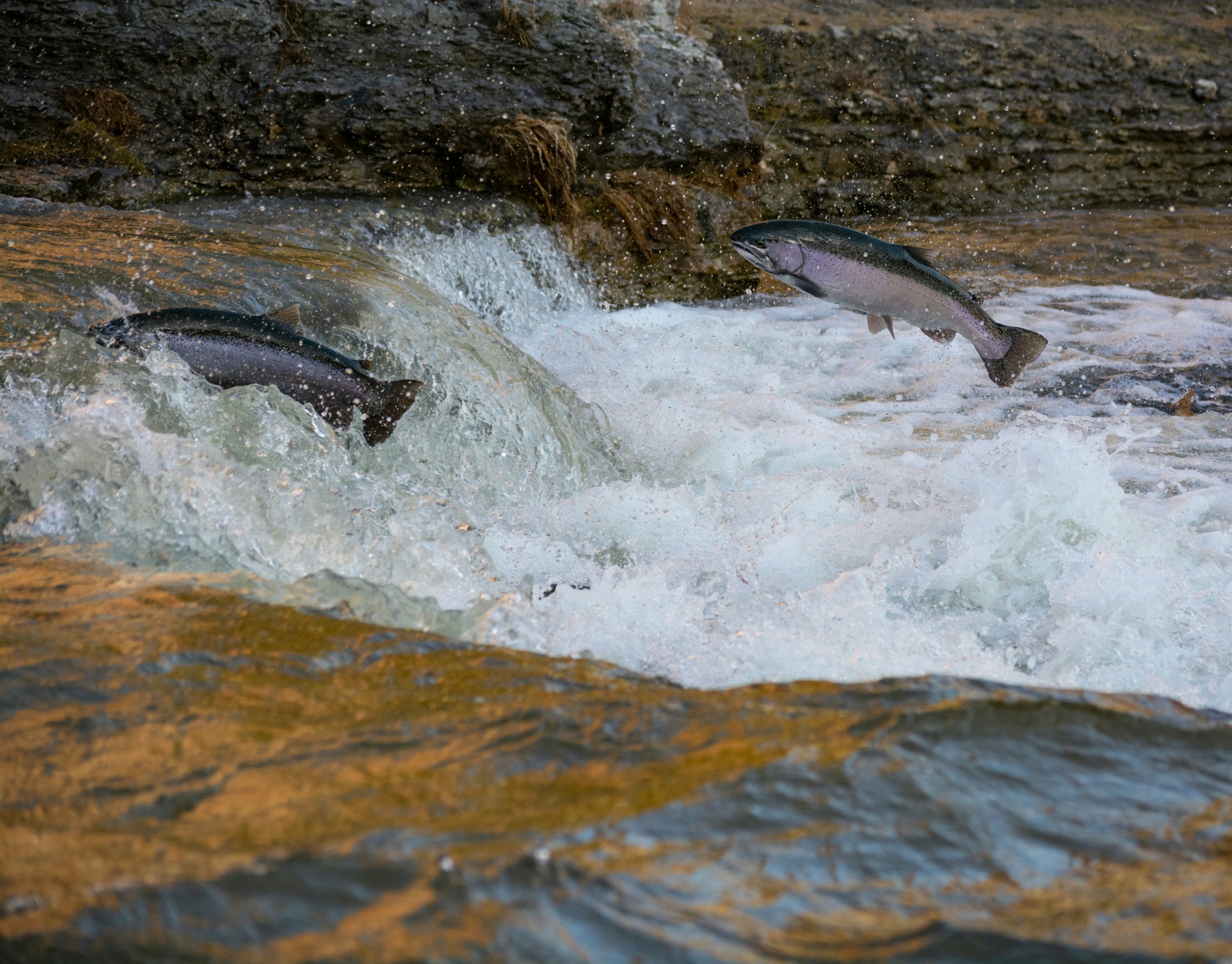
Following the model of the Manoomin case, the Sauk-Suiattle Indian Tribe filed a lawsuit in 2022 on behalf of Tsuladxw (salmon) against the city of Seattle.
The lawsuit argued that salmon possess inherent rights to exist, flourish, and access their ancestral waters. It specifically addressed the dams on the Skagit River built by the City of Seattle, which blocked the passage of adult fish and starved juvenile fish of necessary nutrients.
In 2023, the City of Seattle reached a settlement. The settlement consisted of creating a roadmap for a fish passage system to restore salmon to their native ecosystem.
Shift in environmental law
The recognition of rights for species as diverse as stingless bees, sea turtles, wild rice, and salmon marks a fundamental shift — moving past the idea of nature as a mere resource. They grant rights to exist and thrive without humans intervening in their habitat, ensuring that certain animals and plants are legally protected.
Hopefully, this trend will continue, and more species will be granted legal protection, ensuring they continue to exist in environments that allow them to flourish.
Editor’s Note: The opinions expressed here by Impakter.com columnists are their own, not those of Impakter.com — Cover Photo Credit: Ray Henessy.