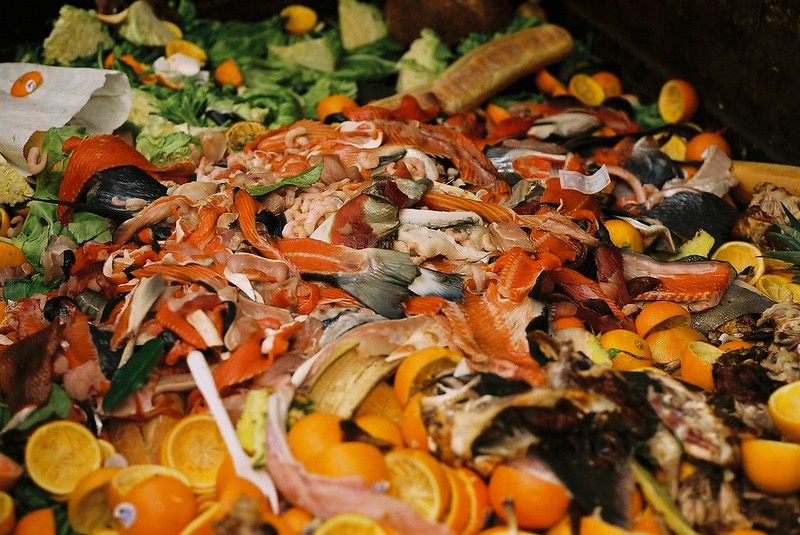
Food waste is a global issue. According to the United Nations Food and Agriculture Organization, more than one third of all food worldwide is wasted.
When it comes to food waste, the U.S. ranks second worst in the world, wasting around 40% of the food produced in the country. This is enough to feed around 164 million people. What makes the challenge within the U.S. context particularly distinct is that 41 million U.S.-Americans still lack access to adequate nutritious food and are grappling with food insecurity.
With roughly 80% of the U.S. population living in urban areas, American cities are at the frontlines of tackling food waste as well as food insecurity. The Natural Resources Defense Council (NRDC) is working with cities to increase the efficiency of urban food systems in order to avoid waste and support equity.

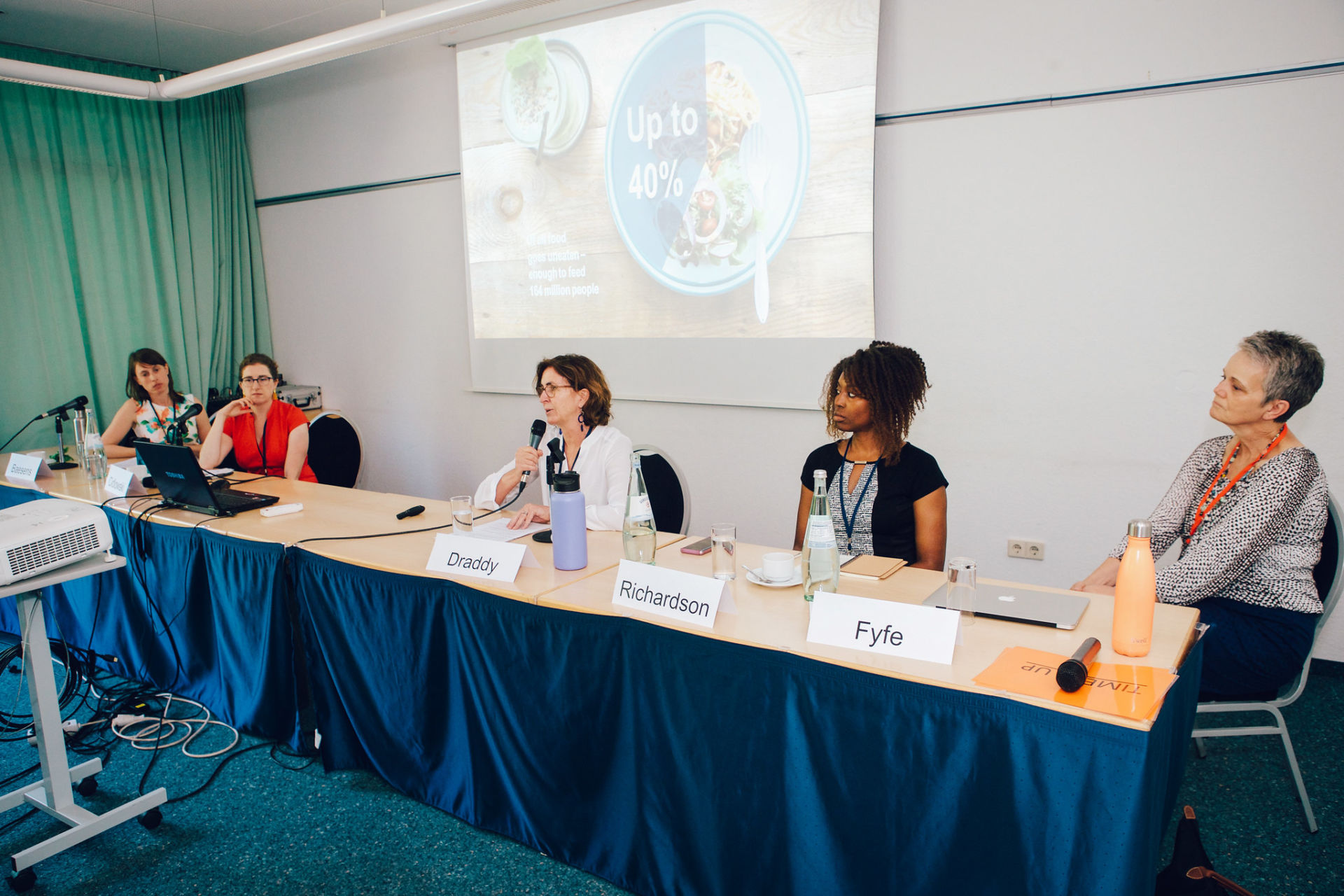
Cities are uniquely equipped to manage this challenge, argues Anne Draddy, Sustainability Coordinator of the City of Baltimore, USA. Food often makes up the largest percentage of waste in cities and cities are already responsible for managing waste infrastructure, giving local governments key intervention points and tools to improve food waste management.
As a part of the Food Matters initiative, funded by the Rockefeller Foundation, the NRDC is working with Baltimore, Maryland, and Denver, Colorado, to turn food from a waste to a resource. As a part of the two-year initiative, both cities have hired full time Food Matters staff dedicated to improving their respective urban food systems. The NRDC focuses on four tactics that help cities develop a strategic vision for their food systems: rethinking the nature of the problem, preventing food waste, rescuing surplus food for the community, and recycling food scraps.
Both cities have found wide support to improve food systems but lack information and infrastructure to tackle the problem head on. The Food Matters initiative helps cities to find their baseline through a research-based approach that can help shape action plans and inform policies.
Denver set out to rethink its food system by first gaining a comprehensive understanding of its food production and waste through an analysis of consumer and business behaviors. They found that mostly grocery stores and restaurants throw out food that could be rescued and reused.
Supporting consumers and restaurants to change their behavior, however, remains a challenge. The city plans to introduce food waste reduction requirements for restaurants by creating a green certification business program that would introduce food waste requirements and ensure food waste reduction in part by reducing portion size. Moreover, targeted educational programs for owners of grocery stores and restaurants aim to facilitate better food management and storage, and prevent food waste through consultations on liability protection.
Denver also aims to increase the number of residents who compost by involving neighborhood organisations and holding informational sessions on how to compost properly. The city even created the Denver Recycles Waste Sorting Game to make waste issues more relatable. This is only one method to encourage behavioral change, and the city is also considering incentivizing waste reduction through zero waste policies, such as charging residents based on the amount of trash created.
In comparison, the city of Baltimore is at the beginning of its ambitious journey. The city is experiencing an array of municipal challenges including a decline in population resulting in many vacant lots and properties. Of Baltimore’s 610,000 inhabitants, around 150,000 people are living in poverty and are faced with food insecurity, constituting almost a quarter of the city’s population.
Baltimore does not have a pre-existing residential compost system in place that can be merged with new plans for improved waste management. The city currently relies heavily on landfill and an energy plant, the city’s largest polluter, for its waste management. Yet more recently the city has been forced to rethink its waste management strategy as local advocates and residents have demanded the plant close due to detrimental effects on health and air pollution.
Related Articles: Deal of the Week: Innovative Solutions to Food Waste | Food Waste and All the Symptoms of Unsustainable Food System
Each neighborhood in Baltimore comes with a distinct and strong identity, so the city is focused on developing messages that resonate with their residents to get them onboard for ambitious food waste reduction plans. Baltimore draws on a strong food rescue community, and this is where the city sees the greatest opportunity to mobilize existing networks of communities, nonprofits and residents to combat food waste.
Cities must also focus on changing mind-sets about food consumption, production and waste, ultimately creating broad behavioral change.
The most difficult challenge for these cities is to raise awareness and get residents onboard but ready-made tools like NRDC’s Save The Food Campaign can help. However, the awareness-raising process needs to go beyond educating residents about the implications of food waste and how it can be prevented. Cities must also focus on changing mindsets about food consumption, production, and waste, ultimately creating broad behavioral change.
This article, based on session D3 – Denver-Baltimore Food Systems Resilience Reality Check Workshop at the Resilient Cities Congress 2019, first appeared on ICLEI.