Today’s ESG Updates
- EU Opens First Full-Scale CO₂ Storage Site: The project will store captured CO₂ beneath the North Sea, with plans to scale capacity as the EU works towards its 2030 carbon storage target.
- Trump Bans Three Media Outlets from White House Access: The president says CNN, MS NOW and Politico will be barred, in a move expected to prompt First Amendment challenges.
- Germany Cuts Fuel Taxes: Petrol and diesel taxes will fall by around €0.17 per liter from October, with the €2.5bn measure running through the end of the year.
- €600m Austrian Hydrogen Project Moves Ahead: OMV says the project remains largely financed and on track, despite Abu Dhabi renewable energy company Masdar withdrawing from the venture.
INEOS opens EU’s first full-scale CO₂ storage facility
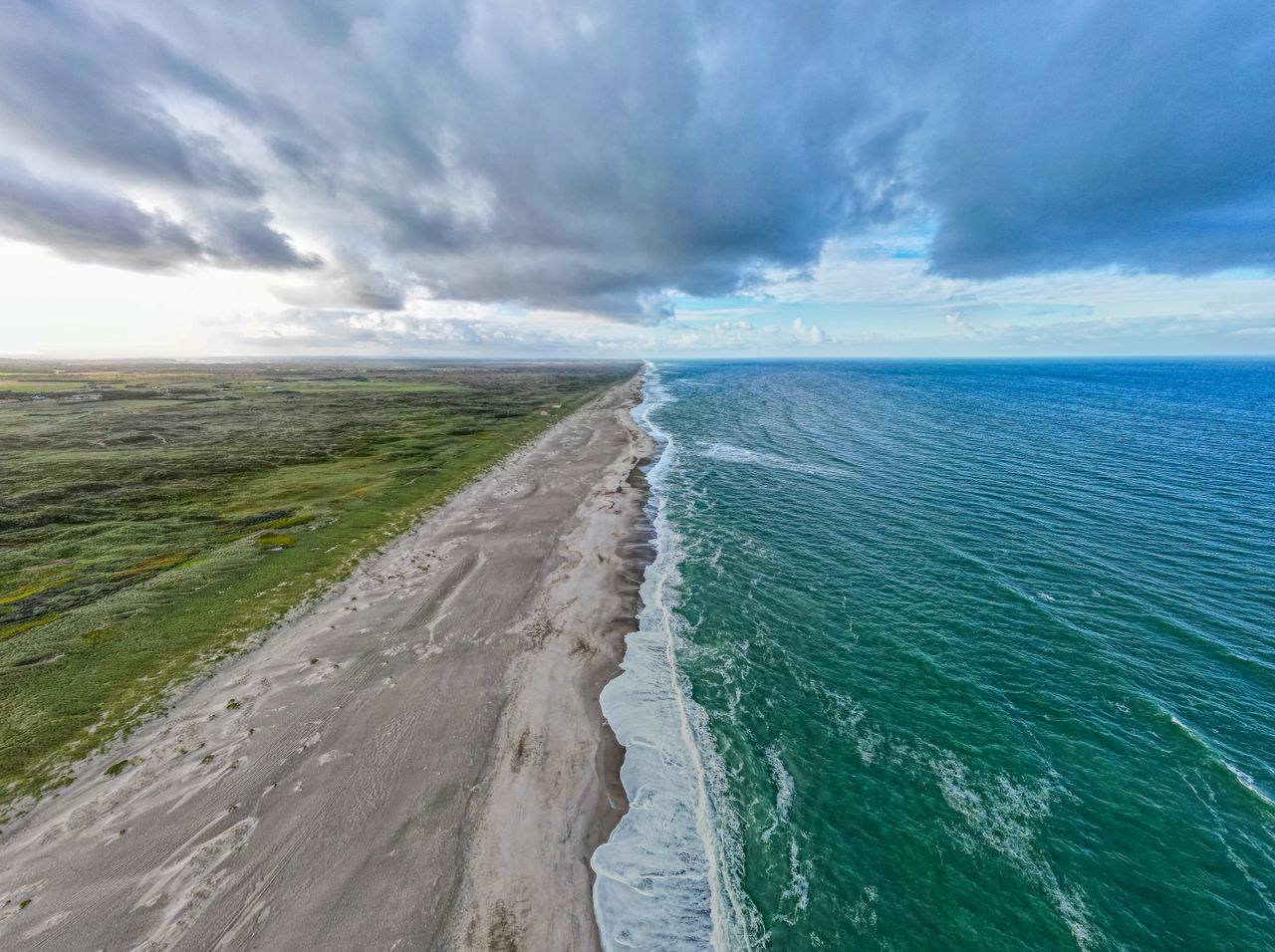
INEOS Energy has opened the European Union’s first full-scale CO₂ storage facility in Esbjerg, Denmark.
The Greensand storage facility, led by INEOS Energy with Harbor Energy and Denmark’s North Sea Fund, can store up to 400,000 tonnes of CO₂ annually in its initial phase. Captured CO₂ is liquefied, transported to the Port of Esbjerg and shipped 250 km offshore before being injected about 1,800 meters beneath the seabed into the depleted Nini West oil field.
Greensand currently sources CO₂ primarily from Danish biomethane plants, with plans to expand capacity to 4–8 million tonnes annually as industrial capture develops. INEOS says the project provides infrastructure for emitters to begin scaling carbon capture across Europe.
The EU aims to store 50 million tonnes of CO₂ annually by 2030, rising to 250–280 million tonnes by 2040. European Commissioner Dan Jørgensen called the opening “an important milestone for Europe”.
Klimado – Navigating climate complexity just got easier. Klimado offers a user-friendly platform for tracking local and global environmental shifts, making it an essential tool for climate-aware individuals and organizations.
Trump bans CNN, MS NOW and Politico from White House
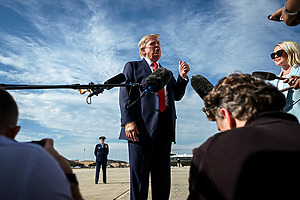
U.S. President Donald Trump has said CNN, MS NOW and Politico will be banned from the White House, accusing the outlets of reporting “fake news” and “fiction and lies”. He said the decision reflected their coverage “over the past few years”, not a specific incident.
The move is expected to face legal challenges under the First Amendment, which protects freedom of speech and the press. Its legality could depend on the ban’s scope. Courts have allowed selective restrictions on some presidential events but may apply stronger protections to broader White House press access.
All three outlets said they would defend their constitutional rights. CNN called the proposed ban an “illegal assault” on its right to report without government interference, while MS NOW and Politico said they would continue covering the administration.
Trump has indicated other outlets could follow, specifically referring to The New York Times and The Washington Post. The White House subsequently denied access to journalists from all three outlets on September 19.
Related Articles
Here is a list of articles selected by our Editorial Board that have gained significant interest from the public:
Germany cuts fuel taxes to ease pressure on motorists amid record prices
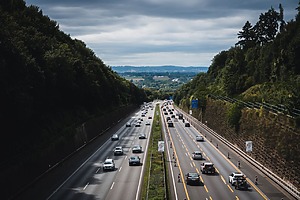
Germany will cut taxes on petrol and diesel by around €0.17 per liter from October 1 to ease pressure from record fuel prices. The measure will run until the end of the year and cost €2.5 billion, with funding split between federal and state governments.
The government will also negotiate with the oil industry on a fuel price cap, modeled on systems in Luxembourg and Belgium, aiming to introduce it by January 1, 2027.
The measures follow a record average price of €2.286 per liter for E10 petrol earlier this week, as oil prices topped $100 a barrel amid the war in Iran.
Greenpeace was quick to criticize the tax cut, saying “a fuel rebate is not targeted, is harmful to the climate, and a large chunk of it ends up as excess profit in the pockets of the oil companies.”

OMV to continue €600m hydrogen project after Masdar exit
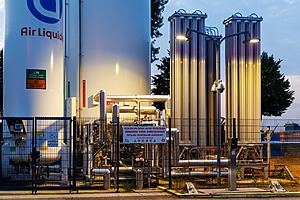
Austrian energy group OMV will proceed with its planned green hydrogen project without Abu Dhabi renewable energy company Masdar, which has unexpectedly withdrawn from the venture.
The €600 million project remains largely financed, with the European Investment Bank committing €450 million and Austria expected to provide additional public funding. OMV said Masdar’s departure would not affect the project.
The 140-megawatt electrolysis plant is due to begin operating by the end of 2027 and produce up to 23,000 tonnes of green hydrogen annually. It is expected to be the largest of its kind in Austria and one of the five largest in Europe.
Masdar’s withdrawal was reportedly linked to strategic changes in Abu Dhabi.
Editor’s Note: The opinions expressed here by the authors are their own, not those of impakter.com — Cover Photo Credit: Silvan Stucki